
A welding “ground clamp” is more accurately the work clamp: it connects the welding power source to the workpiece and completes the welding circuit. A clean, tight, correctly sized work connection helps maintain a stable arc and reduces resistance heating. Attach it to clean conductive metal as close to the weld area as practical, and keep the return path away from bearings, electronic components, cylinders, chains, or other parts that should not carry welding current.
Why The Welding Ground Clamp Matters
The welding ground clamp is more than a simple accessory. It’s a key part of the electrical circuit. When you weld, electricity flows from the welding machine, through the electrode, into the metal, and back to the machine via the clamp. If your clamp is poor quality, loose, or dirty, the circuit is weak. That means unstable arcs, splattering, and even dangerous sparks. Sometimes, welders blame the machine for bad welds, but the real problem is often the ground clamp.
A strong, clean connection helps you:
- Keep a stable welding arc
- Avoid overheating wires
- Reduce electrical hazards
- Get better weld penetration
Many pros say, “Your weld is only as good as your ground. ” So understanding clamps is not just for perfectionists—it’s for anyone who wants safe, reliable work.
How A Welding Ground Clamp Works
When you weld, electricity completes a circuit. The work clamp connects the workpiece to the welding power source; polarity depends on the welding process, electrode or wire, and machine setup, so it is not always the negative terminal. It holds onto the metal, allowing current to flow back to the welder.
Here’s what happens step by step:
- The electrode touches the workpiece, creating an arc.
- Electricity passes through the weld puddle and the workpiece.
- The ground clamp, attached to the workpiece, lets current return to the welder.
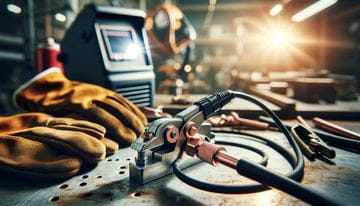
If the clamp is loose, corroded, or too small, resistance increases. High resistance means heat, voltage drop, and a higher chance of arc instability or even burns at the clamp point.
Credit: www.arccaptain.com
Common Types Of Welding Ground Clamps
Not all clamps are the same. Each type suits different jobs, metals, and welding machines. Here’s a look at the most popular types:
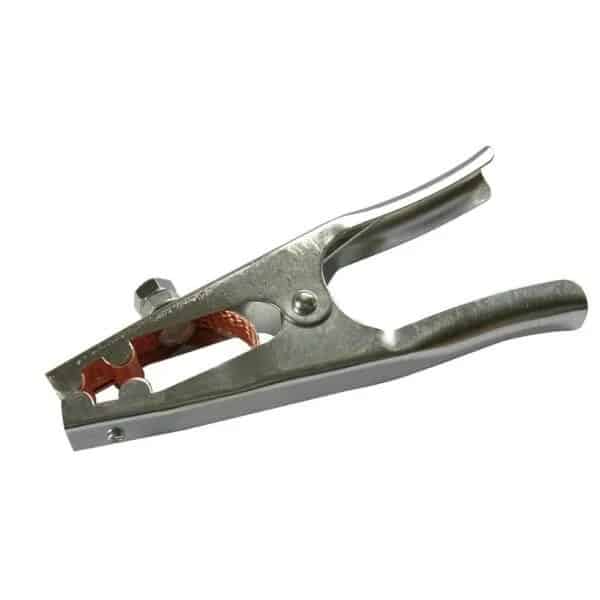
1. Spring-loaded Clamps
These are the most common. They work like large alligator clips and are easy to attach and remove. They’re best for light to medium work, like small repairs and DIY welding.
Pros: Simple, fast to use, widely available
Cons: Pressure can weaken over time, not ideal for thick or rusty metal
2. Screw-type Clamps
Also called “C-clamps,” these use a screw to tighten onto the workpiece. They provide a firm grip, even on thick or painted surfaces.
Pros: Strong connection, good for heavy-duty work
Cons: Slower to attach, can dent soft metals
3. Magnetic Ground Clamps
Magnets hold the clamp in place, perfect for odd shapes or when you can’t reach edges.
Pros: Quick setup, good for sheet metal or car panels
Cons: Magnet strength can weaken at high temperatures, not suitable for aluminum or stainless steel
4. Sheet Metal Clamps
Designed for thin metal, these have a wide jaw to prevent distortion.
Pros: Won’t bend or mark thin sheets, ideal for auto body work
Cons: Not for thick or irregular materials
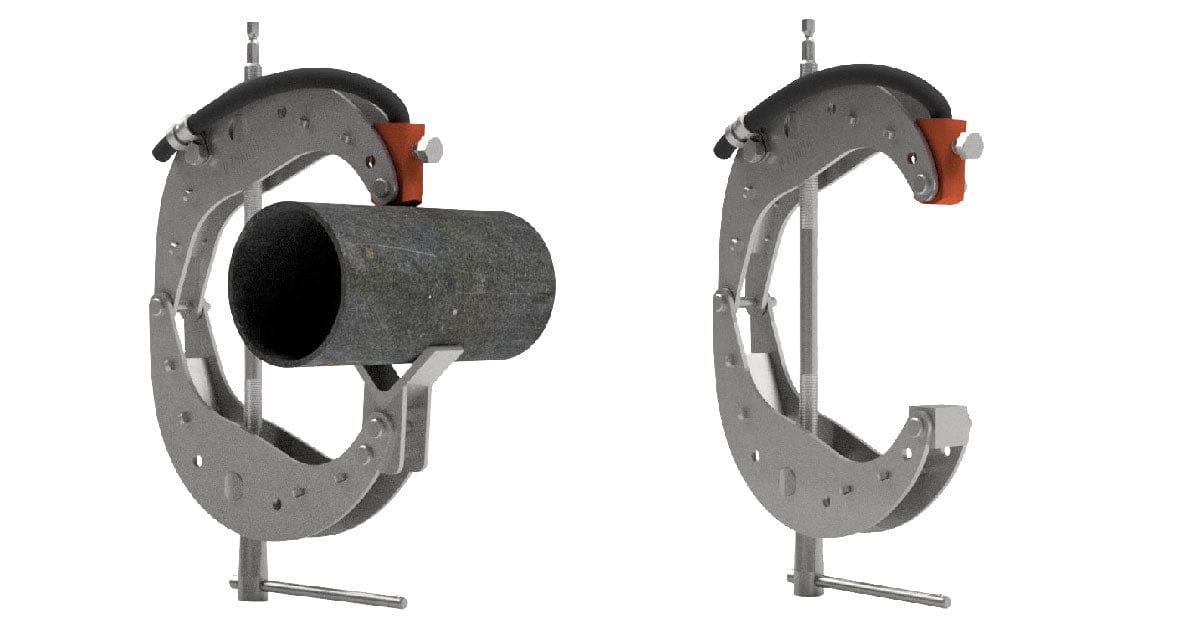
5. Heavy-duty Industrial Clamps
These are built for high-amperage jobs and thick materials. They often use copper or brass for better conductivity.
Pros: Handles high current, durable
Cons: Expensive, overkill for small jobs
Key Factors When Choosing A Welding Ground Clamp
Picking the right clamp is not just about price. Here are the main factors to keep in mind:
Amperage Rating
Every clamp is rated for a maximum current, like 200A, 400A, or 600A. Always match your clamp to your welder’s output. Using a low-rated clamp on a high-amp welder is a fire risk.
Material
The best clamps use copper or brass for the jaws and contacts. These metals offer low resistance and high conductivity. Cheaper clamps often use steel, which can rust and lose grip.
Jaw Size And Grip
A wide jaw grips more surface area and fits bigger workpieces. A strong spring or screw ensures the clamp stays tight, even after many uses.
Cable Connection
Look for clamps with a sturdy cable connection. Some use a simple set screw, while others offer a heavy-duty cable lug. Weak connections can overheat or fail.
Work Environment
If you weld outdoors, on cars, or on painted metal, consider a magnetic or screw-type clamp. For shop work on clean steel, a spring clamp is often enough.
Budget
A good ground clamp is an investment. Don’t buy the cheapest—saving a few dollars can cost you in poor welds and safety risks.
Comparing Popular Welding Ground Clamps
Here’s a practical comparison of common clamp types:
| Type | Best For | Max Amperage | Jaw Material | Quickness |
|---|---|---|---|---|
| Spring-Loaded | DIY, Light Shop | 200-300A | Steel/Copper | Fast |
| Screw-Type | Heavy Fabrication | 400-600A | Copper/Brass | Slow |
| Magnetic | Auto Body, Sheet Metal | 200-300A | Steel | Fast |
| Heavy-Duty | Industrial | 600A+ | Copper | Medium |
How To Attach A Welding Ground Clamp
A clamp works best if it touches clean, bare metal. Here’s how to get the best connection:
- Clean the surface: Remove paint, rust, and oil from the area where the clamp will grip. Use a wire brush or grinder.
- Attach firmly: Squeeze the clamp fully onto the workpiece. For screw clamps, tighten until it feels secure, but don’t overdo it.
- Check the connection: Wiggle the clamp. If it moves or slips, re-attach.
- Inspect often: Check for hot spots or discoloration during welding—these mean poor contact.
Pro tip: Always attach the clamp as close to the weld area as possible. This reduces resistance and voltage drop.
Common Problems And Solutions
Even with a good clamp, issues can happen. Here are some common problems and how to fix them:
Clamp Overheats
Usually caused by a loose grip, dirty jaws, or a clamp too small for the current. Solution: Clean the jaws, check the cable connection, and upgrade the clamp if needed.
Arc Instability
If your arc “jitters” or goes out, check the ground clamp before blaming the machine. A poor connection causes unstable current flow.
Clamp Sparks Or Melts
This is dangerous. It means the clamp is overloaded or not gripping well. Stop welding, let the clamp cool, and check for damage.
Won’t Attach To Odd Shapes
Use a magnetic or flexible clamp for pipes, car bodies, or awkward angles.
Maintenance Tips For Long Clamp Life
A welding ground clamp can last years if cared for. Here’s how to keep yours in top shape:
- Clean jaws regularly: Use a wire brush to remove oxidation and spatter.
- Check springs and screws: Replace weak springs or worn screws.
- Inspect cables: Look for broken wires or loose connections.
- Store dry: Keep the clamp away from water to prevent rust.
- Replace when needed: If the clamp loses tension or the jaws are pitted, get a new one.
Neglect is a common beginner mistake. A dirty or worn clamp can ruin your welds and even damage your welder.
Credit: www.weldingandwelder.com
Real-world Examples
Let’s look at a few real situations:
- Auto repair: A magnetic ground clamp lets you weld on car panels without scratching paint or searching for an edge.
- Farm equipment: Heavy-duty screw clamps work well on thick, rusty machinery that normal clamps can’t grip.
- Home projects: For small repairs, a spring-loaded clamp is fast and reliable.
Many professionals keep two or three clamp types in their kit. The right tool for the job saves time and prevents problems.
Safety Tips For Using Welding Ground Clamps
Safety is always first in welding. The ground clamp plays a big role in electrical safety.
- Never weld with a loose or damaged clamp.
- Don’t use clamps with exposed wires or cracked insulation.
- Always turn off the welder before attaching or removing the clamp.
- Keep the clamp away from fuel tanks, batteries, or sensitive electronics.
- Wear gloves when handling clamps, especially hot ones.
One overlooked insight: in large projects, moving the clamp closer to the weld as you go prevents voltage drop and maintains a strong arc.
Credit: dimide.com
Clamp Brands And Price Ranges
You’ll find many brands, from basic no-name clamps to high-end models. Here’s a quick look at what you get at different price points:
| Price Range | Typical Build | Best For |
|---|---|---|
| $5–$15 | Steel, small jaws | DIY, low-amp jobs |
| $15–$35 | Copper/Brass, strong spring | Shop, medium-amp |
| $35–$80+ | Heavy-duty, large jaw | Industrial, high-amp |
More expensive doesn’t always mean better, but you often get better conductivity and durability.
Comparing Ground Clamps And Work Leads
Some people confuse the ground clamp with the work lead. The work lead is the cable, and the clamp is what actually grips the workpiece. Both must be in good shape for best results.
Tip: Replace damaged work leads as soon as you see exposed wires or overheating.
Where To Buy And What To Look For
You can find welding ground clamps at hardware stores, welding supply shops, or online. Look for clear amperage ratings, solid metal jaws, and strong springs or screws. If you weld often, avoid the cheapest models—they don’t last.
For more technical details, the American Welding Society’s Welding page is a reliable source.
Frequently Asked Questions
What Happens If My Ground Clamp Is Too Small For My Welder?
If the clamp is rated lower than your welder’s output, it can overheat, melt, or even start a fire. Always use a clamp that matches or exceeds your welder’s maximum amperage.
Can I Weld Without A Ground Clamp?
No. The clamp completes the electrical circuit. Without it, the arc won’t form, or the current will return through unsafe paths, risking electric shock or fire.
How Often Should I Clean Or Replace My Welding Ground Clamp?
Clean the jaws every few sessions, or any time you see discoloration or build-up. Replace the clamp if it loses tension, gets pitted, or won’t grip tightly.
Are Magnetic Ground Clamps Safe For All Metals?
No. Magnetic clamps require a ferromagnetic surface. They will not hold to aluminum, and many common austenitic stainless steels are only weakly magnetic or nonmagnetic. Confirm both magnetic holding force and electrical contact for the actual workpiece.
Why Does My Ground Clamp Spark When I Attach It?
Sparking usually means there’s current flowing, or you’re connecting to a charged part. Always turn off the welder before attaching or removing the clamp to avoid shocks or sparks.
Welding is a craft where details matter. Choosing and maintaining the right ground clamp ensures safety, better welds, and fewer headaches. Whether you’re a hobbyist or a pro, investing in a quality clamp is a smart move that pays off every time you strike an arc.
