
When you walk into a workshop and hear the buzz of a grinder, you might not think about the numbers behind the sound. But the rpm (revolutions per minute) of a grinding wheel is more than a technical detail—it’s a safety line between smooth work and serious accidents. Many people, especially new users, don’t realize the risks of exceeding safe speeds or how to properly match a wheel to a machine. This guide offers clear, practical advice to help you understand grinding wheel rpm safety. Whether you’re a hobbyist, a student, or a professional, these tips can prevent injuries and extend the life of your tools.
Why Grinding Wheel Rpm Safety Matters
Every grinding wheel is engineered to spin at a certain maximum speed. If you exceed this limit, the wheel can break apart. Fragments can fly with deadly force, causing severe injuries or even death. This is not a rare event—according to the U.S. Bureau of Labor Statistics, there are hundreds of grinder-related injuries each year, many linked to improper speed settings.
RPM safety is not just about avoiding accidents. Running a wheel too slowly can also be unsafe. The grinding process may be inefficient, the wheel can load up with material, and the surface finish may suffer. For both performance and safety, knowing the right rpm is essential.
Understanding Rpm: The Basics
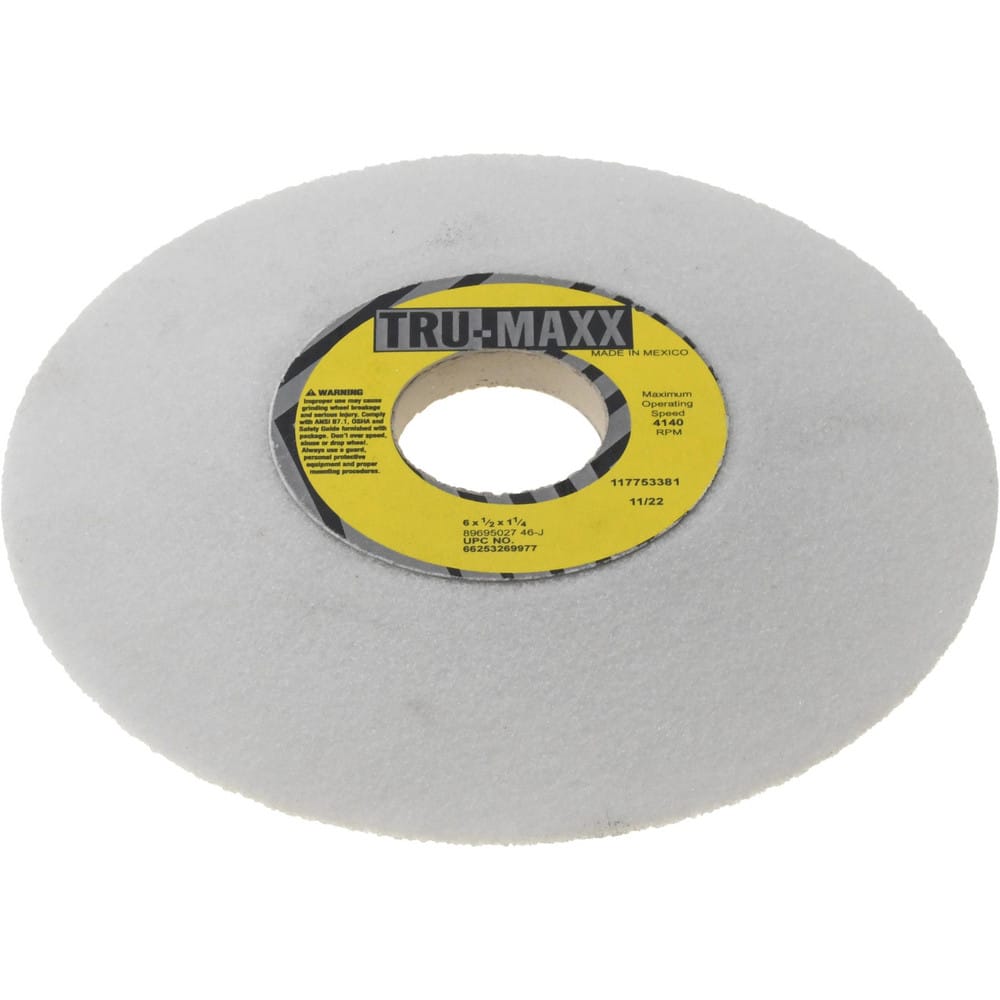
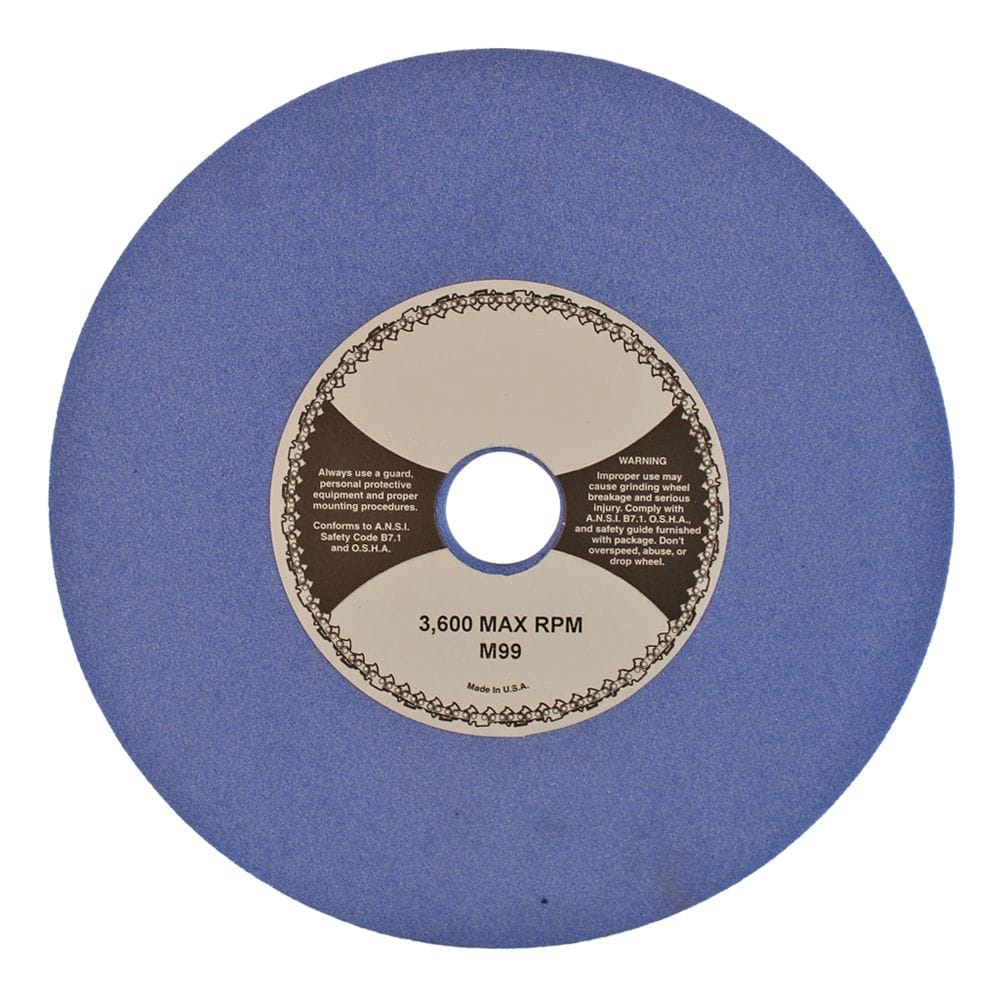
RPM stands for revolutions per minute. It tells you how many times the wheel spins around in one minute. Every grinding wheel comes with a maximum safe rpm, usually printed on its label or packaging.
Key Definitions
- Maximum Operating Speed: The highest rpm the wheel can safely handle.
- Machine Spindle Speed: The rpm at which your grinder’s shaft turns.
- Wheel Diameter: Larger wheels must spin more slowly than small wheels to stay safe.
Matching the machine speed to the wheel’s maximum rpm is the foundation of safe grinding.
How To Find The Maximum Rpm For Your Grinding Wheel
Before you start, always look for the maximum rpm printed on the wheel. Sometimes, it’s listed as surface speed (meters per second or feet per minute). To convert between surface speed and rpm, you need the wheel’s diameter.
Here’s a quick reference:
| Wheel Diameter | Max RPM (Typical) | Surface Speed (m/s) |
|---|---|---|
| 100 mm (4 in) | 15,300 | 80 |
| 150 mm (6 in) | 10,200 | 80 |
| 200 mm (8 in) | 7,650 | 80 |
| 250 mm (10 in) | 6,150 | 80 |
This table shows how larger wheels require lower rpm to stay safe. Always check your specific wheel’s label, as brands and types may differ.
Calculating Safe Wheel Speed
If your wheel lists the surface speed (for example, 80 m/s), use this formula to find the safe rpm:
Rpm = (surface Speed X 60) / (π X Diameter)
For example, a 150 mm (0.15 m) wheel rated for 80 m/s:
RPM = (80 x 60) / (3. 14 x 0. 15) ≈ 10,200
Many people overlook this step and run wheels too fast, especially when swapping between machines of different sizes.
Common Mistakes That Lead To Rpm Accidents
Grinding wheel accidents often happen because of a few common errors:
- Using the wrong wheel: Installing a small wheel on a large, high-speed grinder can be dangerous.
- Ignoring the label: Not checking the wheel’s rpm rating is a major cause of failures.
- Worn or damaged wheels: Even a correctly rated wheel can fail if it’s cracked or chipped.
- Bypassing guards and safety shields: These are designed to contain fragments if a wheel breaks.
People sometimes think “faster is better,” but with grinding wheels, speed can kill. Always use the right wheel for the job and double-check the rpm.
Matching The Grinder To The Wheel
Your grinder’s spindle speed must never be higher than the wheel’s maximum rpm. Here’s a comparison of popular grinder types:
| Grinder Type | Typical Spindle Speed (rpm) | Common Wheel Sizes |
|---|---|---|
| Bench Grinder | 3,450 | 6-8 in (150-200 mm) |
| Angle Grinder | 9,000–12,000 | 4-5 in (100-125 mm) |
| Surface Grinder | 1,500–3,000 | 6-12 in (150-300 mm) |
Notice that angle grinders run much faster than bench grinders. If you put a large bench wheel on an angle grinder, it could shatter immediately.
Steps For Safe Grinding Wheel Rpm Use
- Check the Wheel Label: Look for the maximum rpm before mounting.
- Inspect for Damage: Never use a wheel with cracks, chips, or visible wear.
- Confirm Machine Speed: Use a tachometer or check the nameplate for your grinder’s rpm.
- Fit the Correct Size: Match the wheel’s diameter to the grinder’s design.
- Use Safety Guards: Never remove or bypass the guard.
- Spin Test: Run the wheel at operating speed for 1 minute in a protected area before grinding.
- Wear PPE: Always use eye protection, gloves, and a dust mask if needed.
- Stay Within Limits: Never exceed the wheel’s rated rpm—even for a quick job.
Many accidents happen because users skip steps, thinking “it’ll be fine this time.” Don’t rush—safety steps save lives.
Special Considerations For Different Wheel Types
Grinding wheels come in many materials and designs. Each type has its own rpm limits.
Bonded Abrasive Wheels
These are the most common wheels, used for general metal grinding. They have a clear maximum rpm. If you change the shape by dressing (reshaping) the wheel, the maximum rpm may change—always check after reshaping.
Diamond And Cbn Wheels
These wheels are often used for fine grinding and can have higher surface speeds. However, their bond material (what holds the grains together) can be more sensitive to heat and speed. Never assume a diamond wheel can run at the same rpm as a bonded abrasive one of the same size.
Cutoff And Thin Wheels
Thin wheels (like those used for cutting metal rods) are more fragile. They often have lower rpm ratings than grinding wheels of the same diameter. Always use the rating for the specific wheel, not just the size.
How Wheel Wear Affects Rpm Safety
As a wheel wears down, its diameter decreases. This means you can run it at a slightly higher rpm for the same surface speed—but don’t change your grinder’s speed. Most machines are fixed-speed, and adjusting rpm on the fly is risky. Instead, just be aware that a smaller wheel is less likely to fail at a given rpm, but still follow the original max rating unless the manufacturer says otherwise.
Surprisingly, some beginners think a small, worn-down wheel can be run at any speed. This is not true. Always use the original rating unless you have manufacturer data.
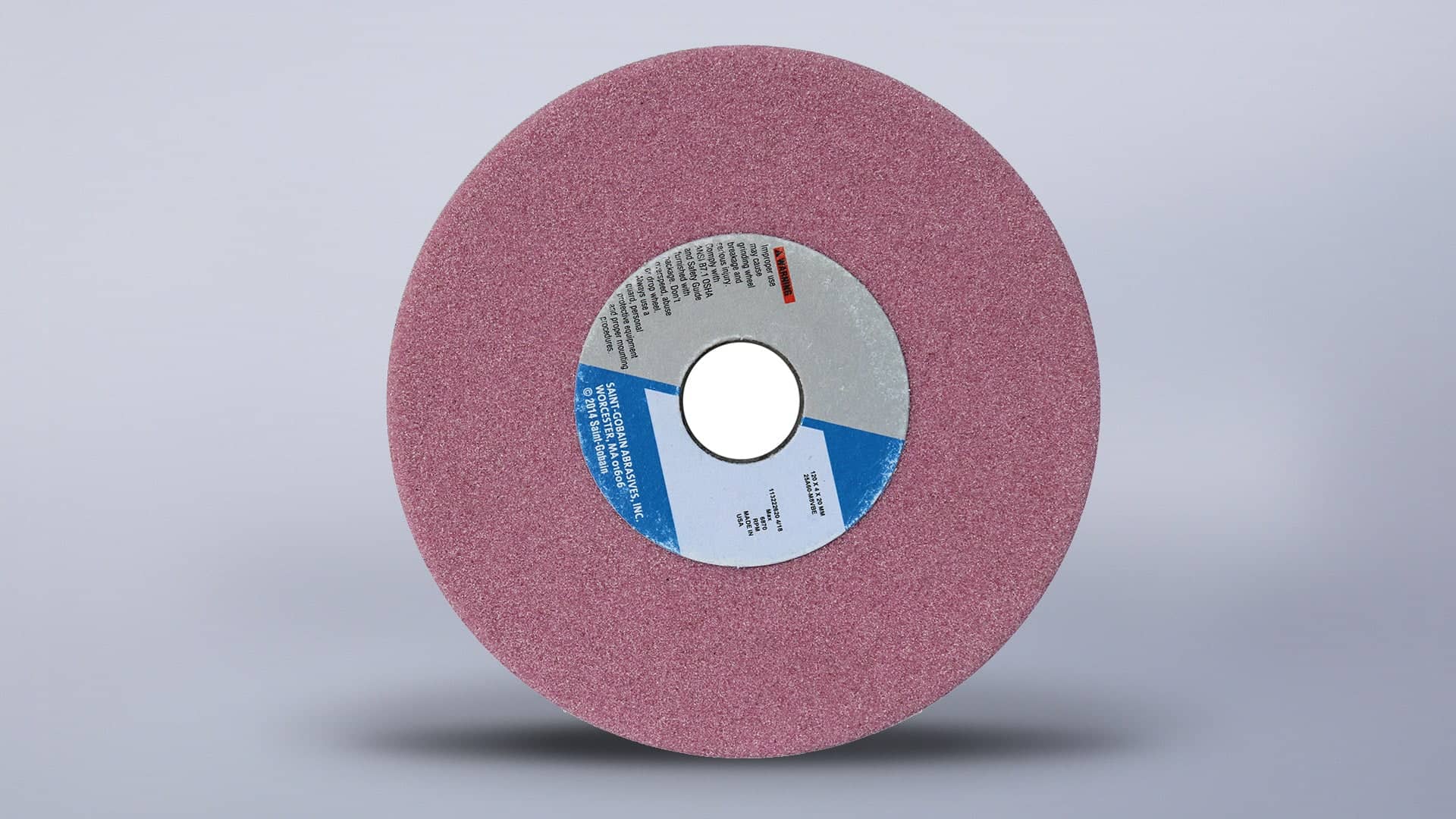
How To Read Grinding Wheel Labels
Grinding wheel labels often contain a lot of information. Here’s what to look for:
- Max RPM: The highest safe speed.
- Size: Diameter and thickness.
- Type: For grinding, cutting, etc.
- Bond Material: Vitrified, resin, etc.
- Expiry Date: Yes, wheels can expire—especially resin-bonded types.
If any label information is missing or unreadable, don’t use the wheel. This is a simple but often ignored safety rule.
Credit: norwoodsawmills.com
Real-world Example: Bench Grinder Incident
A worker installed a 7-inch wheel on a bench grinder rated for 3,600 rpm. He assumed it was safe because the wheel fit. However, the wheel’s max rating was 3,000 rpm. Within seconds of starting, the wheel shattered. Pieces flew across the room, breaking a window and narrowly missing another worker.
This incident highlights two beginner mistakes:
- Not checking the max rpm
- Assuming all wheels of the same size are equal
Always verify both the machine and the wheel before use.
Comparing Wheel Rpm Ratings By Material
Different wheel materials have different safe speed limits. Here’s a quick comparison:
| Wheel Material | Max Surface Speed (m/s) | Typical Applications |
|---|---|---|
| Vitrified Bond | 63–80 | General grinding |
| Resin Bond | 50–63 | Cutoff, polishing |
| Rubber Bond | 45–50 | Fine finishing |
| Diamond/CBN | 20–50 | Precision grinding |
Never guess the safe speed based on appearance—material matters as much as size.
Non-obvious Insights For Grinding Wheel Rpm Safety
Many beginners focus only on numbers, but rpm safety is also about inspection and maintenance. Wheels stored in damp areas can absorb moisture and weaken, even if they look fine. Always store wheels in a dry place and check for soft spots or unusual sounds when tapped (the “ring test”).
Another overlooked area is the effect of adapter flanges—these are the metal parts that hold the wheel on the spindle. If these are too small or not flat, they can put uneven pressure on the wheel and cause breakage, even at safe rpm. Always use the correct flanges for the wheel size.
What To Do If You’re Unsure About Wheel Rpm
If you don’t know the wheel’s maximum rpm or can’t find clear data:
- Don’t use the wheel. It’s not worth the risk.
- Consult the manufacturer’s catalog or website for specifications.
- Ask a supervisor or experienced user for help.
- Look up general safety guidelines from organizations like the Occupational Safety and Health Administration (OSHA).
For further reading, you can check the Wikipedia grinding wheel page for more technical details.
Credit: www.mscdirect.com
Best Practices For Ongoing Rpm Safety
- Keep a log of wheel types and their max rpm in your workshop.
- Train all users on rpm safety and how to read wheel labels.
- Replace wheels at or before their expiry date.
- Check the machine speed regularly, especially after repairs or changes.
- Encourage a “no shortcuts” culture—never bypass safety checks.
Frequently Asked Questions
What Happens If I Exceed The Grinding Wheel’s Max Rpm?
The wheel can break apart violently, sending sharp pieces flying. This can cause serious injury, blindness, or death. Always stay within the listed maximum rpm.
How Do I Check My Grinder’s Rpm?
Most grinders have a label or plate showing the spindle speed. You can also use a handheld tachometer to measure the actual speed.
Can A Worn-down Wheel Be Used At Higher Rpm?
No. Even though the surface speed drops as the wheel gets smaller, you should never exceed the original rpm rating unless the manufacturer specifically allows it.
Do All Wheels Have The Same Rpm Rating?
No. Ratings depend on wheel size, material, type, and bond. Always check the label or the manufacturer’s data for each wheel.
Is It Safe To Use An Old Or Expired Grinding Wheel?
No. Wheels can become weak over time, especially resin-bonded ones. Expired wheels are more likely to break, even at safe rpm.
Grinding wheel rpm safety is about more than just numbers—it’s a habit of careful checking and respect for the tools you use. By understanding and following these guidelines, you protect yourself and those around you while getting the best results from your grinder.
Credit: www.baileysonline.com
