
A cat’s paw nail puller is a simple but powerful hand tool that has saved the day for woodworkers, carpenters, and DIY homeowners for over a century. Its unique shape, strength, and versatility make it the go-to tool when you need to remove stubborn nails from wood, flooring, or demolition projects. But while the cat’s paw seems straightforward, knowing how to choose, use, and care for one can save you time, prevent damage, and even protect your hands.
This guide will walk you through everything you need to know about the cat’s paw nail puller—from its design and uses, to expert tips and key mistakes to avoid. Whether you’re a beginner or want to get more out of your toolbox, you’ll find practical advice and little-known insights to make your next nail-pulling job easier and safer.
What Is A Cat’s Paw Nail Puller?
The cat’s paw is a hand tool designed for pulling nails out of wood, especially when the nail heads are buried or hard to grip. It gets its name from the curved, claw-like ends that resemble a cat’s paw.
A typical cat’s paw is:
- Made from hardened steel for strength
- 8 to 12 inches long
- Double-ended, with each end shaped like a small, curved fork
- Painted or coated to resist rust
The tool works by driving one claw under the nail head with a hammer, then prying the nail out using leverage.
Key Features Of Cat’s Paw Nail Pullers
Choosing the right cat’s paw means looking at its construction, comfort, and size. Here’s what matters most:
| Feature | Why It Matters |
|---|---|
| Material | High-carbon or forged steel lasts longer and won’t bend under pressure. |
| Length | Longer tools (10–12″) give more leverage but may not fit in tight spaces. |
| Claw Size | Narrow claws fit small nails and tight spots; wider claws are for big nails. |
| Handle Shape | Some have ergonomic or cushioned handles for better grip and comfort. |
| Finish | Rust-resistant coating helps the tool last longer, especially in damp areas. |
Non-obvious Insights
Many beginners overlook the importance of claw sharpness—a sharper claw slips under nail heads more easily, causing less wood damage. Another detail: a straight cat’s paw works better for flush nails, while an angled head helps in awkward corners.
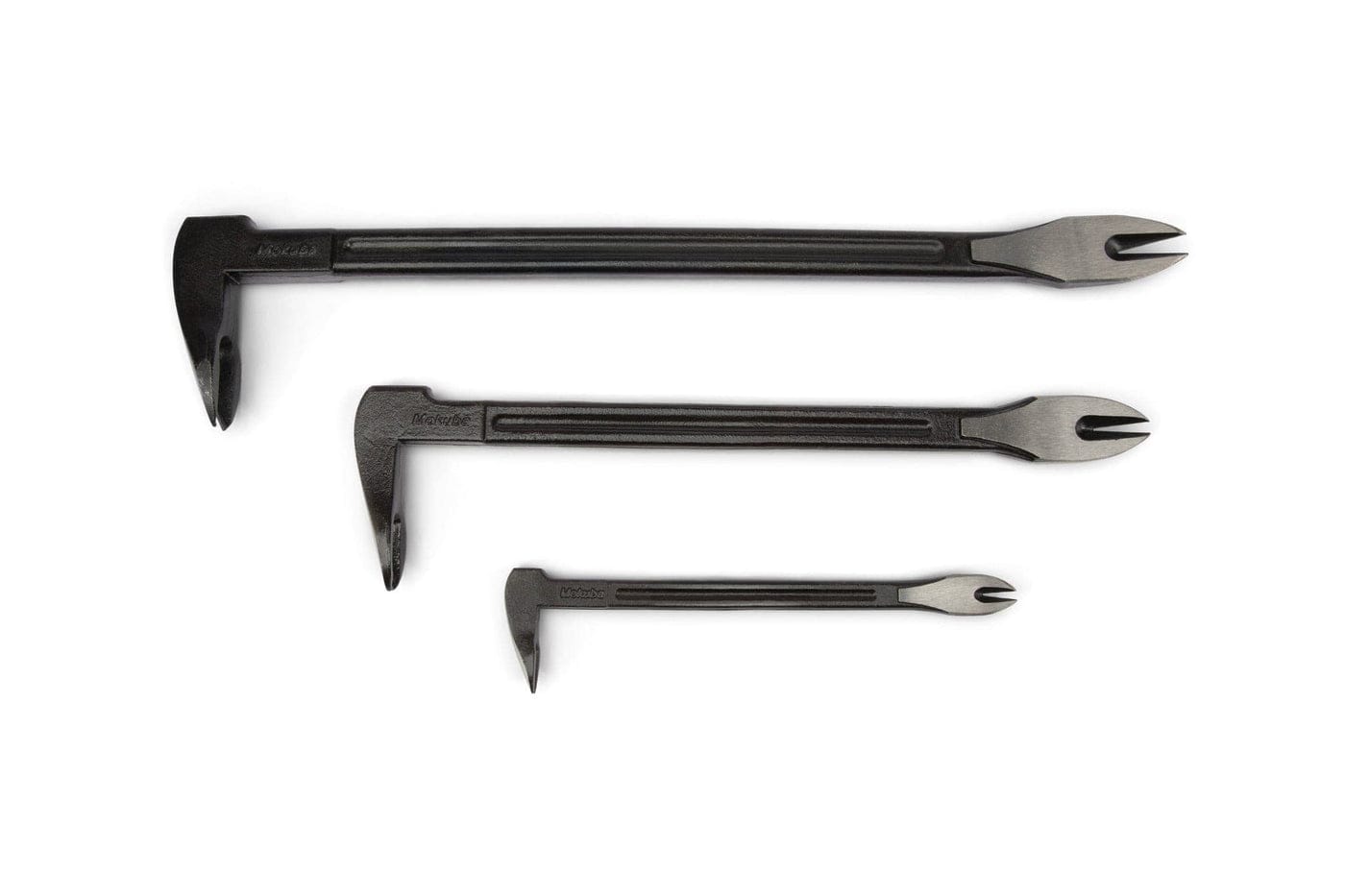
Credit: www.sheltertools.com
Common Types Of Cat’s Paw Nail Pullers
The classic design remains popular, but there are several variations. Knowing the differences can help you choose the right one for each job.
- Standard Cat’s Paw: The most common, with two curved, pointed claws at each end.
- Flat Pry Bar Cat’s Paw: Combines a flat bar with a cat’s paw, offering both prying and nail-pulling.
- Mini Cat’s Paw: Shorter (4–6 inches), ideal for delicate jobs or tight spaces.
- Double-Ended Cat’s Paw: Features two different claw sizes for versatility.
- Ergonomic Cat’s Paw: Includes a cushioned or shaped handle for comfort during heavy use.
Each type has its own strengths. For example, a mini cat’s paw won’t give you as much leverage, but it can reach nails between floorboards or in corners.
When And Why To Use A Cat’s Paw Nail Puller
You might wonder why not just use the claw on your hammer. The answer is in the details—cat’s paws are built for tough jobs that other tools can’t handle.
Best situations for a cat’s paw:
- Removing bent or sunken nails
- Pulling nails from hardwood or old timber
- Demolition work, like tearing up old flooring or framing
- Salvaging wood without major damage
Advantages over other tools:
- More leverage: The curved design multiplies your pulling force.
- Precision: The narrow claws can get under nail heads even when flush with the surface.
- Versatility: Works on nails that are otherwise impossible to grip.
Credit: www.sigtools.co.nz
How To Use A Cat’s Paw Nail Puller
Using a cat’s paw is straightforward, but doing it well—and safely—takes a bit of technique. Here’s a practical, step-by-step guide:
- Locate the Nail Head
- If the head is buried, gently tap around the area to find it. A metal detector can help for hidden nails.
- Position the Cat’s Paw
- Place the claw over the nail head. Choose the end that best fits the nail size and workspace.
- Drive the Claw Under the Nail
- Use a hammer to tap the back of the cat’s paw, driving the claw under the nail head. Go slowly to avoid damaging the wood.
- Pull the Nail Out
- Once the claw is under the head, push down on the handle. The curved shape gives you extra leverage to pull the nail out.
- Remove Stubborn Nails
- For tough nails, work the claw from both sides or switch to the other end for a better angle.
- Finish and Clean Up
- If the nail breaks, use pliers or a locking wrench to twist out the rest. Fill any holes left with wood filler if needed.
Practical Example
Imagine you’re removing old hardwood flooring. The nails are rusty and some are deeply sunken. A regular hammer claw slips off, but with a cat’s paw, you tap under the head and pry each nail out without cracking the wood.
Tips For Reducing Wood Damage
A common worry is that a cat’s paw will gouge or split the wood. Here’s how to avoid that:
- Use a thin shim or scrap wood under the cat’s paw as you pry, spreading the force and protecting the surface.
- Work slowly and avoid using excessive force. If the nail resists, tap from the other side or wiggle gently.
- Sharpen the claws occasionally to keep them efficient and less damaging.
Comparing Cat’s Paw Vs. Other Nail Pullers
Many people ask: why not use a claw hammer or a nail puller pliers? Here’s a quick comparison for clarity.
| Tool | Best For | Weaknesses |
|---|---|---|
| Cat’s Paw | Sunken, bent, or stubborn nails; demolition | Can damage wood if not careful; needs a hammer to drive in |
| Claw Hammer | Loose nails with exposed heads | Not effective for sunken or small nails |
| Nail Puller Pliers | Finishing nails, delicate trim | Limited leverage; not for big jobs |
What To Look For When Buying A Cat’s Paw Nail Puller
Selecting the right cat’s paw can make your work faster and less frustrating. Consider these points before you buy:
- Size and Length: 8-10 inches is best for most jobs; shorter for tight spaces, longer for extra leverage.
- Material Quality: Forged steel is stronger and lasts longer.
- Claw Design: Sharp, narrow claws are more versatile, but may dull faster.
- Handle Comfort: If you’ll use it often, a cushioned handle helps prevent blisters.
- Brand Reputation: Well-known brands often offer better steel and quality control.
Common Mistake: Many beginners buy the cheapest tool, but lower-quality steel bends easily. Invest a bit more for durability.
Maintaining Your Cat’s Paw Nail Puller
A good cat’s paw can last decades with basic care:
- Clean after use: Wipe away dirt, sawdust, and any moisture.
- Oil lightly: A thin coat of machine oil prevents rust, especially if you store it in a damp place.
- Sharpen claws: Use a file to keep the tips sharp.
- Inspect for bends or cracks: Replace if the tool is damaged; bent tools are dangerous.
Pro tip: Store your cat’s paw in a toolbox or hang it up to avoid chipping the claws.
Advanced Tips And Lesser-known Uses
Most people only think of the cat’s paw for pulling nails, but it’s more versatile:
- Remove staples: The narrow claws can lift stubborn staples from wood or upholstery.
- Start demolition: Use the tool to pry apart small boards or molding without breaking them.
- Lift carpet tacks: For flooring jobs, the cat’s paw is ideal for popping up carpet strips.
One expert trick: if you need to save the wood, wrap the cat’s paw with a rag or tape before prying. This cushions the surface and reduces marks.
Cat’s Paw Nail Puller Safety Tips
While simple, the cat’s paw can cause injury if not used correctly.
- Wear safety glasses: Flying nails or chips are common.
- Watch your hands: Keep fingers away from the path of the hammer and tool.
- Use gloves: Protects from blisters and sharp nails.
- Check surroundings: Make sure pets or children are clear of your work area.
Cat’s Paw Nail Puller: Real-world Applications
Let’s look at some scenarios where a cat’s paw is the hero:
- Home renovation: Pulling old nails from baseboards or framing when replacing walls.
- Furniture repair: Removing deeply driven tacks or nails without ruining antique wood.
- Deck maintenance: Extracting rusty nails from outdoor structures before repairs.
A study by the National Association of Home Builders found that using specialized demolition tools like the cat’s paw reduced wood waste by up to 30% during remodeling projects.
For further reading, see this Wikipedia article on cat’s paw tools.
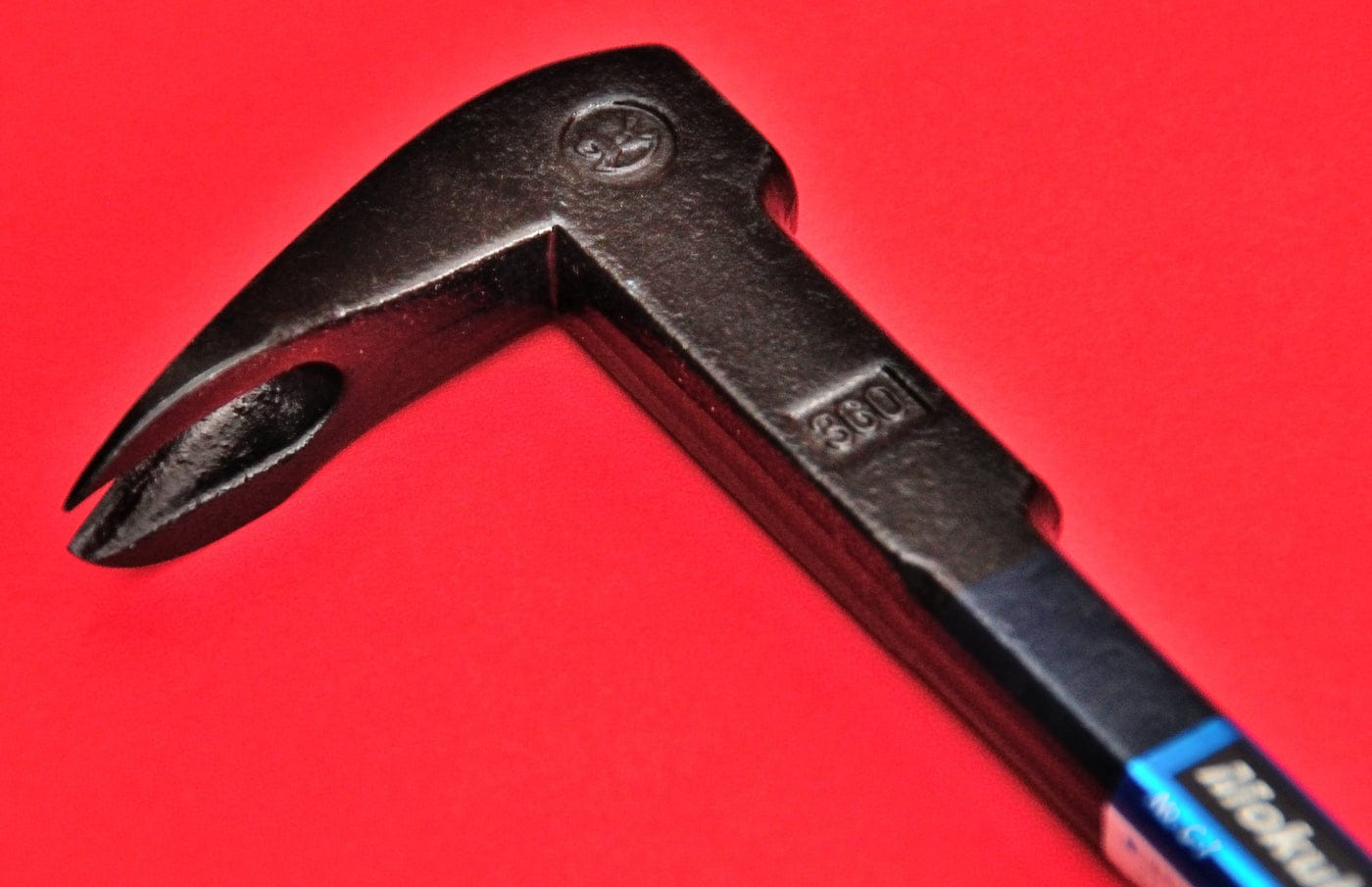
Credit: osakatools.com
Frequently Asked Questions
What Size Cat’s Paw Should I Buy For Home Use?
Most homeowners find that a 10-inch cat’s paw offers the best balance of leverage and control. It’s long enough for tough nails, but still easy to handle in tight spots.
Can A Cat’s Paw Remove Screws Or Just Nails?
A cat’s paw is designed for nails. It can sometimes pry out screws if the head is exposed, but for best results with screws, use a screwdriver or a screw extractor tool.
How Do I Sharpen The Claws Of A Cat’s Paw?
Use a metal file to gently sharpen the inside edges of each claw. Don’t over-sharpen—just restore the edge so it slips under nail heads easily.
Will A Cat’s Paw Damage Hardwood Floors?
If used carefully and with a protective shim under the tool, damage is minimal. However, aggressive prying can leave marks. Always work slowly and cushion the surface.
What’s The Difference Between A Cat’s Paw And A Pry Bar?
A cat’s paw is specialized for nail pulling, especially for sunken or bent nails. A pry bar is flat and better for lifting boards or prying apart materials. Some tools combine both features for versatility.
A well-chosen and well-used cat’s paw nail puller can make tough jobs much easier and help you salvage materials with less damage. With the right techniques and a bit of care, this simple tool will serve you for years—whether you’re renovating your home, building furniture, or just tackling odd jobs around the house.
