
Copper Vs Pex Pipe Guide
Choosing between copper and PEX pipe can be confusing if you’re planning plumbing for a new home, a remodel, or just need to replace some pipes. Both materials are popular, but they’re very different in cost, installation, performance, and long-term reliability. Some plumbers strongly prefer one, while others recommend a mix of both. So, which is right for you? In this guide, you’ll learn how copper and PEX really compare, with clear facts, practical advice, and answers to common questions.
What Are Copper And Pex Pipes?
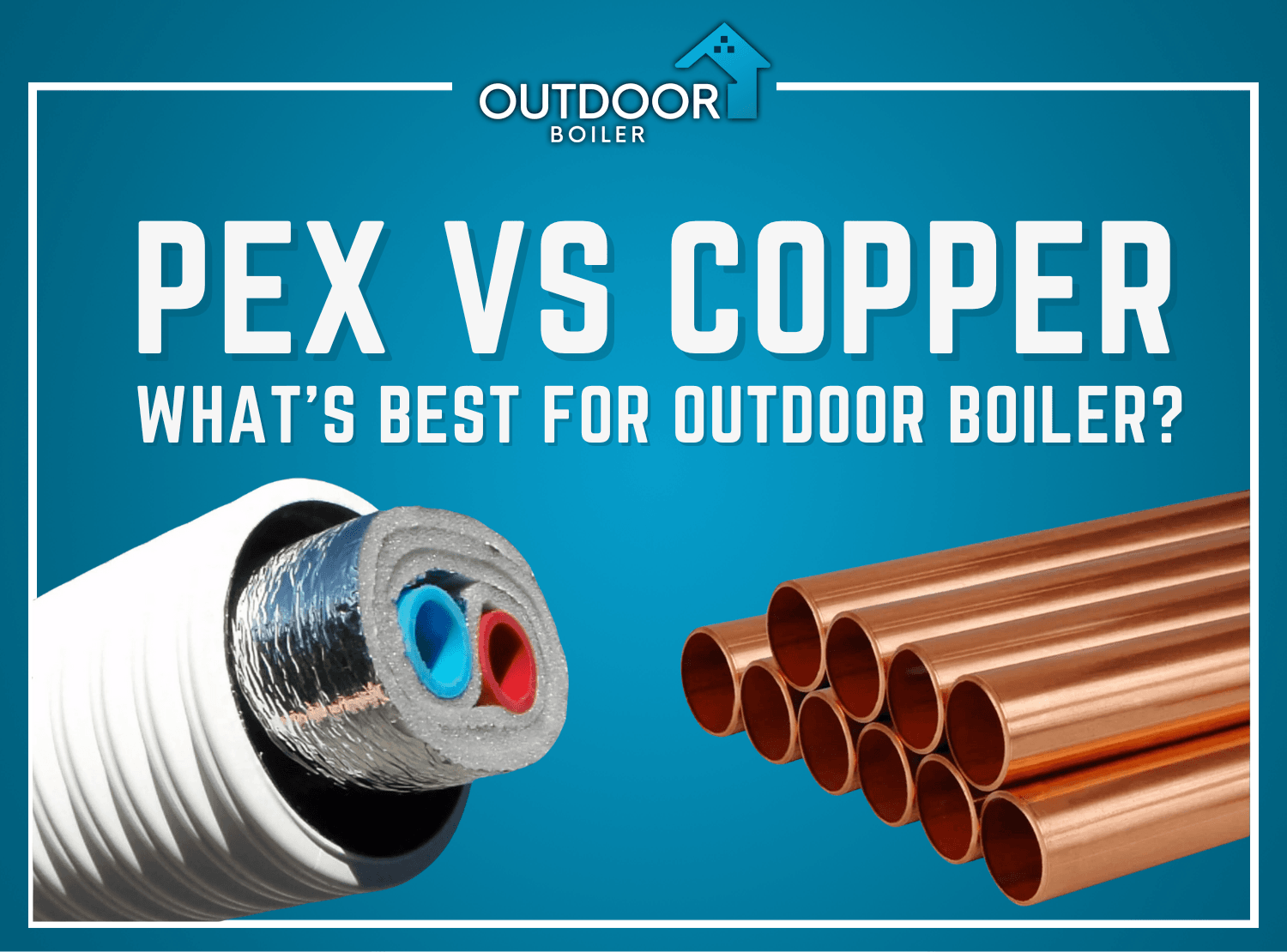
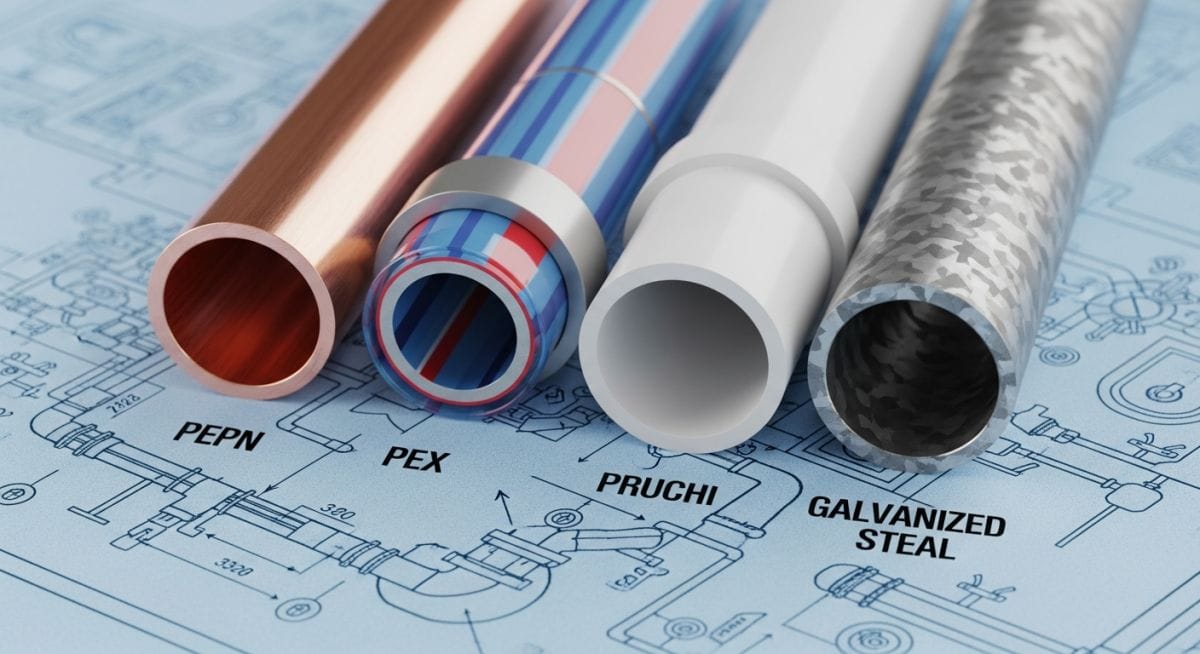
Copper pipe has been used in homes for over 80 years. It’s made from pure copper and is known for its strength, heat tolerance, and resistance to bacteria. You’ll find copper in many older homes, but it’s still used in new construction today. There are two main types: Type L (thicker, for most home use) and Type M (thinner, for indoor water lines).
PEX pipe (cross-linked polyethylene) is a flexible plastic tubing. It first appeared in North America in the 1980s and has quickly become popular because it’s lightweight, easy to install, and resists freezing. PEX comes in red (hot water), blue (cold water), and white (either).
How Do Copper And Pex Compare? Key Factors
Let’s look at the main differences that matter for homeowners and builders.
Cost
Copper is much more expensive than PEX, both for materials and installation.
| Factor | Copper Pipe | PEX Pipe |
|---|---|---|
| Material cost (per foot) | $2.50 – $3.50 | $0.50 – $1.50 |
| Labor cost (per hour) | $70 – $140 | $50 – $100 |
| Fittings/tools | Expensive | Cheaper |
PEX can lower your total project cost by up to 60% compared to copper, mainly because it’s faster to install and the materials are cheaper. If you’re on a tight budget, PEX is the clear winner.
Installation
Copper requires soldering with a torch, measuring, and careful handling. You need skill and training to avoid leaks or fire risks. Bending copper is hard—it usually needs elbow fittings for turns.
PEX is flexible. You can bend it around corners, weave it through walls, and cut it with a simple tool. It connects with push-fit, clamp, or crimp fittings—no flame needed. Even DIY homeowners can often handle PEX with some basic guidance.
But here’s something beginners miss: PEX can’t be exposed to sunlight for long periods. Ultraviolet (UV) rays make it brittle, so it’s not suitable for outdoor use unless protected.
Durability And Lifespan
Copper is famous for its long life. Properly installed copper can last 50–70 years or even longer. It resists most bacteria and won’t melt in a fire.
PEX typically lasts 40–50 years according to lab tests. While that’s less than copper, it’s still more than enough for most homes. However, PEX is more sensitive to very high heat and can be damaged by rodents if left exposed.
Water Quality And Taste
Copper is naturally antimicrobial, which means it helps stop bacteria growth inside pipes. But copper can sometimes react with acidic water, leading to a metallic taste or green stains.
PEX does not affect taste, but some people notice a “plastic” smell in water from new PEX pipes. This usually disappears after a few months. One thing to watch: PEX can let tiny amounts of chemicals (like BPA or MTBE) move from the pipe into the water, especially if hot water sits in the pipes for a long time. These amounts are very low and generally considered safe in the U.S., but it’s still a difference compared to copper.
Corrosion And Chemical Resistance
Copper can corrode over time, especially if your water is acidic or has a lot of minerals. Signs of corrosion include pinhole leaks, blue-green stains, or reduced water pressure. In some cities, old copper pipes have become a big repair issue for this reason.
PEX is not affected by acidic water or most household chemicals. It won’t rust or scale. But it can be damaged if exposed to oil-based products, rodents, or sunlight.
Freezing And Bursting
If water inside pipes freezes, copper is more likely to burst and cause major leaks. PEX, being flexible, can expand and contract with freezing water, so it’s much less likely to burst. This makes PEX a good choice in cold climates or for vacation homes.
Noise
Copper pipes can “bang” or make a knocking noise (water hammer) when water flow stops suddenly. PEX is much quieter because it absorbs vibrations and doesn’t create loud noises.
Environmental Impact
Copper is a natural material and can be fully recycled at the end of its life. However, mining and producing copper pipes uses a lot of energy and has some environmental cost.
PEX is made from petroleum, and recycling is more difficult. While it can be melted down, there are fewer recycling programs for PEX, so most ends up in landfills.
Where Each Type Works Best
Some situations call for copper, others for PEX, and sometimes a mix is ideal.
When To Choose Copper
- High heat areas—Near water heaters or boilers, copper handles heat better.
- Outdoor plumbing—Copper won’t degrade in sunlight.
- Historic homes—If you want to match existing copper or meet building codes.
- Water quality concerns—Copper is better if you want to avoid any possible chemical leaching.
When To Choose Pex
- Remodels and tight spaces—PEX snakes through walls and floors easily.
- Cold climates—Less risk of burst pipes in winter.
- Quick repairs—PEX is fast to install, even by DIYers.
- Budget projects—Lower material and labor costs.
Not-so-obvious Insight: Hybrid Systems
Many modern plumbers use both copper and PEX in the same house. For example, copper near the water heater, then PEX for the rest of the home. This approach combines the strengths of each material and often meets local codes.
Comparing Performance: Quick Reference
Here’s a side-by-side look at key features.
| Feature | Copper | PEX |
|---|---|---|
| Flexibility | Rigid, needs fittings | Flexible, bends easily |
| Corrosion Risk | Yes, with certain water | No |
| Fire Resistance | Excellent | Poor |
| UV Tolerance | Excellent | Poor |
| Rodent Resistance | Excellent | Can be chewed |
| Noise Level | Louder | Quieter |
Common Mistakes When Choosing Pipe Material
Many homeowners focus only on cost or what their plumber suggests. But here are two mistakes people often miss:
- Ignoring Local Building Codes
- Some cities require copper for certain uses (like fire sprinkler lines or near water heaters). Always check with your local building department before buying materials.
- Not Considering Water Chemistry
- If your water is acidic or has lots of minerals, copper may corrode quickly. Testing your water before choosing a pipe can save money and trouble later.
Health And Safety Concerns
There are debates about whether copper or PEX is “safer” for drinking water.
- Copper: In old pipes, corroded copper can release small amounts of copper into water. High levels can cause health issues, but this is rare in well-maintained, newer pipes.
- PEX: Some studies found trace chemicals like MTBE or BPA can enter water, especially in the first few months. However, all PEX sold in the U.S. must meet strict safety standards. For most people, the health risk is very low. If you’re concerned, let water run for a minute in the morning before drinking.
For more on drinking water safety, check the EPA’s official guidelines.
Credit: outdoorboiler.com
Repair And Maintenance
Copper is sturdy, but repairs can be tricky. Soldering a leak often requires draining the line, cleaning, and careful torch work. Many DIYers find this intimidating.
PEX repairs are simpler. If a section is damaged, you just cut out the bad part and install a new piece with crimp or push-fit connectors. No flame, no special skills.
One practical tip: Always keep a few extra PEX fittings on hand. They’re cheap and make emergency repairs much faster.
Future-proofing And Resale Value
Some buyers prefer copper, viewing it as “higher quality. ” Others like the modern efficiency of PEX. In most regions, having either system in good condition won’t hurt your home’s resale value, but using both smartly can be a plus.
If you plan to stay in your home for decades, copper might pay off with fewer surprises. If you expect to remodel or move within 10–20 years, PEX can save money now and is easy to change later.

Credit: blog.supplyhouse.com
How To Decide: A Simple Process
- Check local codes and rules. Some places limit PEX or require copper for special uses.
- Test your water. If it’s very acidic, avoid copper.
- Consider your budget. If money is tight, PEX wins.
- Think about climate. For cold areas, PEX is safer.
- Plan for the future. Will you remodel soon? PEX is easier to change.
- Talk to your plumber. A good pro will know what works best in your area, but don’t be afraid to ask questions.
Frequently Asked Questions
Is Pex Pipe Safe For Drinking Water?
Yes, PEX meets U. S. and European safety standards for drinking water. Some people notice a slight taste at first, but it fades. If you’re very sensitive, let the water run for a few seconds before drinking.
Can I Connect Pex To Existing Copper Pipes?
Absolutely. There are special fittings called “push-fit” or “transition” couplings that connect copper and PEX safely. These are easy to install and reliable when used correctly.
Which Pipe Lasts Longer, Copper Or Pex?
Copper generally lasts longer—up to 70 years or more. PEX usually lasts about 40–50 years. Both are long enough for most homes, but copper can outlast PEX if the water is not too acidic.
Does Pex Reduce Water Pressure?
No, PEX does not reduce water pressure by itself. In fact, PEX’s smooth interior helps water flow easily. Water pressure problems are usually caused by pipe size, blockages, or poor installation—not the pipe material.
Are Rodents A Problem With Pex Pipe?
Rodents can sometimes chew through exposed PEX, especially in attics or crawl spaces. Copper is not at risk. If you use PEX, protect pipes in areas where animals might reach them.
Choosing between copper and PEX is not always simple, but with these facts, you can make a confident choice. Both have strengths and weaknesses, and the best system often uses a mix of both. Always check your local rules and talk with a trusted plumber to find the right fit for your home.
Credit: epcland.com