
Welding is a skill that depends on small details. One of the most important details is understanding your welding wire spool. If you pick the wrong wire or set your machine incorrectly, your welds may be weak, full of defects, or fail safety checks. Yet, many beginners—and even some with experience—struggle to read all the information on a welding wire spool label. Knowing how to read this label saves money, time, and can even prevent accidents. Let’s break down what you’ll find, what really matters, and how to use this information correctly.
Why Reading A Welding Wire Spool Matters
Each spool isn’t just a roll of wire—it’s a technical product with unique properties. The label tells you about the wire type, size, chemical composition, and even the recommended welding gas. Using the wrong wire can cause poor weld quality, machine problems, or safety risks. For example, a spool meant for mild steel cannot be used for stainless steel projects. Also, the wrong diameter can jam your feeder or cause burn-through.
Two non-obvious insights most beginners miss:
- The spool’s batch or heat number can help you trace manufacturing defects or quality issues if something goes wrong.
- The storage instructions are important—wires can absorb moisture, and using rusty or damp wire can ruin your welds.
Common Information Found On Welding Wire Spool Labels
Labels are packed with data. Here’s what you’ll usually see:
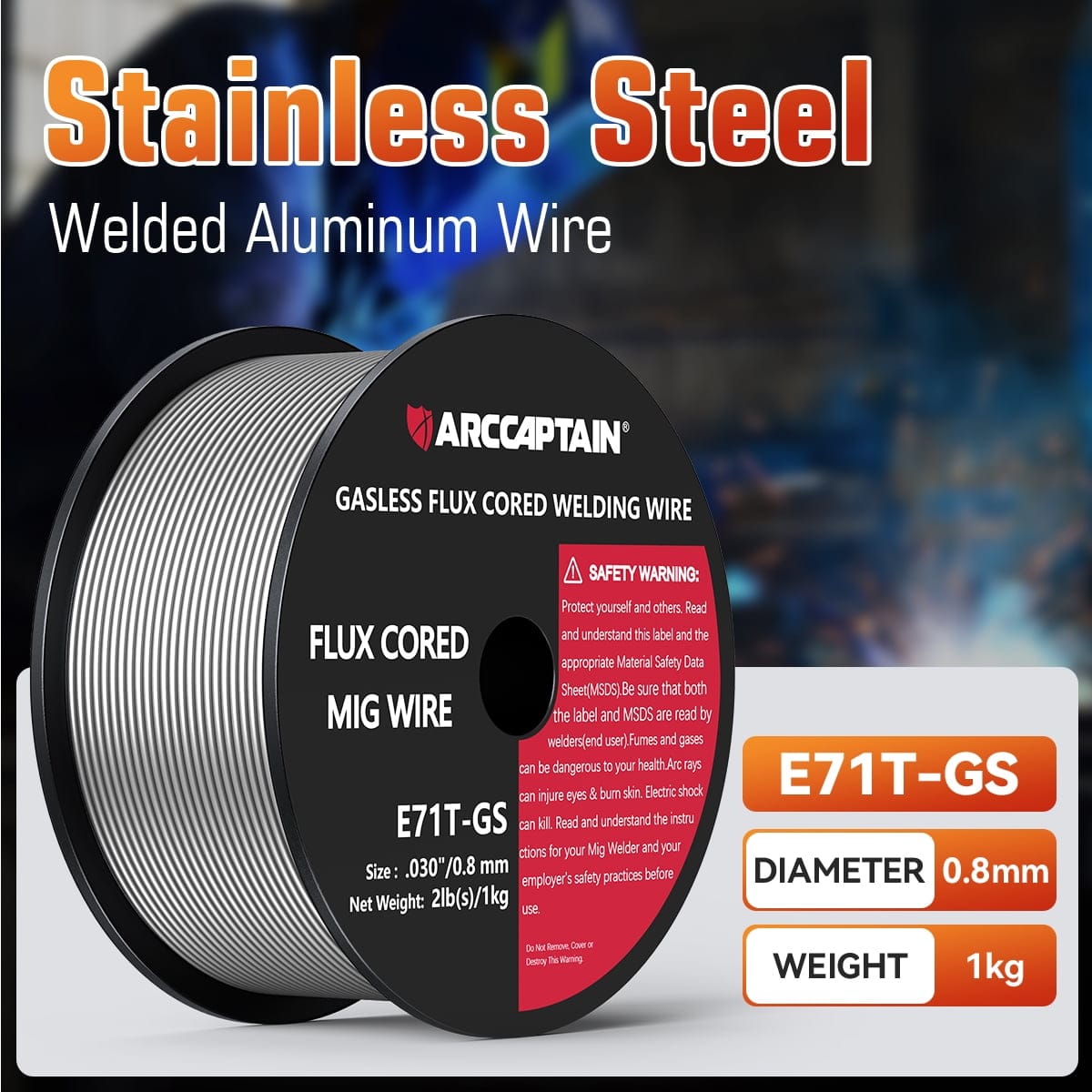
- Wire classification (e.g., ER70S-6)
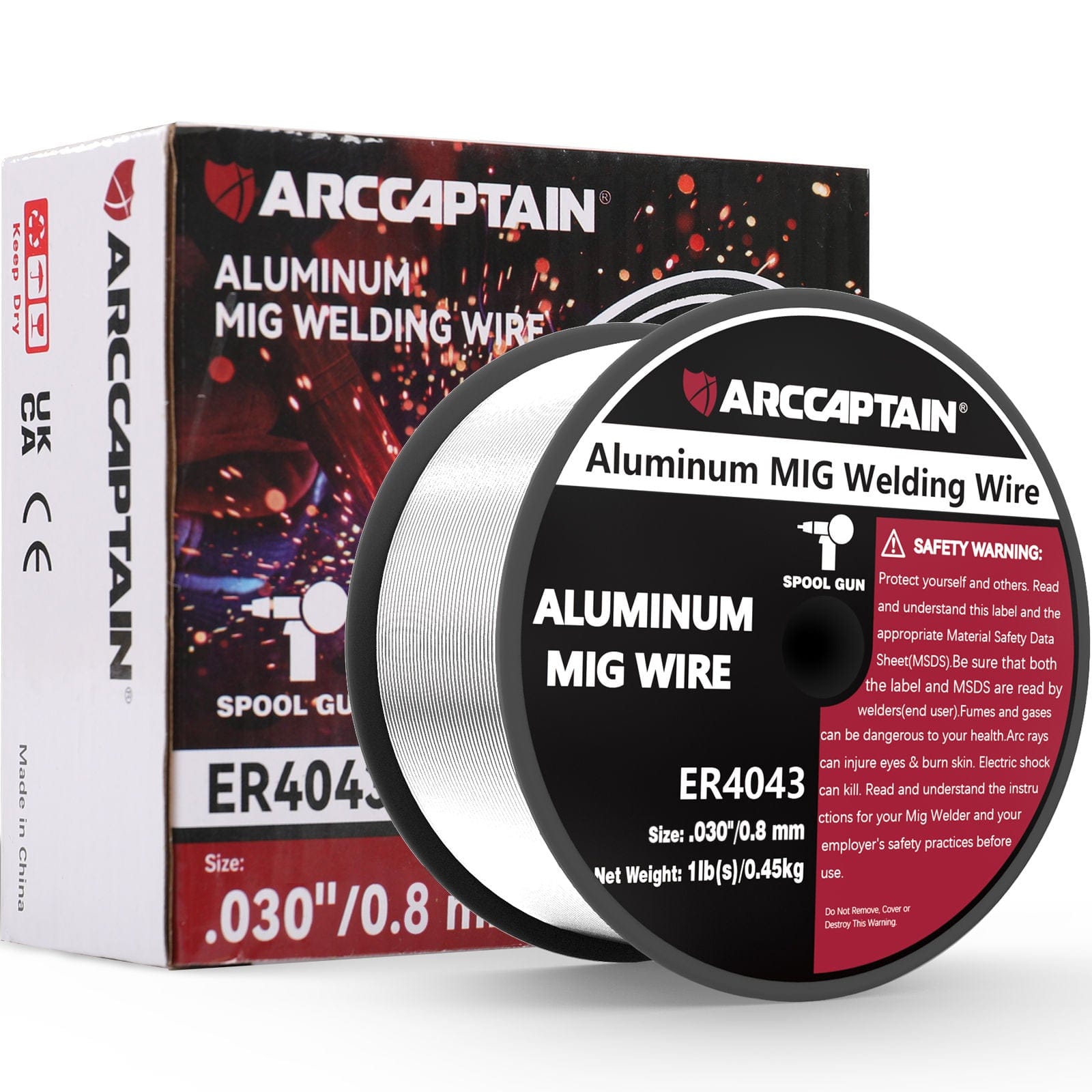
- Wire diameter (e.g., 0.030″ or 0.8mm)
- Weight of spool (e.g., 2 lbs, 5 kg)
- Manufacturer
- Lot or batch number
- Shielding gas recommendation
- Country of origin
- Storage or handling instructions
- Certification marks (e.g., AWS, ISO)
Let’s look at each part in detail.
Credit: www.stephanedeneve.com
Understanding Wire Classification
Wire classification is a code that tells you the main features of the wire. For example, ER70S-6 is a popular wire for mild steel.
- ER stands for “Electrode, Rod”
- 70 means the wire’s weld metal has a minimum tensile strength of 70,000 psi
- S means it’s a solid wire (not flux-cored)
- 6 is the chemical composition or deoxidizer type
Knowing these codes helps you match the wire to your base material and the required weld strength.
Example Of Common Classifications
| Classification | Material | Main Use |
|---|---|---|
| ER70S-6 | Mild steel | General fabrication |
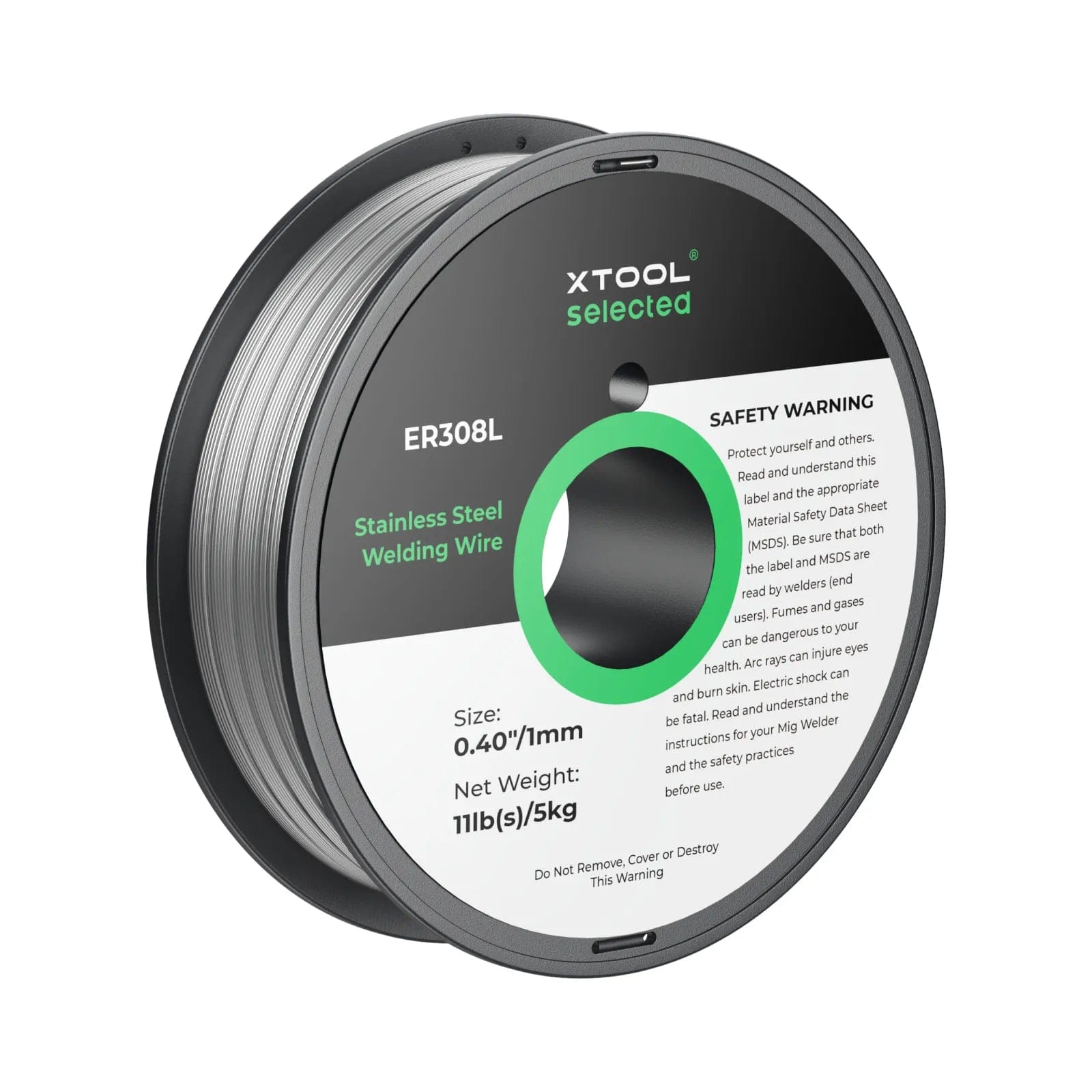
| ER308L | Stainless steel | Food-grade welding |
| E71T-11 | Flux-cored (mild steel) | Outdoor, no gas |
How To Read Wire Diameter
Wire diameter is usually shown in inches or millimeters. Common sizes are 0.023″, 0.030″, 0.035″, and 0.045″ (or 0.6mm, 0.8mm, 0.9mm, 1.2mm). Thinner wire allows more control on thin metal, while thicker wire is good for heavy steel.
How Diameter Affects Welding
- Small diameter (e.g., 0.023″): Fine for car body panels, thin sheet metal.
- Medium (e.g., 0.030″, 0.035″): Standard for many home and shop projects.
- Large (e.g., 0.045″): Needed for thick plate or structural work.
Spool Weight And Size
The spool weight tells you how much wire you get, which affects cost and how often you change spools. Common sizes are 2 lbs, 10 lbs, and 33 lbs. Check if your machine can hold large spools—some hobby welders only fit small ones.
Manufacturer And Brand
Always check the manufacturer. Trusted brands usually follow strict quality rules. If you see unfamiliar names, look for certification marks like AWS (American Welding Society) or ISO. This helps ensure you’re not buying low-grade or counterfeit wire.
Lot Or Batch Number
Every spool has a unique lot or batch number. This is like a fingerprint for quality control. If you have problems, you can contact the supplier and give them this number. If there’s a recall, this number tells you if your spool is affected.
Shielding Gas Recommendation
Solid wire often needs a shielding gas. The label might say “Use with 75% Argon / 25% CO2”. Using the wrong gas leads to ugly, weak welds. Flux-cored wire may say “Self-shielded”, meaning no gas bottle is needed.
Country Of Origin
Some welders prefer wire made in certain countries. This can affect quality. For critical jobs, pick wire with a known origin.
Storage And Handling Instructions
Wire can rust or absorb moisture. Labels may say “Store in dry area” or “Use within 6 months”. Ignoring this can cause porosity or weak welds.
Certification And Approval Marks
Look for marks like AWS, ISO, or country-specific standards. These show the wire was tested for safety and performance.
Example Of A Welding Wire Spool Label
Let’s break down a sample label:
> ER70S-6, 0.030″, 10 lbs, Lot 12345, AWS A5.18, Use with 75/25 Argon/CO2, Made in USA, Store dry
This means:
- ER70S-6: Mild steel, solid wire, general use
- 0.030″: Medium size, good for most jobs
- 10 lbs: Large spool, for frequent welding
- Lot 12345: Unique batch
- AWS A5.18: Meets American Welding Society standards
- Use with 75/25 Argon/CO2: Needs gas mix to weld properly
- Made in USA: Country of origin
- Store dry: Prevents rust/moisture problems
Credit: partiesinthepark.com
How To Match Spool Information To Your Welding Job
You must match the spool to your welding process:
- Base metal: Use the right type (e.g., mild steel, stainless, aluminum).
- Wire diameter: Match to metal thickness and welder’s capabilities.
- Gas: Ensure you use the recommended shielding gas.
- Machine compatibility: Can your welder fit the spool size and use the wire type?
- Project needs: For critical welds, pick certified wire.
Quick Reference Table: Matching Wire To Metal Thickness
| Wire Diameter | Metal Thickness | Common Use |
|---|---|---|
| 0.023″ (0.6mm) | Up to 3/16″ (5mm) | Auto body, light sheet |
| 0.030″ (0.8mm) | Up to 1/4″ (6mm) | General home shop |
| 0.035″ (0.9mm) | Up to 5/16″ (8mm) | Heavy sheet, light plate |
| 0.045″ (1.2mm) | Over 1/4″ (6mm) | Structural, industrial |
Common Mistakes When Reading Welding Wire Spools
Many welders make small mistakes that lead to big problems:
- Ignoring the classification: Using ER70S-6 for stainless steel causes weld failure.
- Choosing the wrong diameter: Thin wire on thick steel gives poor penetration.
- Overlooking gas recommendations: The wrong gas can cause porosity or spatter.
- Not checking storage instructions: Rusty wire makes ugly, weak welds.
- Missing batch/lot numbers: Can’t trace issues if something goes wrong.
One advanced insight: Not all wires with the same classification are equal. Two spools from different brands may perform differently due to subtle differences in quality or chemical makeup.
How To Find And Use Certification Data
Check the label for codes like AWS A5.18 or ISO 14341. These codes mean the wire was tested for minimum strength, chemical makeup, and safety. If you’re working on a certified job (like a bridge, pipeline, or pressure vessel), you may need to show paperwork that matches the spool’s lot number and certification.
Using Spool Data For Troubleshooting
If you have welding problems (like excessive spatter, weak welds, or cracking), the spool label can help you diagnose the cause. For example:
- Wrong classification: May not match your base metal.
- Wrong diameter: May cause burn-through or lack of fusion.
- Old/expired wire: Can cause porosity from rust or moisture.
- Incorrect gas: Leads to poor arc stability.
By checking the label, you can spot these problems before they waste your time or materials.
Credit: globalbean.eu
How To Store Welding Wire Spools Properly
Even the best wire fails if you don’t store it right. Always keep spools in a dry, sealed place. If you live in a humid climate, use airtight plastic bags with desiccant packs. Never leave a spool on the machine for months if you’re not welding. If you see rust or discoloration, throw the wire away—don’t risk a weak weld.
Real-world Example: Reading A Spool In Practice
Imagine you buy a spool with this label:
> ER308L, 0.035″, 2 kg, Lot B789, ISO 14343, Self-shielded, Made in Germany
Here’s how you’d use the data:
- ER308L: Stainless steel, low carbon, for food-grade or corrosion-resistant jobs
- 0.035″: Medium diameter, suitable for 16-gauge to 1/4″ stainless sheets
- 2 kg: Small spool, fits most hobby or light industrial welders
- Lot B789: For quality tracking
- ISO 14343: Meets international standards
- Self-shielded: No gas bottle needed
- Made in Germany: Known for high-quality manufacturing
You know this wire is perfect for stainless steel kitchen equipment, works with your small welder, and you don’t need to buy extra gas.
Advanced Tip: Checking For Counterfeit Or Low-quality Wire
Counterfeit wire is a growing problem. If the label has spelling errors, is missing certification codes, or the brand is unknown, be cautious. Always buy from trusted suppliers. For more, see this Wikipedia page on welding wire for technical standards and safety tips.
Frequently Asked Questions
What Does Er70s-6 Mean On My Welding Wire Spool?
ER70S-6 is a code that describes the wire type. ER means “electrode, rod”, 70 is the minimum tensile strength (70,000 psi), S shows it’s solid wire, and 6 indicates the deoxidizer type. This wire is good for mild steel with some rust or mill scale.
Can I Use The Same Wire For Mild And Stainless Steel?
No, you need different wires for each metal. Mild steel wire will not bond well to stainless steel and vice versa. Always check the classification to match your metal.
How Do I Know Which Shielding Gas To Use?
Check the spool label. It will say something like “Use with 75% Argon / 25% CO2”. Solid wires often need gas; self-shielded wires do not. Using the wrong gas causes poor welds.
Why Do I Need The Lot Or Batch Number?
The lot or batch number allows you to trace where and when your wire was made. If there’s a manufacturing issue or recall, you can identify if your wire is affected. It also helps with quality control.
What Should I Do If My Wire Has Rust Or Discoloration?
If you see rust or discoloration, do not use the wire. Rusty wire causes weak, porous welds. Always store wire in a dry place and check the label for storage instructions.
Reading a welding wire spool is more than just glancing at the label. Understanding every part helps you weld safely, efficiently, and with confidence. The next time you buy or load a spool, take a few moments to read and match it to your job—you’ll avoid problems and get the best results.
