
Japanese Pull Saw vs Western Saw: Understanding the Differences and Choosing the Right Tool
Whether you’re a beginner in woodworking or a seasoned craftsperson, the kind of saw you use can make a big difference in your work. You might have heard about the Japanese pull saw and the Western saw, but what really sets them apart? Both types of saws have shaped woodworking traditions for centuries. Yet, their methods, feel, and results can be surprisingly different. Choosing the right saw isn’t just about tradition or appearance—it’s about how you want to cut, the finish you need, and even how your hands and body move during work.
In this article, you’ll discover the key differences between Japanese pull saws and Western saws. We’ll look at how they work, what they’re best for, and why woodworkers sometimes prefer one over the other. Along the way, you’ll learn how blade design, ergonomics, and even cultural history influence each saw’s strengths and weaknesses.
If you want to improve your woodworking or just understand these classic tools better, this guide will give you the clear answers you need.
What Is A Japanese Pull Saw?
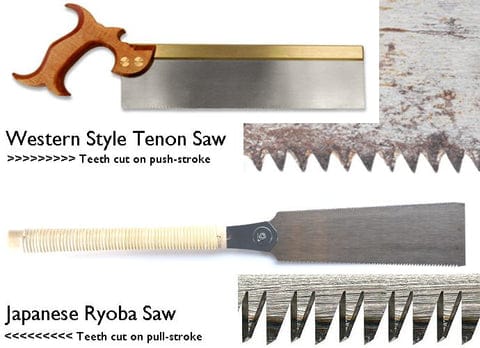
A Japanese pull saw, or “nokogiri,” is a traditional hand saw from Japan. The main feature is that it cuts on the pull stroke—not the push stroke like Western saws. This means you pull the blade toward you to make the cut. The blade is thin, flexible, and often very sharp.
Japanese pull saws come in several types:
- Ryoba: Double-edged, with teeth for crosscutting on one side and ripping on the other.
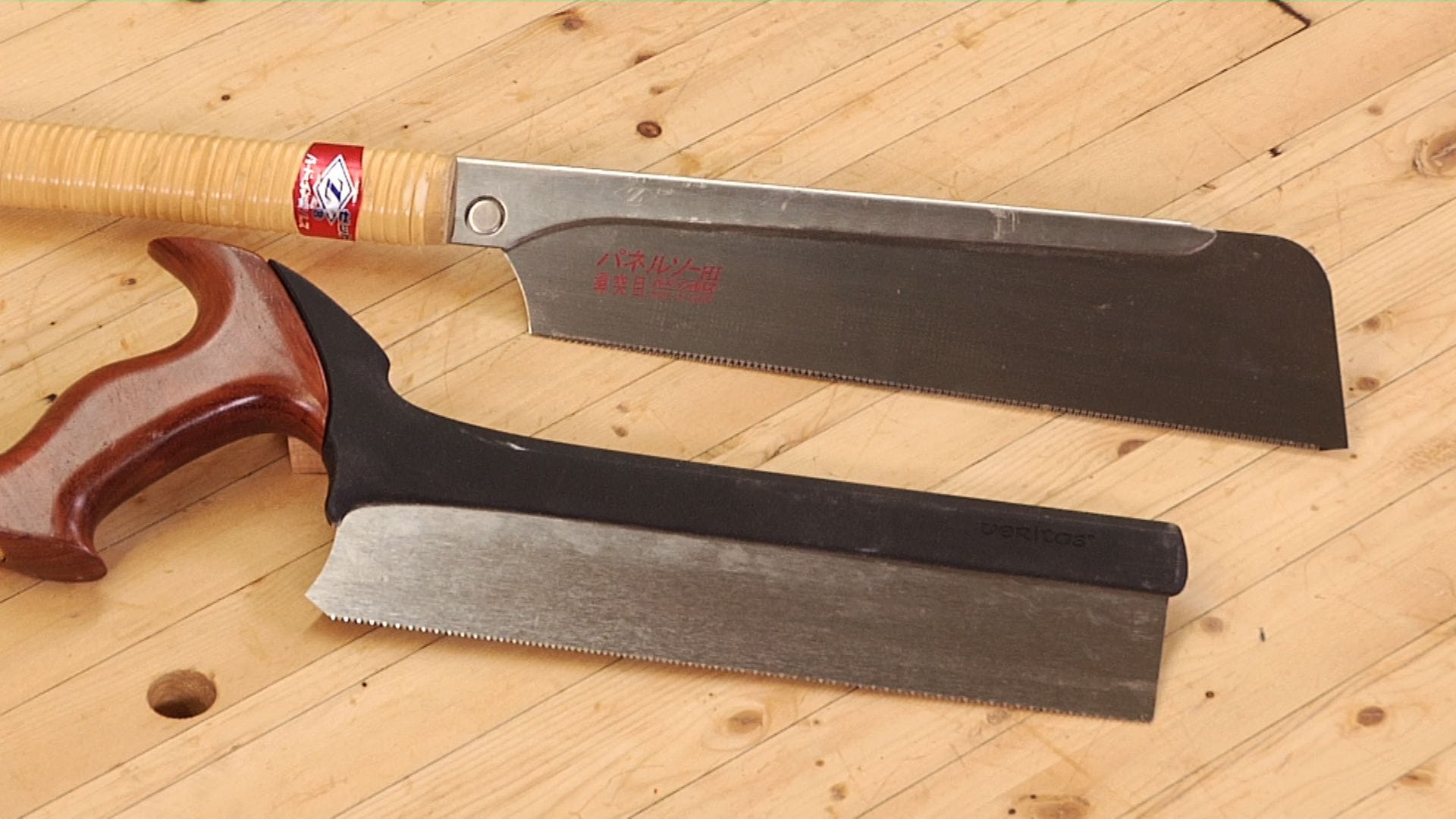
- Dozuki: Has a back spine for extra support; perfect for precise, fine cuts.
- Kataba: Single-edged, without a back spine; good for deeper cuts.
Because the blade is thin and cuts on the pull, it doesn’t bind or wander as much as thicker Western saws. This design gives you a smooth, clean finish with less effort. Many Japanese saws are also lightweight and easy to control, which makes them popular for delicate joinery and detail work.
What Is A Western Saw?
A Western saw usually refers to the classic hand saws used in Europe and America. These saws cut on the push stroke, so you push the blade away from you to make the cut. Western saws tend to have thicker, heavier blades. They are built for strength and durability, often with a solid wooden handle and a rigid, single-edge blade.
The main types of Western saws include:
- Panel saw: Large, general-purpose; for crosscuts and rips.
- Back saw: Has a reinforced spine for straight, fine cuts.
- Tenon saw: Used for making joinery cuts.
- Dovetail saw: Fine-toothed, for delicate joint work.
Western saws are great for heavy work, rough cuts, and situations where you need to power through thick material. Their weight and stiffness help keep the blade straight during tough jobs.
Credit: www.wwgoa.com
Key Differences: Japanese Pull Saw Vs Western Saw
When you compare Japanese pull saws and Western saws, the differences go beyond just cutting direction. Here’s a closer look at the main factors:
| Feature | Japanese Pull Saw | Western Saw |
|---|---|---|
| Cutting Stroke | Pull | Push |
| Blade Thickness | Thin (0.3–0.6 mm) | Thicker (0.7–1.2 mm) |
| Blade Flexibility | Flexible | Rigid |
| Type of Cut | Smooth, fine, precise | Fast, powerful, rough or fine |
| Effort Needed | Low | Higher |
| Main Use | Joinery, finish work, detail | Framing, rough work, general cuts |
Blade Design And Tooth Geometry
The blade and teeth shape play a major role in how each saw performs.
Japanese pull saws usually have a thinner blade because the pull stroke puts less stress on the metal. The teeth are often smaller, sharper, and set for clean, precise cuts. For example, the Dozuki can have up to 30 teeth per inch (TPI), making it ideal for dovetails and fine joinery. The thin blade means less material is removed (kerf), which reduces waste and effort.
In contrast, Western saws have thicker blades to resist bending during the push stroke. The teeth are often larger and more aggressive, with 8–12 TPI for general-purpose saws. This lets you cut quickly through thick boards but can leave a rougher edge.
Here’s a quick comparison of blade and tooth features:
| Saw Type | Blade Thickness | Teeth per Inch (TPI) | Typical Kerf Width |
|---|---|---|---|
| Japanese Dozuki | 0.3–0.4 mm | 20–30 | 0.5–0.6 mm |
| Japanese Ryoba | 0.5–0.6 mm | 9–17 | 0.6–0.8 mm |
| Western Panel Saw | 0.9–1.2 mm | 8–12 | 1.2–1.5 mm |
| Western Dovetail Saw | 0.7–0.8 mm | 15–20 | 0.9–1.1 mm |
Cutting Action: Pull Vs Push
The biggest difference is in the cutting action. Japanese saws cut on the pull stroke, Western saws cut on the push stroke.
With a pull saw, the blade is in tension as you cut. This keeps the blade straight, even though it’s thin. The motion is smooth and doesn’t require much force. You can focus more on accuracy and less on fighting the tool.
A push saw works by pushing the blade forward. This puts the blade in compression. Thicker metal is needed to stop the blade from buckling or bending. The push action can be more tiring, especially for beginners, but it’s better for heavy-duty cuts and fast removal of material.
Non-obvious insight: The pull stroke of the Japanese saw means your body stays more relaxed, with less muscle strain in the wrist and shoulder. This is one reason why many users find Japanese saws easier to use for long periods.
Ergonomics And Handling
How a saw feels in your hand matters as much as how it cuts. The handles and body positions are quite different.
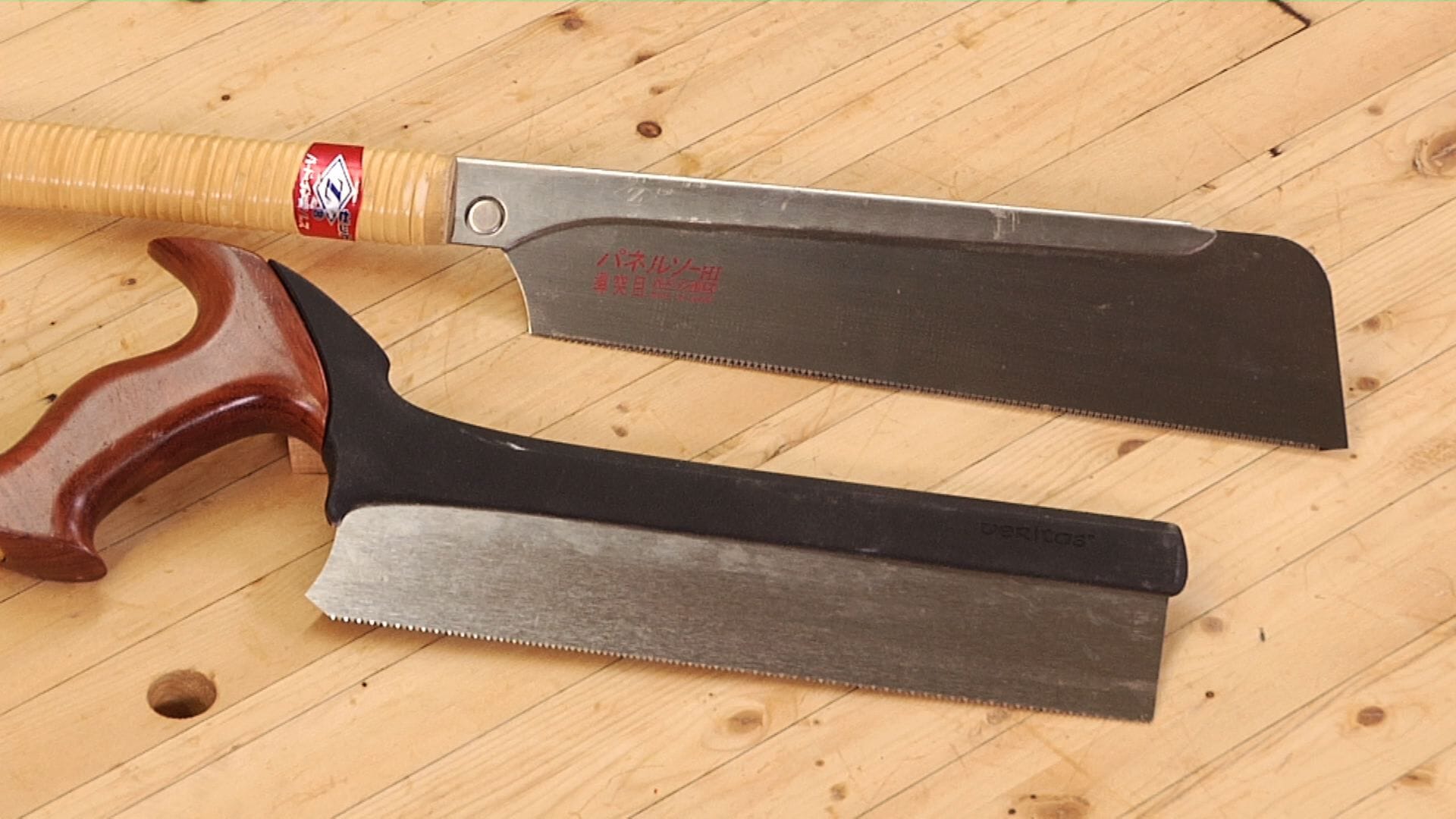
Japanese saws often have a straight, round handle (sometimes wrapped in rattan or bamboo). You hold it with a gentle grip, guiding the blade with your fingers and wrist. The sawing motion is light and controlled. This makes it easier to follow a line or make delicate joints.
Western saws use a closed or open pistol-grip handle, designed for a strong, two-handed push. The handle gives you leverage, which is great for powering through thick boards. However, the heavier blade can tire you out faster.
Non-obvious insight: Because Japanese saws are lighter and thinner, it’s easier to start a cut exactly where you want, even in the middle of a board or in tight spots.
Credit: www.wwgoa.com
Woodworking Applications
Both saw types have their ideal uses. Here’s how they compare in common woodworking jobs:
Japanese Pull Saw Advantages
- Fine joinery: The thin blade and clean cut are perfect for dovetails, tenons, and other precision joints.
- Trimming: Making flush cuts for dowels or plugs is easier with a flexible, thin blade.
- Laminates and veneers: Less tear-out and splintering because the teeth are sharper and cut on the pull.
- Quiet operation: Pull saws are generally quieter, which is good for shared spaces.
Western Saw Advantages
- Framing: Thick, heavy boards are easier to cut with a push saw.
- Large-scale work: Faster rough cuts for building, demolition, or big projects.
- Durability: Thicker blades can take more abuse and are less likely to break if used incorrectly.
- Sharpening: Western saws are often easier to resharpen at home.
Durability And Maintenance
Japanese saws often use harder steel that holds a sharp edge longer, but the blades are also more brittle. If you force a Japanese saw in the wrong way or twist it, the blade can snap or chip. Many Japanese saws are designed with replaceable blades—when the teeth dull, you simply swap in a new blade.
Western saws use softer, tougher steel. The teeth can be resharpened with a file, and the blades are built to survive rough use and accidental bends. A well-maintained Western saw can last for decades.
Here’s a quick look at maintenance:
| Saw Type | Sharpenable | Replaceable Blade | Common Lifespan |
|---|---|---|---|
| Japanese Pull Saw | Usually not (except specialty models) | Yes | 2–5 years (blade) |
| Western Saw | Yes | No (for most) | 10–30 years (with care) |
Cost And Availability
You can find both saw types at most hardware stores and online, but prices vary.
- Japanese pull saws: Entry-level models start around $25–$40, with high-end versions going up to $100 or more. Replacement blades usually cost $10–$25.
- Western saws: Basic hand saws start at $15–$30. Premium Western saws (like Lie-Nielsen or Veritas) can cost $100–$200. Sharpening kits are inexpensive if you want to keep your own saw sharp.
A key point: If you buy a Japanese saw, check that replacement blades are available in your country. Some users are surprised by the lack of local options.
Common Mistakes When Choosing Or Using Saws
- Using the wrong saw for the job: Don’t use a thin pull saw for rough demolition—it may snap. Don’t use a thick push saw for delicate veneer—it may splinter the wood.
- Applying too much force: Especially with Japanese saws, let the saw do the work. Forcing the blade can bend or break it.
- Ignoring the kerf: If precision is critical, choose a saw with a narrow kerf. Western saws remove more wood, which can matter in tight joinery.
- Not maintaining the saw: Even the best saw will dull if not cleaned and stored properly. For Western saws, learn to sharpen or find a local service.
- Holding the handle incorrectly: For Japanese saws, a gentle grip works best. For Western saws, use a firm hold but don’t overgrip.
Credit: robcosman.com
Which Should You Choose?
Your choice depends on your work style, materials, and the results you want.
- If you do fine joinery, box-making, or instrument building, a Japanese pull saw is hard to beat for control and finish.
- If you’re doing framing, house repairs, or rough carpentry, a Western saw is faster and more forgiving.
- If you’re a beginner, try both! Many woodworkers use a mix, choosing the saw that fits the job.
Some woodworkers start with a Japanese saw because it’s easier to make straight cuts with less practice. Others stick with Western saws because they’re familiar and can be sharpened at home.
Cultural And Historical Context
Japanese and Western saws reflect different woodworking traditions. Japanese carpenters often work on the floor, using body weight and balance. Their houses use intricate joints that require precision. Western carpentry developed with bigger timbers and less focus on visible joinery, so the saws evolved for speed and power.
Understanding these traditions can help you appreciate why each saw is designed the way it is. If you’re curious about the deeper history, check out resources like Wikipedia’s article on Japanese saws.
Frequently Asked Questions
What Is The Main Difference Between A Japanese Pull Saw And A Western Saw?
The main difference is the cutting direction. Japanese saws cut on the pull stroke (toward you), using a thin, flexible blade for precise cuts. Western saws cut on the push stroke (away from you), using a thicker, stiffer blade for power and speed.
Are Japanese Pull Saws Better For Beginners?
Japanese pull saws are often easier for beginners to use for straight, fine cuts because the pull action keeps the blade straight and requires less force. However, Western saws may be better for heavy-duty work and are more familiar to many people.
Can You Sharpen A Japanese Pull Saw?
Most Japanese pull saws have very hard teeth that are not meant to be sharpened. Instead, you replace the blade when it gets dull. Some expensive models can be sharpened, but this is rare.
Do Japanese Saws Work Well On Hardwood?
Japanese saws can cut hardwood, but you need to use gentle strokes and avoid forcing the blade. For very dense woods, a Western saw might be more durable and easier to maintain.
Which Saw Should I Buy First?
If you plan to do fine woodworking, joinery, or small projects, start with a Japanese pull saw. If you need a general-purpose tool for construction or rough cuts, start with a Western saw. Many woodworkers eventually own both types.
Whether you choose a Japanese pull saw or a Western saw, understanding their strengths helps you get better results—and enjoy woodworking even more. The right tool, used the right way, makes every project smoother and more satisfying.
