
Wire Wheel Vs Wire Cup Brush: Choosing the Right Tool for the Job
Choosing between a wire wheel and a wire cup brush can be confusing, especially if you’re new to surface preparation or metalwork. Both tools look similar and attach to angle grinders or bench grinders. But using the wrong one can lead to poor results, wasted time, or even damaged materials. Understanding the differences and strengths of each tool is key for safe, effective work—whether you’re cleaning rust, removing paint, or polishing metal.
This guide explains how wire wheels and wire cup brushes work, their best uses, and how to pick the right one for your project. You’ll also see safety tips, practical examples, and expert advice so you can tackle your next job with confidence.
What Is A Wire Wheel?
A wire wheel is a circular brush with metal wires mounted around a wheel-shaped core. It comes in various sizes, wire thicknesses, and materials such as steel or brass. Wire wheels are usually attached to bench grinders, angle grinders, or drills.
Wire wheels spin at high speed, and the wires scrape or brush the surface of the material. They are commonly used to:
- Remove rust
- Strip old paint
- Clean welds
- Polish metal edges
- Deburr sharp corners
There are two main types of wire wheels:
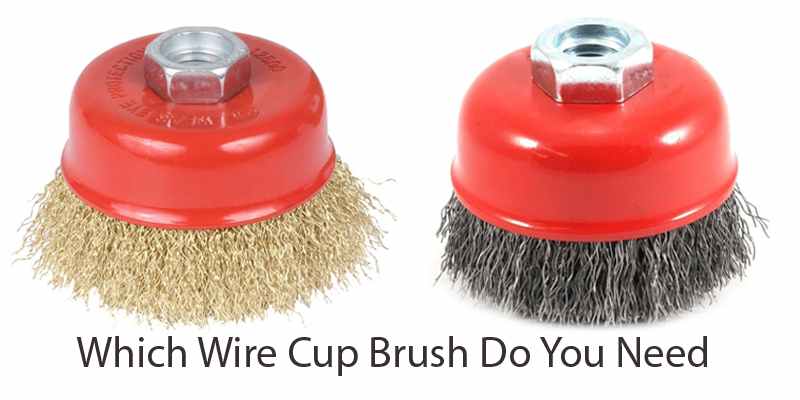
- Crimped wire wheels: The wires are wavy and flexible. They offer a gentler cleaning action, making them good for light rust or paint removal.
- Knotted wire wheels: The wires are twisted together in tight knots. They are more aggressive and durable, suitable for heavy-duty cleaning and tough materials.
What Is A Wire Cup Brush?
A wire cup brush is a bowl-shaped brush with wires radiating from a round base or “cup.” Like wire wheels, cup brushes come in crimped and knotted versions. They are typically used with angle grinders.
Wire cup brushes are especially useful for:
- Cleaning large, flat surfaces
- Removing paint or scale from metal
- Preparing surfaces for welding or painting
- Lightly texturing concrete
The cup shape allows more contact with the surface, so you can work faster on big areas. However, they are less effective for detailed cleaning, edges, or getting into tight corners.
Key Differences At A Glance
Here’s a quick side-by-side comparison to show the main differences between these tools:
| Feature | Wire Wheel | Wire Cup Brush |
|---|---|---|
| Shape | Flat, wheel-shaped | Bowl or cup-shaped |
| Best For | Edges, grooves, tight spaces | Large, flat surfaces |
| Mounting | Bench grinder, angle grinder, drill | Angle grinder, power drill |
| Cleaning Action | Edge contact | Broad surface contact |
| Common Wire Types | Crimped, knotted | Crimped, knotted |
When To Use A Wire Wheel
Wire wheels shine in tasks that need precision or involve small areas. Here are common situations where a wire wheel is the better choice:
Cleaning Rust From Tight Spots
If you’re restoring a vintage tool or bicycle frame, rust often hides in corners and crevices. A wire wheel, especially a small-diameter one, can reach into these tight spaces and remove rust without harming the surrounding metal.
Deburring Cut Edges
When you cut metal with a saw or grinder, sharp burrs are left behind. Running a wire wheel along the edge quickly smooths these out, making the piece safer to handle.
Cleaning Welds
After welding, there’s usually slag and spatter stuck to the joint. A knotted wire wheel can break this off and clean the weld bead, preparing it for painting or inspection.
Non-obvious insight: For non-ferrous metals like aluminum or brass, use a brass wire wheel. Steel wires can cause contamination that leads to corrosion. Many beginners miss this and end up with rusty spots later.
Polishing Intricate Parts
If you’re working on something like engine parts, hand tools, or hardware, the edge-contact cleaning of a wire wheel gives you better control. You can polish without flattening details or damaging threads.
Credit: www.ibibrushware.com
When To Use A Wire Cup Brush
Wire cup brushes are designed for speed and coverage. Their wide contact area makes them ideal for:
Stripping Paint Or Scale From Large Surfaces
If you need to remove old paint or heavy mill scale from a steel door, large metal plate, or equipment panel, a wire cup brush covers more area in less time. The cup shape keeps more wires in contact with the surface, improving efficiency.
Preparing Concrete
Need to roughen a concrete floor before painting or coating? A wire cup brush can add texture to help coatings stick better. Just be sure to use a brush rated for masonry.
Cleaning Grills, Fences, And Gates
Outdoor metalwork often gets rusty and dirty. A cup brush attached to an angle grinder cleans large sections of fence or grill quickly, cutting through rust and old finish.
Practical tip: Always keep the brush flat against the surface. Tilting it can bend the wires, reduce lifespan, and even cause kickback. Many beginners make this mistake, which leads to uneven cleaning or damage.
Removing Thick Rust Layers
When rust is thick and flaky, a knotted cup brush can break it up faster than a wheel. The larger contact area helps strip away the worst layers before switching to a finer brush for finishing.
Comparing Performance: Wire Wheel Vs Wire Cup Brush
To help you choose the right tool, let’s compare how each performs in key categories:
| Task | Wire Wheel | Wire Cup Brush |
|---|---|---|
| Rust Removal (Small Area) | Excellent | Fair |
| Rust Removal (Large Area) | Poor | Excellent |
| Paint Stripping (Edges & Grooves) | Excellent | Poor |
| Paint Stripping (Flat Surface) | Good | Excellent |
| Weld Cleaning | Excellent | Good |
| Surface Preparation (Metal) | Good | Excellent |
| Surface Preparation (Concrete) | Poor | Good |
How To Choose The Right Brush For Your Project
Selecting the right tool depends on your task, material, and the finish you want. Here’s how to decide:
1. Assess Surface Size And Shape
- For large, flat areas, choose a wire cup brush.
- For edges, corners, or detailed parts, use a wire wheel.
2. Consider Material Type
- For steel and iron, use steel wire brushes.
- For softer metals (aluminum, brass), use brass or stainless-steel wires to avoid contamination.
- For concrete or masonry, select a brush rated for stonework.
3. Pick Wire Type And Thickness
- Crimped wires are best for light cleaning, soft metals, or delicate surfaces.
- Knotted wires provide aggressive action for heavy rust, thick paint, or hard materials.
Non-obvious insight: Thicker wires last longer but can scratch softer surfaces. Always test on a small area first.
4. Match The Tool To The Job
- Angle grinders are more powerful and suited for cup brushes and large wire wheels.
- Bench grinders are better for small wire wheels and precise work.
- Drills can use small wire wheels or cup brushes for lighter tasks.
5. Check Speed Ratings
Never use a wire brush at a speed higher than its rating. Exceeding the maximum RPM can make wires fly off, causing injury.
Safety Tips For Using Wire Wheels And Wire Cup Brushes
Working with wire brushes can be dangerous if you’re not careful. Loose wires can fly out, and the brushes can grab materials unexpectedly.
Follow these safety tips:
- Always wear safety glasses and a face shield.
- Use heavy gloves to protect your hands from stray wires.
- Wear long sleeves and avoid loose clothing.
- Clamp your workpiece securely.
- Let the brush reach full speed before touching the material.
- Never push too hard—let the wire tips do the work.
- Replace brushes if wires are broken or bent.
For more on safety, you can visit the OSHA official guidelines.
Credit: benchmarkabrasives.com
Common Mistakes And How To Avoid Them
Even experienced users can make errors that damage materials or shorten tool life. Here are some mistakes to watch out for:
- Using the wrong brush for the job: For example, a cup brush on a narrow edge will not clean well and may jump.
- Pressing too hard: This can bend wires and wear out the brush quickly.
- Ignoring wire type: Using steel wires on aluminum can cause corrosion later.
- Not checking RPM ratings: Brushes can break apart at high speed if not rated correctly.
- Skipping safety gear: Eye injuries from wire bristles are common and preventable.
Real-world Examples
Let’s look at some real situations to see which tool works best:
- Restoring a cast iron bench: The broad surfaces clean up fast with a cup brush, but the fancy curved arms and tight corners need a wire wheel.
- Cleaning a steel gate before painting: A cup brush quickly removes rust and old paint from the rails, while a wire wheel takes care of the fence’s intricate welds.
- Deburring cut pipes: A wire wheel on a bench grinder smooths the rough edges after cutting, making the pipes safe to handle.
Care And Maintenance For Wire Brushes
Proper care extends the life of your wire brushes:
- Clean after use by tapping gently to remove debris.
- Store in a dry place to prevent rust (especially for steel wires).
- Inspect regularly for broken wires.
- Do not use a brush that wobbles or vibrates unusually.
A well-maintained brush not only lasts longer but also works more safely and efficiently.
Frequently Asked Questions
What Is The Main Difference Between A Wire Wheel And A Wire Cup Brush?
A wire wheel is flat and works best for edges, grooves, and detailed cleaning. A wire cup brush is bowl-shaped and covers more area on flat surfaces, making it ideal for large jobs like cleaning doors, plates, or fences.
Can I Use A Wire Wheel Or Cup Brush On Wood?
Wire brushes are designed for metal and concrete. Using them on wood can gouge or burn the surface. For wood, use a softer bristle or sanding tool.
How Do I Know Which Wire Thickness To Use?
Thin wires are for light cleaning and polishing; thick wires are for heavy rust or paint removal. Test on a small area first to avoid scratching.
Why Are Some Brushes Brass And Others Steel?
Brass wire brushes are used on soft metals like aluminum or brass to prevent scratching and contamination. Steel wire brushes are for harder metals like iron and steel.
How Long Does A Wire Brush Last?
Lifespan depends on use, pressure, and material. A quality wire brush used correctly can last for dozens of projects. Replace if wires break, bend, or if cleaning becomes uneven.
Selecting between a wire wheel and a wire cup brush is not just about speed—it’s about getting the job done right. With the right tool and technique, your work will be cleaner, safer, and more professional every time.
Credit: www.empireabrasives.com
