
Using an angle grinder can make many tough jobs easier, but this powerful tool demands respect. Whether you are cutting metal, grinding concrete, or polishing stone, safety should always come first. Many accidents happen because users take shortcuts or don’t know the right steps.
By learning how to use an angle grinder safely, you protect yourself and those around you. This guide covers everything you need to know, from choosing the right gear to safe operation and maintenance, so you can work confidently with this essential tool.
Understanding The Angle Grinder
An angle grinder is a handheld power tool that uses a fast-spinning disc to cut, grind, or polish different materials. It is common on construction sites, in metal workshops, and even for home DIY projects. The tool is popular because it’s versatile and can handle jobs that would be slow or impossible by hand.
The most important parts of an angle grinder are the motor, spindle, guard, and side handle. Discs come in many types, such as cutting, grinding, sanding, and wire brush wheels. The right disc depends on your task and material.
Many beginners overlook the danger these tools pose. The spinning disc can reach speeds of 6,000 to 12,000 revolutions per minute (RPM). At this speed, even a small mistake can cause serious injury. That’s why every step of safe use matters.
Choosing The Right Angle Grinder And Accessories
Not all angle grinders are the same. Picking the right one helps you work better and safer.
Key Features To Consider
- Disc size: Common sizes are 4.5 inches (115mm) and 9 inches (230mm). Small grinders are lighter and easier to control, while large ones cut faster but require more strength.
- Power rating: Measured in amps or watts. Higher power handles tougher jobs but may be harder to control.
- Speed settings: Some grinders offer variable speed, which is useful for different materials.
- Safety features: Look for features like soft start, restart protection, and paddle switches.
Accessory Quality
Always use discs made for your grinder’s size and speed. Cheap or mismatched discs can break apart, causing dangerous flying fragments. Only buy accessories from reliable brands. Never use a cracked or damaged disc, even for a quick job.
Credit: www.familyhandyman.com
Essential Personal Protective Equipment (ppe)
Wearing the right PPE is one of the easiest ways to prevent injury. Skipping protection is a common beginner mistake.
Must-have PPE includes:
- Safety glasses or a full-face shield to protect your eyes from sparks and debris.
- Hearing protection like earplugs or earmuffs, since grinders are loud.
- Thick gloves to shield your hands from sparks and accidental contact.
- Long-sleeved clothing and non-flammable workwear to protect your arms and body.
- Respirator or dust mask when grinding materials that produce fine dust, like concrete or stone.
- Steel-toe boots for foot safety.
Non-obvious tip: Avoid loose clothing, jewelry, or long hair that can get caught in the spinning disc.
Preparing Your Workspace
A tidy and organized workspace makes accidents less likely. Here’s what you should do before starting:
- Clear the area: Remove unnecessary tools and materials.
- Check for flammable items: Sparks can easily start fires.
- Ensure good lighting: You need to see your work clearly.
- Secure your workpiece: Use clamps or vices so the material doesn’t move.
If you’re working outside, be aware of wind direction so sparks don’t blow toward people or flammable objects.
Inspecting And Setting Up The Angle Grinder
Before switching on your grinder, always check it carefully.
Inspection Checklist
- Look for damage on the tool, cord, and plug.
- Check the disc for cracks, chips, or signs of wear.
- Test the guard to ensure it’s secure and covers the disc properly.
- Confirm the side handle is attached tightly.
Fitting The Disc
- Unplug or remove the battery before changing discs.
- Use the correct tool (often a spanner) to loosen the spindle.
- Place the disc with the label facing out (unless your model says otherwise).
- Tighten the disc firmly, but don’t overtighten.
- Refit the guard and handle before plugging in.
Pro tip: Spin the disc by hand before turning on the power. This checks for wobbles or misalignment.
Safe Operation Techniques
Now you’re ready to work, but safe handling is crucial.
Holding The Tool
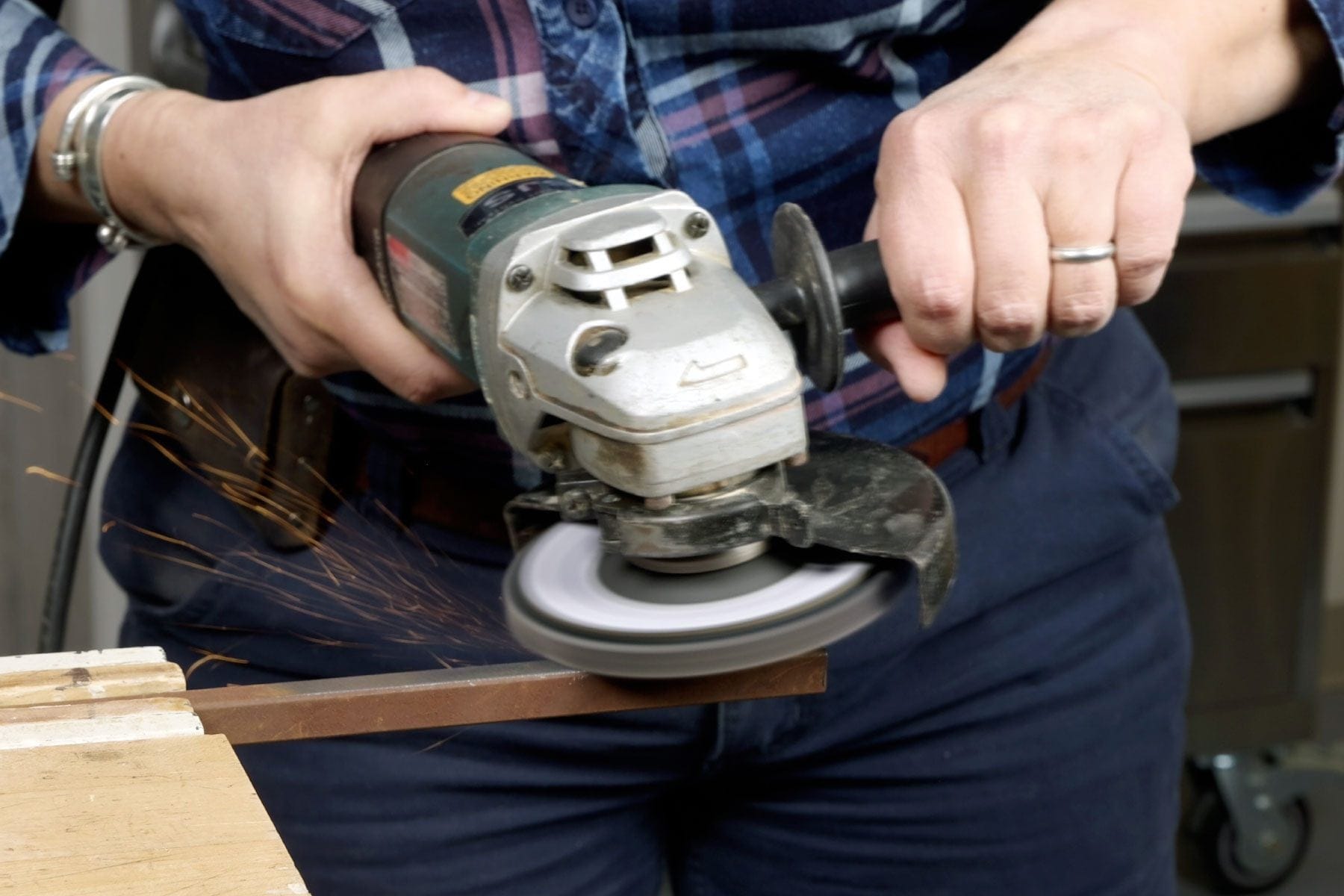
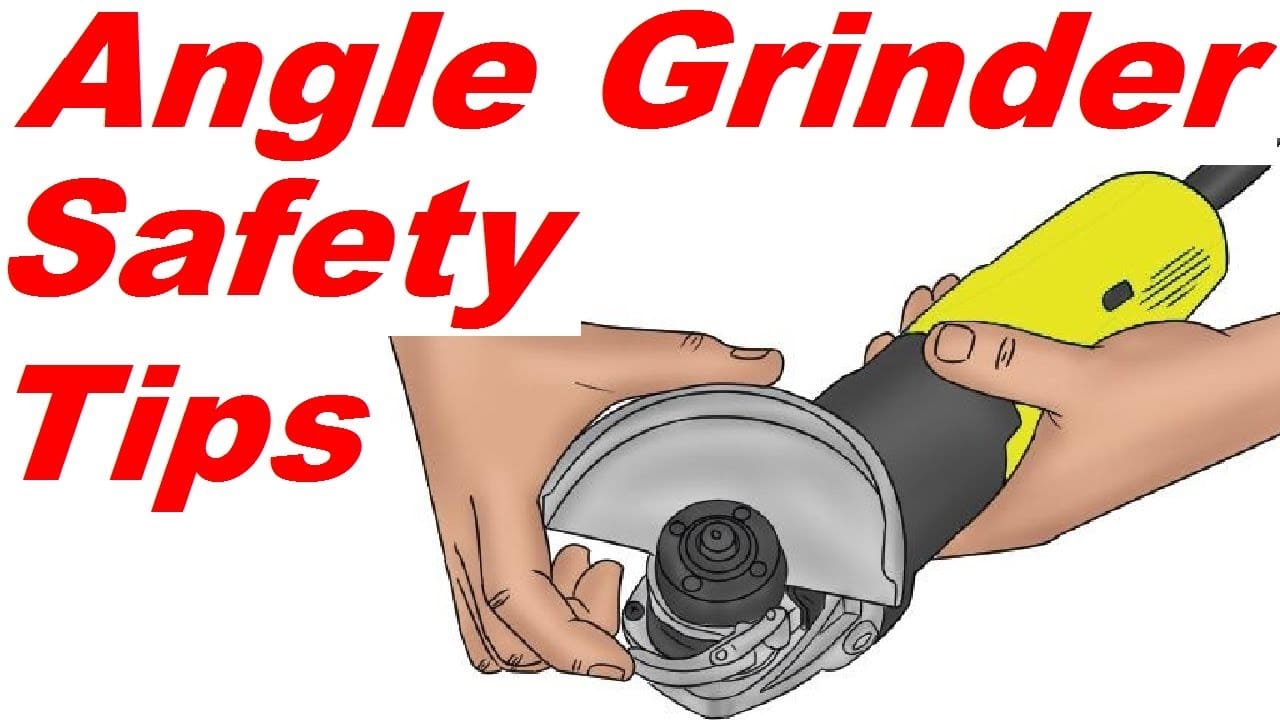
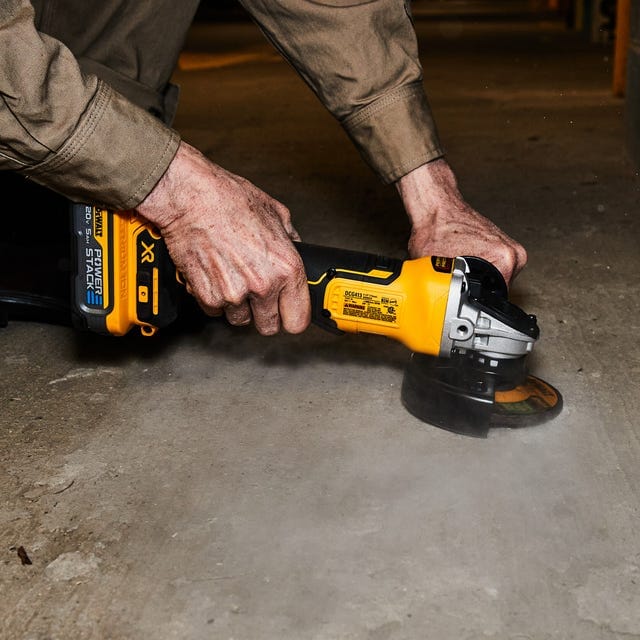
- Always use two hands: One on the main body, one on the side handle.
- Stand with your feet apart for balance.
- Keep a firm but relaxed grip.
Starting And Stopping
- Let the grinder reach full speed before touching the workpiece.
- Guide the tool gently; don’t force it.
- When finished, let the disc stop naturally. Never set the tool down while it’s still spinning.
Cutting, Grinding, And Polishing
- Cutting: Move the grinder straight and steady through the material.
- Grinding: Keep the disc at a 15–30 degree angle to the surface. Don’t press too hard; let the disc do the work.
- Polishing: Use lower speed settings if available. Be gentle to avoid damaging the surface.
Non-obvious insight: Sparks show the tool is working, but too many sparks can mean you’re pressing too hard or using the wrong disc.
Credit: www.youtube.com
Common Hazards And How To Avoid Them
Angle grinders can cause injuries in several ways, but most problems are preventable.
Kickback
Kickback happens when the disc jams and the grinder jumps back toward you. To avoid this:
- Never twist the tool in the cut.
- Use both hands.
- Stand to the side, not directly behind the tool.
Disc Shattering
Discs can break if used wrong. Always:
- Use undamaged, correct discs.
- Never go over the disc’s maximum speed.
- Replace worn discs before they get too small.
Flying Sparks And Debris
Sparks and small bits of material can fly out and cause burns or eye injuries. Always wear PPE and make sure the guard is in place.
Electric Shock
Grinders can cause electric shock if used in wet conditions or with damaged cords. Always check your cables and avoid water.
Hidden danger: Some materials, like aluminum, can melt and clog the disc, increasing the risk of kickback.
Maintenance And After-use Care
Taking care of your grinder keeps it safe and working well.
After Each Use
- Unplug the tool.
- Wipe off dust and debris.
- Check the disc for wear.
Regular Checks
- Inspect the cord for cracks.
- Test the switch and safety features.
- Lubricate moving parts if needed (follow the manual).
Storage
- Store in a dry place, out of reach of children.
- Keep discs flat and dry.
Pro tip: Label discs for different materials (metal, stone, etc.) to avoid cross-contamination and reduce wear.
Comparison: Corded Vs Cordless Angle Grinders
Which type is safer or better for you? Here’s a quick look:
| Feature | Corded Grinder | Cordless Grinder |
|---|---|---|
| Power Output | High, consistent | Lower, depends on battery |
| Mobility | Limited by cord | Very portable |
| Usage Time | Unlimited (power source) | Battery life limited |
| Weight | Usually lighter | Heavier (battery) |
| Best For | Workshops, long jobs | On-site, small jobs |
Disc Types And Their Safety Risks
It’s important to match the right disc to your job. Each type has unique safety risks.
| Disc Type | Main Use | Risks |
|---|---|---|
| Cutting Disc | Metal, stone, tile | Shattering, kickback |
| Grinding Disc | Smoothing edges | Debris, overheating |
| Wire Brush Wheel | Rust/paint removal | Loose wires, flying debris |
| Flap Disc | Polishing, finishing | Overheating, disc wear |
Credit: www.popularmechanics.com
Safe Disposal Of Old Discs
Don’t just throw old discs in the trash. Broken or worn discs can still cause injury if handled carelessly.
- Place in a sturdy container before disposing.
- Mark as “sharp” or “danger” if possible.
- Recycle metal parts if your local rules allow.
Proper disposal prevents accidents in the workshop and after.
Advanced Safety Tips Most People Miss
A few extra habits can make a big difference:
- Let the grinder cool between long jobs. Overheating can weaken the disc and motor.
- Test in a safe area after changing discs. Run the grinder away from your body for 30 seconds to check for vibration.
- Keep fire extinguishers nearby when working indoors.
- Don’t work alone. If an accident happens, you’ll need help.
- Use dust extraction for indoor jobs to reduce fine particles.
Many accidents happen because users become comfortable and skip these advanced steps.
What To Do In Case Of An Accident
Even with the best care, accidents can happen. Here’s what to do:
- Turn off the grinder immediately and unplug it.
- For small cuts or burns, use first aid: Rinse and cover.
- For serious injuries (deep cuts, eye injuries), seek medical help right away.
- Report accidents to your supervisor or safety officer.
It’s always better to be prepared and know your emergency contacts.
Frequently Asked Questions
What Is The Most Important Safety Feature On An Angle Grinder?
The safety guard is the most important. It shields you from sparks, debris, and broken disc parts. Never use a grinder without it.
Can I Use Any Disc Size On My Angle Grinder?
No. Only use the disc size specified in your tool’s manual. Using the wrong size increases the risk of disc failure and injury.
How Often Should I Replace Grinder Discs?
Replace discs when they are worn, cracked, or damaged. If you notice reduced cutting power or more vibration, change the disc immediately.
Is It Safe To Use An Angle Grinder On Wood?
It is not recommended for beginners. Wood can catch and cause dangerous kickback. Special discs are needed, and experience is important.
Where Can I Learn More About Angle Grinder Safety?
For more details, check the guidelines from the Occupational Safety and Health Administration (OSHA).
Staying safe with an angle grinder means more than just wearing gloves and goggles. It’s about preparing your workspace, choosing the right accessories, and never rushing the job. Every step, from setup to cleanup, matters for your safety and the life of your tool.
With careful practice and attention to detail, you can use an angle grinder with confidence and skill.
