
When you start a DIY project or need to cut different materials at home, the right power tool makes all the difference. Two popular tools you might come across are the oscillating tool and the jigsaw. Both are versatile, but they have unique strengths and weaknesses. Choosing the right one can save you time, money, and frustration. Let’s explore what makes each tool special, when to use one over the other, and how to avoid common mistakes.
What Is An Oscillating Tool?
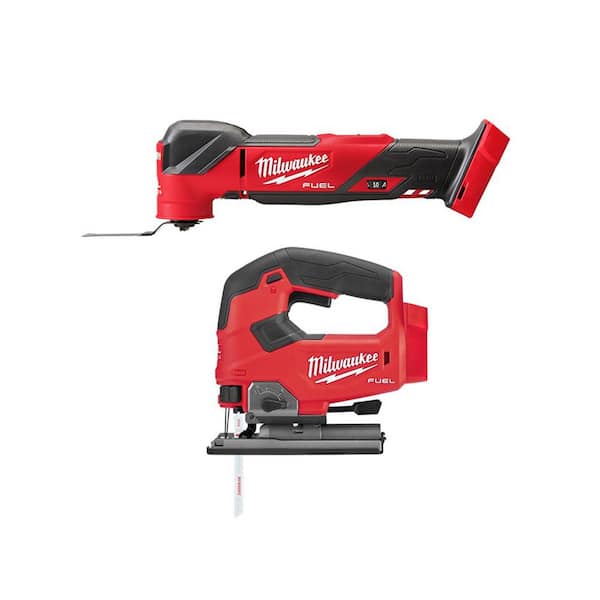
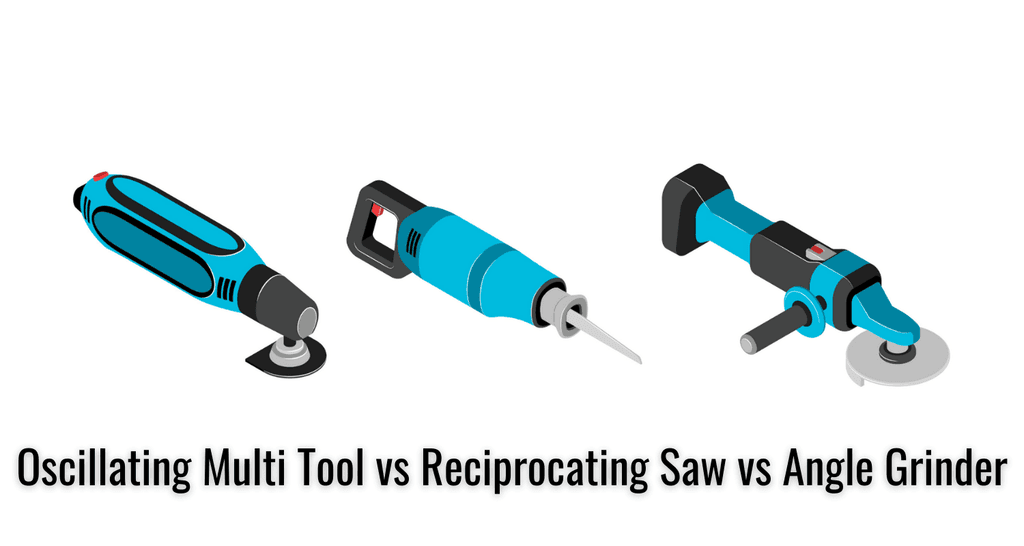
An oscillating tool is a handheld power tool that moves its blade or attachment side to side in a rapid motion. This movement is very small but very fast—usually between 8,000 and 20,000 oscillations per minute. You can attach different blades and accessories to cut, sand, grind, or scrape with one tool.
Oscillating tools are sometimes called multi-tools because they handle so many jobs. You will find them used for:
- Trimming door jambs
- Cutting drywall for electrical boxes
- Removing grout between tiles
- Sanding tight corners
- Scraping old paint or glue
Most oscillating tools are small, lightweight, and easy to hold with one hand. This makes them perfect for working in tight spaces or doing precise tasks.
What Is A Jigsaw?
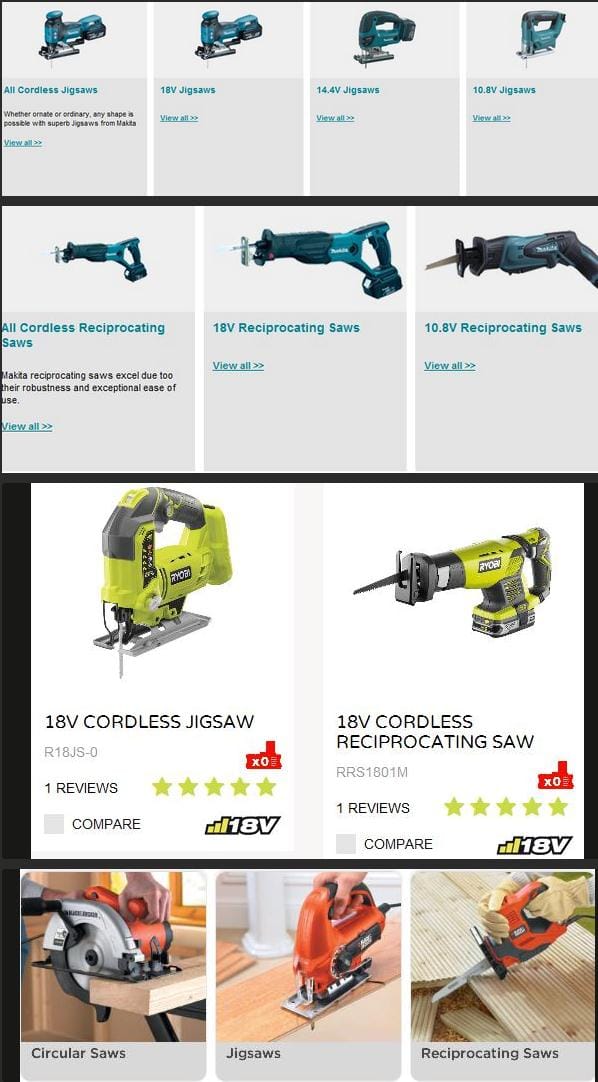
A jigsaw is another handheld power tool, but it uses a thin, straight blade that moves up and down very quickly. The blade cuts as you push it through wood, plastic, metal, or other materials. Jigsaws are famous for their ability to cut curves and shapes, not just straight lines.
Common uses for a jigsaw include:
- Cutting holes in countertops for sinks
- Shaping wood for craft projects
- Making curved cuts in plywood
- Cutting laminate flooring
Jigsaws are usually larger than oscillating tools and often need two hands for control. They are not as good in tight spaces but are excellent for long, curved cuts.
Key Differences At A Glance
To quickly see how these tools compare, here’s a side-by-side look:
| Feature | Oscillating Tool | Jigsaw |
|---|---|---|
| Motion | Side-to-side (oscillating) | Up-and-down (reciprocating) |
| Cutting Style | Precise, plunge, and flush cuts | Curves, straight, and bevel cuts |
| Best For | Detail work, small spaces | Long cuts, patterns, curves |
| Common Materials | Wood, drywall, metal, tile grout | Wood, plastic, soft metals |
| Size | Compact, lightweight | Larger, two-handed |
When Should You Use An Oscillating Tool?
The oscillating tool shines in situations where you need control and precision. Here are some cases where it’s the best choice:
- Flush Cuts in Tight Spaces: If you need to cut the bottom of a door frame or trim a pipe close to a wall, an oscillating tool fits where other saws cannot.
- Removing Grout or Caulk: The tool can grind out the material without damaging tiles or surfaces nearby.
- Cutting Small Openings: Electricians and plumbers use it to cut perfect rectangles in drywall for outlets or pipes.
- Detail Sanding: With a sanding pad, it reaches into corners and edges where larger sanders cannot go.
- Scraping Tasks: Attach a scraper blade to remove old adhesives, paint, or carpet glue.
Non-obvious Insight
Many beginners don’t realize that with the right blade, an oscillating tool can cut through metal nails or screws hidden in wood. This makes it ideal for remodeling jobs where you need to separate materials without complete demolition.
Practical Example
Imagine you’re installing new flooring and need to trim door casings so the new floor fits underneath. A jigsaw can’t get close enough to the floor, but an oscillating tool can make a flat, precise cut—saving you hours.
Credit: www.homedepot.com
When Is A Jigsaw The Better Choice?
A jigsaw is hard to beat for long, curved, or detailed cuts in sheet materials. Here’s where it excels:
- Cutting Curves or Shapes: Great for making circles, ovals, or wave patterns in wood or plastic.
- Making Long Straight Cuts: While not as precise as a table saw, a jigsaw can cut plywood, laminate, or countertop sections.
- Bevel Cuts: Many jigsaws allow the base to tilt, making angled cuts for joinery or decorative edges.
- Cutting Holes: Need a hole for a sink in a countertop? Drill a starter hole, insert the jigsaw blade, and follow your line.
- Crafts and DIY Projects: Perfect for making puzzles, signs, or any project needing custom shapes.
Non-obvious Insight
A jigsaw’s blade selection makes a big difference. Thin blades are better for tight curves; wider blades for straight lines. Many beginners use the wrong blade and get poor results.
Practical Example
You want to install a round sink in a kitchen counter. After drawing the circle and drilling a starter hole, a jigsaw lets you follow the curve easily—something an oscillating tool cannot do efficiently.
Cutting Performance Compared
How do these tools perform on different materials? Here’s a quick reference:
| Material | Oscillating Tool | Jigsaw |
|---|---|---|
| Wood (straight cut) | Short, precise cuts only | Long, straight or curved cuts |
| Metal | Thin pipes, nails, or screws | Thin sheet metal (with correct blade) |
| Drywall | Perfect for outlet boxes and patches | Good for large openings |
| Tile/Grout | Grout removal, plunge cuts | Not recommended |
| Plastic | Small pipes, trim | Large sheets, curves |
Credit: woodworking.stackexchange.com
Ease Of Use And Control
Both tools are designed for handheld use, but they feel very different in practice.
Oscillating Tool
- Lightweight: Easy to use with one hand.
- Controlled Cuts: The blade moves only a few degrees, so it’s less likely to jump or wander.
- Less Fatigue: Smaller size means less strain, especially above your head or at awkward angles.
- Learning Curve: Simple to start, but using the right accessory is important.
Jigsaw
- Requires Both Hands: More stability, but also more tiring for long jobs.
- Blade Wander: If you force the tool, the blade can bend, especially on curves.
- Speed Control: Most jigsaws have adjustable speeds. Going too fast can burn wood or break blades.
- Starter Holes Needed: For inside cuts, you must drill a hole first.
Versatility And Attachments
Oscillating tools win for attachment variety. With one tool, you can:
- Cut wood, metal, drywall, and plastic
- Sand, grind, or polish
- Scrape paint or adhesive
Jigsaws are more focused on cutting, but they do offer:
- Different blades for wood, metal, or plastic
- Bevel adjustment for angled cuts
A beginner might miss that high-quality blades and accessories often cost as much as the tool itself. Cheap accessories wear out quickly, so investing in branded options is usually smarter.
Safety Considerations
All power tools need respect. Here’s what you should know:
Oscillating Tool Safety
- Low Kickback: Safer for beginners because the movement is short and controlled.
- Noise and Vibration: Can be loud—hearing protection is wise.
- Blade Heat: Small blades heat up fast. Let them cool before touching.
Jigsaw Safety
- Blade Exposure: The fast-moving blade is open, so keep fingers away.
- Material Support: Workpieces should be clamped to avoid slipping.
- Dust and Debris: Jigsaws can create a lot of sawdust—wear eye protection.
Price And Value
Both tools come in corded and cordless versions. Prices range widely:
- Oscillating tools: $40–$200 for the tool; blades $10–$30 each.
- Jigsaws: $30–$150 for the tool; blades $5–$20 per set.
If you need one tool for many repair tasks, an oscillating tool is a better investment. For woodworking or crafts, a jigsaw might be all you need.
Common Mistakes To Avoid
- Using the Wrong Blade/Accessory: Each task needs a special blade. Forcing the tool with the wrong one leads to poor results and fast wear.
- Not Letting the Tool Do the Work: Both tools cut best with gentle pressure. Forcing them can bend blades or burn material.
- Skipping Safety Gear: Eye and hearing protection are a must, even for quick jobs.
- Ignoring Material Support: Always clamp your work for jigsaws. For oscillating tools, make sure the material won’t move or vibrate.
- Overheating Blades: Give the blade breaks to avoid dulling or burning.
Which Tool Should You Buy First?
For homeowners, an oscillating tool is often the most useful first purchase. It handles a wide range of repairs, especially in older homes. If you do lots of woodworking or creative projects, a jigsaw is essential for shapes and curves.
Some users eventually buy both, since each tool solves different problems.
Credit: engineerwarehouse.com
Real-life Scenarios
- Bathroom Remodel: Need to cut through drywall, remove old grout, and trim pipes? Oscillating tool does it all.
- Making a Bookshelf: Need to cut curves in plywood or drill inside holes? Jigsaw is your best friend.
- Repairing a Broken Window Frame: Oscillating tool trims rotted wood flush with glass; jigsaw shapes the replacement piece.
Expert Tip: Try Before You Buy
If possible, try each tool in a store or borrow from a friend. The feel in your hand makes a big difference. Some oscillating tools vibrate more than others. Some jigsaws have better speed control or less blade wobble.
You can also check detailed tool reviews and guides at Popular Mechanics for up-to-date recommendations.
Frequently Asked Questions
What Is The Main Difference Between An Oscillating Tool And A Jigsaw?
The oscillating tool moves its blade side to side in small, fast motions, making it great for detail work and tight spaces. The jigsaw moves the blade up and down, allowing for long, curved, or straight cuts in larger materials.
Can I Use An Oscillating Tool Instead Of A Jigsaw For Cutting Curves?
No, the oscillating tool is not designed for smooth, long curves. It is best for straight, plunge, or small detail cuts. For curves and shapes, a jigsaw is the better choice.
Are Both Tools Safe For Beginners?
Yes, both are safe if you follow instructions. The oscillating tool is often easier for beginners because it is smaller and less likely to kick back. Always use safety gear and the correct blade for your material.
Which Tool Is Better For Cutting Metal?
The oscillating tool is good for small metal cuts, like nails or pipes. The jigsaw can cut thin sheet metal if you use the right blade, but it’s not ideal for thick metal.
Do I Need Special Blades For Each Tool?
Yes, both tools require different blades for wood, metal, or plastic. Using the wrong blade can damage your tool or give poor results. Always check the packaging to make sure you have the right blade for your task.
Choosing between an oscillating tool and a jigsaw depends on your projects. With the right knowledge, you can pick the tool that saves you time and helps you work smarter.