
Soldering is an essential skill for electronics, plumbing, jewelry making, and metalwork. But not all solder is the same. Choosing the right solder type can make your work easier, safer, and produce better results. If you’re new to soldering, the number of options can feel overwhelming. Different projects need different solders, and the wrong choice can lead to weak joints, corrosion, or even safety risks. This guide will help you understand the different solder types, their uses, and how to pick the best one for your project.
What Is Solder?
Solder is a fusible metal alloy. It melts at a lower temperature than the pieces being joined. When melted, solder flows into the joint, cools, and creates a strong connection. Most people know solder from electronics, but it’s also used in plumbing, stained glass, automotive work, and art.
Main Types Of Solder
The world of solder is divided into a few main types. Each has specific uses and properties.
1. Lead-based Solder
Lead-based solder has been popular for decades, especially in electronics. The most common mix is 60% tin and 40% lead (60/40). It melts at about 188°C (370°F). This solder flows smoothly and is easy to work with. However, lead is toxic. Many countries now ban it in consumer electronics.
Pros:
- Flows and wets well
- Easy to use for beginners
Cons:
- Health risks from lead fumes and dust
- Not allowed for drinking water pipes or most electronics
2. Lead-free Solder
Due to safety concerns, most industries now use lead-free solder. The main alloy is usually tin with silver, copper, or both (like SAC305: 96.5% tin, 3% silver, 0.5% copper). Melting points are higher, around 217–221°C (423–430°F), so you need more heat.
Pros:
- Safer for health and environment
- Approved for drinking water and electronics (RoHS compliant)
Cons:
- Harder to work with (higher temperature, less smooth flow)
- Joints sometimes are more brittle
3. Silver Solder
Despite its name, silver solder often refers to both silver-bearing soft solders and high-temp hard solders used in jewelry. For electronics, it means a tin-silver alloy (like 62% tin, 36% lead, 2% silver). For jewelry, the content is often much higher in silver.
Pros:
- Stronger joints
- Better electrical conductivity
- Good for high-stress or vibration areas
Cons:
- More expensive
- Higher melting temperature
4. Rosin-core Solder
Rosin-core solder has a hollow center filled with flux. The flux helps clean the metal and allows the solder to flow better. This type is common in electronics.
Pros:
- No extra flux needed
- Easy for electronics work
Cons:
- Rosin smoke can irritate lungs
- Not suitable for plumbing
5. Acid-core Solder
Acid-core solder contains an acid-based flux. It’s designed for plumbing and metal repair, not for electronics. The acid cleans tough oxidation but can damage electronics.
Pros:
- Cleans dirty metals well
- Good for joining copper pipes
Cons:
- Acid residue can corrode electronics
- Needs careful cleaning after use
6. Plumbing Solder
This solder is lead-free and usually contains tin and antimony or copper. It is certified as safe for drinking water pipes.
Pros:
- Safe for water systems
- Melts at a moderate temperature
Cons:
- Not always suitable for electronics or fine work
7. Jewelry Solder
Jewelry solder comes in several types, often with higher silver or gold content. It’s made to match the color and strength of the piece.
Pros:
- Matches jewelry metal color
- High strength and durability
Cons:
- Expensive
- Needs a torch, not just a soldering iron
Credit: www.reddit.com
Solder Forms And Shapes
Solder is sold in several shapes. Choosing the right one depends on your application.
Wire Solder
Wire solder is the most common. It comes in spools of different diameters. Thin wire (like 0.5–1 mm) is best for fine electronics.
Bar Solder
Bar solder is used in wave soldering machines and for melting in large pots. It’s not for hand work.
Solder Paste
Solder paste is a thick, sticky mix of powdered solder and flux. It’s used for surface mount devices (SMD) in electronics. After placing the components, the paste is heated to melt the solder.
Preforms And Pellets
Special shapes like preforms and pellets are made for automated assembly. They provide exact amounts for each joint.
Understanding Solder Alloys
The properties of solder depend on its alloy composition. Here’s a comparison of common alloys:
| Alloy | Common Uses | Melting Point (°C) | Notes |
|---|---|---|---|
| 60/40 Tin/Lead | Electronics, hobby | 188 | Smooth flow, easy work |
| 63/37 Tin/Lead | Electronics (eutectic) | 183 | Sharp melting point |
| SAC305 (Sn/Ag/Cu) | Lead-free electronics | 217–221 | Most common RoHS alloy |
| 95/5 Tin/Antimony | Plumbing | 240 | Strong, lead-free |
How To Choose The Right Solder
Selecting the best solder type depends on your project, tools, and safety needs. Here are the main factors to consider:
- Material Compatibility: Make sure your solder is compatible with the metals you are joining. For electronics, stick to tin-based solder. For copper pipes, use plumbing solder.
- Application Area: For electronics, use rosin-core or lead-free solder. For plumbing, only lead-free, acid-core types are allowed.
- Required Strength: Jewelry and plumbing need strong joints. Choose silver or high-tin alloys.
- Safety and Regulations: Many countries ban lead solder in consumer products. Check regulations before buying.
- Melting Point: Match the solder’s melting point to your equipment. Lead-free solder needs more heat, which not all soldering irons can handle.
- Flux Type: Choose flux core for electronics. For other work, you may need to apply flux separately.
- Diameter/Form: Use thin wire for detailed electronics and thick wire or bars for heavy-duty work.
Soldering Flux: Why It Matters
Flux is a chemical that helps solder flow and stick. Without flux, solder will not bond well to metal. There are three main types:
- Rosin flux: For electronics. Non-corrosive and easy to clean.
- Acid flux: For plumbing. Removes heavy oxidation, but must be cleaned off.
- Water-soluble flux: Easy to wash away, but can be corrosive if not removed.
Using the wrong flux can ruin your project. For example, acid flux in electronics can eat away copper traces over time.
Solder Wire Diameter: How To Choose
The diameter of your solder wire affects how much solder you deposit. Too thick, and you may flood the joint. Too thin, and you must feed more solder, which is slow.
| Diameter (mm) | Best Use | Pros | Cons |
|---|---|---|---|
| 0.3 – 0.5 | Fine SMD, micro work | Precise, avoids bridges | Slow for big jobs |
| 0.6 – 1.0 | General electronics | Versatile | May be too thick for tiny pads |
| 1.2 – 2.0 | Large wires, connectors | Fills large joints fast | Hard to control in small work |
Common Beginner Mistakes
Many new solder users make the same errors:
- Using plumbing solder for electronics: Plumbing solder may have acid flux and damage circuits.
- Not cleaning after acid flux: Leftover flux can corrode joints.
- Wrong diameter solder: Too thick makes neat work difficult.
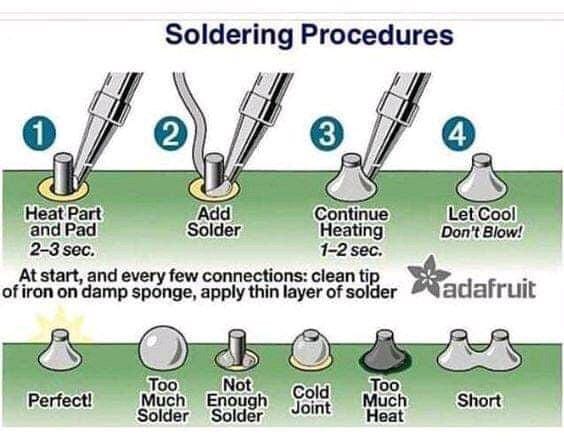
- Not enough heat for lead-free solder: Joints may be weak or “cold.”
- Choosing solder without checking regulations: Lead solder is banned in many products.
Credit: www.aixuntech.com
Advanced Solder Types
There are some special solder types for unique needs.
Solder For High-temperature Applications
Some solders are made for high-heat use, like in automotive or aerospace. These may use silver or special alloys. They need a torch instead of a soldering iron.
Low-temperature Solder
Low-temp solder melts at much lower temperatures (like 138°C). It’s used for sensitive components and rework.
Solder For Aluminum
Aluminum does not bond well with normal solder. Special aluminum solder contains zinc and other metals for this purpose.
Storage And Handling Tips
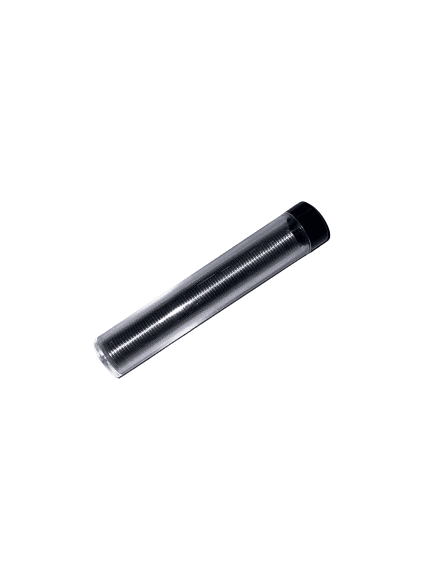
- Keep solder dry and clean. Moisture can make flux less effective.
- Wear gloves when handling lead-based solder.
- Label your solder to avoid mixing types.
- Store away from food and children.
Credit: portasol.com
Lead Vs. Lead-free Solder: A Quick Comparison
Here’s a side-by-side look at lead and lead-free solder properties:
| Property | Lead Solder | Lead-Free Solder |
|---|---|---|
| Melting Point | ~183–190°C | ~217–221°C |
| Workability | Very easy | Harder, less flow |
| Health Risks | High (toxic) | Low |
| Regulation | Restricted/banned | Allowed |
| Use Cases | Hobby, repair | Commercial, plumbing |
Two Insights Beginners Often Miss
First, many people do not realize that the flux inside solder wire can dry out if stored for years. Old solder may not flow well, causing frustration and weak joints.
Second, it’s common to think that stronger solder equals stronger joints. In reality, the solder joint’s strength comes mostly from the metals being joined and joint design, not just the alloy. Proper technique matters more than the type of solder.
Safety Tips For Soldering
- Ventilation is key: Always solder in a well-ventilated area. Solder fumes can be harmful, especially from rosin or lead.
- Wash hands after use: Especially when working with lead-based solder.
- Wear safety glasses: Solder can splatter.
For more information about solder types and safety, see this Wikipedia solder article.
Frequently Asked Questions
What Is The Best Solder For Electronics?
For most modern electronics, lead-free rosin-core solder is recommended. If regulations allow and you’re a hobbyist, 60/40 tin/lead rosin-core solder is easier to use. Use a diameter of 0.6–0.8 mm for most PCB work.
Can I Use Plumbing Solder For Electronics?
No, plumbing solder often contains acid flux, which can damage electronic circuits. Always use rosin-core solder for electronics.
How Do I Know If My Solder Is Lead-free?
Check the packaging for labels like “lead-free,” “RoHS,” or “Pb-free. ” Lead-free solder often has a higher melting point and may be marked with alloy codes like SAC305.
Does Solder Expire?
Solder itself lasts a long time, but flux inside solder wire can go bad after several years, especially if not stored well. If your solder doesn’t flow easily, it may be old.
Is Silver Solder Always Better?
Not always. Silver solder is stronger and better for high-stress joints, but it is more expensive and can be harder to work with. For most electronics, standard lead-free solder is enough.
Choosing the right solder type is key to good results and safety in any project. By understanding your options, using the right tools, and following best practices, you’ll make strong, lasting connections every time.
