
75% Argon / 25% Co₂ (c25)
good Balance Of Cost, Appearance, And Penetration
aluminum (tig)
100% Argon
ensures A Stable Arc And Clean Welds
stainless Steel (mig)
98% Argon / 2% Oxygen
improves Arc Stability And Reduces Oxidation
thick Copper (tig/mig)
75% Helium / 25% Argon
helium Boosts Heat Input For Deep Penetration
thin Steel (mig)
90% Argon / 10% Co₂
less Heat, Reduces Burn-through Risk
This comparison helps you match the right shielding gas to your material and welding method. But remember, these are starting points—your shop conditions and project needs might require small adjustments.
How To Test And Adjust
Many welders don’t get perfect results on their first try. Testing is a normal part of the process:
- Start with the recommended gas blend for your metal and process.
- Make a small test weld on scrap metal.
- Look for signs of problems: Porosity (holes), excess spatter, or weak joints.
- Adjust your gas flow rate or try a slightly different mix if you see issues.
Practical tip: Take notes each time you change the gas. Over time, you’ll build a personal “cheat sheet” for future projects.
Common Mistakes And How To Avoid Them
Even experienced welders can make mistakes with shielding gases. Here’s how to avoid the most common problems:
1. Using The Wrong Gas For The Metal
For example, using pure CO₂ on aluminum will give poor results—expect lots of spatter and weak welds. Always check what your metal needs before starting.
2. Incorrect Gas Flow Rate
Too low and air gets in, causing porosity. Too high and you waste gas (and money), and might disturb the weld pool. Typical flow rates for MIG are 20–30 cubic feet per hour (CFH), and for TIG about 15–20 CFH, but always check your machine’s manual or gas supplier’s recommendation.
Example: If you’re welding outside in wind, you may need to increase the flow rate slightly, but never so much that it blows away the weld pool.
3. Not Checking For Leaks
A tiny leak in your hose or connector can let air in, causing holes or weak welds. Spray soapy water on connections and watch for bubbles—a simple but effective test.
4. Using Dirty Or Rusty Metal
Even the best shielding gas can’t fix problems caused by oil, paint, or rust on your base metal. Clean your work area with a wire brush or grinder before welding.
5. Ignoring Gas Purity
If your gas cylinder is contaminated, your welds will suffer. Buy gas from a trusted supplier and keep cylinders capped when not in use.
Non-obvious insight: Gas cylinders have a limited shelf life. Over time, internal pressure drops, and moisture or air can enter, especially if valves are left open. Rotate your stock and check dates.
6. Over-relying On Pre-set Mixes
While pre-mixed cylinders are convenient, they aren’t always right for your project. Don’t be afraid to experiment with mixes if you’re not getting the results you want.
Safety Tips With Shielding Gases
Shielding gases seem harmless because they’re invisible and don’t burn, but they do have risks. Here’s how to stay safe:
- Ventilation: Most shielding gases are heavier than air and can collect in low spots, pushing out oxygen. Always weld in a well-ventilated area to prevent suffocation.
- Cylinder Handling: Gas cylinders are heavy and under high pressure. Always secure them upright and move them with a proper cart.
- Leak Detection: Use soapy water to check fittings. Never use a flame.
- Protect Your Skin and Eyes: The shielding gas won’t protect you from UV light or sparks. Always wear proper gloves, helmet, and clothing.
- Storage: Store cylinders away from heat and sunlight. Keep valves tightly closed when not in use.
- Label Awareness: Never rely on color alone—always read the label before connecting a gas cylinder.
- Emergency Plan: Know where your exits and ventilation controls are in case of a gas leak.
Non-obvious insight: In small or enclosed spaces, even a slow shield gas leak can reduce oxygen levels enough to make you dizzy or faint without warning. Always have a buddy system if welding in confined spaces.
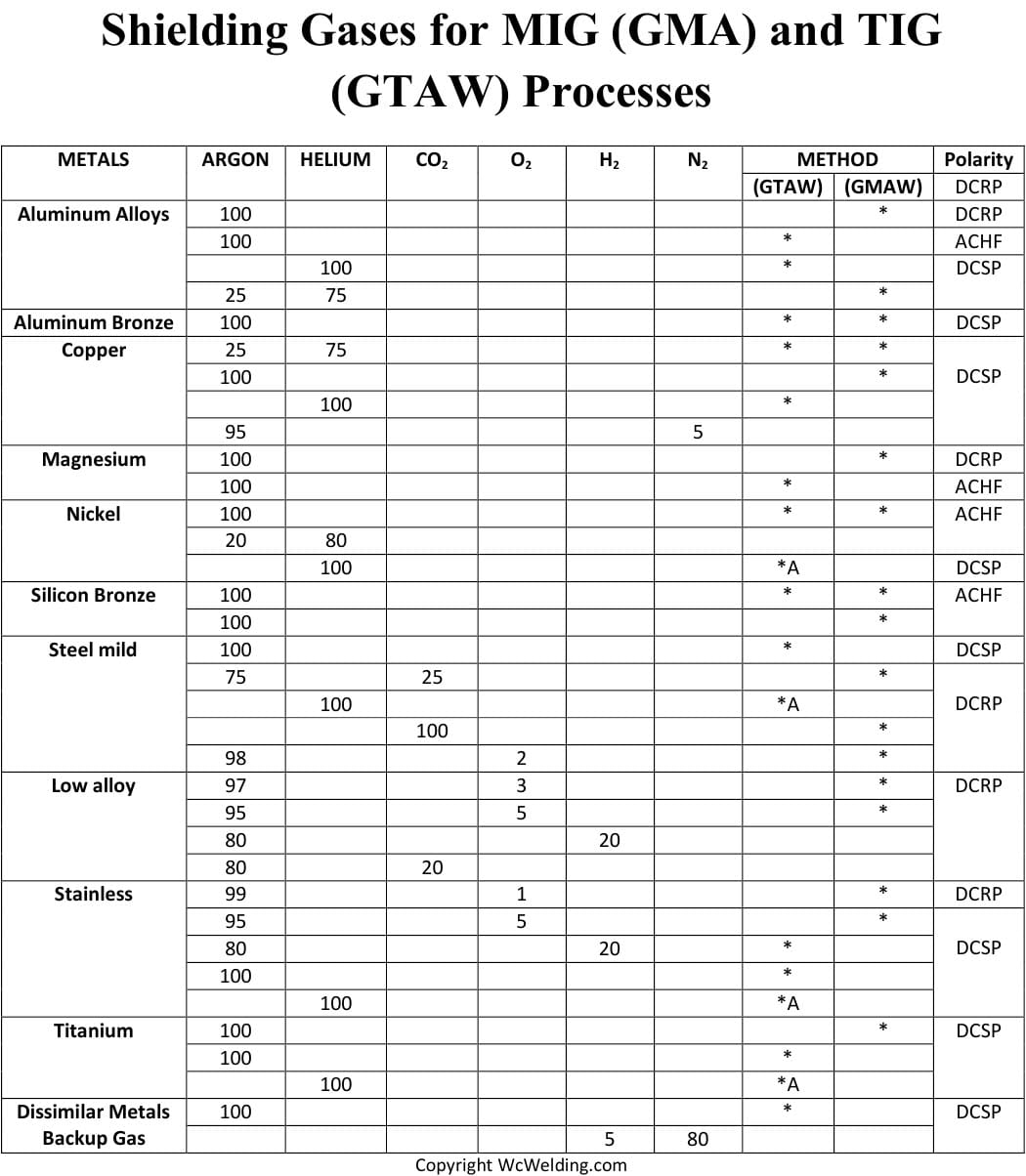
Credit: www.wcwelding.com
Advanced Tips For Better Results
As you gain experience, try these advanced techniques to get the most from your shielding gas:
Optimize Gas Flow And Nozzle Distance
- Hold the nozzle close enough (about 1/4 to 1/2 inch from the weld) so the gas covers the weld pool.
- Avoid angling the torch too much, which lets air in.
- For TIG, a gas lens can help spread the gas more evenly over the weld.
Try Pulse Welding With Specialty Mixes
Pulse welding (on newer machines) works especially well with certain argon-helium or argon-CO₂ blends. The pulsing current allows better control of heat, making it easier to weld thin materials or out-of-position joints.
Use Shielding Gas For Better Appearance
Some gases can give your welds a brighter, more even finish—important for visible joints on furniture, bikes, or art pieces. Practice with small test pieces to see which mix gives the look you want.
Adjust For Weather And Workspace
Wind, fans, or drafts can blow away shielding gas, ruining your weld. If you have to weld outdoors, use windbreaks or special nozzles made to shield the arc. For indoor shops, check airflow to avoid wasting gas.
Keep Records Of Results
Professional welders keep logbooks with details on gas type, mix, flow rate, and results. This makes troubleshooting easier next time. Even a simple notebook or phone notes app can save you hours of trial and error.
Non-obvious insight: Some specialty gas suppliers offer trial kits with small cylinders of different blends. These can be a smart way to experiment without committing to a large, expensive tank.
When To Ask For Expert Help
If you keep getting poor results—cracks, ugly welds, or weak joints—don’t hesitate to ask for advice. Local welding supply shops often have experts who can look at your work, suggest better gas blends, or help troubleshoot problems. Online forums like WeldingWeb or [The American Welding Society](https://www.aws.org/) are also great places to ask questions and share experiences.
Choosing the right shielding gas is one of the most important decisions in welding. It’s not just about following rules—it’s about understanding how each gas interacts with your metal, your process, and your working environment. Take time to test, observe, and tweak your setup.
Small changes in gas type, mix, or flow can make a big difference in the final result.
Remember, even experienced welders are always learning about shielding gases. By paying attention to details, avoiding common mistakes, and staying curious, you’ll build stronger, cleaner, and safer welds for every project.
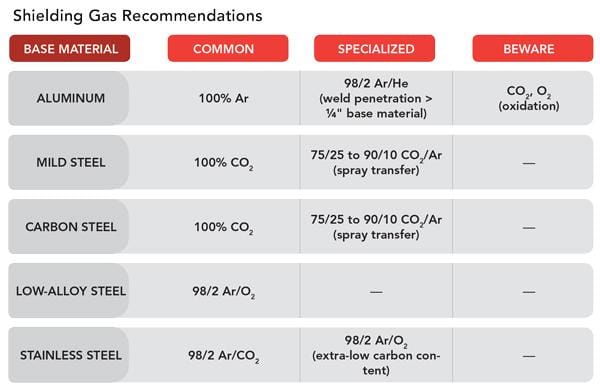
Credit: www.thefabricator.com
