
Choosing the right battery for your power tools, lawn equipment, or e-bikes can make a huge difference in performance and convenience. Two popular options you often see are the 6Ah battery and the 9Ah battery. At first, the difference seems simple—one has a higher number, so it must be better, right? But the truth goes deeper. There are specific situations where one battery easily outperforms the other, and a few hidden details most beginners miss.
This guide looks closely at both 6Ah and 9Ah batteries, comparing their power, runtime, size, weight, cost, and more. By the end, you’ll understand which battery fits your needs best and how to avoid common mistakes people make when choosing between them.
What Does Ah Mean In Batteries?
Before comparing 6Ah and 9Ah batteries, it helps to know what Ah means. The letters Ah stand for ampere-hour, a measure of how much electric charge a battery can deliver in one hour. For example, a 6Ah battery can provide 6 amps of current for one hour before it runs out. A 9Ah battery delivers 9 amps for one hour, or 1 amp for nine hours, and so on.
But Ah is not the only factor. The battery’s voltage also matters. Most power tools use 18V or 20V batteries, but Ah tells you how long the battery will last at a given power level. A higher Ah means longer runtime, but there are trade-offs.
Capacity And Runtime
One of the main reasons people upgrade from a 6Ah to a 9Ah battery is to get a longer runtime. With more ampere-hours, the 9Ah battery holds more energy.
| Battery | Estimated Runtime (Standard Power Tool) |
|---|---|
| 6Ah | 1.5–2 hours |
| 9Ah | 2.5–3 hours |
These numbers are rough averages. The actual runtime depends on the tool, workload, and battery age. For example, a 6Ah battery in a cordless drill may give you enough power for a full day of light work, but if you’re cutting thick lumber with a circular saw, you might drain it in less than an hour.
Key insight: Many people assume a 9Ah battery always lasts 50% longer than a 6Ah. In reality, efficiency losses, temperature, and tool type can change the results. Some heavy-duty tools draw more current and will drain both batteries faster than expected.
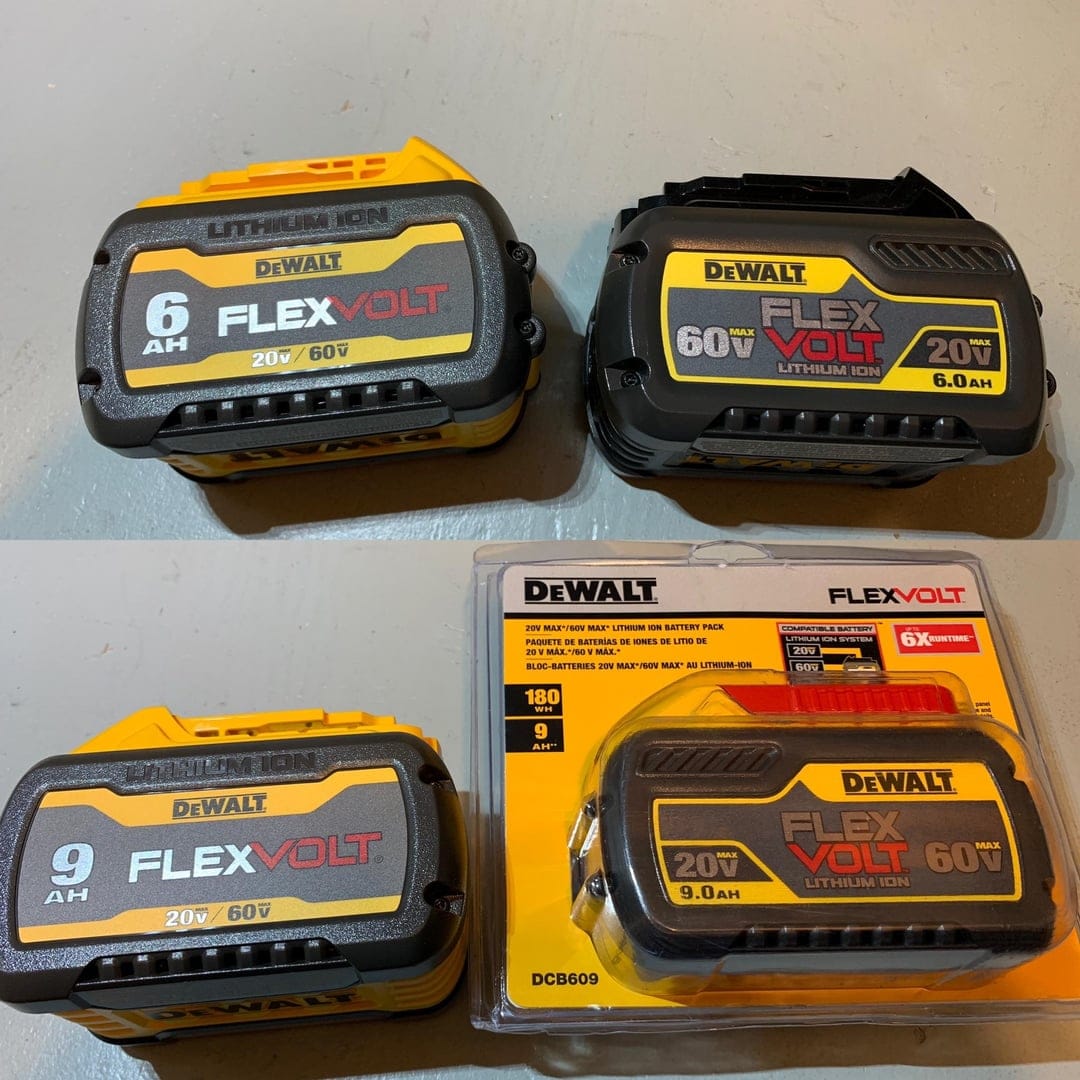
Credit: www.reddit.com
Power Output And Performance
A common myth is that a battery with more Ah gives more power. In reality, Ah measures capacity (how long it lasts), not the strength of the energy delivered at one moment. Power tools usually draw as much current as they need, so both 6Ah and 9Ah batteries can deliver the required power—if the battery is high-quality and designed for the tool.
However, some advanced 9Ah batteries use better cell technology (like 21700 cells instead of 18650). This can let them deliver higher currents without overheating, which gives a small edge in demanding tasks like:
- Cutting thick metal
- Mixing concrete
- Running large lawn mowers
If you use your tools for heavy-duty jobs, a 9Ah battery may give more stable performance with less chance of voltage drop.
Size And Weight Differences
A bigger battery often means more weight. This is one of the main downsides of moving from 6Ah to 9Ah.
| Battery | Average Weight | Physical Size |
|---|---|---|
| 6Ah | 1.0–1.2 kg (2.2–2.6 lbs) | Standard (Fits most tools) |
| 9Ah | 1.5–1.8 kg (3.3–4 lbs) | Larger (May not fit all tools) |
If you use your tool overhead or for long hours, a 9Ah battery can feel heavy. For example, if you’re drilling holes in a ceiling, the extra weight adds up quickly. Some users prefer two 6Ah batteries instead of a single 9Ah, swapping them to avoid fatigue.
Non-obvious tip: Not every tool accepts 9Ah batteries. Some compact or older tools have battery slots that are too small for the larger 9Ah packs. Always check compatibility before buying.
Charging Time
With more energy storage, a 9Ah battery takes longer to recharge.
- 6Ah battery: Usually 60–90 minutes with a fast charger
- 9Ah battery: Often 1.5–2.5 hours with a fast charger
If you only have one charger and one battery, a 9Ah battery might leave you waiting longer between jobs. Some users solve this by keeping a smaller, faster-charging battery as backup.
Insider advice: Not all chargers can safely charge a 9Ah battery at full speed. Using the wrong charger can slow things down or even damage the battery. Always use the charger recommended by the manufacturer.
Cost Comparison
The price difference between 6Ah and 9Ah batteries can be significant. On average, a 9Ah battery costs 40–70% more than a 6Ah battery. For example:
- 6Ah battery: $80–$120 USD
- 9Ah battery: $130–$200 USD
Is the extra cost worth it? If you need the extra runtime or power, yes. For most home users, a 6Ah battery gives a better balance of price and performance. Professionals who use tools all day may find the investment in a 9Ah battery pays off in fewer interruptions.
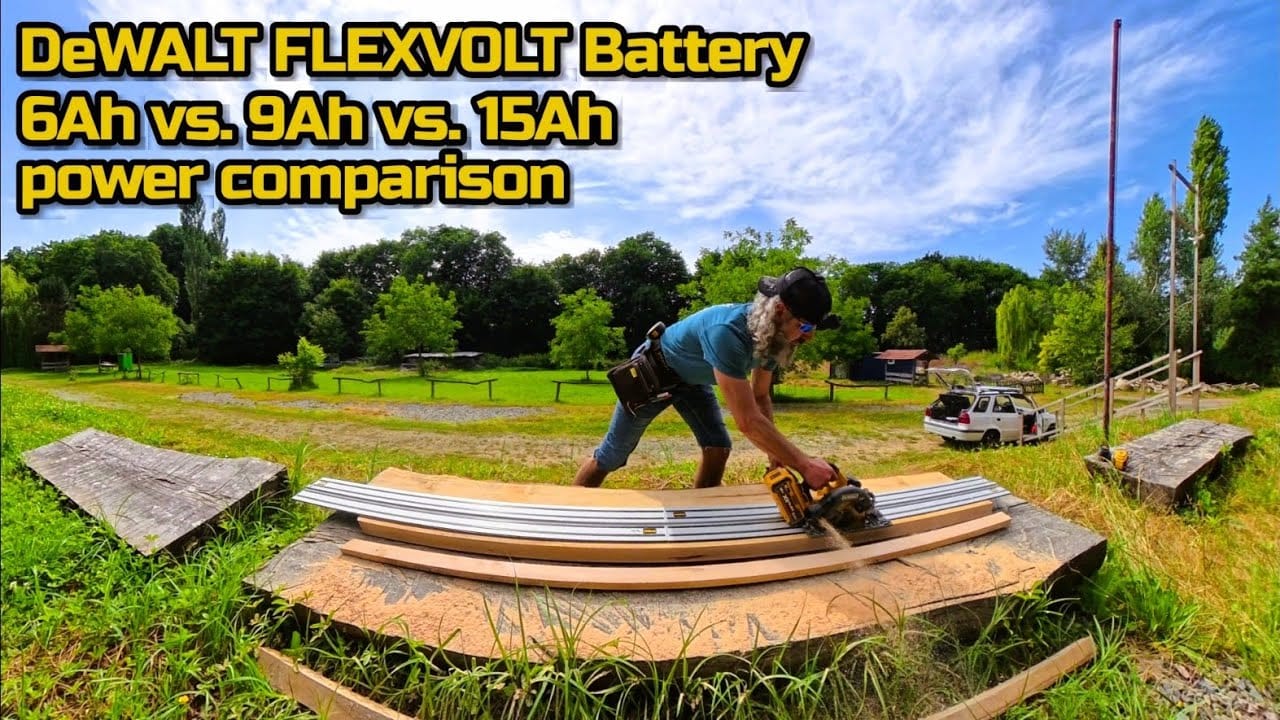
Credit: www.youtube.com
Lifespan And Durability
Both 6Ah and 9Ah batteries can last 3–5 years if cared for properly. Lifespan is usually measured in charge cycles—how many times you can fully charge and discharge the battery before it loses capacity.
- Typical cycles: 500–1,000 for both battery types
But here’s a detail many miss: because a 9Ah battery is bigger, you might use fewer cycles for the same amount of work. For example, if a 6Ah battery runs out and needs recharging three times to finish a big job, a 9Ah battery might only need to be charged twice. This can help the 9Ah battery last longer in real-world use.
Important tip: Heat, overcharging, and deep discharges reduce battery life. Store batteries in a cool place and avoid using them until completely empty.
Tool Compatibility
Not all tools support every battery size. Most brands design 6Ah batteries to fit all their cordless tools. With 9Ah batteries, you need to check:
- Physical fit: Does the battery slot have enough space?
- Weight balance: Will the tool become unbalanced or awkward?
- Electronics: Some older tools have electronics that limit battery size.
If you have a mix of old and new tools, 6Ah batteries are usually the safest choice for universal use.
Practical Scenarios: Which Battery To Choose?
Here are examples to help you decide which battery works best for different jobs.
Home Diy User
If you do small projects, fix furniture, or hang shelves, a 6Ah battery will easily power drills, drivers, and saws. You get enough runtime without extra weight or cost.
Contractor Or Professional
If you use tools all day—framing, roofing, or cutting concrete—a 9Ah battery means fewer stops to recharge. For tough jobs, the higher capacity and better cell technology make a real difference.
Lawn And Garden Tools
Lawn mowers, trimmers, and leaf blowers draw a lot of power. A 9Ah battery can finish a medium lawn on one charge, while a 6Ah might need swapping halfway through.
E-bikes And Scooters
E-bikes often use 6Ah or 9Ah batteries. More Ah means more riding distance, but also more weight. If you need to carry the battery up stairs, a 6Ah may be easier.
Environmental Impact
Larger batteries use more raw materials like lithium, nickel, and cobalt. If you only need short runtimes, choosing a 6Ah battery can be more eco-friendly. However, using fewer charge cycles (as with a 9Ah battery) can reduce waste in the long run.
Interesting fact: Recycling programs exist for both battery types. Always recycle old batteries at an approved center.
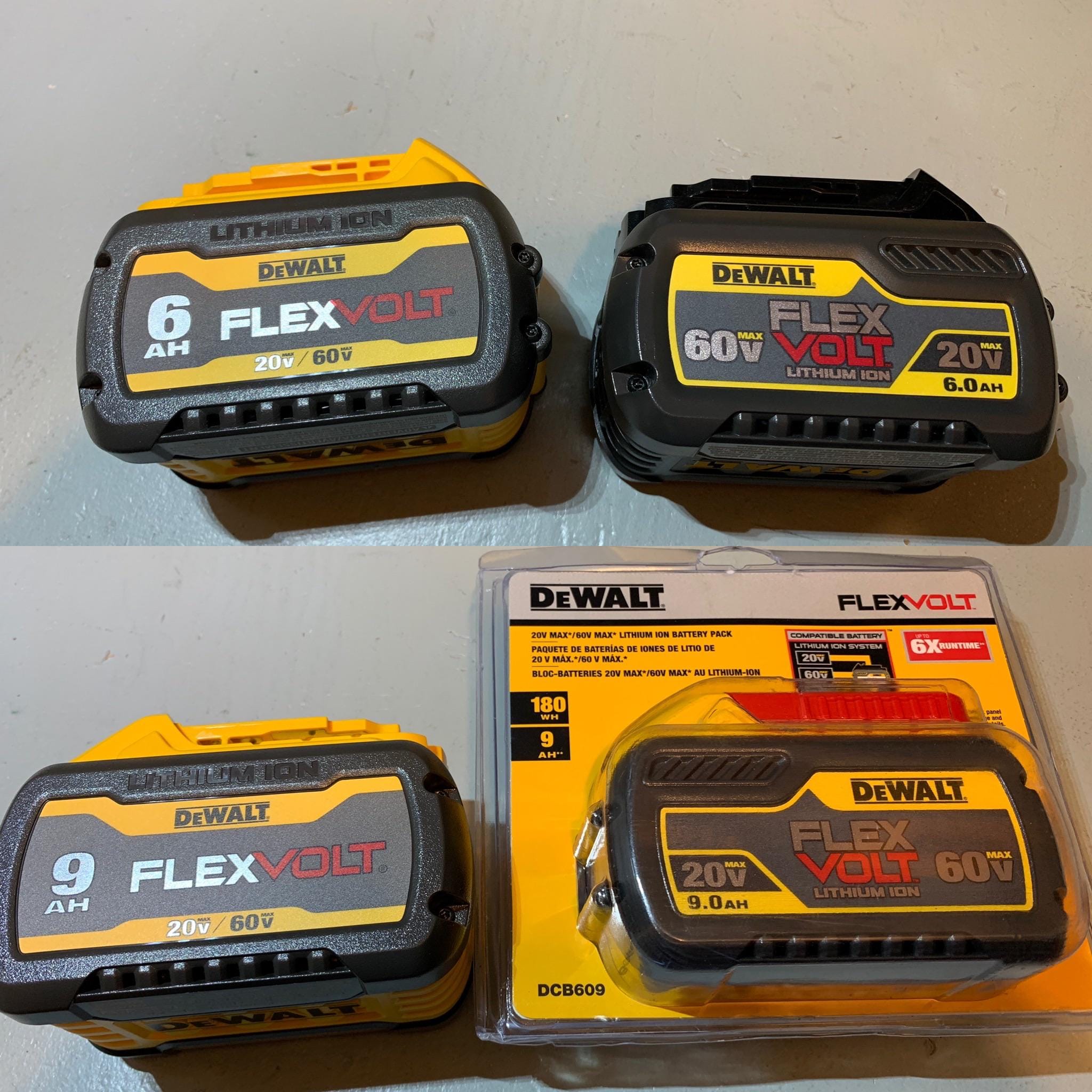
Credit: www.reddit.com
Brand Differences
Not all 6Ah or 9Ah batteries are equal. Leading brands like Makita, DeWalt, and Milwaukee use high-quality cells with good safety features. Cheaper, no-name brands may overstate Ah ratings or use lower-quality cells, leading to disappointing performance and shorter life.
Pro tip: Read reviews and check for genuine certifications (like UL or CE marks) when buying batteries.
For more information on battery standards and safety, see this Lithium-ion battery guide.
Summary Table: 6ah Vs 9ah Batteries
To make everything clear, here’s a quick comparison.
| Feature | 6Ah Battery | 9Ah Battery |
|---|---|---|
| Capacity | 6 ampere-hours | 9 ampere-hours |
| Runtime | Shorter | Longer |
| Weight | Lighter | Heavier |
| Cost | Lower | Higher |
| Charging Time | Faster | Slower |
| Compatibility | Fits most tools | May not fit all tools |
| Best For | DIY, light use | Professional, heavy-duty |
Mistakes To Avoid When Choosing
- Focusing only on Ah: Don’t forget about weight, size, and cost.
- Ignoring tool compatibility: Double-check your tool’s battery slot before buying.
- Buying cheap, unbranded batteries: These can be unsafe and don’t last as long.
- Using the wrong charger: Not all chargers are made for high-capacity batteries.
- Storing batteries in hot places: Heat kills batteries faster than use.
Frequently Asked Questions
What Does Ah Mean In A Battery?
Ah stands for ampere-hour, a measure of how much electric charge a battery can deliver over one hour. Higher Ah means the battery lasts longer between charges.
Will A 9ah Battery Make My Tool Stronger?
Not directly. Both 6Ah and 9Ah batteries can deliver the same power if the tool allows it. The main difference is runtime—the 9Ah battery lasts longer.
Can I Use A 9ah Battery In Any Tool That Takes A 6ah?
Not always. Some tools have battery slots that are too small for a 9Ah battery, or electronics that limit the battery size. Check your tool’s manual or manufacturer’s website before buying.
Is A 9ah Battery Worth The Extra Money?
If you need longer runtime, use tools for heavy work, or want to reduce charging stops, yes—a 9Ah battery is a good investment. For simple home tasks, a 6Ah is usually enough.
How Do I Make My Batteries Last Longer?
Store batteries in a cool, dry place, avoid deep discharges, use the correct charger, and buy from trusted brands. These steps help both 6Ah and 9Ah batteries reach their full lifespan.
Choosing between a 6Ah and 9Ah battery depends on your needs, budget, and tools. Now you know the facts, you can pick the battery that gives you the best mix of power, runtime, and value for your work.
