
Angle Grinder Kickback Prevention
Angle grinders are powerful tools used in metalworking, construction, and even home workshops. They can cut, grind, and polish many materials. But with this power comes risk—kickback is one of the most dangerous hazards. Kickback happens when the spinning disc catches or binds, causing the tool to jerk or spin out of control.
This can lead to serious injuries in just a split second.
Many users, especially beginners, do not realize how quickly kickback can occur and how much force it can generate. The good news? Kickback can be prevented with the right knowledge and practices. Understanding what causes it, using proper techniques, and choosing the right equipment will keep you safe and confident with your angle grinder.
This guide covers everything you need to know about angle grinder kickback prevention. Whether you are a new user or have years of experience, these insights will help you work smarter and safer.
What Is Angle Grinder Kickback?
Kickback is a sudden, forceful movement of the angle grinder. It usually happens when the tool’s wheel catches on the material, stops, or binds. The spinning energy transfers to the body of the grinder, causing it to jerk toward or away from the user.
The result can be lost control, hand injuries, cuts, or even worse.
Key causes of kickback include:
- The wheel binding in a cut
- Twisting the grinder while cutting
- Using the wrong disc for the job
- Damaged or worn-out discs
- Excessive force or pressure
It’s important to know that kickback is not just a minor annoyance. According to a study in the International Journal of Injury Control and Safety Promotion, angle grinders are responsible for more than 5,400 injuries each year in the UK alone.
Most are linked to kickback.
Common Causes Of Kickback
Understanding why kickback happens is the first step to prevention. Here are the main reasons:
1. Disc Binding
When the disc gets stuck in the material, the wheel suddenly stops but the grinder’s motor keeps trying to spin. This energy releases in a violent jerk. Binding often happens when cutting deep or changing the angle mid-cut.
2. Twisting Or Tilting
If you twist the grinder or tilt it too much while cutting, the disc can catch the edge of the material. This uneven contact quickly leads to kickback.
3. Using The Wrong Disc
Each disc is made for a specific job—cutting, grinding, or polishing. Using a cutting disc for grinding, or vice versa, increases the risk of catching or shattering.
4. Worn Or Damaged Discs
Cracked, chipped, or worn-out discs are unstable. They are more likely to break, catch, or explode, causing sudden kickback.
5. Excessive Pressure
Let the grinder do the work. Pushing too hard slows the disc and makes it likely to catch and bind.
6. Incorrect Guard Use
Removing or repositioning the guard puts your hands and body in the path of a flying grinder if kickback happens.
7. Unstable Workpiece
If the material moves during cutting, the disc can bind or slip, leading to loss of control.
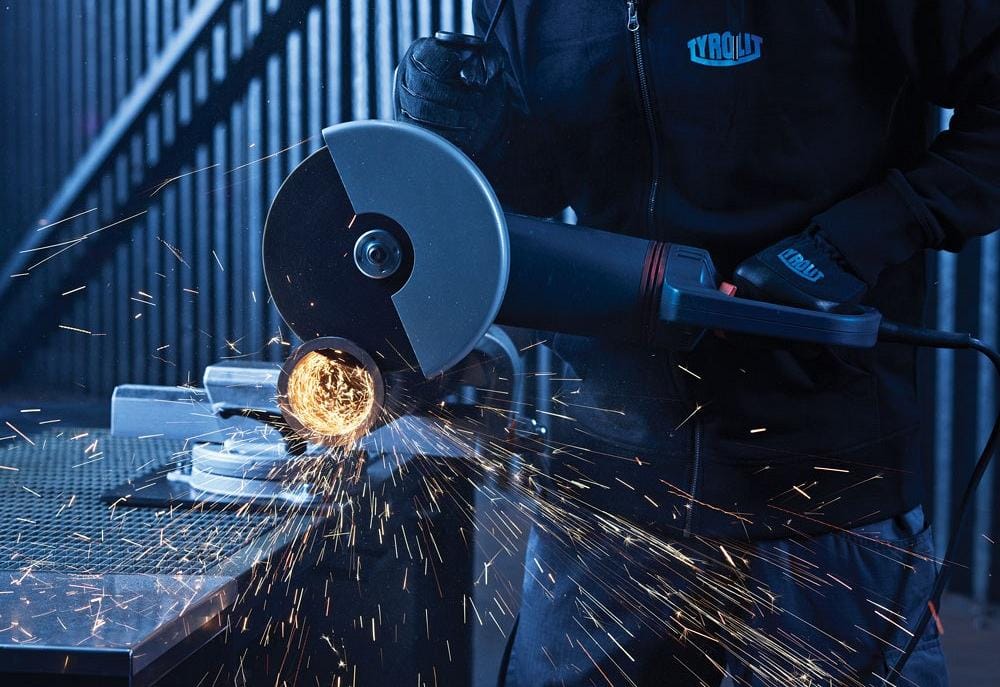
Credit: www.canadianmetalworking.com
Essential Kickback Prevention Techniques
The best way to prevent kickback is by combining good habits, the right equipment, and careful technique. Here are the most effective methods:
1. Always Use The Guard
The safety guard is not optional. It acts as a barrier between you and the spinning disc, especially if something goes wrong. Adjust it so it covers the side facing you.
2. Choose The Right Disc
Match the disc to your material and task. Only use discs rated for your grinder’s speed. For example, cutting stainless steel needs a specific disc different from those for concrete.
3. Inspect Discs Before Use
Look for cracks, chips, or warping. A damaged disc can break apart at high speed, causing kickback and flying debris.
4. Hold The Grinder Firmly
Use both hands. Grip the main handle and the side handle. Keep your wrists straight for more control.
5. Keep A Stable Stance
Stand with your feet shoulder-width apart. Balance your weight so you are not pulled off balance if the grinder jerks.
6. Let The Tool Do The Work
Don’t force the grinder. Let the wheel’s speed do the cutting. Too much pressure increases binding risk.
7. Cut In A Straight Line
Avoid twisting, tilting, or turning the grinder while cutting. Move smoothly in the direction of the cut.
8. Secure The Workpiece
Clamp or fix your material so it cannot move. Unstable workpieces are a leading cause of binding.
9. Use Anti-kickback Features
Modern grinders have features such as kickback protection, soft start, and electronic brakes. These can greatly reduce injury risk.
10. Wear Proper Safety Gear
Wear safety glasses, gloves, and protective clothing. A face shield adds extra safety from flying debris.
Comparing Kickback Risk: Different Disc Types
Some discs are more likely to cause kickback than others. Here’s a quick comparison:
| Disc Type | Kickback Risk | Typical Use |
|---|---|---|
| Cutting Disc (Thin) | High | Cutting metal, pipe |
| Grinding Disc (Thick) | Medium | Surface grinding |
| Diamond Disc | Low | Cutting concrete, tiles |
| Wire Brush | Medium | Rust removal |
Thin cutting discs are more likely to bind and kick back than thick grinding wheels or diamond discs. Always match the disc to your task.
Safe Handling And Operation
How you handle the angle grinder plays a huge role in kickback prevention. Even the best tools can be dangerous if used carelessly. Here’s what you need to know:
Start And Stop Safely
- Before switching on, make sure the grinder is clear of your body and the disc is not touching the workpiece.
- Wait for the disc to reach full speed before starting your cut.
- After finishing, let the disc stop spinning before putting the grinder down.
Avoid Working In Awkward Positions
Never use an angle grinder above shoulder height or in tight spaces where you cannot control movement. Most kickback injuries happen when the user is off balance or working in a difficult position.
Only Use Recommended Accessories
Manufacturers test specific handles, guards, and discs for safety. Using non-recommended parts can increase risk.
Learn To Recognize Warning Signs
A grinding sound, vibration, or the disc slowing down are all warnings. Stop, check, and correct before continuing.
Maintenance And Inspection
A well-maintained angle grinder is much less likely to kick back. Simple, regular checks make a big difference.
Check The Grinder Before Each Use
- Inspect for loose parts, cracks, or wear
- Make sure the guard is secure
- Check the power cord for cuts or damage
Clean Regularly
Dust and debris can clog vents, overheat the motor, and reduce performance. Clean your tool after each use.
Replace Worn Parts
Don’t wait until something fails. Replace brushes, discs, and guards before they are too worn out.
Lubricate Moving Parts
A dry or stiff spindle can cause uneven spinning and increase kickback risk.
Comparing Safety Features On Modern Grinders
Today’s angle grinders have more safety features than ever. Here’s a side-by-side look at common options:
| Safety Feature | What It Does | Kickback Reduction |
|---|---|---|
| Kickback Protection | Stops the motor if kickback is detected | High |
| Soft Start | Starts the motor slowly for better control | Medium |
| Electronic Brake | Quickly stops the disc after power-off | Medium |
| Restart Protection | Prevents the tool from starting if power returns | Low |
Tip: When buying a new grinder, look for these safety features. They are worth the extra cost for peace of mind.
Real-world Example: Kickback Injury
Consider this true case: A worker used an old, damaged disc to cut rebar. He removed the guard for better access. The disc caught, shattered, and the grinder kicked back—cutting his arm deeply. He needed surgery and missed weeks of work.
What went wrong? He ignored disc inspection, removed the guard, and used the wrong technique. This shows how several small mistakes can quickly lead to a serious accident.
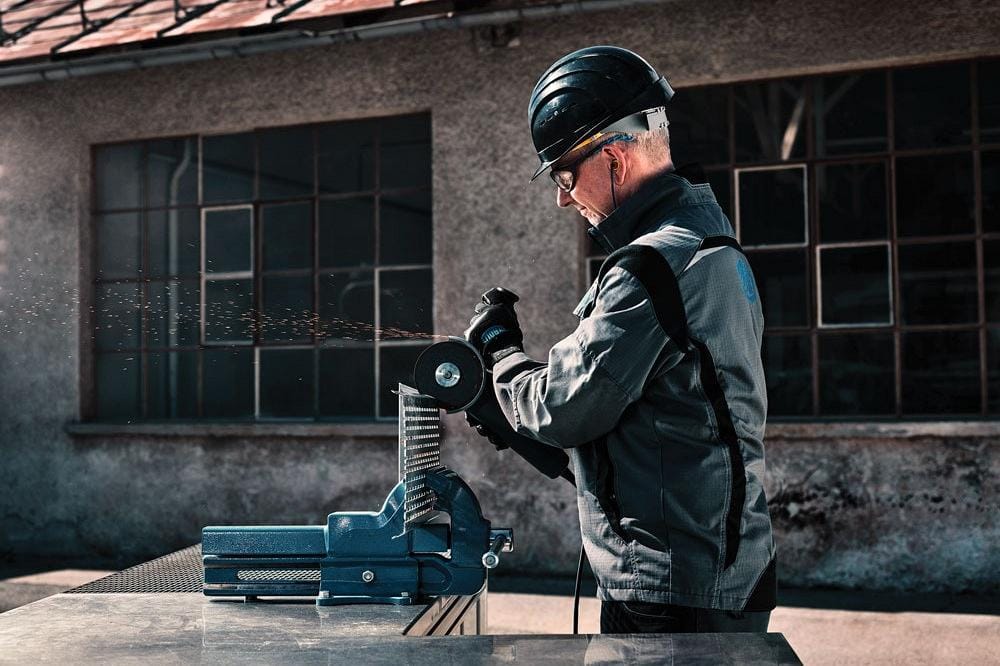
Credit: www.canadianmetalworking.com
Non-obvious Kickback Prevention Insights
1. Never Stand in Line with the Wheel
Many users stand directly behind the spinning disc. If it shatters or kicks back, you are in the line of fire. Stand slightly to the side for extra safety.
2. Mark Your Cut Before Starting
Drawing a clear, straight line on your material helps you keep the grinder straight. Wandering off the line increases twisting and binding risk.
3. Avoid Using Used Discs from Other Tools
Even if a disc looks fine, it may have hidden cracks from previous use. Always use new or properly inspected discs.
4. Keep Others Away
People standing nearby can be injured by flying fragments during kickback. Mark a safe work zone and keep it clear.
Comparing Grinder Sizes And Kickback Force
Larger grinders have more power, but also more kickback risk. Here’s how they compare:
| Grinder Size | Typical Power (Watts) | Kickback Force | Best For |
|---|---|---|---|
| 4-inch (100mm) | 600-800 | Low | DIY, Small jobs |
| 5-inch (125mm) | 800-1200 | Medium | General use |
| 7-inch (180mm) and up | 2000+ | High | Heavy industry |
If you are new, start with a smaller grinder. They are easier to control and much safer for beginners.
Practical Tips For Every Angle Grinder User
- Always read the user manual for your tool
- Replace discs at the first sign of damage
- Don’t remove or bypass safety features
- Keep your work area clean and well-lit
- Take breaks to avoid fatigue, which leads to mistakes
- Store your grinder and discs safely when not in use
When To Replace Your Angle Grinder
No tool lasts forever. If your grinder has:
- Cracked housing or missing parts
- Sticky or hard-to-press switches
- Unusual noises or vibrations
- Overheating problems
…it’s time for repair or replacement. A faulty tool is a serious safety risk.
Where To Learn More
For more in-depth safety guides and standards, visit the Wikipedia Angle Grinder page.
Frequently Asked Questions
What Is The Most Common Cause Of Angle Grinder Kickback?
The most common cause is disc binding. This happens when the disc gets stuck or pinched in the material, causing the tool to jerk or spin out of control.
Can Kickback Be Completely Prevented?
While you can reduce risk to almost zero with the right habits and equipment, no tool is 100% risk-free. Always stay alert and follow safety best practices.
Should I Wear Gloves When Using An Angle Grinder?
Yes, cut-resistant gloves are recommended. They protect your hands from cuts and flying debris. However, make sure gloves fit well and do not get caught in moving parts.
Are Anti-kickback Angle Grinders Worth Buying?
Yes, models with kickback protection and other safety features provide a much safer experience, especially for beginners or heavy users.
Is It Safe To Use A Damaged Or Cracked Disc If I Am Careful?
No. Never use a damaged disc. Hidden cracks can cause the disc to shatter at high speed, increasing kickback and injury risk.
Angle grinder kickback is dangerous, but it can be prevented. With proper habits, regular checks, and the right equipment, you’ll stay safe and get the most from your tool.
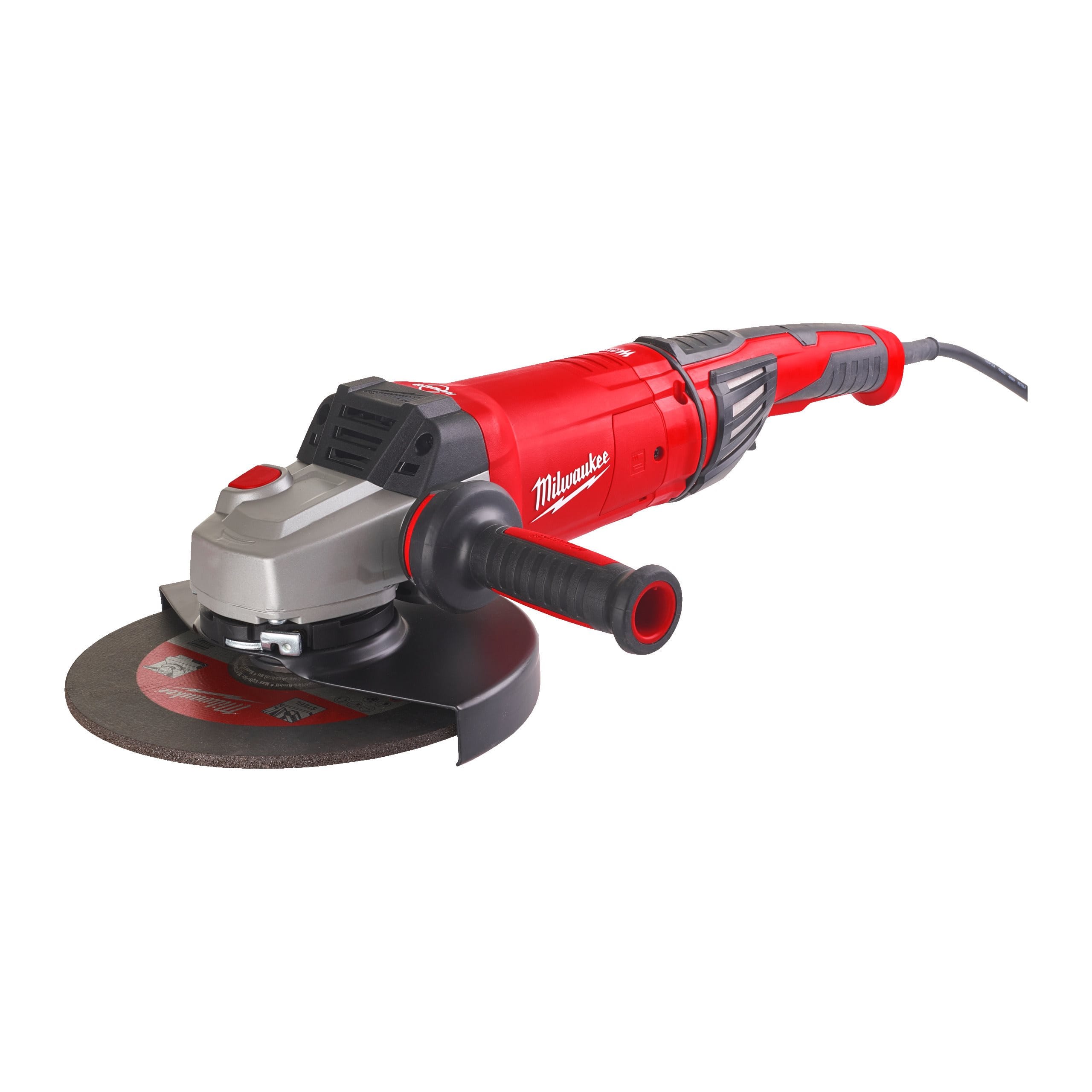
Credit: www.milwaukeetool.eu