
Every driver has seen it: a small battery-shaped light glowing on the dashboard. Sometimes it’s red, sometimes yellow, and sometimes it flickers on and off. But what does the battery indicator light really mean? Many people panic, while others ignore it, hoping it will disappear. Understanding this light can save you from sudden breakdowns, expensive repairs, and a lot of stress.
The battery indicator light is not just about the battery. It’s a warning sign connected to your car’s entire electrical system. If you’ve ever wondered when it’s safe to keep driving, when to pull over, or what to check under the hood, you’re in the right place. In this guide, you’ll learn exactly what the battery light means, what to do when it comes on, and how to avoid common mistakes that can make things worse.
What Is The Battery Indicator Light?
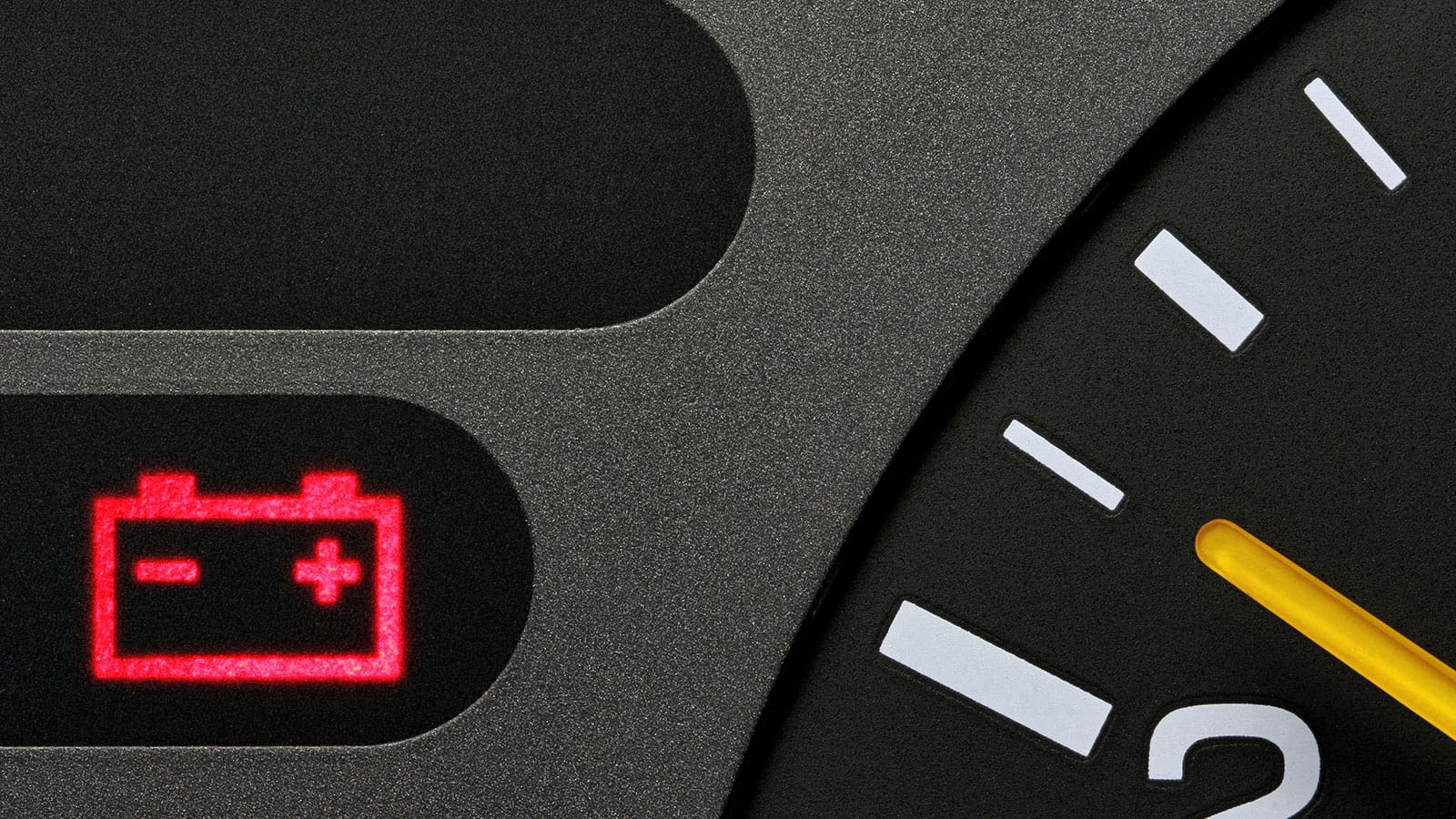
The battery indicator light is a small icon on your dashboard, usually shaped like a battery or showing “ALT” or “GEN.” When you start your car, this light briefly comes on. This is normal and part of the system check. If the light stays on after starting or comes on while driving, it signals a problem in the charging system.
The light doesn’t only warn about the battery. It covers problems with the alternator, voltage regulator, wiring, or other parts of the charging system. If your car’s electrical system cannot keep the battery charged, you may lose power for lights, steering, or even the engine.
Common Reasons The Battery Light Comes On
Several issues can trigger the battery indicator light. Here are the most frequent causes:
1. Faulty Alternator
The alternator charges your battery while driving. If it fails, the battery loses power quickly. A bad alternator often causes the battery light to glow and can lead to a stalled engine.
2. Worn Or Broken Drive Belt
The drive belt connects the alternator to the engine. If the belt slips or breaks, the alternator stops working. The battery then powers everything until it runs out, often within 30-60 minutes.
3. Bad Battery
While the light mostly signals charging issues, a very old or damaged battery can also trigger it. Weak batteries may not hold a charge or start the car reliably.
4. Corroded Or Loose Battery Terminals
Dirty or loose connections at the battery can block the flow of electricity. This can cause the light to flicker or stay on.
5. Faulty Voltage Regulator
The voltage regulator controls how much power goes to the battery. If it fails, the battery may get too little or too much charge, both of which can damage the system.
6. Wiring Problems
Broken or damaged wires between the battery, alternator, and dashboard can confuse the system and turn the light on.
7. Electrical System Overload
If you use too many electrical devices (like high-power sound systems or many accessories), your alternator may not keep up. This overload can trigger the battery light, especially in small cars.
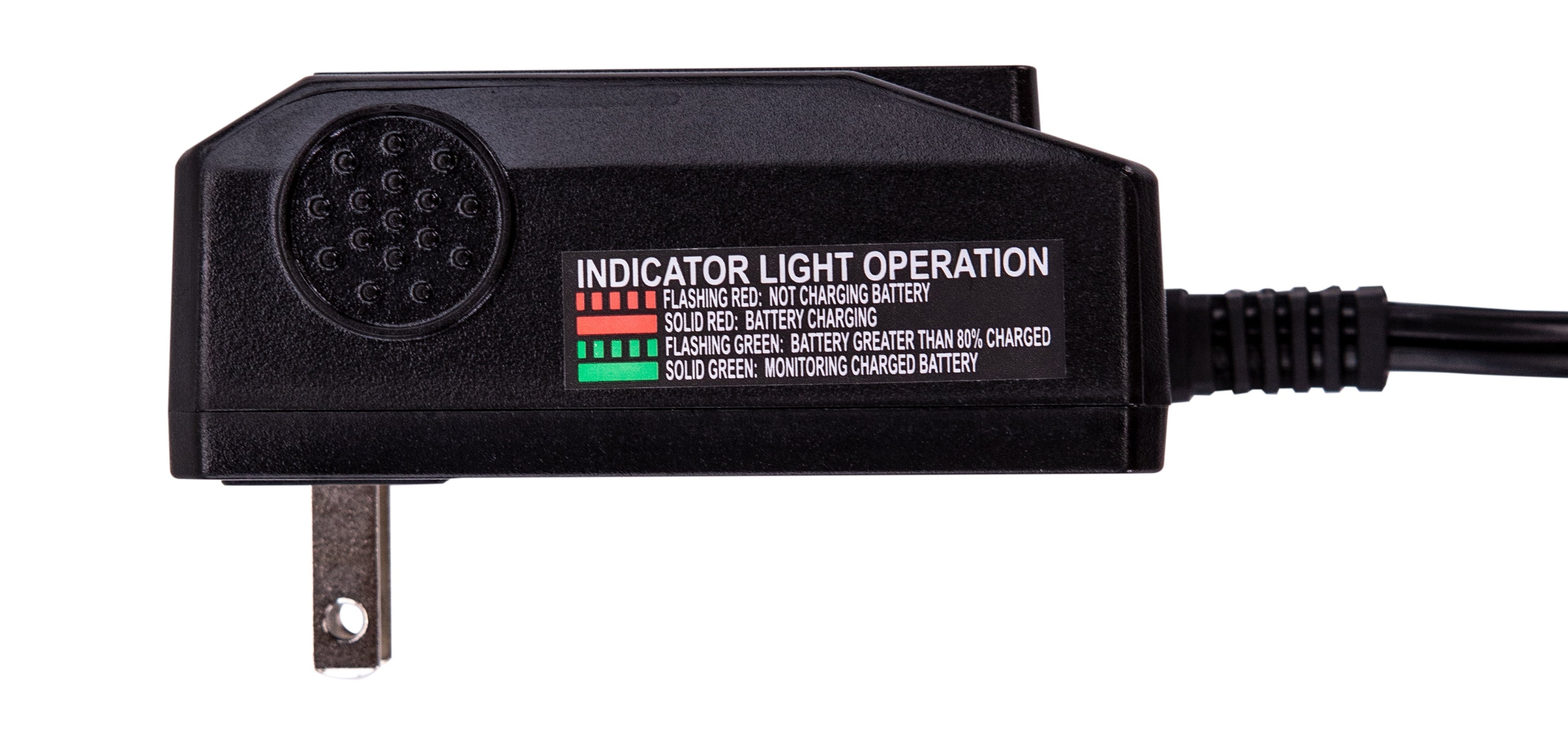
Credit: www.batterytender.com
What To Do When The Battery Light Comes On
Your actions when you see the battery indicator light can make a big difference. Here’s what to do:
1. Check If It’s Safe To Drive
If the light comes on while driving, pay attention to other warning signs. Are your headlights dim? Does the steering feel heavy? Is the engine running rough? If you notice these symptoms, stop soon—it means your car is about to lose power.
2. Turn Off Non-essential Electronics
Switch off the radio, air conditioning, phone chargers, and other extras. This helps save battery power for the engine and essential systems.
3. Find A Safe Place To Stop
Plan to pull over safely. Don’t wait for the battery to die, especially at night or in heavy traffic. A sudden loss of power can be dangerous.
4. Open The Hood And Check The Battery
Look for obvious problems: loose cables, corrosion on the terminals, or a broken belt. If you see a problem you can fix (like tightening a loose terminal), do it carefully.
5. Call For Help If Needed
If you’re not sure what’s wrong, it’s safer to call a mechanic or roadside assistance. Don’t risk getting stranded in a dangerous place.
Real-life Example
Imagine you’re driving home at night and the battery light comes on. You notice the headlights getting dimmer. You turn off the air conditioner and find a gas station. When you stop, you open the hood and see the drive belt has come off.
You call for help rather than trying to drive farther. This smart decision prevents being stranded on a dark road.
Battery Light Color And Behavior: What Do They Mean?
Different cars use different battery light colors and patterns. Here’s what they usually mean:
| Light Color | Meaning | Action Needed |
|---|---|---|
| Red (Solid) | Major charging system problem | Stop soon, check car |
| Yellow/Amber | Minor or potential issue | Check soon |
| Flashing | Intermittent or urgent problem | Stop and inspect |
| Blue/Green | Information only (rare) | No action, just status |
Not all cars use every color. Check your owner’s manual to be sure.

Credit: www.autozone.com
How The Charging System Works
To fully understand the battery indicator light, it helps to know how your car’s charging system works. The three main parts are:
- Battery: Stores energy and starts the engine.
- Alternator: Produces electricity while the engine runs.
- Voltage Regulator: Keeps the voltage stable.
When the car is off, the battery powers everything. Once you start the engine, the alternator takes over and recharges the battery. If any part fails, the battery alone cannot run your car for long.
Charging System Flow
| Component | Main Function | Problem Effect |
|---|---|---|
| Battery | Stores and supplies power | Hard to start, power loss |
| Alternator | Recharges battery, runs electronics | Battery drains, car stalls |
| Voltage Regulator | Controls voltage to battery | Overcharge or undercharge |
Diagnosing The Battery Indicator Light
When your battery indicator light stays on, you want to know the exact problem. Here’s how professionals diagnose the issue:
1. Visual Check
Mechanics start by looking for loose wires, dirty terminals, or a broken belt.
2. Battery Voltage Test
Using a voltmeter, they check the battery’s voltage with the car off and running. A healthy system shows about 12. 6 volts when off and 13. 7–14. 7 volts when running. You can do this yourself — see how to test a car battery with a multimeter.
3. Alternator Output Test
They test how much power the alternator produces. Low output means the alternator or belt is the problem.
4. Load Test
This checks if the battery can handle normal use. Weak batteries often fail this test.
5. Scan Tool
Modern cars have computers that track electrical problems. A scan tool can read error codes for faster diagnosis.
Example: Diagnosing A 2018 Toyota Corolla
A 2018 Toyota Corolla’s battery light stays on. The mechanic first checks the belt and finds it’s fine. The battery voltage test shows 12. 3 volts running, which is low. The alternator output is weak. Replacing the alternator solves the problem.
Credit: auto.howstuffworks.com
Common Mistakes When The Battery Light Comes On
Many drivers make errors when they see the battery light. Here’s what to avoid:
- Ignoring the Light: Hoping it will turn off by itself often leads to breakdowns.
- Replacing the Battery First: In most cases, the alternator or wiring is at fault, not the battery.
- Jump-Starting Repeatedly: If the charging system is bad, jump-starting only helps for a short time.
- Driving Long Distances: Trying to reach your destination with the light on can damage other car parts.
- Overloading the System: Using all electronics when the light is on drains power faster.
How To Prevent Battery Light Problems
A few simple habits can help you avoid trouble with the battery indicator light:
1. Regular Maintenance
Check your battery and charging system during routine service. Ask your mechanic to test the alternator at least once a year.
2. Clean Battery Terminals
Corrosion is a common cause of poor connections. Clean the terminals with baking soda and water.
3. Replace Old Batteries
Most batteries last 3–5 years. Don’t wait for failure—replace as part of regular upkeep. When shopping, check the specs and review battery Ah vs volts explained to choose the right replacement.
4. Check Belts And Cables
Inspect the drive belt for cracks or wear. Make sure cables are tight and not frayed.
5. Limit Power Use When Idling
Don’t run many electronics when parked with the engine off. This prevents draining the battery. If you also use power-tool batteries, check the Milwaukee battery warranty info before tossing a failing pack.
Comparison: Battery And Alternator Failures
Here’s how to tell if the problem is your battery or alternator:
| Symptom | Battery Issue | Alternator Issue |
|---|---|---|
| Car won’t start, no lights | Likely | Possible |
| Battery light on while driving | Unlikely | Very likely |
| Needs frequent jump-starts | Likely | Possible |
| Engine stalls while running | Rare | Common |
When To See A Mechanic
If your battery indicator light comes on and does not go off, or if you notice any other electrical problems, it’s best to see a qualified mechanic soon. Some issues, like a worn belt, are cheap and easy to fix. Others, like a failing alternator, can be costly if ignored. Early diagnosis often means smaller repairs and less hassle.
Two Insights Most Drivers Miss
1. The Battery Light Is Not Just About The Battery
Many people replace their battery first, but the real issue is often the alternator, drive belt, or voltage regulator. Diagnosing the whole charging system prevents wasted money.
2. A Flickering Light Is A Big Warning
If the battery light blinks or comes on and off, this points to a loose connection or failing alternator. Don’t ignore it—a flicker often means the system is about to fail completely.
Frequently Asked Questions
What Should I Do If My Battery Light Comes On While Driving?
If the battery indicator light comes on, turn off non-essential electronics and find a safe place to stop. Check under the hood for loose cables or a broken belt. If you can’t find a simple fix, call for help.
Is It Safe To Drive With The Battery Light On?
It’s usually safe to drive for a short distance, but only to reach a safe place or mechanic. The car may stall without warning, so avoid long trips and don’t ignore the problem.
How Long Can I Drive After The Battery Light Turns On?
Depending on the battery’s condition, you may have 20–60 minutes before the car loses power. Using headlights, wipers, or air conditioning will reduce this time.
Can The Battery Light Mean Something Is Wrong With The Alternator?
Yes. In fact, most of the time the battery indicator light signals a problem with the alternator, not the battery itself.
Where Can I Learn More About Car Warning Lights?
You can read more on the official Wikipedia page for car warning lights, which explains many dashboard symbols in detail.
Understanding your car’s battery indicator light is not just about avoiding a breakdown. It’s about safety, smart maintenance, and saving money in the long run. The next time this light comes on, you’ll know exactly what it means and what to do—keeping you and your car on the road with confidence.