
Batteries are everywhere—inside your phone, car, laptop, and even in solar power systems. But when you look at a battery label, you might see numbers like “12V” or “100Ah” and wonder, what do these mean? Understanding battery Ah vs volts is important, whether you want to buy the right battery for your device or simply want to know how long your gadgets will last. In this article, we’ll explain these terms clearly and show how they affect real-world battery use. You’ll also learn some common mistakes people make and see practical examples that help you choose the right battery every time.
What Is Battery Voltage?
Voltage, often written as “V,” is a measure of the electric potential difference between two points. In simple words, voltage is like the pressure that pushes electrical energy through a circuit. The higher the voltage, the more “push” the electricity has.
For example, a small AA battery is usually 1.5V, while a common car battery is 12V. Higher voltage can power bigger devices or push electricity over longer distances. However, using the wrong voltage for a device can damage it, so always match the battery voltage to what your device needs.
Why Voltage Matters
- Device Compatibility: Devices are designed for specific voltages. A 9V radio will not work with a 1.5V battery.
- Power Delivery: Higher voltage batteries can deliver more power if the current is also sufficient.
- Series and Parallel Connections: Connecting batteries in series increases voltage, while parallel connections keep voltage the same but increase capacity.
Many beginners think voltage is the only thing that matters, but that’s not true. Voltage is just one part of the story.
What Is Battery Ah (ampere-hour)?
Ampere-hour (Ah) is a measure of how much electric charge a battery can deliver over time. It tells you how long a battery can supply a certain current before running out.
For example, a 10Ah battery can deliver 10 amps for 1 hour, or 1 amp for 10 hours. The higher the Ah, the longer your device can run (assuming power needs stay the same).
Why Ampere-hour Matters
- Run Time: Higher Ah means a longer-lasting battery for the same load.
- Capacity: It shows the “size” of the energy storage. Think of it as the size of a water tank—the bigger it is, the longer you can use the water.
- Sizing for Applications: Knowing Ah helps you pick the right battery for solar systems, electric vehicles, and backup power.
Many new users confuse Ah with power, but they are not the same. Ah is about capacity, not the rate of energy delivery.
Key Differences Between Ah And Volts
It’s easy to mix up Ah and volts, but they measure different things:
| Aspect | Volts (V) | Ampere-Hour (Ah) |
|---|---|---|
| What it measures | Electrical pressure or force | Charge capacity over time |
| Common values | 1.5V, 6V, 12V, 24V | 1Ah, 10Ah, 100Ah |
| Role in usage | Must match device voltage | Determines how long battery lasts |
| Can be increased by | Connecting batteries in series | Connecting batteries in parallel |
Voltage is about how strongly electricity is pushed. Ah is about how much electricity is stored.
How Volts And Ah Work Together
A battery’s volts and Ah together tell you its total energy storage, often measured in watt-hours (Wh).
Watt-hours = Volts x Ampere-hours
For example, a 12V 100Ah battery stores:
12v X 100ah = 1200wh (1.2kwh)
This means the battery can deliver 1,200 watts for 1 hour, or 100 watts for 12 hours, and so on.
Practical Example
Suppose you have a device that uses 24 watts per hour. How long will a 12V 100Ah battery run it?
First, find battery watt-hours:
12v X 100ah = 1200wh
Then divide by device usage:
1200wh ÷ 24w = 50 Hours
So, the battery would power your device for about 50 hours (real time may be less due to inefficiency).
Common Battery Types And Their Ratings
Let’s look at some popular battery types and their typical voltage and Ah ratings:
| Battery Type | Typical Voltage | Typical Capacity (Ah) | Common Uses |
|---|---|---|---|
| AA Alkaline | 1.5V | 2-3Ah | Remote controls, clocks |
| Car Battery (Lead Acid) | 12V | 40-100Ah | Automobiles, backup power |
| Laptop Battery (Li-ion) | 10.8V – 11.1V | 2-7Ah | Laptops, portable devices |
| Solar Storage Battery | 12V, 24V, 48V | 50-200Ah | Solar energy systems |
As you can see, devices with higher power needs use batteries with higher voltage or capacity. If you own cordless tools, also review the Milwaukee battery warranty info before replacing a pack.
How To Choose The Right Battery
Choosing the right battery is more than just matching the size. Here’s what you need to consider:
- Device Voltage: Always match the battery voltage to your device. Using a higher voltage can damage electronics.
- Capacity (Ah): Pick a battery with enough Ah to power your device for the desired time.
- Discharge Rate: Some devices need more current quickly. Make sure your battery’s discharge rate (often listed as “C-rate”) matches your device. Power tool motors vary in current draw — see brushless vs brushed drill motor.
- Physical Size: Will the battery fit in your device?
- Temperature Range: Batteries work differently in cold or hot environments.
Example: Replacing A Car Battery
If your car uses a 12V 60Ah battery, you must replace it with another 12V battery. If you want longer time between charges (for example, running accessories while parked), you can choose a higher Ah, like 80Ah, but never change the voltage.
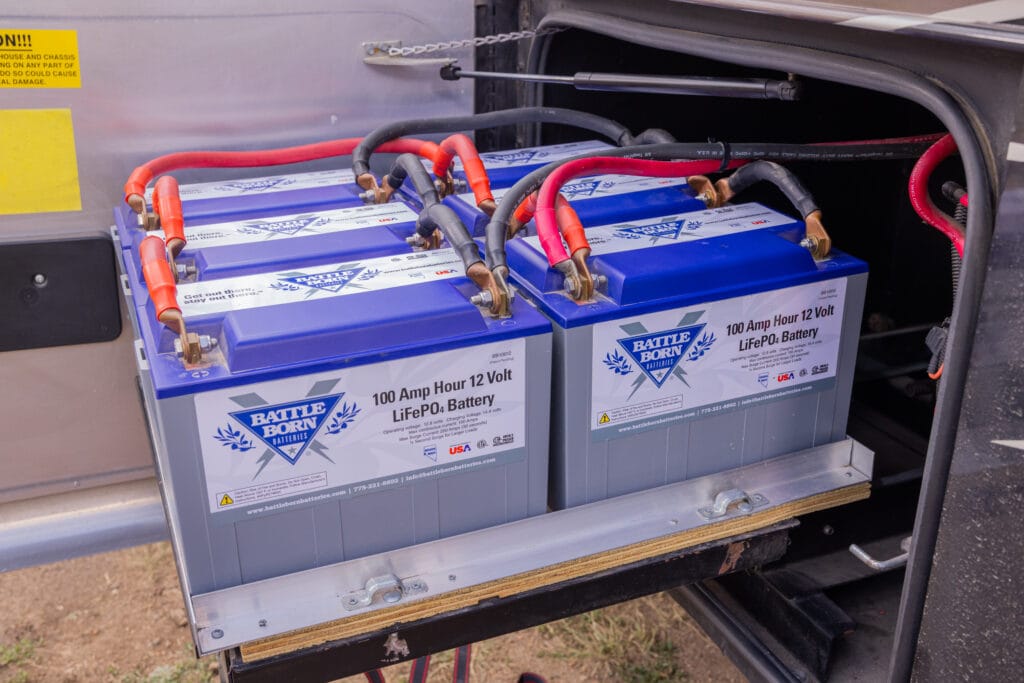
Credit: battlebornbatteries.com
Series Vs Parallel Battery Connections
You can connect batteries to increase total voltage or total capacity, depending on your needs.
Series Connection
- Increases voltage
- Ah stays the same
- Example: Two 12V 100Ah batteries in series = 24V 100Ah total
Parallel Connection
- Increases capacity (Ah)
- Voltage stays the same
- Example: Two 12V 100Ah batteries in parallel = 12V 200Ah total
| Connection Type | Total Voltage | Total Capacity (Ah) |
|---|---|---|
| Series | Sum of all battery voltages | Same as one battery |
| Parallel | Same as one battery | Sum of all battery Ah |
Many beginners mix up these concepts, but using the wrong setup can damage your equipment or reduce battery life.
Real-life Applications: Why Both Ratings Matter
Let’s see how battery Ah vs volts affect different real-world situations.
Solar Energy Systems
Solar systems often use deep-cycle batteries, such as 12V 200Ah. The voltage must match the inverter, and the Ah rating must be high enough for overnight use. If you only focus on voltage, you might pick a battery that runs out too soon.
Electric Vehicles
Most electric cars use high-voltage battery packs, sometimes 300V or more, with total capacities of 40kWh or higher. Here, both voltage (for power) and Ah (for range) are critical. Choosing a battery with too low Ah means shorter driving distance.
Uninterruptible Power Supplies (ups)
A UPS must provide backup power for a fixed time. Both voltage (usually 12V or 24V) and capacity (e. g. , 7Ah, 18Ah) are chosen based on how many devices you want to run and for how long.

Credit: www.youtube.com
Common Mistakes When Comparing Batteries
Many people make errors when looking at battery specs. Here are some pitfalls to avoid:
- Comparing Ah Without Voltage: A 12V 100Ah battery and a 24V 100Ah battery do not store the same energy. Always compare watt-hours (Wh).
- Ignoring Discharge Rates: Some batteries cannot safely deliver high current. Always check the maximum current rating.
- Assuming Bigger Is Always Better: A higher Ah battery may be larger or heavier, and may not fit your device.
- Not Checking Battery Chemistry: Lead-acid, lithium-ion, and NiMH batteries have different performance and lifespan.
How To Calculate Battery Run Time
You can estimate how long a battery will run your device with a simple formula:
Battery Run Time (hours) = (Battery Capacity in Wh) ÷ (Device Power in W)
- Convert Ah to Wh: Wh = Ah x Voltage
- Divide by device wattage
For example, a 12V 100Ah battery running a 120W device:
- 12V x 100Ah = 1200Wh
- 1200Wh ÷ 120W = 10 hours
Remember, real-world results are usually 10-20% less due to energy loss.

Credit: www.amazon.com
Non-obvious Insights Beginners Miss
- Voltage Sag Under Load: High current draw can cause the battery voltage to drop, especially in cheaper or older batteries. This means a 12V battery may deliver less than 12V under heavy use, affecting device performance — and in cars, this can trigger the warning light. Learn the battery indicator light meaning.
- Depth of Discharge (DoD) Affects Lifespan: Most batteries last longer if you don’t fully drain them each cycle. For example, using only 50% of a deep-cycle battery’s Ah rating can double its lifespan. Always check manufacturer recommendations for best results.
Trusted Source For Further Reading
For a deeper technical dive into battery ratings and types, the Wikipedia Battery Page is a helpful resource.
Frequently Asked Questions
What Does Ah Mean On A Battery?
Ah (ampere-hour) shows how much electric charge a battery can deliver over time. It tells you how long a battery can power a device before running out. Higher Ah means more capacity and longer run time.
Can I Use A Higher Ah Battery In My Device?
Usually yes, as long as the voltage matches. A higher Ah battery will last longer, but make sure it physically fits your device and does not exceed any maximum current limits.
Is Voltage Or Ah More Important?
Both are important. Voltage must match your device for safe operation. Ah determines how long the device will run. For most users, voltage comes first, then choose the Ah for your desired run time.
How Do I Calculate Battery Watt-hours?
Multiply volts by ampere-hours (Wh = V x Ah). For example, a 12V 50Ah battery stores 600Wh of energy.
What Happens If I Use The Wrong Battery Voltage?
Using a battery with the wrong voltage can damage your device or make it not work at all. Always use the correct voltage as listed by the device manufacturer.
Understanding the difference between battery Ah vs volts empowers you to make smarter choices for electronics, vehicles, and energy systems. Whether you’re replacing a phone battery or sizing solar storage, knowing these basics saves money, prevents mistakes, and keeps your devices running smoothly.
