
Choosing between battery powered tools and corded tools can be confusing for many people. If you’ve ever stood in a hardware store, looking at rows of drills, saws, or sanders, you know the choice is not simple. Each type promises benefits, but also comes with trade-offs. Picking the right one can make your DIY project easy—or frustrating. This guide will help you understand both options. You’ll learn the main differences, the real-world pros and cons, and even some surprising facts most buyers miss. Whether you’re a home user or a professional, this article will help you make a smart decision.
Understanding The Basics
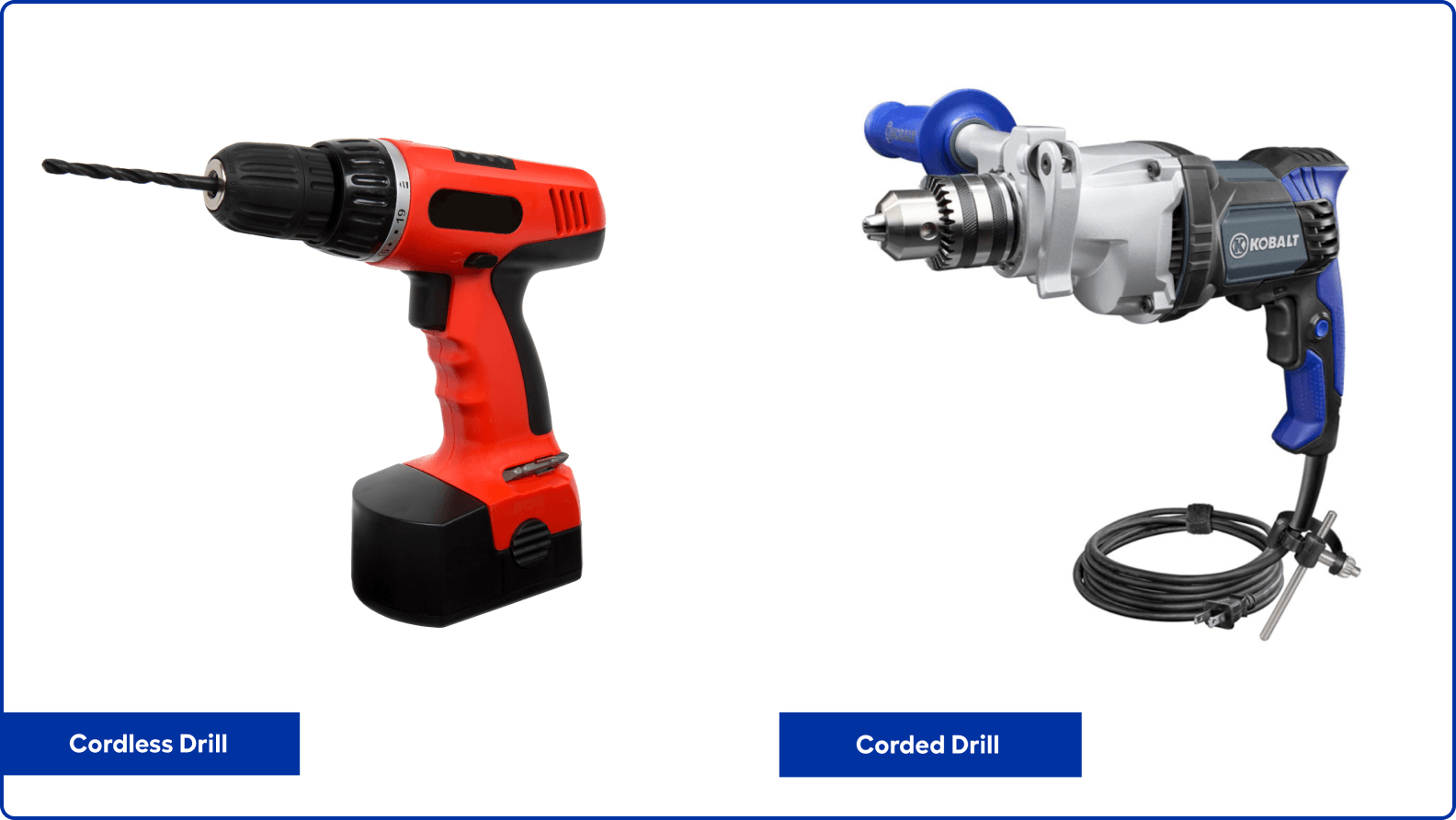
Corded tools plug directly into a power outlet. They have been used for decades in homes and construction. They offer steady power as long as they’re connected. Most corded tools are built for continuous, heavy-duty work.
Battery powered tools (also called cordless tools) run on rechargeable batteries, often lithium-ion. They give you freedom to work anywhere, without worrying about outlets or cords. Batteries have improved a lot over the last 10 years, making cordless tools more popular.
Performance: Power And Runtime
One Of The Biggest Questions Is: Which Type Is Stronger?
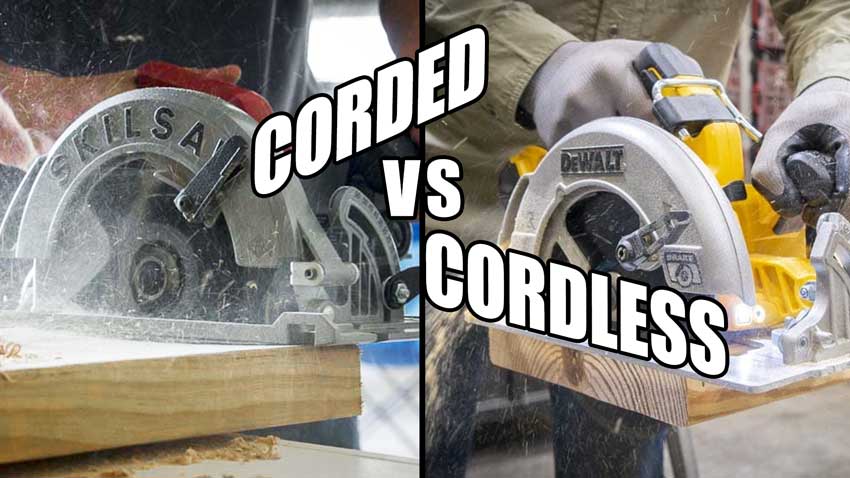
Corded tools usually deliver constant power. For example, a corded circular saw will cut through thick wood all day, without losing strength. You don’t have to pause and recharge.
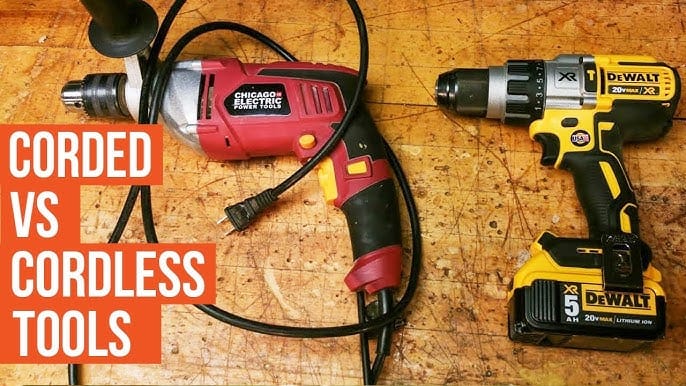
Battery powered tools depend on their battery size and voltage. Early cordless tools were weak, but today’s models can be very powerful. For example, a modern 20V cordless drill can match many corded drills for most jobs. But if you need to run the tool for hours, a battery will eventually run low.
Here’s a quick look at how they compare:
| Tool Type | Average Power Output | Runtime | Best For |
|---|---|---|---|
| Corded | 800-1500 Watts | Unlimited (with power) | Heavy, long tasks |
| Battery Powered | 300-800 Watts | 30 mins – 2 hours (per battery) | Light to medium work, portability |
Non-obvious insight: Some users think higher voltage means more power for cordless tools. But battery amp-hour (Ah) rating also matters—a 5Ah battery lasts longer than a 2Ah battery even if both are 18V.
Credit: www.lowes.com
Convenience And Mobility
Battery powered tools win in portability. You can use them:
- On a roof
- In a garden
- In a room with no power outlets
There’s no cord to trip over or plug in. This makes them ideal for quick jobs and remote locations.
Corded tools require an outlet and sometimes an extension cord. In some situations, the cord can get in the way or limit how far you can move.
However, corded tools are always ready if you have power. No waiting for a battery to charge.
Experience-based tip: Professionals often keep two or more batteries for each cordless tool. This way, they can swap them out and keep working. But batteries can be expensive.
Cost: Upfront And Long-term
Price is not just about what you pay at the store. There are hidden costs for both types.
Corded tools are usually cheaper at first. You only need the tool and maybe an extension cord.
Battery powered tools often cost more upfront. You pay for the tool, the battery, and a charger. Over time, batteries wear out and need replacing—usually every 3-5 years. This adds to the long-term cost.
Here’s a simple cost breakdown:
| Type | Initial Price (Avg) | Battery/Charger Cost | Long-term Costs |
|---|---|---|---|
| Corded Drill | $60-$100 | None | Low (just tool maintenance) |
| Battery Drill | $100-$180 | $40-$80 per battery | Medium (replace batteries every few years) |
Important detail: Battery prices vary between brands. Some brands use unique batteries, making replacements expensive and hard to find. It’s smart to check battery prices before buying.
Credit: www.youtube.com
Tool Selection: Variety And Specialization
Corded tools have been around longer, so you’ll find more specialized tools in corded versions. For example, heavy-duty hammer drills, large saws, or certain sanders might only be available as corded.
Battery powered tools now cover almost every standard tool. Drills, impact drivers, jigsaws, and reciprocating saws are all common. But, for rare or very powerful tools, corded options may still be the only choice.
Professional insight: If you plan to build a tool collection, check if your favorite brand offers all the cordless tools you’ll need. Some brands have “ecosystems” where one battery fits many tools.
Safety: What You Need To Know
Both types have safety concerns.
Corded tools carry the risk of electric shock if the cord is damaged. The cord itself can also be a trip hazard, especially in busy areas.
Battery powered tools eliminate the cord, reducing tripping risks. However, batteries can overheat, especially if used non-stop or charged incorrectly. Rarely, damaged batteries can even catch fire.
Practical advice: Always check cords for wear and never use a tool with a damaged plug. With cordless tools, avoid using batteries that are swollen or unusually hot. Store batteries in a cool, dry place.
Credit: www.protoolreviews.com
Maintenance And Durability
Corded tools often last longer with less care. There are fewer parts to wear out. As long as the cord and motor are in good shape, they can work for decades.
Battery powered tools need more attention. The tool itself is durable, but the batteries are not. They lose capacity over time, especially if left unused for months or stored in heat.
Non-obvious tip: Many people store batteries in sheds or garages, but extreme heat or cold damages them. Keep batteries indoors when not in use.
Environmental Impact
Battery powered tools use rechargeable batteries. Manufacturing and recycling these batteries can harm the environment if not handled properly. Many batteries contain lithium, which requires mining and special recycling.
Corded tools use electricity, but don’t produce battery waste. However, if your electricity comes from non-renewable sources, there’s still an environmental cost.
What most people miss: Some tool brands now offer battery recycling programs. Always recycle old batteries at approved centers. Never throw them in the trash.
Which Is Best For You? Key Use Cases
Here’s how to decide which type fits your needs:
- Homeowners and DIYers
- Battery powered tools are often better. They’re easy to use for small repairs, hanging pictures, or garden work.
- Example: Assembling furniture or fixing a fence is faster without a cord.
- Contractors and Pros
- Corded tools are best for long, tough jobs (like building decks or remodeling).
- Example: Cutting many boards in a row is easier with a corded saw.
- Remote or Outdoor Work
- Battery tools win if you’re far from power outlets. Think of fixing a roof or working on a farm.
- Workshops
- Corded tools are better for stationary use, where there’s always a plug nearby.
- People with Limited Strength
- Battery powered tools are often lighter, especially for things like drills or screwdrivers.
Straight-to-the-point guidance: If you use tools every day, you might need both types. Many professionals carry both cordless drills and a corded saw.
Real-world Examples
- Electricians often use cordless drills for speed and flexibility, but switch to corded tools for cutting large holes or working in one spot for a long time.
- Gardeners use cordless trimmers for small yards, but may prefer corded models for large, non-stop work.
- Carpenters keep a mix: Cordless for quick work, corded for shop tasks.
Common Buyer Mistakes
- Ignoring Battery Compatibility: Buying tools from different brands often means you’ll need separate chargers and batteries. Stick to one brand if possible.
- Underestimating Long-Term Costs: Not planning for battery replacement can lead to surprises after a few years.
- Choosing Too Much Power: Some people buy the biggest, most powerful tool, but then struggle with its weight or complexity.
- Forgetting About Maintenance: Batteries need regular charging and proper storage.
- Not Considering Job Type: Buying a corded tool for outdoor work without power access leads to headaches.
The Future Of Power Tools
Battery technology is improving fast. New batteries last longer, charge quicker, and are lighter. Brands compete to offer “smart” batteries that track usage and health.
However, corded tools are not going away. For heavy, endless work, they are still the top choice. In the next few years, expect cordless tools to match corded power in more and more areas.
If you want to dive deeper into how batteries work and are recycled, the Wikipedia Lithium-ion battery page has useful details.
Frequently Asked Questions
Are Battery Powered Tools As Strong As Corded Tools?
Cordless tools have become much more powerful in the last decade. For most home projects, a high-quality cordless tool is just as strong as a corded one. But for heavy, all-day work, corded tools still have an edge.
How Long Do Batteries Last In Cordless Tools?
Most lithium-ion batteries last between 3-5 years or 300-500 charge cycles, whichever comes first. Over time, they lose capacity. Storing them properly and not letting them completely drain can help them last longer.
Can I Use Batteries From One Brand In Another Brand’s Tool?
Usually, no. Most brands design batteries to fit only their tools. Some third-party adapters exist, but they can void warranties and may not be safe.
Which Is Safer: Battery Powered Or Corded Tools?
Both have risks. Corded tools can cause electric shock or be tripping hazards. Cordless tools reduce these risks, but batteries can overheat if damaged. Always follow the safety guidelines for your tool.
Is It Possible To Recycle Old Tool Batteries?
Yes. Many stores and recycling centers accept old batteries. Never throw tool batteries in the trash—they can leak chemicals. Check with your local recycling center for proper disposal.
Making the right choice between battery powered tools and corded tools depends on your needs, budget, and how you plan to use them. If you understand the trade-offs, you’ll avoid costly mistakes and get more from your investment. The best tool is the one that helps you work safely, efficiently, and comfortably.
