
Biscuit Joiner Vs Pocket Hole Jig: Which Woodworking Tool Is Right For You?
Woodworking is about making strong and beautiful joints. Two popular tools for joining wood are the biscuit joiner and the pocket hole jig. If you’re new to woodworking or want to improve your projects, you might wonder which tool suits your needs better. Each tool has its strengths and weaknesses. This article will explain how both work, where to use them, and how to choose the right one for your projects. By the end, you’ll have a clear idea about biscuit joiners and pocket hole jigs, and know which is best for you.
What Is A Biscuit Joiner?
A biscuit joiner (also called a plate joiner) is a tool that cuts a small, football-shaped slot into the edge of a wood piece. You insert a thin, oval-shaped piece of wood called a biscuit and glue it in place. When you join two boards with biscuits and glue, the joint becomes strong and aligned.
This tool is popular for making edge-to-edge joints, like tabletops, panels, or frames. The biscuit helps line up boards perfectly, so you get a smooth surface. A biscuit joiner is powered by electricity, and most models look like a small circular saw with a fence.
How A Biscuit Joiner Works
- Mark where you want the biscuits on both boards.
- Use the joiner to cut matching slots in each board.
- Add glue to the slots and biscuits.
- Insert the biscuits into the slots and press the boards together.
As the glue dries, the biscuit swells a little, locking the boards in place.
When To Use A Biscuit Joiner
- Joining boards edge-to-edge (like making wide panels)
- Aligning boards for tabletops or doors
- Creating invisible joints with no visible screws
- Working with plywood, MDF, or solid wood
A biscuit joiner is not good for joining very thin pieces or making right-angle “face frame” joints.
What Is A Pocket Hole Jig?
A pocket hole jig is a device that helps you drill angled holes into one board, so you can drive screws into another board. This method is called pocket hole joinery. You clamp your wood into the jig, drill the pocket holes, and then screw the boards together.
Pocket hole joinery is fast, strong, and simple. The screws act as both clamps and fasteners. This method is popular for face frames, cabinets, furniture, and quick repairs.
How A Pocket Hole Jig Works
- Set up the jig for your wood thickness.
- Clamp the board into the jig.
- Drill the pocket hole at the correct angle.
- Align and clamp the two boards together.
- Drive a special pocket hole screw into the hole, joining the boards.
You don’t need glue, but many people use it for extra strength.
When To Use A Pocket Hole Jig
- Joining boards at right angles (L-shapes)
- Building cabinets, face frames, or boxes
- Quick assembly and repairs
- Projects where screw holes won’t be visible
The pocket hole method is not as good for edge-to-edge joints where you want a totally smooth surface.
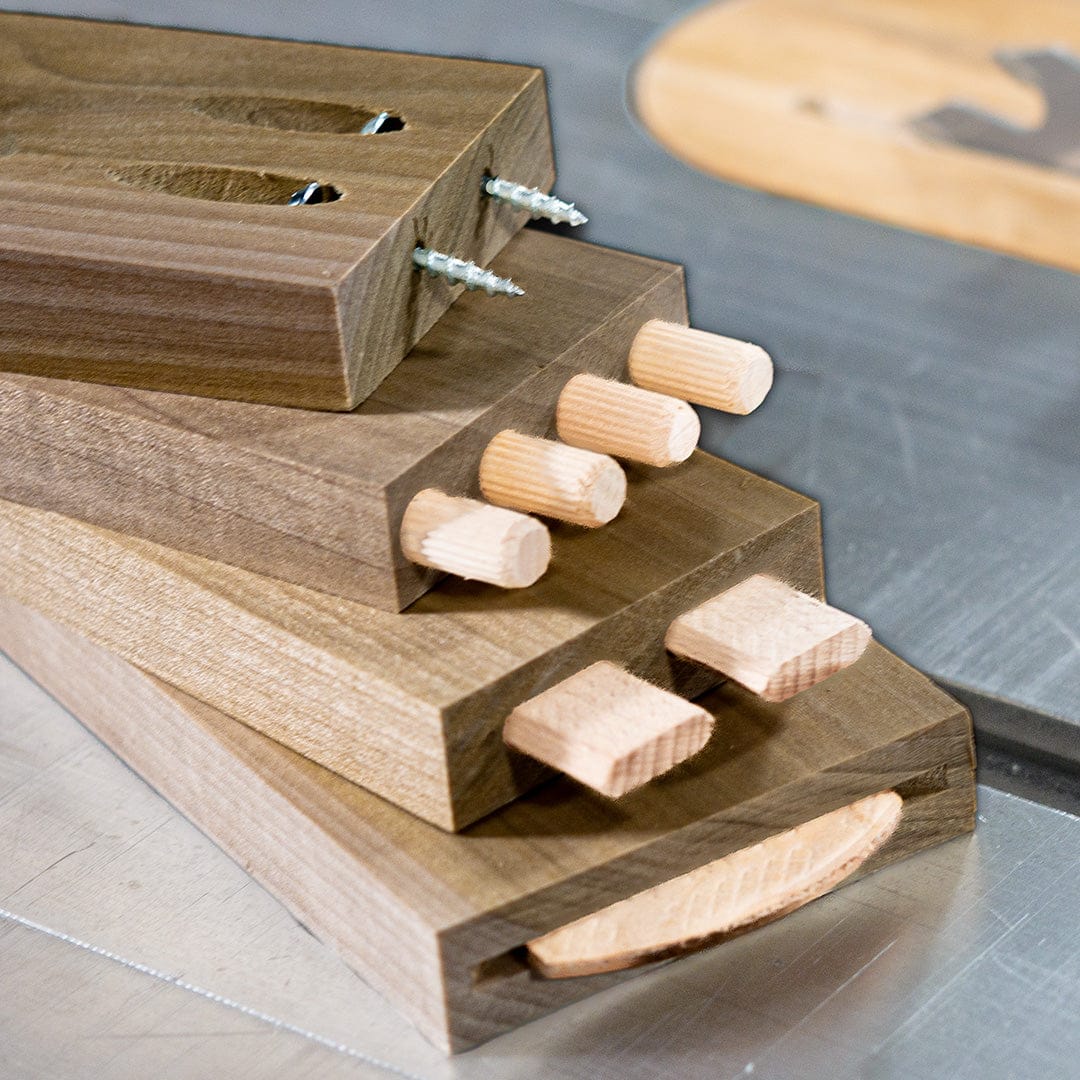
Credit: scottwalsh.co
Key Differences Between Biscuit Joiner And Pocket Hole Jig
Let’s look at the main differences between these two popular joining methods.
| Feature | Biscuit Joiner | Pocket Hole Jig |
|---|---|---|
| Type of Joint | Edge-to-edge, invisible | Right-angle, visible screws (can be hidden) |
| Fastening Method | Glue with biscuits | Screws (with or without glue) |
| Speed | Slower, needs glue drying time | Faster, immediate holding |
| Alignment Help | Excellent for aligning boards | Some help, but not as precise as biscuits |
| Skill Level | Easy to moderate | Very easy, good for beginners |
Pros And Cons Of Biscuit Joiners
Understanding the advantages and disadvantages will help you decide if a biscuit joiner is right for your needs.
Advantages
- Invisible Joints: No screws or hardware are visible after assembly.
- Good Alignment: Biscuits help keep boards flat and even.
- Strong for Panels: Excellent for making wide panels, tabletops, or doors.
- Works with Many Woods: Suitable for plywood, MDF, and solid wood.
Disadvantages
- Slower Process: You must wait for glue to dry before handling.
- Not for All Joints: Doesn’t work well for right-angle joints or thin boards.
- Needs Accurate Marking: Slight mistakes can cause misalignment.
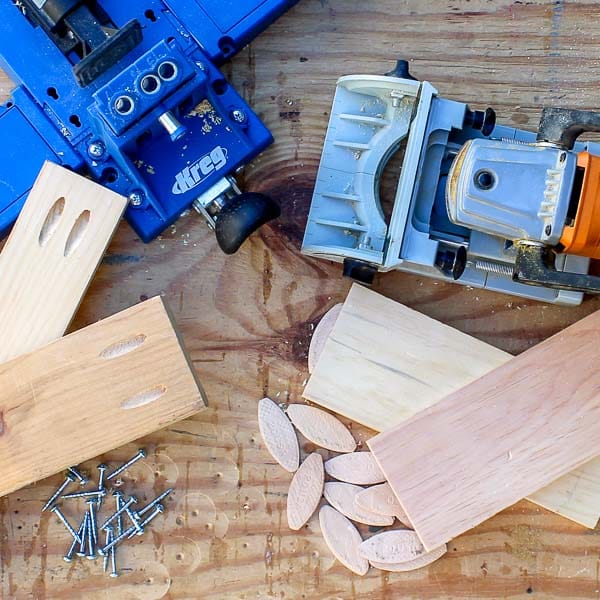
Credit: sawsonskates.com
Pros And Cons Of Pocket Hole Jigs
Let’s break down the strengths and weaknesses of pocket hole jigs.
Advantages
- Fast Assembly: Joints can be handled right after screwing.
- Easy for Beginners: Minimal skill needed for basic joints.
- Versatile: Great for cabinets, frames, and furniture.
- No Clamps Needed: Screws act as clamps while the glue dries (if used).
Disadvantages
- Visible Screw Holes: Holes need to be hidden or plugged for a clean look.
- Not as Good for Edge Joints: Less effective for making wide panels.
- Special Screws Required: You need pocket hole screws for best results.
Which Is Stronger: Biscuit Joiner Or Pocket Hole Jig?
Many woodworkers want to know which joint is stronger. Studies and tests show that pocket hole joints are usually stronger than biscuit joints, especially for face frames or right-angle connections. The screw holds the wood tightly, even without glue. However, for edge-to-edge joints, the difference is smaller. Biscuits help with alignment, but the glue line provides most of the strength.
Here’s a simple comparison based on strength tests:
| Joint Type | Average Strength (pounds) |
|---|---|
| Biscuit Joint | ~300 |
| Pocket Hole Joint | ~400-500 |
Keep in mind, in real projects, both joints are strong enough for most furniture, cabinets, or home use. The choice often depends more on appearance, speed, and ease than raw strength.
Cost Comparison
If you’re starting out, cost might be a big factor. A biscuit joiner is usually more expensive than a pocket hole jig. You also need to buy biscuits and wood glue. Pocket hole jigs come in many prices—simple versions are cheap, while advanced models cost more.
You need special screws, but they are easy to find.
| Item | Biscuit Joiner | Pocket Hole Jig |
|---|---|---|
| Starter Tool Price | $100–$250 | $20–$130 |
| Consumables | Biscuits, glue | Screws |
| Ongoing Cost | Low (biscuits) | Moderate (screws) |
For most beginners, a basic pocket hole jig is more affordable. But a biscuit joiner pays off if you plan to build many panels or want invisible joints.
When To Use Each Tool: Practical Scenarios
Sometimes, the best tool depends on your project. Here are some common woodworking situations:
- Building a Tabletop: Biscuit joiner is best. It keeps boards flat and aligned.
- Making Cabinet Face Frames: Pocket hole jig wins. It’s fast and easy to hide holes.
- Quick Repairs: Pocket hole jig is handy for fixing broken joints.
- Gluing Plywood Panels: Biscuit joiner helps with alignment and strength.
- Simple Shelves: Pocket hole jig works well, especially if you can hide the screw holes.
A non-obvious tip: For projects that need both strong alignment and fast assembly, you can use both tools together. Cut a biscuit slot for alignment, then add a pocket screw for immediate holding power.
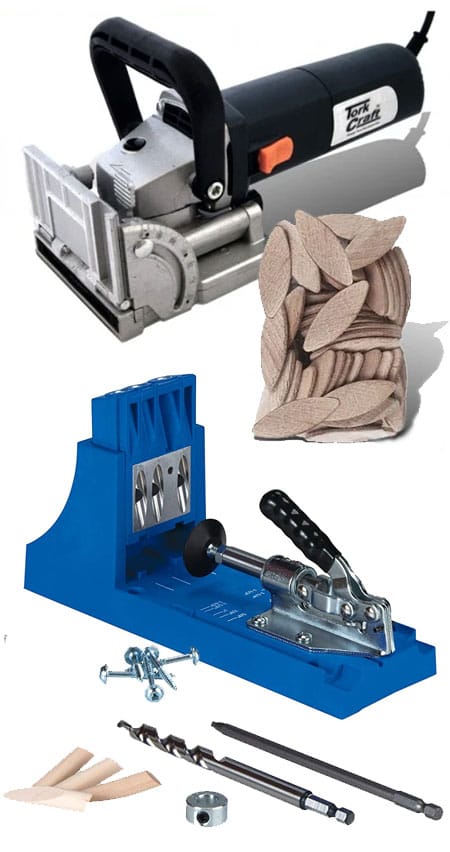
Credit: www.home-dzine.co.za
Common Mistakes Beginners Make
Both tools are beginner-friendly, but avoid these mistakes:
- Biscuit Joiner: Not marking slots carefully can cause misaligned boards. Also, using too much glue can make biscuits swell too much, causing gaps.
- Pocket Hole Jig: Using the wrong screw length can split the wood. Not setting the jig for correct wood thickness leads to weak joints or screws poking through.
Always test on scrap wood before joining your actual project pieces.
Maintenance And Durability
A biscuit joiner needs occasional cleaning of the blade and moving parts. Replace the blade if it gets dull. A pocket hole jig only needs cleaning to remove sawdust and checking that the drill guide holes aren’t worn out. Both tools last many years with proper care.
An insight many people miss: humidity can affect biscuits. Store biscuits in a dry place, or they may swell before you use them, making them hard to insert.
Alternatives: Are There Other Joining Methods?
Yes, other popular methods include dowels, domino joiners, and mortise and tenon joints. Dowels are similar to biscuits, but round. Domino joiners are expensive, pro-level tools. Mortise and tenon is a traditional, strong joint, but it takes more skill and time.
Pocket holes and biscuits are popular because they’re simple, quick, and require less skill and setup.
If you want to learn more about advanced joinery, you can check resources like the Wikipedia article on woodworking joints.
Which Should You Buy First?
If you’re just starting, a pocket hole jig is often the smarter first purchase. It’s cheaper, easier, and covers a wider range of basic projects. You can build cabinets, shelves, and furniture quickly. If you get more advanced and want perfect panels or invisible joints, add a biscuit joiner to your toolkit later.
A non-obvious insight: Some woodworkers keep both tools. They use the pocket hole jig for frames and boxes, and the biscuit joiner for panels and tabletops. There’s no rule against using both in one project if it helps.
Frequently Asked Questions
What Is The Main Advantage Of A Biscuit Joiner?
The biggest advantage is perfect alignment for edge-to-edge joints. Biscuits help keep boards flush and even, which is important for tabletops and panels. Joints are invisible after finishing, giving a clean look.
Can I Use A Pocket Hole Jig For Making Tabletops?
You can, but it’s not the best choice. Pocket holes don’t align boards as well as biscuits, and the screw holes may be visible on the edge. A biscuit joiner gives better alignment for large, flat surfaces.
Are Biscuit Joints Strong Enough For Furniture?
Yes, biscuit joints are strong enough for most furniture projects. For maximum strength, use good wood glue and make sure the slots and biscuits fit well. For joints that take heavy stress, pocket hole screws or other methods may add more holding power.
Do I Need Special Screws For Pocket Hole Jigs?
Yes, pocket hole joinery works best with special screws. These screws have a self-tapping tip and a washer head for strong holding. Regular screws can split the wood or not hold as well.
Can I Use Both Biscuit Joiners And Pocket Hole Jigs In One Project?
Absolutely! Many woodworkers combine both. Use biscuits for alignment and clean joints, and pocket holes for fast assembly or hidden screws. This gives you the strengths of both methods in one project.
Choosing between a biscuit joiner and a pocket hole jig comes down to your project needs, budget, and preference. Both tools help you build strong, attractive wood joints. Start with the tool that matches your main projects, and don’t be afraid to add the other as your skills grow. Happy woodworking!
