
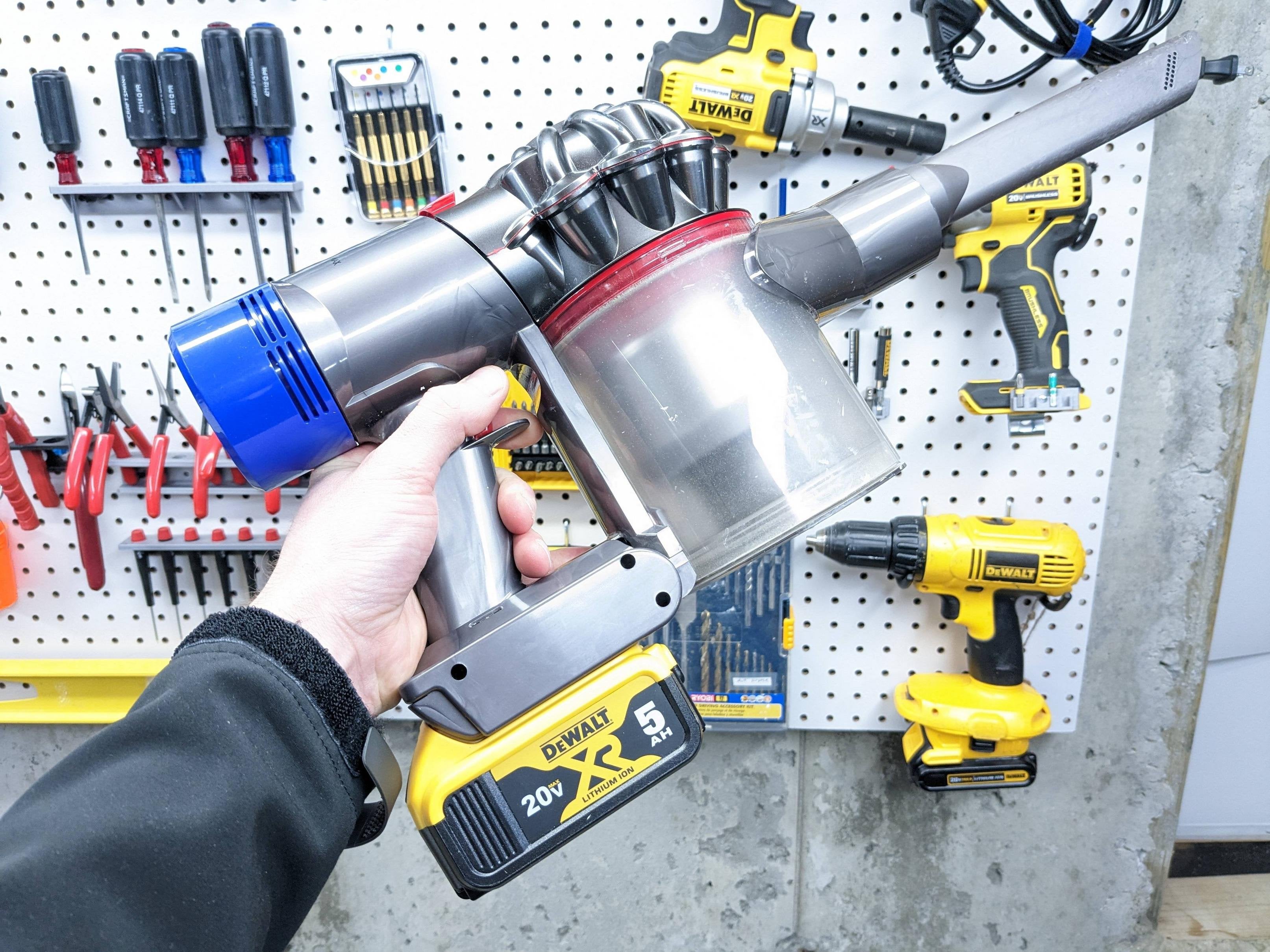
Many people who own power tools eventually face the same question: Can I use 3rd party batteries in power tools? With prices for branded batteries often very high, the idea of buying cheaper alternatives is attractive. But is it safe? Do 3rd party batteries really work the same? This guide will help you understand what you need to know before using these batteries in your tools.
What Are 3rd Party Batteries?
When you buy a power tool from brands like DeWalt, Makita, or Bosch, you usually get a battery made by the same company. These are called OEM (Original Equipment Manufacturer) batteries. 3rd party batteries (sometimes called aftermarket or compatible batteries) are made by other companies, not the tool brand. They are designed to fit and work with your tool, but they are often much cheaper.
People choose 3rd party batteries for several reasons:
- Lower price
- More options for size and capacity
- Sometimes, new features
But lower cost does not always mean better value. Understanding the differences is important before you decide.
Why People Consider 3rd Party Batteries
The main reason is cost savings. For example, a branded 18V lithium-ion battery for a popular drill might cost $80–$120. A 3rd party version can cost as little as $20–$40. If you use many tools or need extra batteries for a long workday, the savings add up fast.
Some 3rd party batteries also offer:
- Higher capacity (more amp hours for longer use)
- Special features like USB charging ports
- Availability when branded batteries are out of stock
But price is only one factor. There are risks and trade-offs to think about.
Credit: www.reddit.com
Are 3rd Party Batteries Safe?
Safety is the biggest concern with any battery. Lithium-ion batteries store a lot of energy. If made poorly, they can overheat, catch fire, or even explode. Major brands invest in safety tests, quality control, and certifications. Not all 3rd party makers do.
There are several areas of risk:
- Cell quality: Cheap batteries may use low-grade cells that fail earlier.
- Circuit protection: Good batteries have built-in safety chips to prevent overcharging or overheating.
- Fit and finish: Poorly made batteries may not lock securely into the tool.
Some 3rd party batteries are safe and well-made. Others cut corners to save money. There have been cases where cheap batteries caused fires or damaged tools. For example, the U. S. Consumer Product Safety Commission has recalled certain 3rd party batteries for fire hazards.
Warranty And Manufacturer Support
Using a non-OEM battery does not automatically void an entire U.S. consumer warranty. Under the Magnuson-Moss Warranty Act, a warrantor generally cannot require branded parts merely to keep warranty coverage. However, a manufacturer may deny coverage for damage it can show was caused by an incompatible or defective third-party battery. If your tool is damaged by a 3rd party battery, the brand will not repair or replace it for free. Some brands use special chips or software in their batteries and chargers to detect and block non-original batteries.
Here’s a quick comparison:
| Battery Type | Warranty Coverage | Support from Tool Brand |
|---|---|---|
| OEM (Brand) Battery | Usually 1-3 years | Yes |
| 3rd Party Battery | Rare or short (6-12 months) | No |
This means if you value your warranty, it’s safer to use official batteries while the tool is still covered.
Performance Differences
Not all batteries are created equal, even if they look the same. Performance depends on:
- Capacity: Measured in amp-hours (Ah). Higher Ah means longer run time.
- Voltage: Must match your tool (e.g., 18V, 20V).
- Discharge rate: How much power the battery can safely deliver at once.
Some 3rd party batteries promise more capacity than the brand version. But in real tests, the actual run time is often shorter than advertised. This happens because some companies use cheap cells or overstate their specs.
Here’s how a typical comparison might look:
| Battery | Rated Capacity | Actual Run Time (minutes) |
|---|---|---|
| Brand OEM 18V 4Ah | 4.0 Ah | 60 |
| 3rd Party 18V 4Ah | 4.0 Ah (claimed) | 45–55 |
Some users find that 3rd party batteries lose power faster and do not hold a charge as long after a few months.
Compatibility Issues
Even if the shape and voltage match, not every 3rd party battery works perfectly with every tool or charger. Problems you might face:
- Battery does not fit (locks loosely or does not click in)
- Charger does not recognize the battery
- Error messages or blinking lights
- Some smart chargers refuse to charge non-original batteries
Modern power tools may use chips in their batteries or chargers to check for authenticity. For example, Milwaukee’s RedLink system and DeWalt’s 20V Max platform have built-in protections.
If a 3rd party battery is not recognized, it will not work at all. In some cases, it might work at first but later cause intermittent cut-offs or charging failures.
Long-term Reliability
Brand batteries are tested to last several years and hundreds of charge cycles. Many 3rd party batteries work fine at first but lose capacity quickly, sometimes after only 50–100 cycles. This is due to:
- Lower quality lithium cells
- Weak internal connections
- Poor heat management
If you rely on your tools for work, a battery that fails after a few months can cost more in downtime than you saved.
Legal And Insurance Considerations
In some workplaces, especially construction or industrial sites, using non-branded batteries may violate safety regulations or insurance policies. If an accident happens and a 3rd party battery is involved, insurance might not cover damages.
Always check:
- Your employer’s rules
- Insurance requirements
- Local fire safety codes
This is especially important for professional users.
Environmental Impact
Not all batteries are recycled the same way. Branded manufacturers often have recycling programs or meet strict environmental standards. Some 3rd party makers do not, and may use unsafe materials.
Using poor-quality batteries that fail early creates more electronic waste. Proper recycling is important for the environment.
When 3rd Party Batteries Make Sense
There are cases where 3rd party batteries can be a good option:
- Out-of-production tools: If your tool brand no longer sells batteries for an old model, 3rd party options may be your only choice.
- Non-critical use: For light-duty tasks at home, the risks are lower.
- Tight budget: If cost is your biggest concern, and you understand the risks, you can try well-reviewed brands.
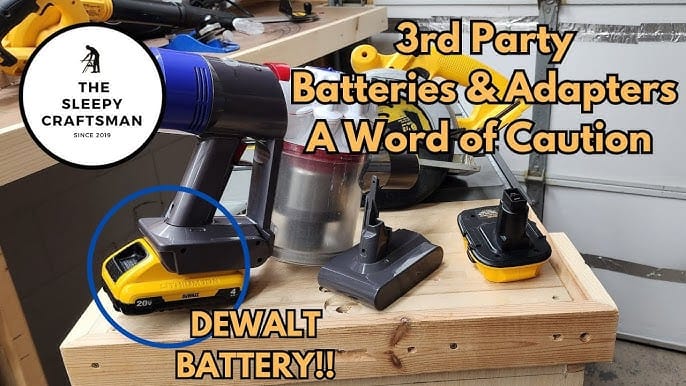
Before buying, look for:
- Detailed reviews and tests (not just “works great!”)
- Proof of safety certifications (like UL, CE, RoHS)
- Good return policy
Credit: www.youtube.com
How To Choose A Good 3rd Party Battery
Not all 3rd party batteries are dangerous. Here’s how to pick wisely:
- Check the seller’s reputation. Buy from known retailers, not unknown sellers.
- Look for safety marks. Certifications like UL, CE, or FCC show the battery passed some safety tests.
- Read user reviews. Look for detailed feedback, not just star ratings.
- Compare price and specs. Very low prices can mean fake or low-quality products.
- Match voltage and size. Make sure the battery fits your tool and charger.
- Check warranty. Some good 3rd party brands offer 6–12 months of warranty.
Choosing a battery with Samsung, LG, or Panasonic cells can be a good sign, as these companies make high-quality lithium cells.
Common Mistakes When Using 3rd Party Batteries
Beginners often make these mistakes:
- Mixing batteries and chargers: Using a cheap charger with a 3rd party battery increases risk of overcharging or fire.
- Ignoring tool recommendations: Not all tools are designed to handle high capacity or higher discharge rates.
- Leaving batteries in tool/charger: This can stress the cells and shorten life, especially with low-quality batteries.
- Assuming all brands are equal: Some “brands” are just relabeled generic products.
Always follow safe charging and storage practices.
Credit: www.reddit.com
Real-world Examples
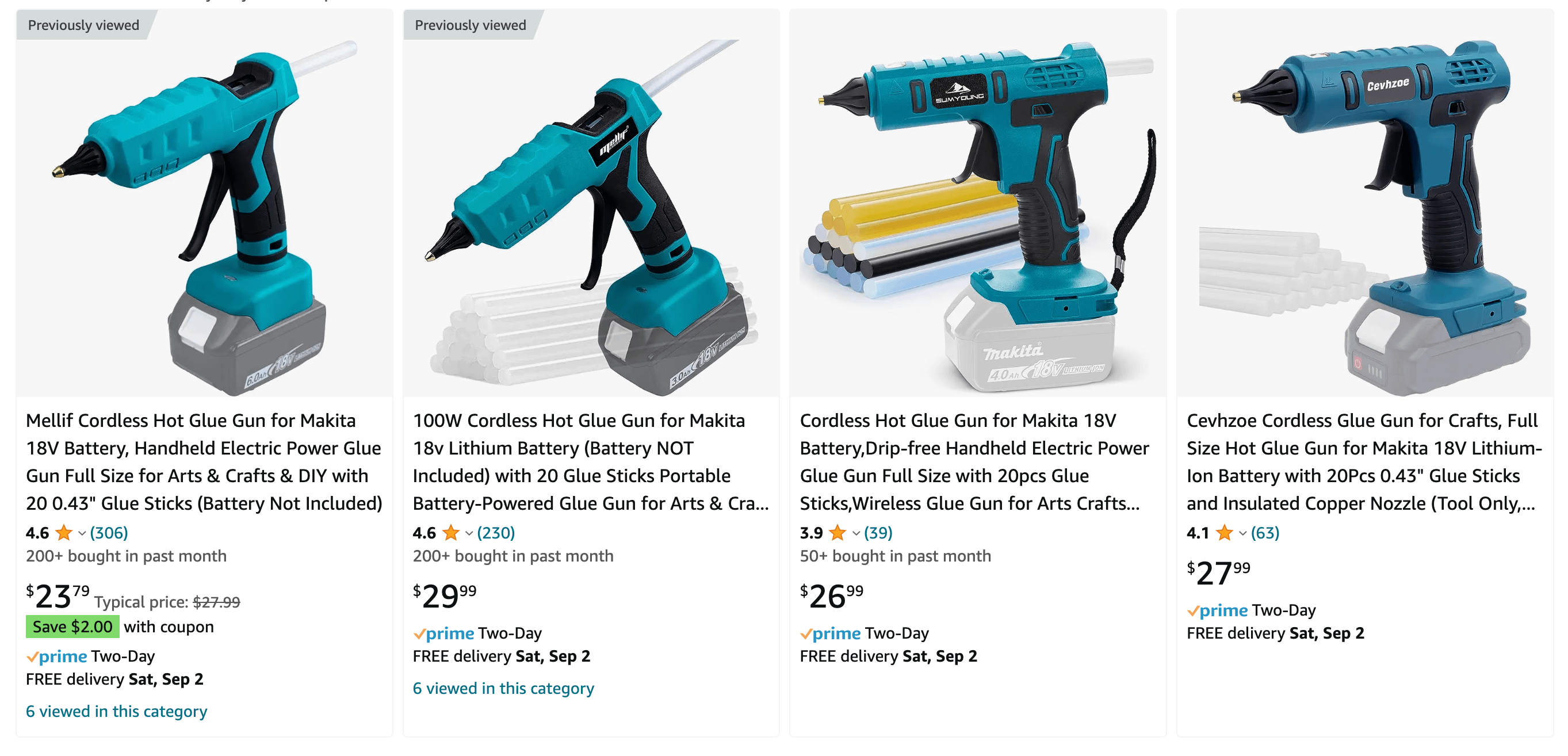
Many DIY enthusiasts report good results with select 3rd party batteries for home use. For example, people using Ryobi tools sometimes find reputable 3rd party batteries that last almost as long as the originals, at half the price.
But there are also reports of batteries swelling, overheating, or failing after a few months. In one case, a contractor lost $500 in tools when a 3rd party battery shorted and melted a bag of equipment.
3rd Party Vs. Oem: Quick Comparison
Here’s a summary to help you decide:
| Feature | OEM Battery | 3rd Party Battery |
|---|---|---|
| Price | High | Low |
| Safety | Proven | Varies |
| Warranty | Yes | Usually no |
| Compatibility | Guaranteed | Not always |
| Long-term value | High | Uncertain |
Non-obvious Insights Most Beginners Miss
- Tool firmware updates: Some brands update their tools or chargers to block non-original batteries. If your 3rd party battery stops working after a firmware update, this may be why.
- Battery storage voltage: Good batteries are shipped partially charged (about 40–60%). Some cheap batteries are shipped fully charged or completely empty, which can damage the cells before you even use them.
Knowing these details helps you avoid surprises.
Final Thoughts
So, can you use 3rd party batteries in power tools? The answer is, “It depends.” For non-critical use and old tools, a good 3rd party battery can save money. But for professionals or anyone who values safety, reliability, and warranty, sticking with OEM batteries is often the smarter choice. If you decide to try a 3rd party battery, research carefully, buy from trusted sources, and never ignore safety for a small saving. A little caution can protect your tools, your home, and yourself.
For more on battery safety standards, visit the Wikipedia page on lithium-ion batteries.
Frequently Asked Questions
Can I Use A 3rd Party Battery In My Dewalt/makita/bosch Tool?
Often, yes, if the battery is designed for your tool’s model and voltage. However, not all 3rd party batteries fit perfectly or work with all chargers. Always check compatibility before buying.
Will Using A 3rd Party Battery Void My Tool’s Warranty?
Yes, in most cases. Major brands state that using non-original batteries voids the warranty. If your tool breaks while using a 3rd party battery, repairs may not be covered.
Are 3rd Party Batteries Dangerous?
Some are safe, but others are poorly made and can be dangerous. Risks include overheating, fire, or damaging your tool. Buy only from trusted brands with safety certifications.
Do 3rd Party Batteries Last As Long As Brand Batteries?
Usually, brand batteries last longer, especially after many charge cycles. Some 3rd party batteries lose capacity faster or fail after a few months. Reviews and tests can help you pick better options.
How Do I Know If A 3rd Party Battery Is High Quality?
Look for safety certifications (UL, CE, RoHS), detailed user reviews, and buy from reputable sellers. Avoid batteries with very low prices or no information about the cells inside.
If you have more questions, always consult your tool’s user manual or contact the manufacturer for the safest advice.
