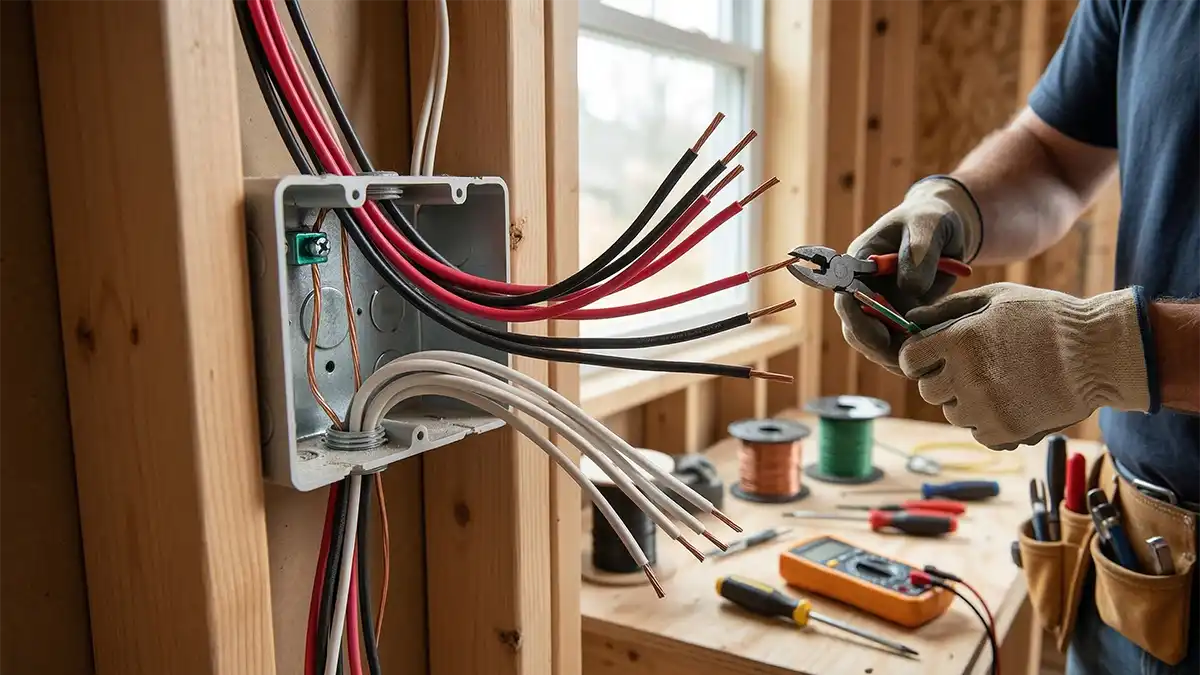
How to Splice Electrical Wire: Safe Methods and NEC Rules

How to Splice Electrical Wire

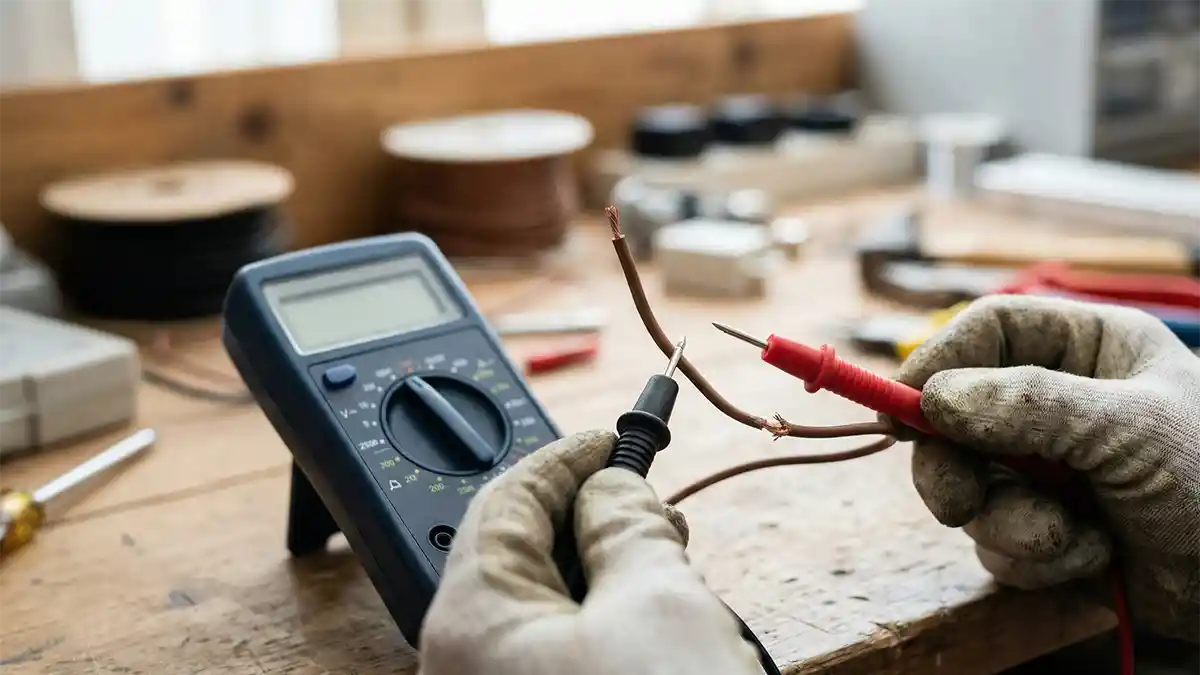
A bad wire splice is invisible until something goes wrong — a flickering light, a warm outlet, or a fire inside the wall. The good news: splicing electrical wire safely comes down to three things — turning off power at the breaker, using the right connector for the gauge and combination of wires, and putting …

Read more

Wire Nut vs Wire Connector: Which Should You Use?

Wire Nut vs Wire Connector

Wire Nut vs Wire Connector: Which Should You Use? Wire nuts (twist-on connectors) and push-in wire connectors are both code-compliant methods for splicing electrical conductors — but they work differently and suit different jobs. Wire nuts are the traditional choice, great for standard in-box splices with solid or stranded wire. Push-in connectors like Wago levers …

Read more

How to Solder Wires Together: Step-by-Step Guide

How to Solder Wires Together

How to Solder Wires Together: Step-by-Step for Clean, Strong Joints Soldering wires together creates a permanent, low-resistance electrical connection stronger than most mechanical connectors. The key is heating the wire itself — not the solder — so the solder flows into the joint rather than sitting on top of it. A proper wire-to-wire solder joint …

Read more

Soldering Iron vs Soldering Gun: Which Tool Do You Actually Need?

Soldering Iron vs Soldering Gun

A soldering iron uses a heated metal tip for precision work on electronics and small wires. A soldering gun uses a trigger-activated transformer that heats a copper tip almost instantly for heavier-gauge wire and electrical connections. For most DIY electronics and PCB work, a soldering iron is the better choice. For thick wire splices and …

Read more

How to Use a Strap Wrench: Easy Steps for Maximum Grip

How to Use a Strap Wrench: Easy Steps for Maximum Grip

If you’ve ever struggled to loosen a stubborn jar lid, tighten a delicate pipe fitting, or remove an oil filter without scratching it, a strap wrench can be your best friend. This simple tool uses a flexible strap to grip objects securely without causing damage. But how exactly do you use a strap wrench to …

Read more

Heat Gun Temperature Settings: Complete Guide by Application

Heat Gun Temperature Settings

Heat Gun Temperature Settings: Complete Guide by Application Using a heat gun at the wrong temperature is the most common cause of damaged materials, insufficient results, and safety incidents. Too low and the material won’t respond; too high and you scorch, melt, or ignite it. This guide gives you the correct temperature range for every …

Read more

How to Desolder Components: 3 Methods That Work

How to Desolder Components

Knowing how to desolder components the right way saves circuit boards, time, and money. Whether you’re pulling a blown capacitor off an old amplifier or salvaging an IC from a dead motherboard, the technique you choose directly decides whether the pad survives or lifts off the board. This guide walks through the three desoldering methods …

Read more

How to Use a Heat Gun: Techniques and Temperature Guide

How to Use a Heat Gun

How to Use a Heat Gun: Techniques, Temperature Settings, and Best Uses A heat gun delivers a controlled stream of hot air ranging from about 120°F to over 1,100°F (50°C to 600°C), making it one of the most versatile tools in a DIY workshop. You can use it to shrink heat shrink tubing, strip paint, …

Read more

Heat Gun for Heat Shrink Tubing: Complete Sizing Guide

Heat Gun for Heat Shrink Tubing

Heat Gun for Heat Shrink Tubing: Temperature, Technique, and Sizing Heat shrink tubing requires a heat source in the 200–350°F (93–175°C) range to shrink fully and uniformly. A heat gun is the ideal tool — it delivers the right temperature range with controlled airflow and lets you keep moving along the tubing for even coverage. …

Read more

How to Test a Car Alternator with a Multimeter

How to Test a Car Alternator with a Multimeter

How to Test a Car Alternator with a Multimeter: Step-by-Step Diagnosis A healthy car alternator should produce 13.8–14.8 volts DC at the battery terminals when the engine is running. If your battery keeps dying, your dashboard warning light is on, or your electrical accessories dim at idle, your alternator may be failing. A multimeter test …

Read more

🛒 Affiliate Disclosure: As an Amazon Associate, I earn from qualifying purchases. Some links on this site are affiliate links — clicking them may earn us a small commission at no extra cost to you. Learn more