How to Unclog a Sink Without a Plunger: Easy DIY Fixes

How to Unclog a Sink Without a Plunger: Easy DIY Fixes

Is your sink clogged, and you don’t have a plunger handy? Don’t worry—you don’t need fancy tools or expensive drain cleaners to fix it. You can clear that stubborn blockage right now with simple, easy methods using things you probably already have at home. Imagine saving time, avoiding a costly plumber visit, and getting your …

Read more

How to Use a Voltage Tester: Essential Tips for Safe Testing

How to Use a Voltage Tester: Essential Tips for Safe Testing

Use a voltage tester by first confirming the tester works on a known live source, testing the target conductor or outlet with the method specified for your tester, de-energizing the circuit before hands-on work, and verifying again before touching conductors. A non-contact tester is useful for screening, but its lack of an alert should not …

Read more

How to Test Car Battery With Multimeter: Easy Step-by-Step Guide

How to Test Car Battery With Multimeter: Easy Step-by-Step Guide

To test a car battery with a multimeter, set the meter to DC volts (20V range on a manual-ranging meter), touch red to the positive terminal and black to the negative terminal, then check the battery at rest, during cranking, and with the engine running. A rested, fully charged 12V lead-acid car battery is typically …

Read more

How to Test Ground With Multimeter: Easy Step-by-Step Guide

How to Test Ground With Multimeter Easy Steps for Accurate Results

To test a ground path with a multimeter, first identify what you are testing. For a de-energized vehicle or low-voltage circuit, continuity or low-ohms testing can reveal an open or high-resistance ground path. A handheld multimeter cannot certify a building grounding-electrode system; that requires the correct test method and equipment. For low-voltage automotive or electronics …

Read more

How to Test a Battery With a Multimeter: Quick & Accurate Guide

How to Test a Battery With a Multimeter Quick & Accurate Guide

Quick Answer: Set your multimeter to DC voltage (20V range), connect red probe to positive terminal and black to negative. A healthy 12V car battery reads 12.6V or higher. Below 12.0V means the battery needs charging or replacement. ⚠ Affiliate Disclosure: As an Amazon Associate, I earn from qualifying purchases at no extra cost to …

Read more

How to Test Water Heater Element With Multimeter: Easy DIY Guide

How to Test Water Heater Element With Multimeter Easy DIY Guide

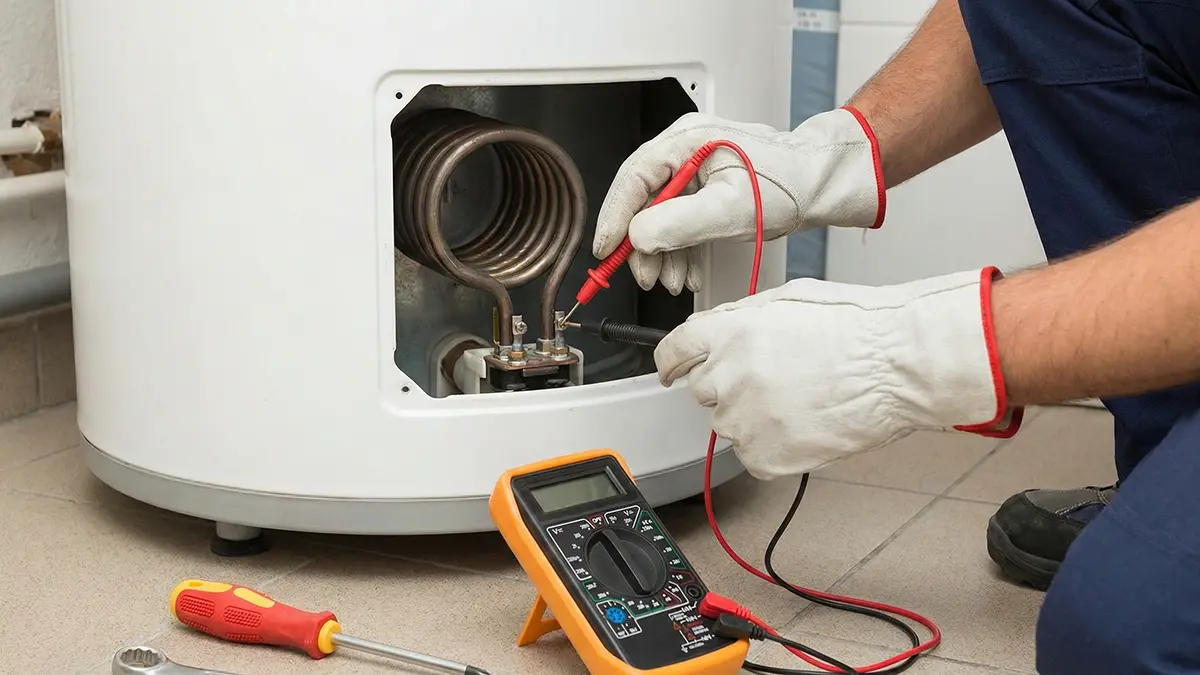
Is your water heater not delivering the hot water you need? Before calling a repair service, you can troubleshoot the problem yourself by testing the heating element. Knowing how to test a water heater element with a multimeter puts you in control and can save you time and money. In this guide, you’ll learn simple, …

Read more

How to Test a Starter With a Multimeter: Quick & Easy Guide

How to Test a Starter With a Multimeter Quick & Easy Guide

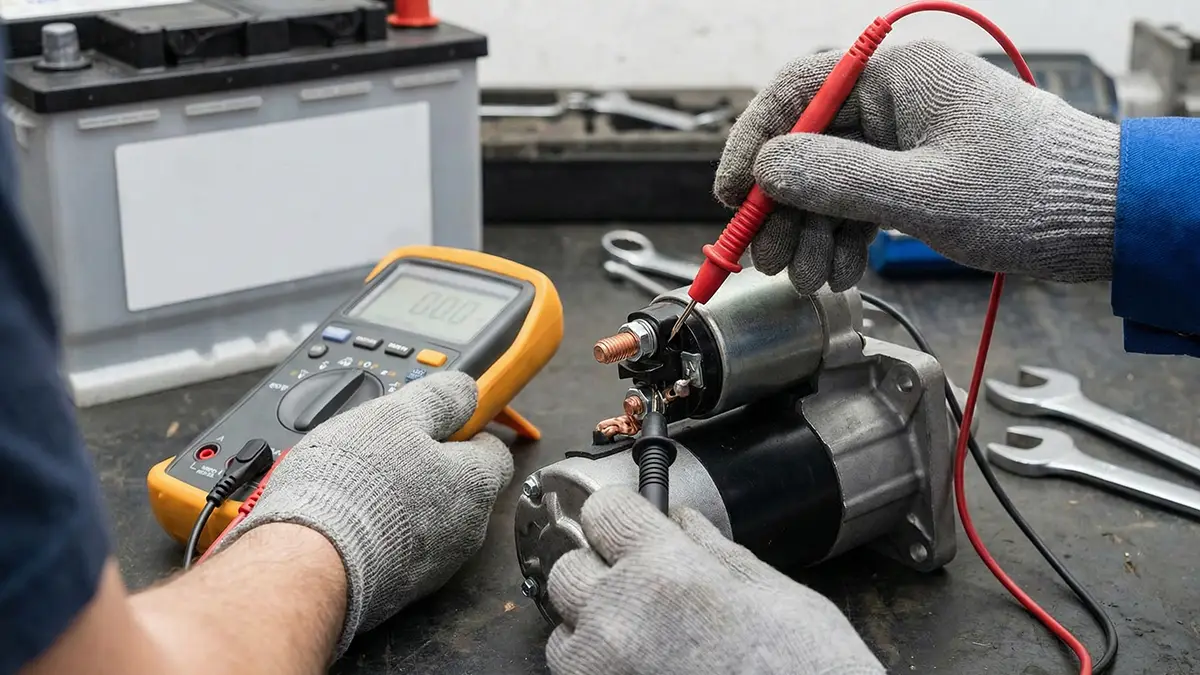
If your car won’t start, the problem might be your starter. But how can you be sure before spending money on repairs? A multimeter can help diagnose battery charge, starter-circuit voltage drop and the solenoid’s control signal. It cannot, by itself, prove that a starter motor delivers adequate torque under load. This guide distinguishes checks …

Read more

How to Choose a Multimeter: Expert Tips for Perfect Selection

How to Choose a Multimeter: Expert Tips for Perfect Selection

Choosing the right multimeter can feel overwhelming, especially with so many options available. But it doesn’t have to be complicated. Whether you’re fixing a simple household issue, diving into electronics projects, or working professionally with electrical systems, picking the right multimeter starts with understanding your needs. In this guide, you’ll discover clear, easy-to-follow steps to …

Read more

How to Test a Fuse With a Multimeter: Quick & Easy Guide

How to Test a Fuse With a Multimeter: Quick & Easy Guide

To test a standard one-time fuse with a multimeter, first disconnect and verify power is off, then remove the fuse according to the equipment instructions. Put the black lead in COM and red lead in V/Ω, select continuity or resistance (Ω), and touch the probes to opposite metal ends. An intact fuse normally reads close …

Read more

🛒 Affiliate Disclosure: As an Amazon Associate, I earn from qualifying purchases. Some links on this site are affiliate links — clicking them may earn us a small commission at no extra cost to you. Learn more