How to Make Miter Cuts Guide: Master Perfect Angled Joints

How To Make Miter Cuts Guide

Making clean, precise miter cuts is a skill every woodworker, DIY home renovator, and craftsperson will need at some point. A miter cut is an angled cut made across the face of a board, commonly used to join two pieces at a corner, like in picture frames, door trim, or crown molding. While the concept …
Read more

Da Polisher Vs Rotary Polisher: Which Is Best for Your Car?

Da Polisher Vs Rotary Polisher

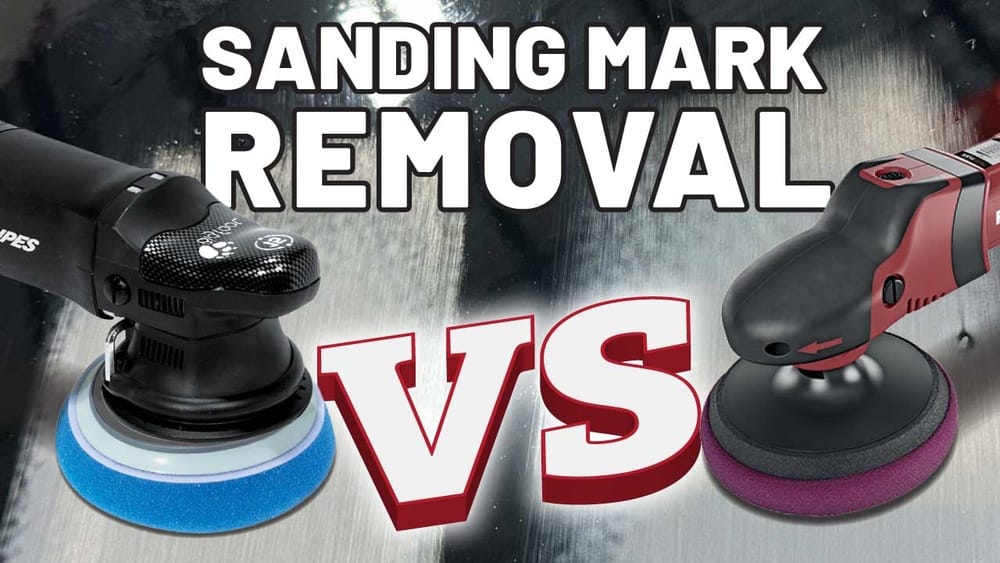
When you want your car’s paint to shine like new, the right tool can make all the difference. Car enthusiasts and professional detailers often debate between two main tools: the DA polisher and the rotary polisher. Each tool has its own strengths, and the choice can impact your results, safety, and how easy the job …

Read more

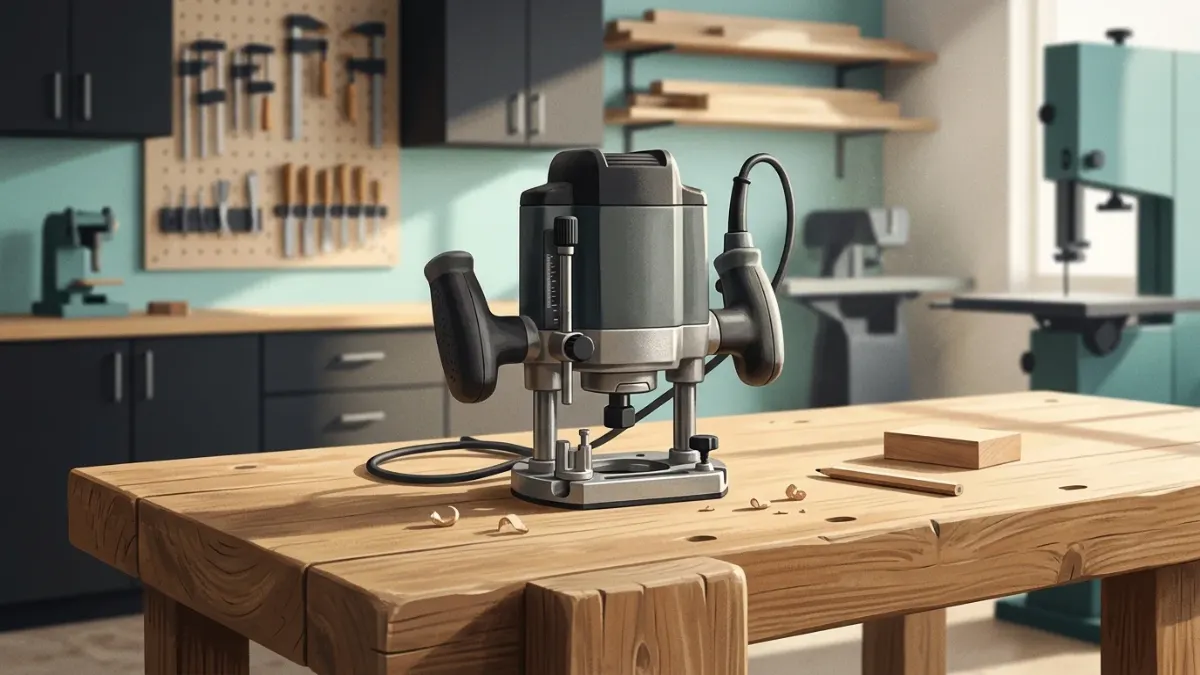
Best Wood Routers (2026): Top 10 Picks for Woodworking

Best Wood Routers (2026): Top 10 Picks for Woodworking

⚠️ Affiliate Disclosure: As an Amazon Associate, Power Tools Today earns from qualifying purchases. If you click on a product link and make a purchase, we may receive a small commission at no extra cost to you. This helps support our site and keep our content free. A wood router is one of the most …

Read more

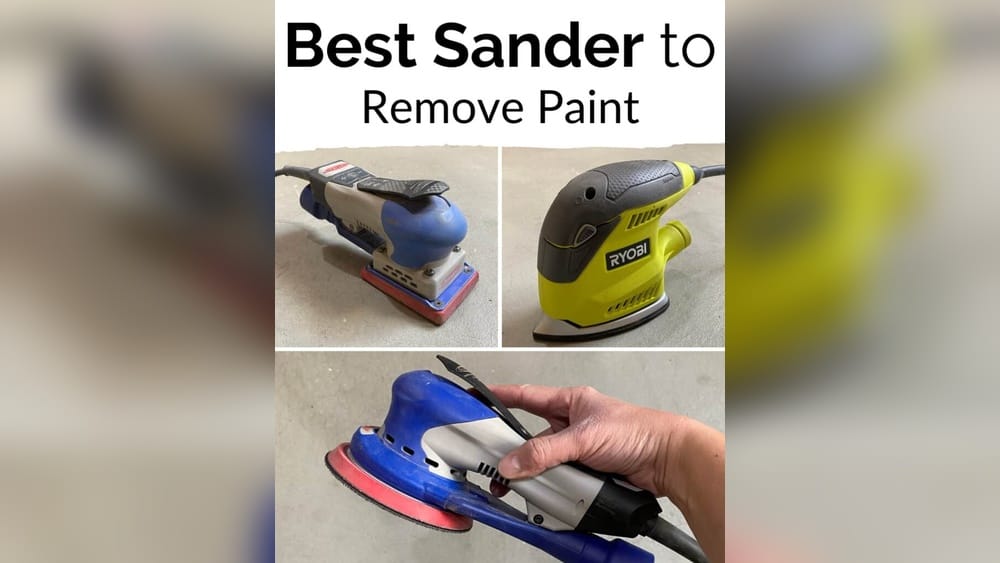
How to Remove Paint With a Sander: Expert Tips and Tricks

How To Remove Paint With A Sander

Removing old paint can be a tough job, especially if you want smooth, clean surfaces for your next project. Sanding is one of the most effective ways to strip paint, whether you’re working on wood, metal, or even concrete. But if you haven’t done it before, using a sander can feel overwhelming. Understanding the right …

Read more

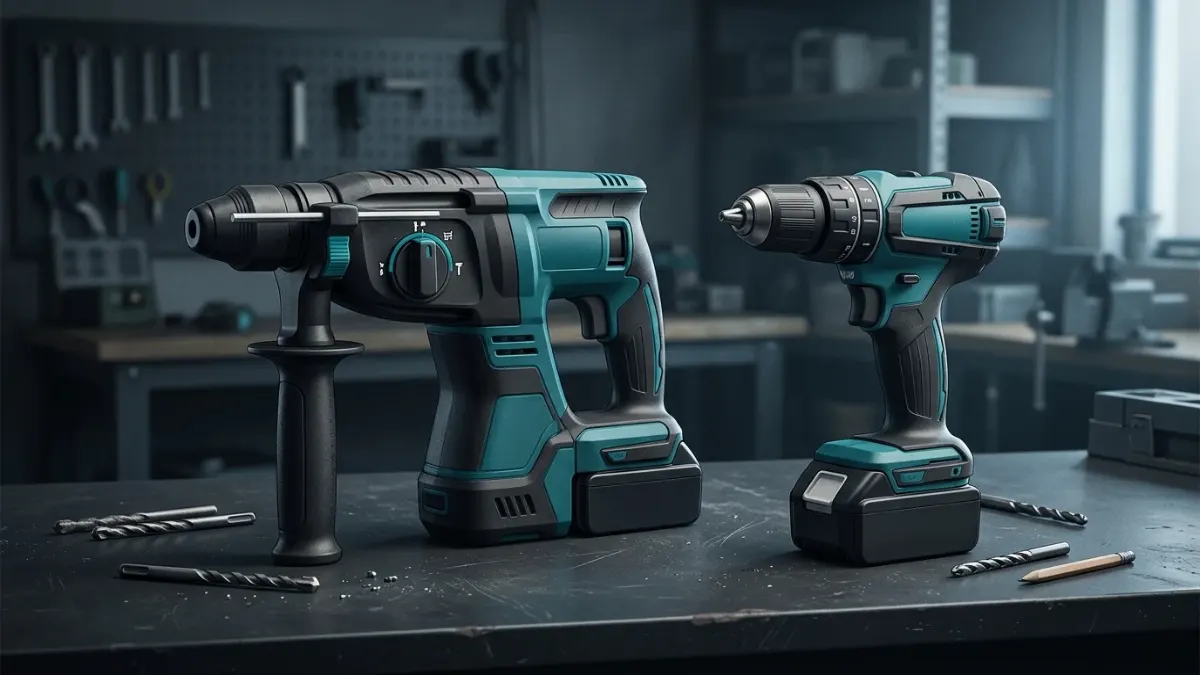
SDS Drill vs Regular Drill: Which One Do You Actually Need?

SDS Drill vs Regular Drill: Which One Do You Actually Need?

An SDS drill uses a spring-loaded chuck system that lets the bit slide back and forth independently of the rotation, delivering far more impact energy into concrete and masonry. A regular drill simply spins and grips — perfect for wood, metal, drywall, and driving screws, but underpowered for hard masonry. Pick the wrong tool and …

Read more

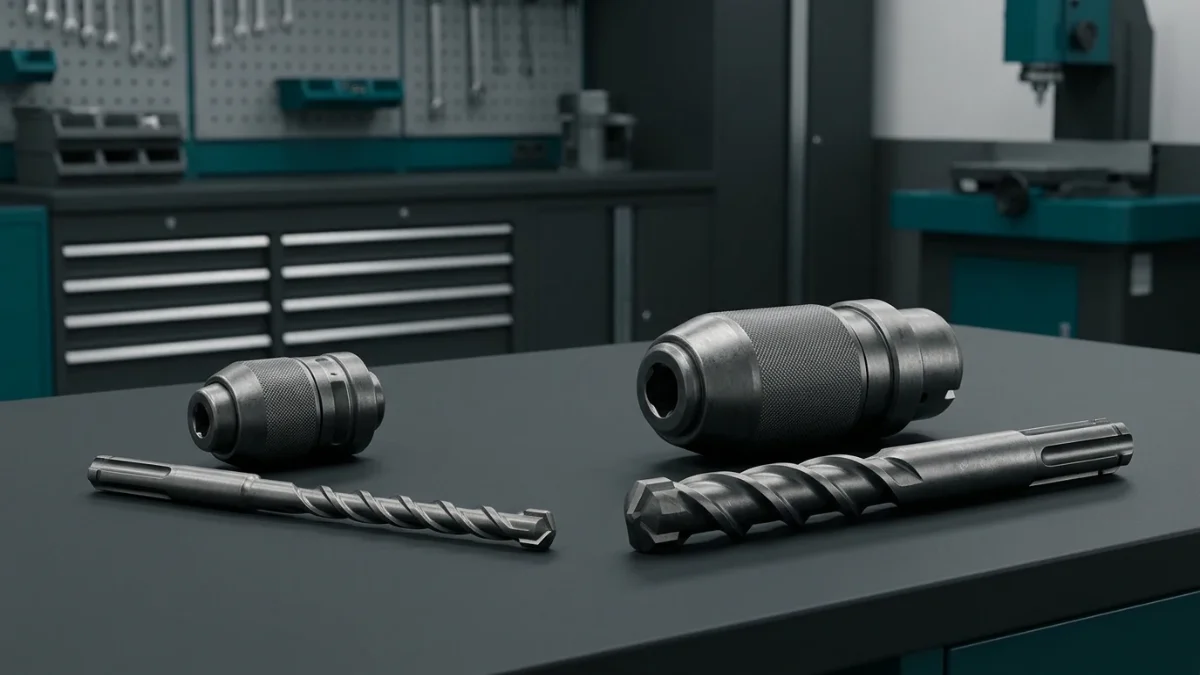
SDS Max vs SDS Plus: Key Differences Every Driller Should Know

SDS Max vs SDS Plus: Key Differences Every Driller Should Know

SDS-Plus and SDS-Max are two different rotary hammer chuck systems. According to Bosch, SDS-Plus uses a 10 mm shank and suits generally lighter rotary hammers and smaller masonry holes, whereas SDS-Max uses an 18 mm shank for heavier rotary hammers and demanding work. Impact energy, hole size and chiseling capability depend on the particular tool …

Read more

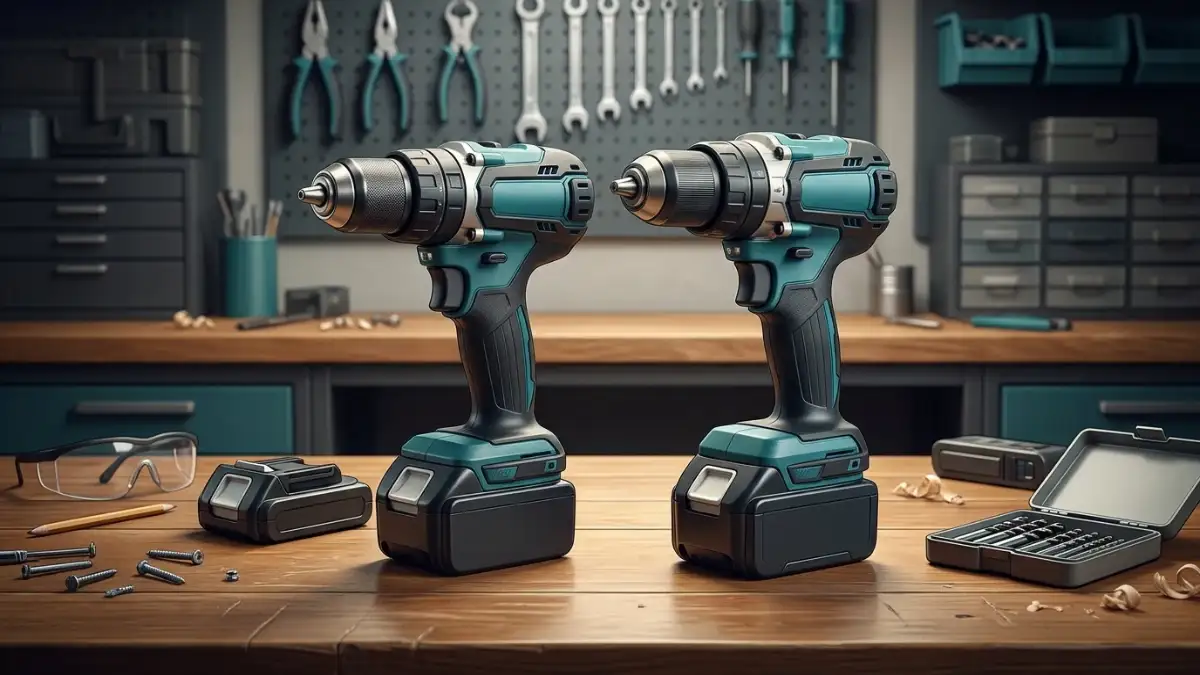
18V vs 20V Drill: Is There Actually a Difference?

18V vs 20V Drill: Is There Actually a Difference?

An 18V drill and a 20V drill are essentially the same thing — the difference is how manufacturers measure battery voltage. Both read 18 volts under load (nominal voltage). The “20V MAX” label used by DeWalt and other brands refers to the fully charged open-circuit peak voltage of the battery, not the working voltage. You …

Read more

Corded vs Cordless Drill: Which One Should You Actually Buy?

Corded vs Cordless Drill: Which One Should You Actually Buy?

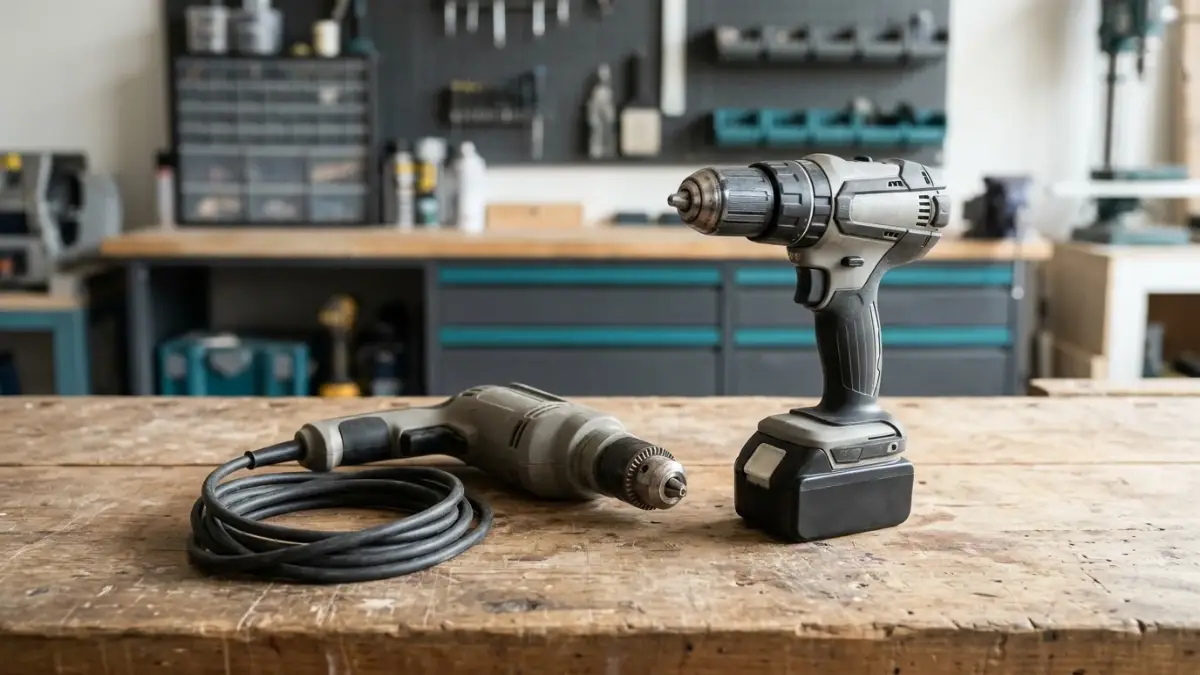
Corded drills give you unlimited runtime and consistent power at the cost of mobility. Cordless drills let you work anywhere with no cord in the way, but you’re limited by battery charge and available voltage. For most homeowners doing weekend projects, a cordless 20V drill is the right choice. For contractors drilling all day through …

Read more

Drill Driver vs Impact Driver: Which Tool Does What?

Drill Driver vs Impact Driver: Which Tool Does What?

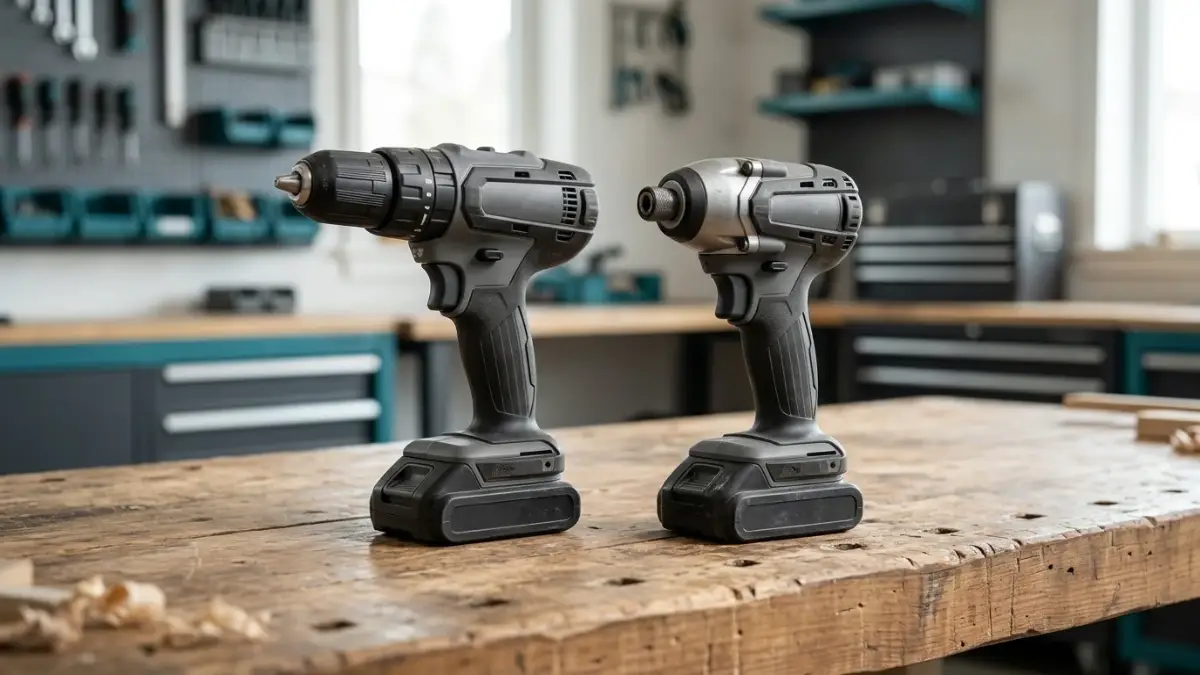
A drill driver is a multi-purpose tool built for drilling holes and driving screws with precision control. For an overview of drill types and where each fits, see our complete drill guide. An impact driver uses concussive rotational force to drive fasteners quickly with high torque and minimal wrist strain. For most homeowners, a drill …

Read more

Drill Bit Sizes Explained: Fractional, Metric, and Number Systems

Drill Bit Sizes Explained: Fractional, Metric, and Number Systems

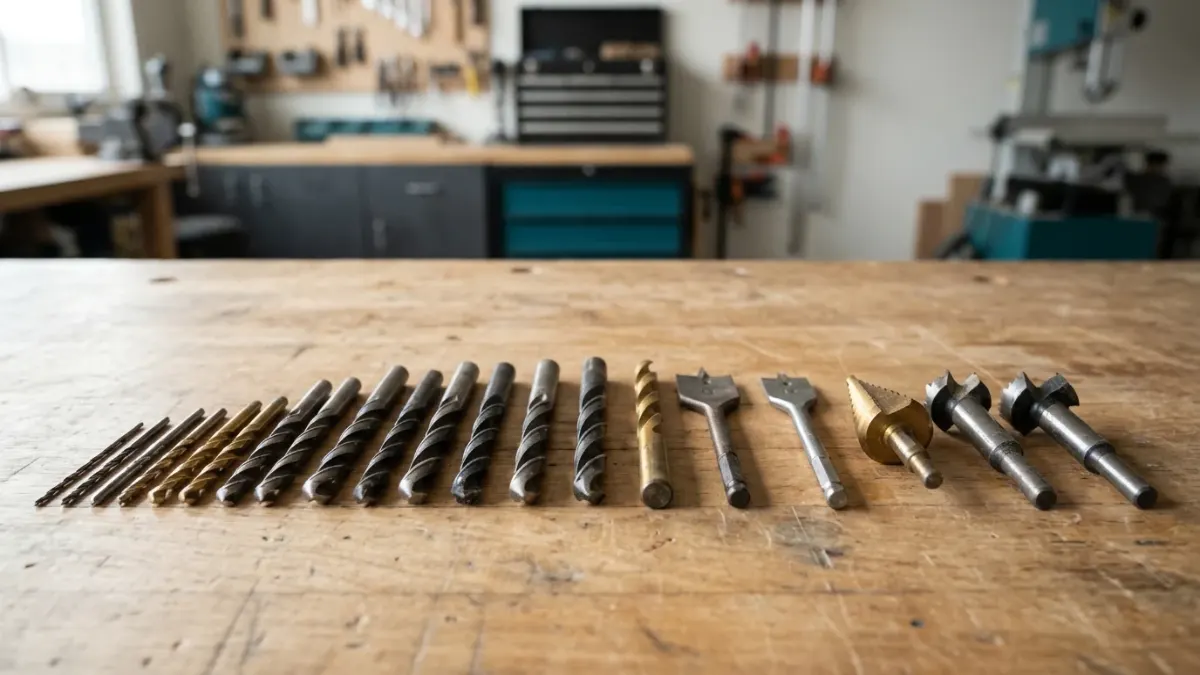
Drill bits come in four sizing systems: fractional inch, metric, wire gauge (number), and letter. Most homeowners only ever use fractional inch bits — sizes like 1/8″, 1/4″, 3/8″ — but knowing how the other systems work helps you read charts, match pilot holes to fasteners, and buy the right bit the first time. This …

Read more

🛒 Affiliate Disclosure: As an Amazon Associate, I earn from qualifying purchases. Some links on this site are affiliate links — clicking them may earn us a small commission at no extra cost to you. Learn more