
When you want your car’s paint to shine like new, the right tool can make all the difference. Car enthusiasts and professional detailers often debate between two main tools: the DA polisher and the rotary polisher. Each tool has its own strengths, and the choice can impact your results, safety, and how easy the job feels. If you’re unsure which to pick, or want to understand how they work, you’re in the right place. Let’s dive deep into the world of polishers and see what sets them apart, when to use each, and what beginners often get wrong.
What Is A Da Polisher?
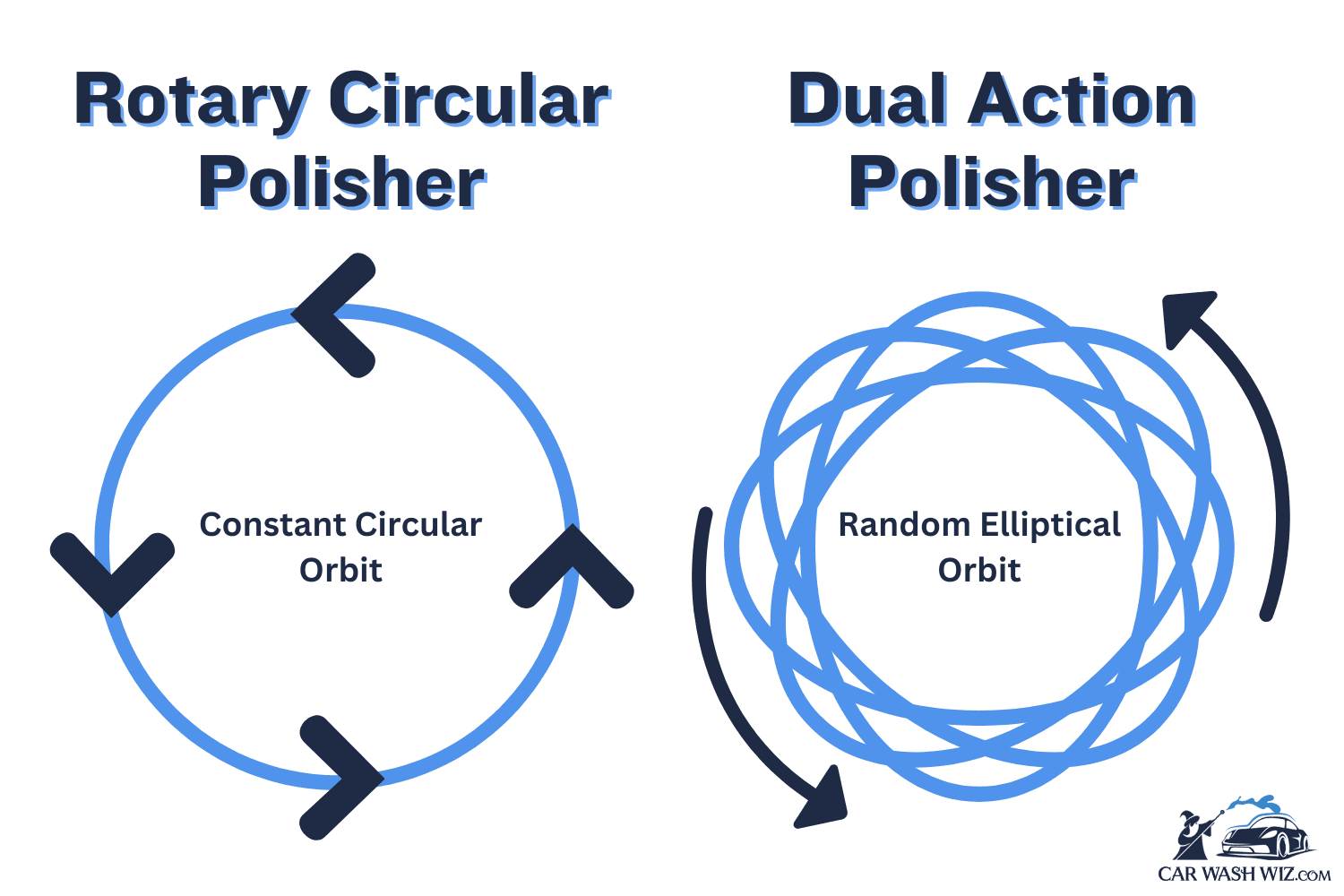
A DA polisher stands for Dual Action polisher. This means the head spins in two ways at once: it rotates on its own axis, and it also moves in a larger circular motion, like the Earth spinning while circling the Sun. This random movement helps reduce heat buildup and lowers the risk of damaging your car’s paint.
Most DA polishers are electric or battery-powered. They’re popular among beginners because they’re easy to control and much safer for sensitive paintwork. You can use a DA polisher for tasks like:
- Removing light scratches and swirls
- Applying wax or polish evenly
- Restoring gloss to dull paint
The dual action makes it hard to burn through the clear coat, so it’s a favorite for hobbyists.
What Is A Rotary Polisher?
A rotary polisher spins its pad in a single, constant circle. This creates more friction and heat, which makes it very effective at removing deep scratches or heavy defects. Professionals often use rotary polishers when a car’s paint is badly damaged or heavily oxidized.
However, more power means more risk. The rotary polisher can easily burn paint, cause holograms, or even strip clear coat if used incorrectly. It requires a steady hand, experience, and a good eye for paint condition.
Rotary polishers are best for:
- Cutting through deep scratches or heavy swirl marks
- Restoring old or damaged paint jobs
- Quick correction on hard paint surfaces
How Da And Rotary Polishers Work
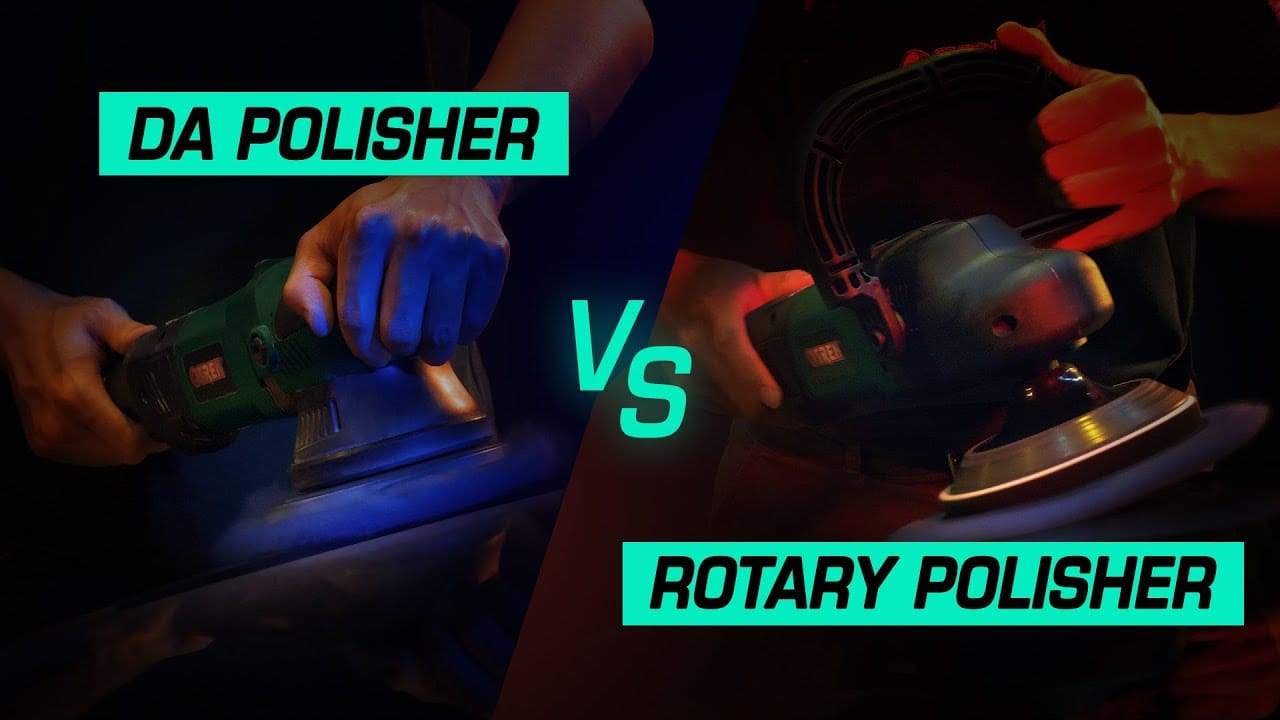
Both tools use a spinning pad to apply polish or compound to the paint. But the movement makes a big difference.
- DA polishers use a random orbital motion. The pad never spins in the same place twice, helping to spread heat and reduce the chance of damaging paint.
- Rotary polishers use a direct drive spin. The pad always rotates the same way, creating more heat in one spot.
Here’s a side-by-side look:
| Feature | DA Polisher | Rotary Polisher |
|---|---|---|
| Motion | Dual Action (rotates and orbits) | Single Rotation |
| Heat Build-up | Low | High |
| Risk to Paint | Very Low | High |
| Correction Power | Moderate | Very High |
| Skill Required | Beginner-Friendly | Professional Level |
Main Differences Between Da And Rotary Polishers
Understanding the core differences will help you pick the right tool for your needs. Let’s break them down clearly.
1. Safety For Beginners
DA polishers are much safer for people new to polishing. Their movement makes it very hard to damage paint. Most accidental mistakes, like leaving the pad too long in one spot, won’t cause serious harm.
Rotary polishers require much more care. Even a few seconds too long can overheat the paint or create holograms (visible swirl lines). If you are new to car detailing, a rotary can be risky.
2. Correction Speed
A rotary polisher can fix heavy scratches, oxidation, or water spots much faster. It cuts deeper with each pass. This is why professionals use them for serious paint correction.
A DA polisher works slower for deep defects. It may take several passes to fix tough problems, but for light swirls or regular maintenance, it’s usually fast enough.
3. Finish Quality
DA polishers are famous for leaving a smooth, swirl-free finish. They’re great for the final step of polishing, bringing out the gloss and depth in your car’s paint.
Rotary polishers can sometimes leave behind micro-marring or holograms, especially in the hands of a beginner. Often, detailers use a rotary for the first, heavy correction step, then finish with a DA polisher for the best shine.
4. Ease Of Use
A DA polisher is lighter and vibrates less, making it easier on your arms and hands during long jobs. The random motion means you don’t need to focus as much on pad angle or pressure.
A rotary polisher is heavier and can “grab” on edges, making it harder to control. If you’re not careful, it can jump and cause uneven results.
5. Cost And Availability
Most DA polishers are priced for hobbyists, with popular models starting around $100-$200. Pads and accessories are easy to find.
Rotary polishers can also be found in this price range, but the extra polishing pads and compounds for deep correction may add to the cost. Also, you might need more types of pads to finish the job.
When To Use A Da Polisher
A DA polisher is the best choice for:
- Regular maintenance and light correction
- Beginners who want to learn paint correction safely
- Sensitive or thin paint jobs
- Applying waxes, sealants, or glazes
- Final polishing for deep gloss
You can use it on almost any modern car paint without fear.
When To Use A Rotary Polisher
A rotary polisher makes sense when:
- You need fast, heavy correction (deep scratches, severe oxidation)
- Working on hard, older paint jobs
- You have experience with machine polishing
- Time is short and results matter more than safety
Professionals use rotary polishers to save time and get strong correction. But many still switch to a DA for the final polish.
Credit: www.youtube.com
Examples Of Real-world Results
Let’s look at a few real examples to show what each tool can do.
- DA polisher: A car with light swirl marks and faded gloss. After 1-2 passes with a DA polisher and finishing polish, the paint looks shiny and fresh, with no visible defects.
- Rotary polisher: A car with deep scratches from years of neglect. A rotary polisher and cutting compound remove most defects in one or two passes, but the finish may have slight holograms. Follow up with a DA polisher and fine polish for a perfect look.
Some professionals report that rotary polishers can remove up to 70-80% of paint defects in a single pass, while DA polishers might need two or three passes for similar results—but with less risk to the paint.
Key Advantages And Disadvantages
Here’s a quick comparison to help you decide:
| DA Polisher | Rotary Polisher | |
|---|---|---|
| Pros | – Beginner-friendly – Hard to damage paint – Great for final polishing – Less tiring to use | – Powerful correction – Fast results for major defects – Good for heavy-duty jobs |
| Cons | – Slower for heavy defects – May not fix deep scratches – Less effective on hard paints | – High risk for beginners – Can burn paint or leave marks – Requires skill and care |
Common Mistakes Beginners Make
It’s easy to get excited and jump in, but here are some non-obvious mistakes people often make:
- Using too much pressure: With both tools, let the weight of the machine do the work. Pushing down can stall a DA or burn paint with a rotary.
- Wrong pad or product choice: Not all pads or compounds work with every tool. For example, a very aggressive pad on a rotary can remove too much clear coat.
- Skipping test spots: Always test your combo on a small area first. This avoids surprises and helps you see if more correction is needed.
- Ignoring pad cleanliness: A dirty pad will scratch paint, no matter which tool you use. Clean or replace pads often during use.
- Moving too slowly or quickly: If you move too slow with a rotary, you risk burning paint. Too fast with a DA, and you won’t get results.
How To Choose The Right Polisher For Your Needs
Picking the best polisher depends on your goals, experience, and the condition of your car’s paint.
- If you’re new to detailing, a DA polisher is the safest bet.
- If you have experience, need to fix major defects, or work on many cars, a rotary polisher could be worth learning.
- For most people, starting with a DA and upgrading later is the smart move.
Also, consider your comfort level with tools, your budget, and how much time you want to spend detailing.
Credit: www.youtube.com
Professional Tips For Better Results
Here are some tips from experienced detailers:
- Keep pads damp, not soaking wet or dry. This helps spread polish evenly.
- Mark your backing plate with a line, so you can see if the pad is spinning (especially useful for DA polishers).
- Work in small sections (about 2×2 feet) at a time for better control and even results.
- Use proper lighting to check your work as you go. Swirls and holograms are easier to spot under strong LED or halogen lights.
- Don’t rush. The best shine comes from patience and careful work.
How Technology Has Changed Polishers
In the past, rotary polishers were the only option. Modern DA polishers have improved a lot, with larger throws (the size of the orbit), better motors, and quieter operation. Some high-end DA polishers can now remove serious defects almost as well as a rotary, but with much less risk.
This is why many professional shops now use both: rotary for speed and power, DA for the finishing touch.
Credit: carwashwiz.com
What The Experts Say
Many car care experts recommend starting with a DA polisher, unless you have years of experience. A recent survey showed that over 65% of car owners who tried machine polishing started with a DA polisher. Most were happy with the results and felt confident enough to tackle more advanced jobs over time.
For more in-depth information on the technology and history of polishers, you can check out this detailed guide on Wikipedia.
Frequently Asked Questions
What Is The Main Difference Between A Da Polisher And A Rotary Polisher?
The key difference is the movement. DA polishers use a dual action (rotating and orbiting), which is safer for paint and easier for beginners. Rotary polishers spin in a single circle, offering more correction power but higher risk.
Can A Beginner Safely Use A Rotary Polisher?
It’s possible, but not recommended. Rotary polishers need more skill and can damage paint if used incorrectly. Beginners should start with a DA polisher for better safety and control.
Do Da Polishers Remove Deep Scratches?
DA polishers can fix light to moderate scratches, but may struggle with deep defects. For serious scratches, a rotary polisher or professional help may be needed.
Why Do Some Professionals Use Both Types Of Polishers?
Many detailers use a rotary polisher for fast, heavy correction, then switch to a DA polisher for the final polish. This combination gives the best correction and gloss with lower risk.
What Should I Look For When Buying My First Polisher?
Choose a DA polisher with variable speed, a comfortable grip, and good reviews. Make sure pads and accessories are easy to find. Don’t buy the cheapest option; a reliable tool will give better, safer results.
Both DA and rotary polishers can give amazing results when used right. The secret is matching your tool to your skill and your car’s needs. Start simple, learn as you go, and your paint will thank you with a long-lasting shine.
