
When installing hardwood flooring, the right tools make all the difference between a floor that lasts decades and one that creaks, shifts, or even buckles. Two of the most popular tools for nailing down hardwood floors are cleated flooring nailers and staple flooring nailers. While these tools may look similar at first glance, their differences can affect your installation results, long-term durability, and even the speed of your work. If you’re a contractor, DIYer, or homeowner planning to install hardwood floors, understanding the cleated vs staple flooring nailer debate is essential for making the right choice.
Let’s break down how each tool works, where each shines, and what you need to consider before making your decision.
What Is A Flooring Nailer?
A flooring nailer is a specialized tool made for attaching hardwood planks securely to a wood subfloor. Unlike a regular nail gun, flooring nailers drive fasteners at an angle, which helps lock the tongue-and-groove boards tightly together. There are two main types:
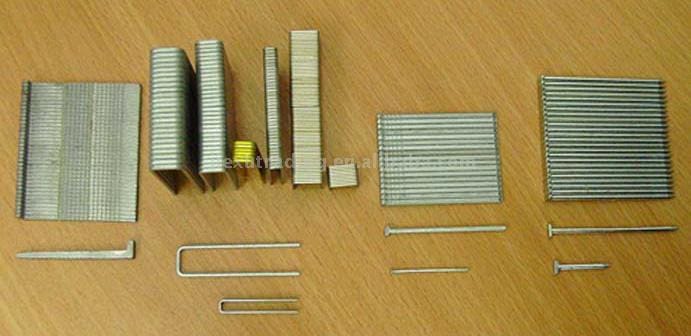
- Cleated flooring nailers: Use L-shaped or T-shaped nails (called cleats)
- Staple flooring nailers: Use heavy-duty staples
Both types can be powered by manual force, compressed air (pneumatic), or batteries (cordless). The design ensures fasteners are placed at the correct angle and depth, reducing the risk of damage to the flooring.
How Cleated Flooring Nailers Work
Cleated nailers drive a single, hardened steel cleat through the tongue of the hardwood plank into the subfloor. These cleats are either L-shaped or T-shaped, and their design allows for a bit of flex. This flex is important as wood expands and contracts with temperature and humidity changes.
Benefits Of Cleated Flooring Nailers
- Superior Hold Over Time: The small barbs on the cleats grip the wood as it moves, reducing the risk of squeaks and board movement.
- Better for Hardwoods: Species like maple, hickory, or bamboo expand and contract more. Cleats flex slightly, following the wood’s natural movement.
- Less Risk of Splitting: Cleats make a smaller hole than staples, which means less chance of damaging the tongue.
Drawbacks
- Higher Cost: Cleats are usually more expensive than staples.
- Slower Loading: Magazine capacity is often smaller, so you reload more often.
- Less Readily Available: Not all hardware stores stock cleats, especially in less common sizes.
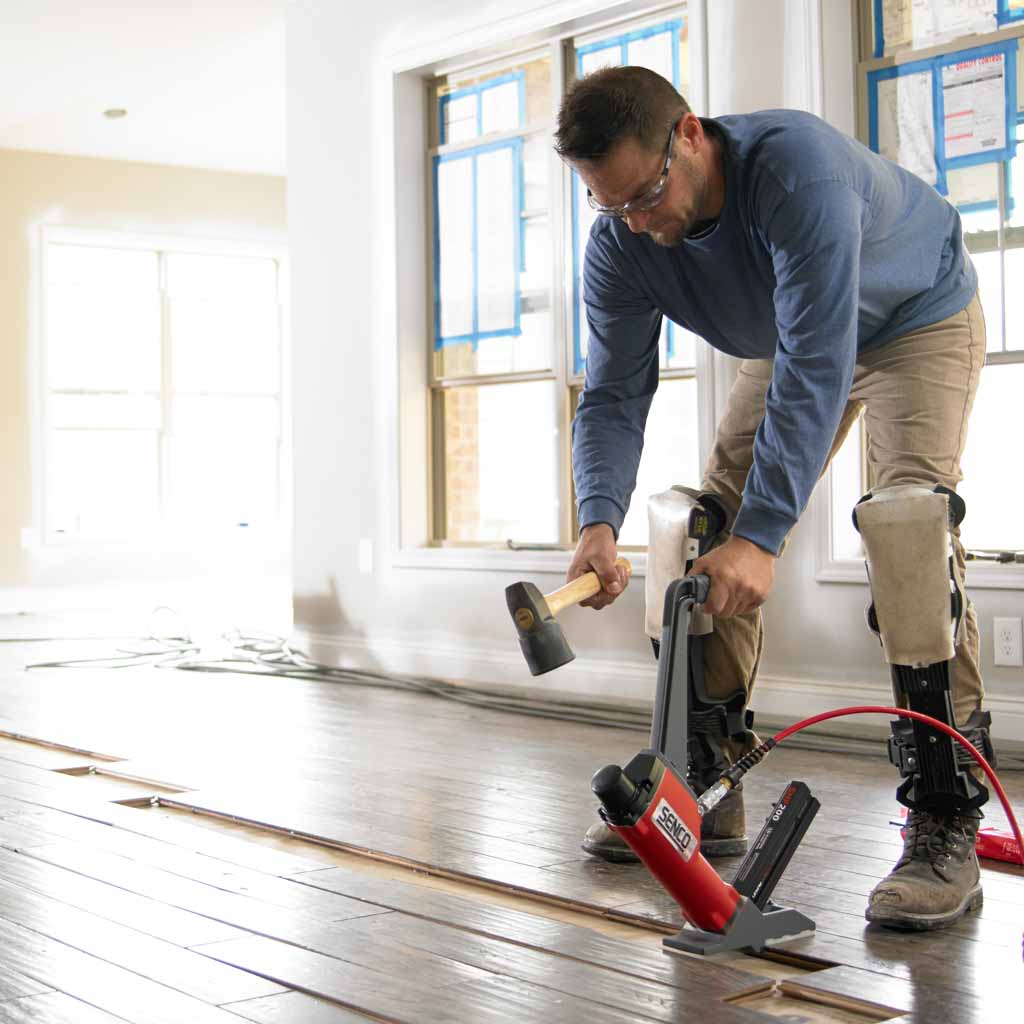
Credit: www.senco.com
How Staple Flooring Nailers Work
Staple flooring nailers use wide, two-pronged staples that penetrate the tongue of the board and anchor into the subfloor. Staples provide a large surface area, which means a strong grip—at least initially.
Benefits Of Staple Flooring Nailers
- Faster Installation: Staples are easier to load, and the magazine holds more, speeding up large jobs.
- Lower Cost: Both the nailer and the staples themselves are generally cheaper than cleated systems.
- Easier to Find: Staples and compatible nailers are widely available at most hardware stores.
Drawbacks
- Potential for Squeaks: Because staples don’t flex, they can cause creaks as the floorboards expand and contract.
- More Splitting: The wide staple can split the tongue, especially on thinner or harder woods.
- Not Ideal for Exotic Woods: Some hardwoods are too dense or brittle for staples, leading to installation problems.
Head-to-head Comparison
To help you see the main differences at a glance, here’s a side-by-side look:
| Feature | Cleated Flooring Nailer | Staple Flooring Nailer |
|---|---|---|
| Fastener Type | L- or T-shaped cleats | 2-pronged staples |
| Best For | Hardwoods, exotics, bamboo | Softer woods, engineered hardwood |
| Cost | Higher | Lower |
| Installation Speed | Slower (smaller magazine) | Faster (large magazine) |
| Risk of Squeaks | Low | Moderate to high |
| Risk of Splitting | Low | Higher |
Which One Is Better For Each Flooring Type?
Choosing between a cleated or staple flooring nailer depends heavily on the type of floor you’re installing.
Solid Hardwood
For solid hardwoods, especially those over 3/4″ thick, cleated nailers are the gold standard. Their ability to flex with the wood reduces long-term issues. For example, installers often recommend cleats for oak, walnut, maple, and especially bamboo or Brazilian cherry.
Engineered Hardwood
Staple nailers can be a good fit for engineered hardwoods, which are more dimensionally stable. Since engineered planks don’t expand and contract as much, the flexibility of cleats is less important. Staples can speed up installation and lower costs.
Bamboo And Exotics
Bamboo and exotic woods are very dense and can crack easily. Cleats are less likely to split these woods. Many manufacturers of these floors specify cleats in their installation instructions.
Real-world Insights: What Installers Say
Professional installers often have strong opinions on this debate, based on years of experience. Here are two insights beginners often miss:
- Manufacturer Requirements Matter: Many flooring warranties require using a specific fastener type. Using the wrong one can void your warranty. Always check the manufacturer’s instructions.
- Local Climate Impacts Choice: In areas with big humidity swings, cleated nailers perform better. In stable, dry climates, staples may be just fine for many woods.
Credit: uniquewoodfloor.com
Cleated Flooring Nailer: Key Features
If you’re leaning toward a cleated flooring nailer, it’s worth knowing what features to look for:
- Adjustable Base Plates: Ensures proper angle for different floor thicknesses.
- Depth Adjustment: Lets you set how deep the cleat goes, preventing damage.
- Ergonomic Handle: Reduces fatigue during long installs.
- Magazine Size: A larger magazine means fewer reloads, but these tools are still typically smaller than staple nailers.
Staple Flooring Nailer: Key Features
Staple nailers also come with their own set of features:
- High-Capacity Magazine: Allows for faster work, especially in large rooms.
- Easy Jam Clearing: Staples sometimes jam, so quick access to clear jams is a big plus.
- Lightweight Design: Many staple nailers are lighter, reducing arm strain.
- Depth Adjustment: Important for avoiding staple over-penetration.
Cost Breakdown
Let’s compare the costs for a typical installation of 1,000 square feet:
| Item | Cleated Nailer | Staple Nailer |
|---|---|---|
| Tool Price | $250–$400 | $150–$250 |
| Fastener Price (per 1,000 sq ft) | $60–$80 | $30–$45 |
| Total Estimated Cost | $310–$480 | $180–$295 |
Staple systems are clearly cheaper, but the long-term performance of cleats can make them worth the extra cost for high-value flooring.
Speed And Ease Of Use
Many DIYers choose staple nailers because of their speed and ease. Here’s why:
- Staples are easier to load and you reload less often.
- Staple nailers are usually lighter, making them less tiring for large rooms.
- Cleated nailers require more precision and can be heavier, but offer a professional finish.
That said, a little extra time with a cleated nailer can save you headaches down the road, especially if you’re installing expensive or exotic floors.
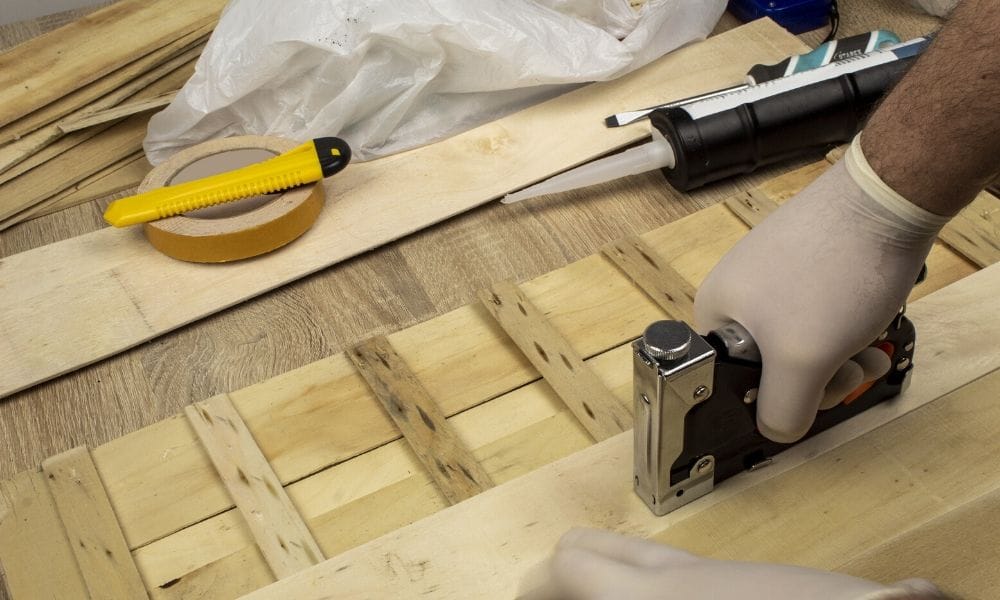
Credit: www.stapleheadquarters.com
Common Mistakes To Avoid
Choosing and using the right flooring nailer isn’t just about picking a tool—it’s also about avoiding errors that can ruin your floor. Here are common mistakes:
- Ignoring Manufacturer Guidelines: Always check what your flooring brand recommends. Some require cleats or staples of a specific length and gauge.
- Incorrect Fastener Spacing: Too few fasteners lead to loose boards; too many can split the tongue.
- Wrong Fastener Size: Using fasteners that are too long or short can cause problems. For 3/4″ flooring, 1-1/2″ to 2″ is standard.
- Not Testing on Scrap: Before starting, drive a few fasteners through a scrap piece to check for splitting or over-driving.
- Skipping Acclimation: Let your flooring acclimate to room conditions before nailing to reduce expansion/contraction issues.
Maintenance And Troubleshooting
Both types of nailers can develop issues if not maintained:
- Keep your tool clean: Dust and debris can cause jams.
- Lubricate moving parts: Especially for pneumatic models.
- Inspect fasteners: Bent or low-quality fasteners cause jams and misfires.
- Check depth regularly: Wood hardness varies—test as you go.
When To Rent Vs. Buy
If you’re only installing one room, renting may be smarter. Most tool rental shops offer both cleated and staple nailers by the day. For professionals or those with several rooms to install, buying a tool makes sense.
Environmental Impact
One overlooked factor is waste. Staples are often coated in glue that can outgas, while cleats are usually plain steel. If you care about indoor air quality, check for low-emission fasteners. Also, the smaller holes left by cleats may make refinishing easier in the future.
Industry Recommendations
The National Wood Flooring Association (NWFA) generally recommends cleated fasteners for most solid and exotic hardwoods. Their research shows cleats reduce the risk of squeaks and surface issues over time.
For more technical details and installation guides, you can visit the NWFA’s official installation resource.
Practical Tips For Choosing
- If installing 3/4″ solid hardwood, go with cleats.
- For engineered hardwood or softer woods, staples are a cost-effective and fast solution.
- Always check your flooring warranty for required fastener types.
- If you live in a region with big humidity swings, prefer cleats for durability.
- For beginners, staples are easier to load and use, but practice on scraps first.
Frequently Asked Questions
What Is The Main Difference Between A Cleated And A Staple Flooring Nailer?
Cleated flooring nailers use steel cleats that flex with the wood, making them ideal for hardwoods that expand and contract. Staple flooring nailers use wide staples that grip well but don’t allow for as much movement, which can lead to squeaks or splits in some woods.
Can You Use Staples On All Hardwood Floors?
No. Staples work well on softer and engineered woods, but they can split the tongue of harder woods like maple, hickory, or bamboo. Always check your flooring manufacturer’s recommendations before choosing.
Are Cleated Nailers Harder To Use Than Staple Nailers?
Cleated nailers require a bit more precision and are heavier, but many pros believe the results are worth the effort. Staple nailers are often lighter and faster for beginners, but may not perform as well on all wood types.
Which Fastener Type Is Less Likely To Cause Squeaks?
Cleats are less likely to cause squeaks because they flex with the wood’s natural movement. Staples can hold tighter at first, but as the wood expands and contracts, they may loosen, leading to noise.
What Size Fasteners Should I Use?
For most 3/4″ solid hardwood floors, use 1-1/2″ to 2″ cleats or staples. For thinner engineered floors, 1″ to 1-1/4″ is usually enough. Always check the manufacturer’s instructions for your specific flooring.
Choosing between a cleated or staple flooring nailer can feel overwhelming, but the decision comes down to your flooring type, local climate, budget, and long-term goals. Take your time, do a test run on scrap wood, and always follow the manufacturer’s guidelines.
With the right tool and a bit of preparation, you’ll enjoy a hardwood floor that looks beautiful and lasts for years.