
Cordless Grinder Vs Corded Grinder: Which One Should You Choose?
Power tools make work easier, faster, and more precise. Among these tools, the angle grinder is one of the most versatile. Whether you are cutting metal, grinding welds, sharpening blades, or removing rust, an angle grinder is a must-have. But before you buy, you face a key decision: should you choose a cordless grinder or a corded grinder?
This question matters more than many think. The right choice can save you time, money, and frustration. The wrong choice can leave you struggling with dead batteries or a too-short cord. Let’s explore the differences, benefits, drawbacks, and real-life uses of each type, so you can decide with confidence.
Understanding Cordless And Corded Grinders
Before comparing, it’s important to understand what sets these two types apart.
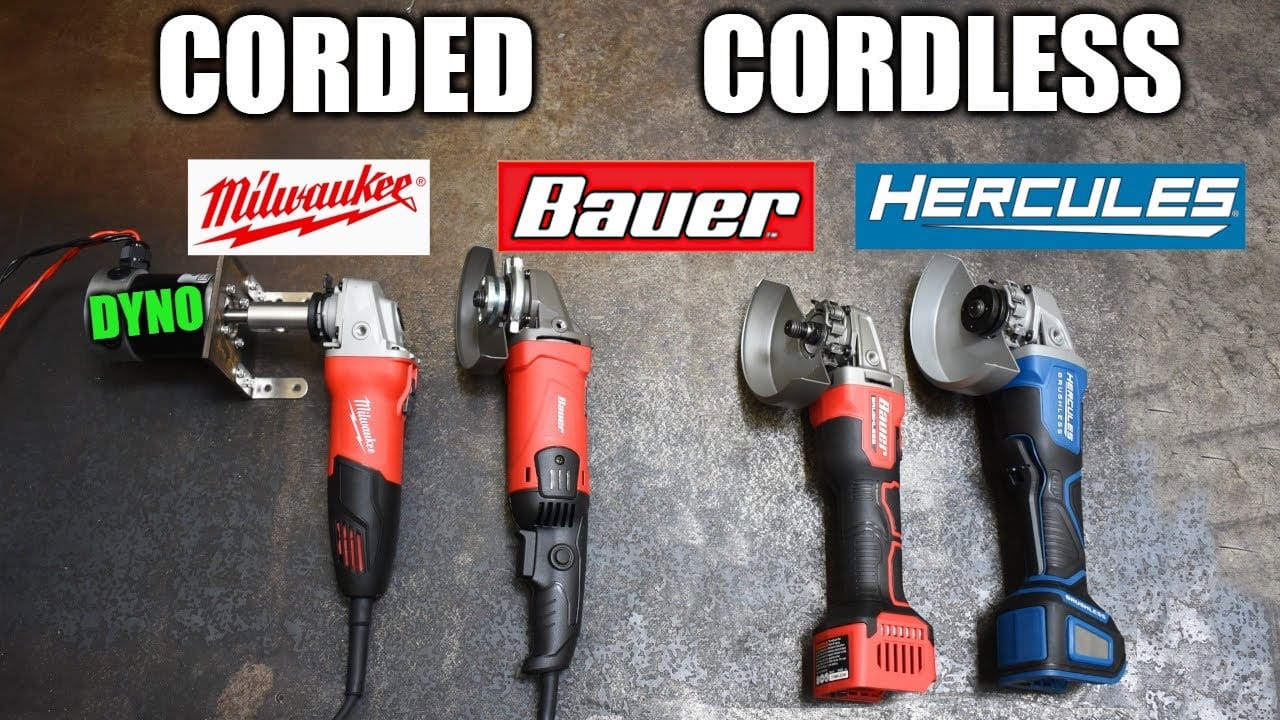
Corded grinders are powered by plugging them into an electrical outlet. They usually have a steady flow of power and are known for their reliability on long jobs.
Cordless grinders use rechargeable batteries, often lithium-ion. They offer freedom from cords and can be used anywhere, but their power depends on battery life.
Key Differences Explained
Power And Performance
Corded grinders generally provide more consistent power. Most run on 120V or 220V (depending on region) and can reach speeds of 8,000 to 12,000 RPM. This steady supply means they don’t slow down during tough jobs or long use.
Cordless grinders have improved a lot in recent years. High-end models can match the RPM of corded versions, but battery voltage (usually 18V or 20V) limits how long they can maintain peak power. Heavy-duty grinding will drain batteries faster, sometimes within 20–30 minutes.
Portability And Convenience
Cordless grinders win for mobility. No cord means you can work in hard-to-reach places, at heights, or on job sites without power. This makes them popular with contractors, roofers, and DIYers who work outside or move often.
Corded grinders tie you to the nearest outlet. Extension cords can help, but cords can tangle or get in the way. Still, if your workspace is fixed, this may not be a problem.
Weight And Ergonomics
Batteries add weight. A cordless grinder with a large battery can weigh 5–7 lbs (2.2–3.2 kg), while a corded grinder of similar size might weigh 4–6 lbs (1.8–2.7 kg). Over a long day, the extra weight can cause fatigue, especially if you work overhead or at awkward angles.
Run Time And Downtime
A corded grinder can run all day as long as there’s power. There’s no downtime unless there’s a power failure.
A cordless grinder lasts as long as its battery. With a single 4.0Ah battery, expect 20–50 minutes of grinding, depending on the job. Extra batteries can keep you going, but they add cost and must be charged ahead of time.
Cost Factors
Cordless grinders often cost more up front, especially if you need extra batteries and a charger. Batteries eventually wear out and must be replaced, adding long-term cost.
Corded grinders are usually cheaper to buy and maintain. There’s no battery to replace, and repairs are often simpler.
Credit: onevantool.com
Comparing Cordless And Corded Grinders Side By Side
To make the main differences clear, here’s a comparison:
| Feature | Corded Grinder | Cordless Grinder |
|---|---|---|
| Power Source | Electric outlet | Rechargeable battery |
| Typical Weight | 4–6 lbs (1.8–2.7 kg) | 5–7 lbs (2.2–3.2 kg) |
| Run Time | Unlimited (with power) | 20–50 min/battery |
| Cost | Lower initial cost | Higher (batteries/charger) |
| Mobility | Limited by cord | Go anywhere |
| Maintenance | Minimal | Battery replacement |
When To Choose A Cordless Grinder
A cordless grinder makes sense if:
- You work at job sites without power outlets.
- You need to move around often or work on ladders and scaffolding.
- You do small jobs or quick repairs.
- You value convenience over raw power.
Pro tip: Keep at least two batteries charged. Rotate them during long jobs to avoid downtime.
Non-obvious insight: Cold weather can reduce battery life by 20–30%. If you work outside in winter, plan for shorter run times.
When To Choose A Corded Grinder
A corded grinder is better if:
- You do heavy grinding or cutting for long periods.
- Power and speed are more important than mobility.
- You work in a fixed workshop or garage.
- You want a more affordable, low-maintenance tool.
Pro tip: Use a heavy-duty extension cord (12 or 14 gauge) for longer runs to prevent power drop and overheating.
Non-obvious insight: Cheap extension cords can cause a grinder to lose power, overheat, or even damage the motor. Always match cord capacity to your tool.
Real-world Examples
Automotive Work
Auto body shops often use corded grinders because they need continuous power for tasks like cutting frames or grinding welds. But for quick rust removal or trimming in tight spots, a cordless grinder can save time.
Construction Sites
Roofers and metal workers value cordless grinders since they move between locations and may work where cords are unsafe or impossible.
Home Diy Projects
For small DIY jobs—like cutting rebar, trimming tiles, or sharpening tools—a cordless grinder is usually enough. For bigger renovations, a corded grinder can handle hours of use without pausing to charge.
Safety Considerations
Both types of grinders can be dangerous if used incorrectly. Here’s how each type changes safety:
- Cordless grinders reduce trip hazards, as there’s no cord to tangle. This is important on busy job sites or in cluttered spaces.
- Corded grinders can cause accidents if cords are damaged, pinched, or left in walkways.
Always wear eye protection, hearing protection, and gloves. Read the manual and check your grinder before use.
Maintenance And Longevity
Corded grinders need little maintenance. Keep vents clean, check the cord for damage, and replace the brushes if needed (most last for years).
Cordless grinders need battery care. Store batteries in a cool, dry place. Don’t leave them in direct sun or in freezing temperatures. Batteries degrade over time—after 3–5 years of regular use, they may hold less charge.
Environmental Impact
Batteries contain chemicals that must be disposed of properly. If you use many batteries, consider recycling programs. Some brands offer take-back services.
Corded grinders use less electronic waste, but both types use energy. If you want to reduce your carbon footprint, choose quality tools that last longer.
Common Mistakes To Avoid
- Using the wrong type for your main work: Some buyers pick a cordless grinder for heavy steel work and end up frustrated by short battery life.
- Not checking battery compatibility: Some brands have unique batteries. Make sure your extra batteries fit your grinder.
- Ignoring cord quality: Using a thin or damaged extension cord with a corded grinder can cause overheating or tool failure.
- Neglecting battery care: Leaving batteries in extreme heat or cold will shorten their life.
- Forgetting about weight: Cordless grinders can feel heavier during long jobs, especially overhead.
Credit: www.youtube.com
Which One Do Professionals Prefer?
Most professionals own both types. They use a corded grinder for heavy work at a fixed site, and a cordless grinder for quick cuts, remote sites, or when moving often.
If you must choose one, ask yourself:
- Where will you use it most?
- Do you need maximum power, or is mobility more important?
- Can you afford extra batteries, or do you want a simple tool?
Advanced Features And Innovations
Modern grinders offer features like brushless motors (longer life, more efficiency), variable speed, tool-free guard adjustment, and anti-vibration handles. These features are available in both types, but may add to the price.
Some cordless grinders now use flexible battery platforms—batteries that power many tools in a brand’s lineup. This can save money if you already use the same brand.
Smart batteries can track power use, warn of overheating, and even pair with your phone for tracking. This is still rare but growing in popularity.
Price Comparison: What To Expect
Here’s a look at typical prices:
| Type | Entry-Level | Mid-Range | High-End |
|---|---|---|---|
| Corded Grinder | $30–$60 | $70–$120 | $150+ |
| Cordless Grinder (with battery) | $80–$120 | $130–$200 | $250+ |
Note: Extra batteries cost $40–$100 each, depending on capacity and brand.
How To Decide: Quick Checklist
If you’re still unsure, answer these questions:
- Do I need to work away from power outlets? → Choose cordless.
- Will I grind heavy materials for hours? → Choose corded.
- Can I budget for extra batteries and a charger? → Cordless is possible.
- Is my workspace small or crowded? → Cordless is safer, less cluttered.
- Do I want a simple tool with low maintenance? → Corded is better.
Making The Most Of Your Grinder
No matter your choice, follow these tips:
- Use the right wheel/disc for the material (metal, masonry, wood, etc. ).
- Let the grinder do the work; don’t force it.
- Check for loose parts or damage before every use.
- Keep your work area clean and free of flammable materials.
- Replace worn or damaged batteries, cords, or brushes.
Where To Learn More
For deeper technical information about grinders and how they work, you can visit the Wikipedia: Angle Grinder page.
Credit: www.youtube.com
Frequently Asked Questions
Which Type Of Grinder Is More Powerful?
Corded grinders usually deliver more consistent power. Cordless grinders have improved but may slow down as batteries drain, especially during heavy work.
Can I Use The Same Discs On Both Cordless And Corded Grinders?
Yes, as long as the disc size matches your tool (commonly 4. 5″ or 5″). Always check the manufacturer’s recommendations.
How Long Do Grinder Batteries Last Before Needing Replacement?
Most lithium-ion batteries last 3–5 years or about 500 charge cycles, but this depends on use, care, and storage conditions.
Are Cordless Grinders Safe For Beginners?
Yes, if you follow safety instructions. Cordless models may be safer in cluttered spaces since there’s no cord to trip over.
What Is The Best Brand For Angle Grinders?
Top brands include DeWalt, Makita, Bosch, and Milwaukee. Choose a brand with good reviews and local support.
Choosing between a cordless grinder and a corded grinder depends on your needs, budget, and work style. Both have strengths and weaknesses. Understanding these differences will help you buy a tool that fits your work—not just today, but for years to come.