
Have you ever struggled to get into tight spots while working on metal, wood, or plastic? That’s exactly where a die grinder becomes your best friend.
This powerful handheld tool is designed to grind, sand, polish, and cut with precision, even in the smallest spaces your regular tools can’t reach. Whether you’re shaping intricate wood carvings, smoothing welds, or cleaning up metal surfaces, understanding what a die grinder is used for can completely change how you tackle your projects.
Stick with me, and you’ll discover why this versatile tool might be the game-changer your toolbox needs.
Die Grinder Basics
A die grinder is a handheld tool used for grinding, sanding, polishing, and cutting small areas. It works well on metal, wood, and plastic surfaces. This tool helps shape and smooth materials with precision in tight spaces.
What Is A Die Grinder?
A die grinder is a small, handheld power tool. It spins a rotating bit at high speeds. This tool is used for grinding, sanding, cutting, and polishing. Its compact size allows for precise work in tight spaces. Professionals and hobbyists use die grinders in many trades.
Common Uses Of A Die Grinder
Die grinders shape and smooth metal, wood, and plastic. They remove rust, burrs, and sharp edges quickly. Carvers use them for detailed woodwork. Metalworkers rely on them to clean welds and prepare surfaces. The tool also cuts small holes or slots in materials.
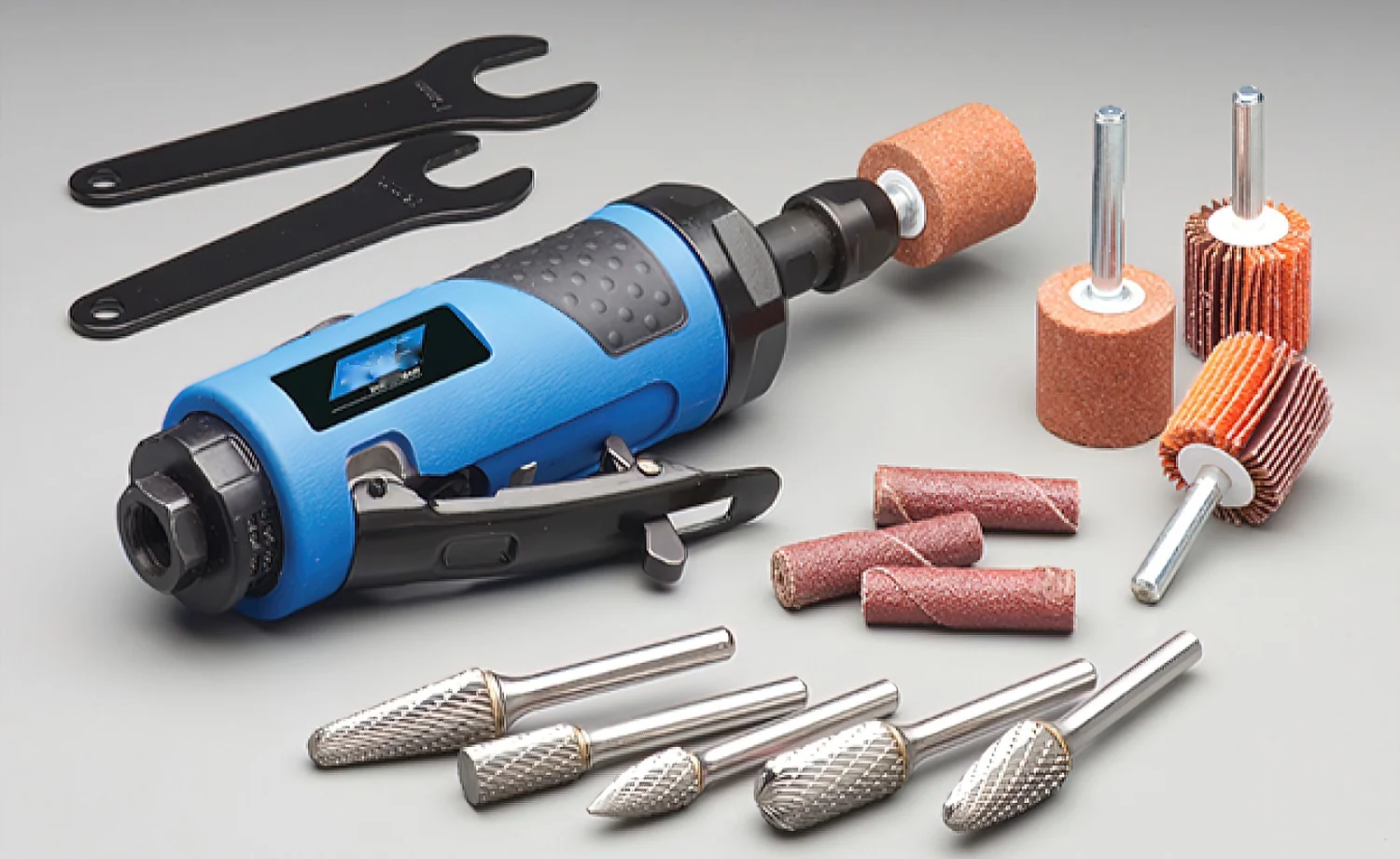
Types Of Bits And Attachments
Different bits fit into a die grinder’s chuck. Grinding stones, carbide burrs, and sanding discs are common. Each bit serves a specific purpose. Choosing the right bit depends on the material and task. Changing bits is quick and easy, making the tool versatile.
How Does A Die Grinder Work?
Inside, a motor spins the tool’s shaft rapidly. This high speed helps the bit remove material smoothly. Air-powered and electric die grinders are popular types. Air models need a compressor, while electric ones plug into outlets. Both deliver powerful performance for detailed work.
Credit: www.burdental.com
Grinding And Sanding Tasks
Grinding and sanding tasks are common uses for a die grinder. This tool handles small, detailed work that larger grinders cannot. It is perfect for shaping, smoothing, and finishing surfaces with precision.
The die grinder spins at high speed. This allows it to remove material quickly and cleanly. It works well on metal, wood, and plastic surfaces. These tasks require control and accuracy, which the die grinder provides.
Grinding Metal Surfaces
Die grinders are ideal for grinding metal parts. They remove rust, burrs, and rough edges easily. This prepares metal for welding or painting. The tool can also smooth weld seams for a clean look.
Sanding Wood And Plastic
Die grinders can sand wood and plastic surfaces. They help remove old paint or varnish. The tool shapes curves and edges smoothly. Small sanding attachments fit perfectly on the die grinder.
Detail Work On Small Areas
Die grinders reach tight spots others cannot. This makes them great for detailed work. They refine small parts and intricate designs with ease. Users get control for delicate sanding and grinding.
Surface Preparation Before Finishing
Preparing surfaces is key for good finishes. Die grinders create a smooth base on metal or wood. This helps paint or coatings stick better. The tool speeds up the prep process efficiently.
Metalworking Applications
Die grinders are essential tools in metalworking shops. They offer precision and control for various tasks. Their compact size allows access to tight spaces metalworkers often encounter.
Using different attachments, die grinders handle many metal shaping jobs. They smooth edges, remove rust, and polish metal surfaces efficiently.
Deburring And Edge Finishing
Die grinders remove sharp burrs left after cutting or machining metal. This process prevents injury and improves the metal part’s fit. The tool’s small size helps reach edges and corners with ease.
Grinding And Shaping Metal
Metalworkers use die grinders to shape metal pieces. The tool quickly grinds down excess material for a better fit. It also helps create smooth curves and detailed contours.
Cleaning And Rust Removal
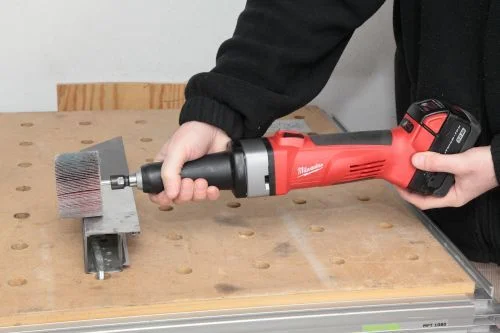
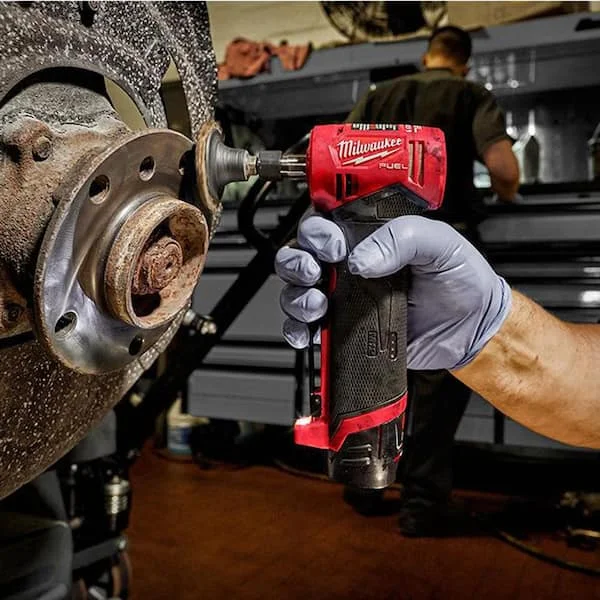
Die grinders clean metal surfaces before welding or painting. Wire brush attachments remove rust and old paint. This prepares the metal for a strong bond or a fresh finish.
Polishing Metal Surfaces
Polishing wheels and pads on die grinders create a shiny metal finish. This step enhances the metal’s appearance and protects it from corrosion. It works well on stainless steel, aluminum, and other metals.
Credit: tooldom.com
Wood Carving And Shaping
Wood carving and shaping demand precision and control. A die grinder excels in this field by offering powerful and accurate carving capabilities. It helps create detailed designs and smooth curves on wood surfaces. Its compact size allows easy handling around tight spaces and delicate sections. This tool is valuable for both beginners and skilled artisans who want clean, sharp results.
Detailing And Sculpting Wood
Die grinders use small rotary bits to carve intricate patterns. These bits come in various shapes and sizes to match different carving needs. The tool’s high speed allows it to cut through wood fibers smoothly. This makes it perfect for fine details and complex shapes that hand tools can’t achieve quickly.
Sanding And Smoothing Wood Surfaces
Beyond carving, die grinders also sand wood efficiently. Attaching sanding drums helps remove rough edges fast. It saves time compared to manual sanding. The tool provides consistent pressure, creating even and smooth finishes on wood projects.
Shaping Wood For Custom Projects
Die grinders help shape wood pieces to fit specific designs. They can trim and round corners or edges with ease. This makes them ideal for custom furniture or decorative items. Users get precise control over the wood’s final form by adjusting speed and bit type.
Polishing And Finishing
Polishing and finishing are essential steps in many projects. They improve the look and feel of metal, wood, or plastic surfaces. A die grinder helps achieve smooth, shiny, and clean finishes with ease. This tool works well on small or hard-to-reach areas where other tools cannot fit.
Polishing Metal Surfaces
Die grinders use polishing attachments to remove scratches and rough spots. They create a mirror-like shine on metals such as steel, aluminum, and brass. The tool spins at high speed, buffing the surface evenly. This process prepares metals for painting or coating.
Finishing Woodwork
Woodworkers use die grinders to smooth edges and curves. The tool removes splinters and rough patches quickly. It helps create clean lines and fine details in carvings. Die grinders make sanding faster and less tiring.
Refining Plastic And Other Materials
Die grinders also work on plastics and composites. They shape and polish surfaces without cracking or melting them. This tool allows users to finish parts and models with high accuracy. It is ideal for delicate and detailed work.
Cutting With Die Grinders
Cutting with die grinders offers precision and control for various materials. These tools excel in tight spaces where larger saws cannot reach. Their high-speed rotation makes clean and accurate cuts possible.
Die grinders use different cutting attachments, like carbide burrs and cutoff wheels. These attachments help slice through metal, plastic, and wood. This versatility makes die grinders valuable in many workshops.
Cutting Metal With Die Grinders
Die grinders cut metal sheets, pipes, and rods smoothly. They are perfect for trimming welds or shaping metal parts. The small size allows access to detailed areas that other tools miss.
Cutting Plastic And Other Materials
Plastic parts and composites are easy to cut with die grinders. The tool’s speed prevents melting or cracking. This precise cutting is useful in crafting and model making.
Safety Tips For Cutting With Die Grinders
Wear safety glasses and gloves to protect from flying debris. Use the correct attachment for the material to avoid damage. Always secure the workpiece firmly before cutting.
Die Grinder Vs Other Tools
The die grinder stands out among many handheld power tools. It offers unique benefits for detailed work. Comparing it with other tools helps to understand its specific uses and advantages. Below, we explore how the die grinder differs from the angle grinder, Dremel tool, and rotary tool.
Angle Grinder
The angle grinder is larger and heavier than a die grinder. It works best for heavy-duty tasks like cutting and grinding large metal or stone surfaces. Its speed is slower but with more power. The die grinder is lighter and spins faster. It excels in precision work and smaller spaces. Angle grinders use larger discs, while die grinders use small bits for detail work.
Dremel Tool
The Dremel tool is similar to a die grinder but smaller and less powerful. It is perfect for hobbyists and small craft projects. Die grinders provide more torque and speed, suitable for tougher materials. Dremel tools often come with many attachments for various tasks. Die grinders focus on grinding and shaping metal and hard materials. The die grinder is a professional-grade tool for detailed metalwork.
Rotary Tool
The rotary tool category includes both die grinders and Dremel tools. Rotary tools are versatile and fit many attachments. Die grinders are a type of rotary tool designed for high speed and precision. They handle tougher jobs like deburring, polishing, and light cutting. Other rotary tools may lack the power or speed of a die grinder. The die grinder’s spindle speed can reach up to 25,000 RPM, making it ideal for fine detail work.
Credit: tooldom.com
Choosing The Right Bits
Choosing the right bits is essential for using a die grinder effectively. Bits determine the tool’s performance and final results. Picking the correct bit helps complete tasks quickly and safely.
Different bits serve different purposes. Some bits grind metal, while others carve wood or polish surfaces. Knowing which bit fits your project improves your work quality.
Types Of Die Grinder Bits
Carbide burrs are common bits for shaping and smoothing metal. They come in various shapes like round, oval, and cylindrical.
Sanding drums are used to sand wood, plastic, and metal. They remove rough surfaces and prepare materials for finishing.
Grinding stones cut and shape hard materials like metal and glass. They are ideal for heavy-duty grinding tasks.
Material Compatibility
Choose bits based on the material you work with. Use carbide bits for metals and stones for harder surfaces. Sanding drums work best on wood and soft materials.
Using the wrong bit can damage your project or the bit itself. Match bits carefully to the material for smooth results.
Bit Size And Speed
Bits come in different sizes to fit various tasks. Smaller bits offer precision for detailed work. Larger bits remove more material quickly.
Check the die grinder’s speed rating before selecting bits. High-speed grinders need bits that can handle fast rotations without breaking.
Frequently Asked Questions
What’s The Difference Between A Grinder And A Die Grinder?
A grinder is larger, used for heavy-duty tasks like cutting and grinding metal. A die grinder is smaller, designed for precision work, sanding, and polishing in tight spaces.
Can Die Grinders Cut Metal?
Yes, die grinders can cut metal using appropriate cutting wheels or burrs. They excel at detailed, precise metal cutting and shaping tasks.
What Is The Difference Between A Die Grinder And A Dremel Tool?
A die grinder is larger, powerful, and used for heavy-duty grinding. A Dremel tool is smaller, precise, and ideal for detailed work.
Can I Use A Drill Instead Of A Die Grinder?
You can use a drill for some grinding tasks, but it lacks the precision and speed of a die grinder. Drills aren’t ideal for detailed work or metal shaping. Use a die grinder for better control, efficiency, and safety in grinding, sanding, or polishing jobs.
What Is The Main Purpose Of A Die Grinder?
A die grinder is used for grinding, sanding, polishing, and cutting small areas with high precision.
Conclusion
A die grinder serves many important tasks in metal and woodwork. It grinds, sands, polishes, and even cuts with precision. This tool helps shape and smooth surfaces efficiently. Its small size allows work in tight spaces and detailed areas. Many craftsmen find it useful for carving and finishing projects.
Understanding its uses can improve your work quality and speed. A die grinder is a handy addition to any workshop or toolbox.
Related reading: What Is an Angle Grinder Used For.
Related reading: Best Rivet Guns.
Related reading: How to Set Up a TIG Welder.
Read also: What is an Angle Grinder Used for
