
When it comes to woodworking and finishing, having the right sanding tool can make the difference between a rough, uneven surface and a smooth, professional result. Two of the most common machines you’ll find in workshops are the drum sander and the belt sander. At first glance, they might look similar, but their purposes, strengths, and weaknesses are different. Choosing the right one can save you time, money, and a lot of frustration. Let’s dive deep into how these sanders work, what they are best used for, and how to decide which one fits your needs.
What Is A Drum Sander?
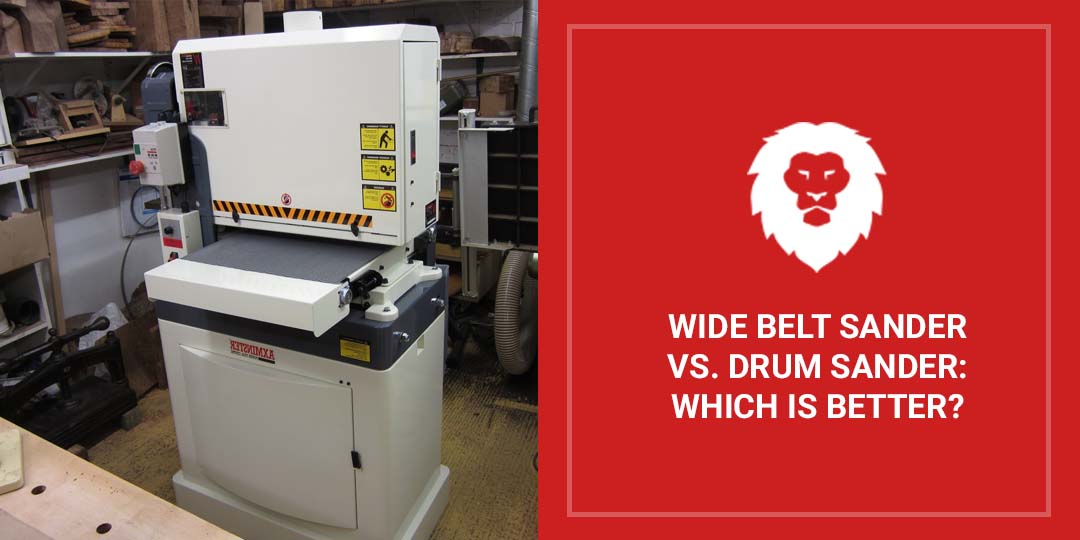
A drum sander is a large, stationary machine designed to sand wood surfaces with high precision. It uses a rotating cylindrical drum wrapped in abrasive sandpaper. The wood is fed under the drum, either manually or with a conveyor belt, allowing the machine to remove a thin, even layer from the surface.
Drum sanders are popular in professional and serious hobbyist workshops. They are ideal for wide panels, doors, tabletops, and other large, flat pieces. You can adjust the sanding depth very precisely, often as little as 1/64 of an inch at a time.
This makes them perfect for finishing, smoothing, and thicknessing wood without the risk of heavy gouges.
Drum sanders come in various sizes, from 10-inch models for small shops to industrial units over 40 inches wide. They can be single- or double-drum, with double-drum versions allowing you to use two grits in one pass.
What Is A Belt Sander?
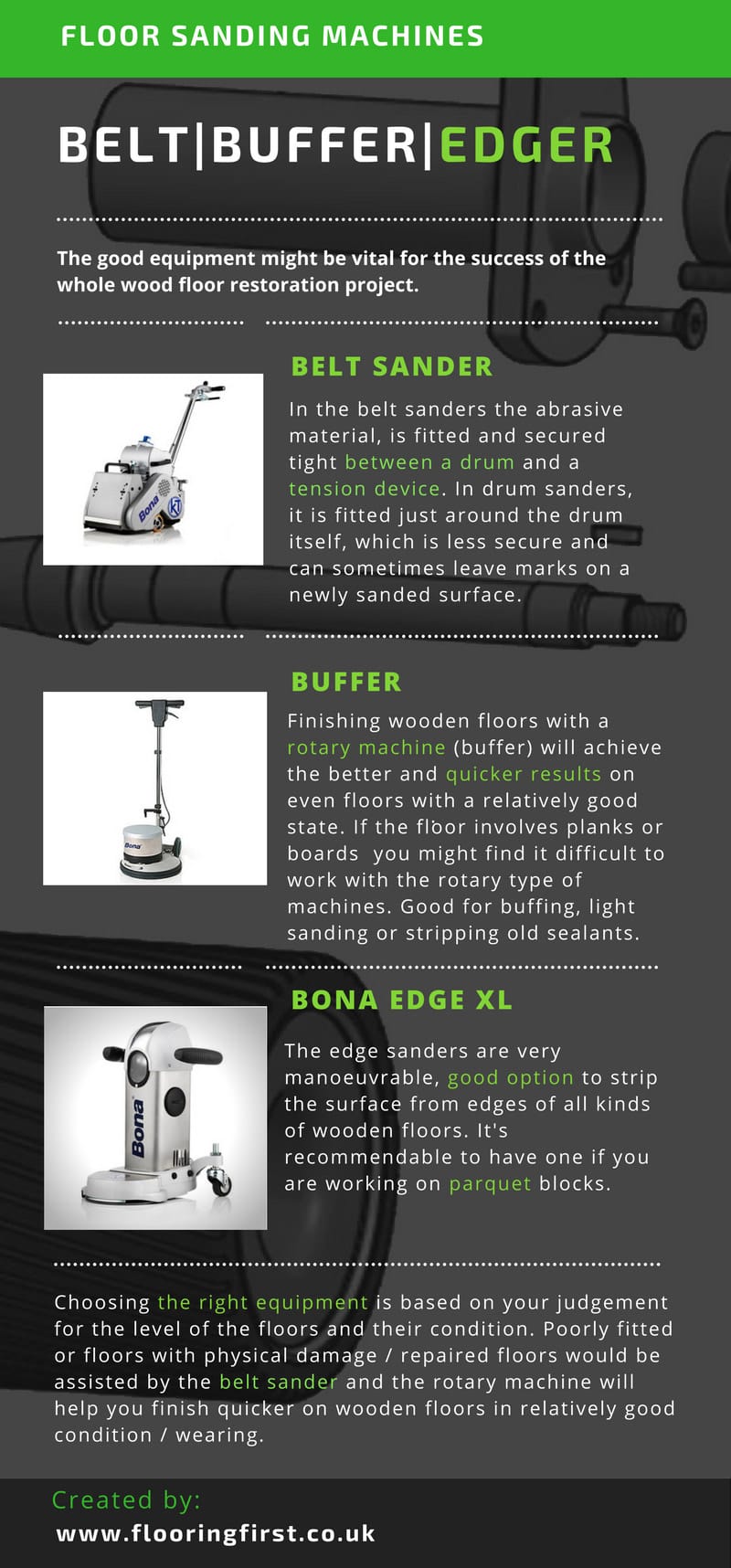
A belt sander uses a continuous loop of sandpaper that runs over two drums. There are two main types: handheld and stationary (benchtop or floor). In workshops, the most common are the handheld belt sanders for smaller workpieces and stationary ones for larger or heavier jobs.
Belt sanders are aggressive and fast. They are excellent for removing a lot of material quickly, leveling uneven boards, and dealing with rough stock. The wide, flat sanding belt can cover a lot of area in a short time, making them a favorite for initial shaping and flattening.
Most belt sanders use belts between 3 and 6 inches wide. The machine’s power and speed determine how quickly and evenly it sands. Some larger, stationary belt sanders are used for edge sanding or even in metalworking.
Credit: www.flooringfirst.co.uk
How Drum Sanders And Belt Sanders Work
Both machines use abrasion to smooth wood, but the way they operate and the results they deliver are quite different.
- Drum sanders use a spinning drum and slowly feed the wood through, removing a thin layer with each pass. The process is slow but very controlled. It’s almost impossible to take off too much wood in one go if set correctly.
- Belt sanders move the abrasive belt at high speed, either under a stationary workpiece or as a handheld tool over the wood. They can remove a lot of material quickly, but if not handled well, can leave gouges or uneven spots.
For example, if you are flattening a large tabletop, a drum sander will leave a flat, even surface without dips. In contrast, a belt sander could do it faster but requires skill to avoid waves or low spots.
Key Differences Between Drum Sanders And Belt Sanders
Understanding the main differences can help you pick the right tool for your project.
| Feature | Drum Sander | Belt Sander |
|---|---|---|
| Material Removal Rate | Slow & precise | Fast & aggressive |
| Surface Finish | Very smooth | Can be rough, needs care |
| Best For | Finishing & thicknessing | Shaping & leveling |
| Ease of Use | Beginner-friendly | Requires skill |
| Size of Workpiece | Large, flat panels | Small to medium pieces |
| Cost | Higher initial cost | Lower for handheld, mid for benchtop |
Credit: www.redlabelabrasives.com
Pros And Cons
Both sanders have their strengths and weaknesses. Let’s look at them closely.
Drum Sander
Pros:
- Consistent finish: Leaves a flat, smooth surface.
- Precision: Excellent for thicknessing and finishing.
- Less risk: Hard to over-sand or gouge the wood.
Cons:
- Slow: Not ideal for removing lots of material quickly.
- Expensive: More costly than most belt sanders.
- Large size: Takes up a lot of workshop space.
Belt Sander
Pros:
- Fast material removal: Removes rough stock quickly.
- Versatile: Works on wood, metal, and other materials.
- Portable options: Handheld versions are easy to move.
Cons:
- Risk of gouging: Can create uneven surfaces if not careful.
- Less precise: Harder to get a perfectly flat finish.
- Dust: Creates a lot of fine dust.
When To Use A Drum Sander
A drum sander shines when you need to finish, flatten, or thickness wide boards or panels. If you’re building doors, tabletops, cabinets, or any project with large flat pieces, a drum sander gives you control and a superior finish.
It’s also the tool of choice for sanding expensive or figured wood, where you can’t risk tear-out or unevenness. Drum sanders are great for:
- Smoothing glued-up panels
- Refinishing old floors (with large floor drum sanders)
- Preparing pieces for final finish
However, a drum sander is not suitable for curved surfaces, edges, or aggressive material removal.
When To Use A Belt Sander
A belt sander is your go-to for fast, aggressive sanding. It’s perfect for removing old paint or finish, leveling uneven boards, or quickly reducing thickness. If you have a rough sawn board, a belt sander can flatten it in minutes.
It’s also helpful for shaping curved edges (with a handheld model) or smoothing end grain. Belt sanders are commonly used for:
- Removing glue or finish
- Leveling uneven surfaces
- Shaping wood and other materials
- Working in tight spaces (with smaller handheld models)
If you need to sand a door edge or fix a warped board, a belt sander gets the job done quickly.
Practical Examples
Let’s look at real-world situations where each sander performs best.
- Building a Tabletop: After gluing boards together, you want a perfectly flat, smooth surface. A drum sander will ensure the whole panel is even, with no dips or waves.
- Refinishing Old Furniture: If you need to strip paint or level a surface quickly, a belt sander will save you hours of hand sanding.
- Making a Cutting Board: After gluing up small pieces, a belt sander can quickly remove excess glue, but a drum sander will give a flawless final surface.
- Floor Sanding: Special large drum sanders are used to refinish wood floors, removing just enough material to make them look new.
- Shaping a Curved Edge: A handheld belt sander allows you to follow curves and contours that a drum sander can’t reach.
Comparing Cost, Maintenance, And Space
Before investing, it’s smart to compare the total cost, upkeep, and space requirements.
| Aspect | Drum Sander | Belt Sander |
|---|---|---|
| Initial Price | $1,000 – $5,000+ | $80 – $800 (handheld/benchtop) |
| Sandpaper Cost | Medium to high (rolls) | Lower (belts) |
| Maintenance | Cleaning drum & conveyor | Changing belts, motor care |
| Dust Collection | Essential (produces lots of fine dust) | Recommended, especially indoors |
| Footprint | Large (needs dedicated space) | Small to medium, portable options |
Non-obvious insight: Drum sanders require careful alignment and adjustment to avoid “drum marks” (fine lines caused by a misaligned drum or damaged sandpaper). Belt sanders, especially handheld, can leave “tracking marks” if the belt is not centered.
Common Beginner Mistakes
Many new woodworkers pick the wrong sander for the job, leading to frustration and wasted wood. Here are two mistakes you should avoid:
- Using a belt sander for final finishing: Belt sanders are great for fast removal but can leave scratches that show up after staining. Always finish with a finer sander (like a drum sander or orbital sander).
- Forcing wood through a drum sander: Trying to remove too much in one pass can burn the wood or damage the sandpaper. Take multiple light passes for the best finish.
Another mistake is ignoring dust collection. Both machines create fine dust, which is harmful to breathe and can damage your tools.
Which Sander Should You Buy First?
If you’re a hobbyist or just starting, a belt sander is more versatile and affordable. You can use it for many tasks, from rough shaping to removing finishes. For most home workshops, a handheld or benchtop belt sander is enough.
If you build large panels, doors, or furniture, and want a perfect finish, a drum sander is a wise investment. It saves time and produces results that are hard to match with any other tool. However, it’s best suited for those who need to sand wide, flat pieces regularly.
Drum Sander Vs Belt Sander: Performance Table
Here’s a quick look at how each tool performs in key areas.
| Task | Drum Sander | Belt Sander |
|---|---|---|
| Leveling Wide Panels | Excellent | Fair |
| Removing Old Finish | Slow | Excellent |
| Precision Thicknessing | Excellent | Poor |
| Edge/Curved Sanding | Poor | Good |
| Final Surface Finish | Excellent | Fair |
Credit: www.youtube.com
Expert Tips For Best Results
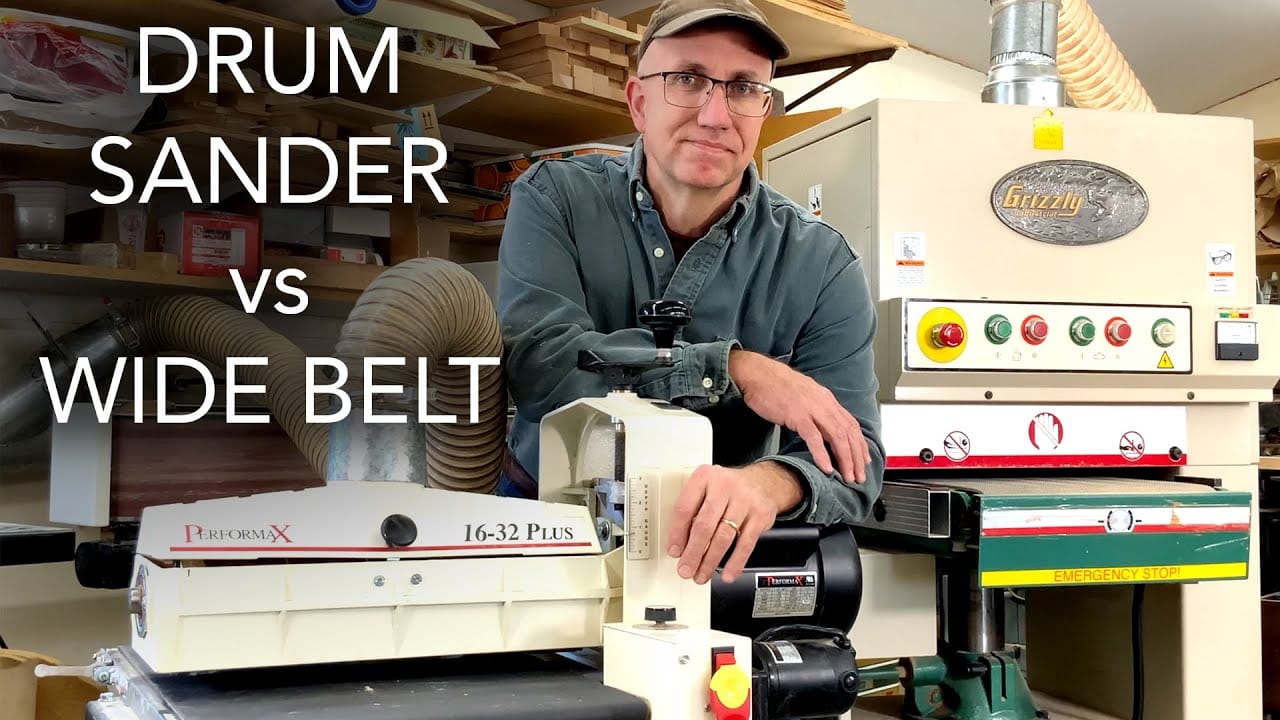
- Start with a belt sander for heavy removal, then switch to a drum sander for finishing.
- Use the right grit sequence: For drum sanders, start with a coarse grit and move finer with each pass.
- Always check sandpaper for tears or clogs before starting. Damaged sandpaper can ruin your workpiece.
- Never rush. Thin, controlled passes give the best finish and protect your wood and tools.
- Invest in a good dust collection system—your lungs will thank you.
Frequently Asked Questions
What Is The Main Difference Between A Drum Sander And A Belt Sander?
The main difference is how they sand. A drum sander uses a rotating drum and feeds the wood slowly for an even, smooth finish. A belt sander uses a fast-moving belt to quickly remove material and shape wood but can be harder to control for fine finishing.
Can I Use A Belt Sander Instead Of A Drum Sander?
You can use a belt sander for many jobs, but it won’t give the same precision or finish as a drum sander. For large, flat panels and fine finishing, a drum sander is better. For rough shaping or removing lots of material, a belt sander is faster.
Which Sander Is Better For Beginners?
A belt sander is more affordable and versatile for beginners. It works on many materials and is easier to store. However, beginners should practice to avoid gouging or uneven sanding.
Do I Need Both A Drum Sander And A Belt Sander?
If you build large furniture or do a lot of woodworking, having both is useful. Start with a belt sander for rough work, then finish with a drum sander. For casual use or smaller projects, one good belt sander might be enough.
How Do I Maintain These Sanders?
Clean dust and debris after each use. For drum sanders, check the drum alignment and conveyor belt regularly. For belt sanders, replace worn belts and check for tracking issues. Always use a dust collection system to keep both the tool and your workspace safe. For more detailed guidance, the Wikipedia sander article has additional tips.
Choosing between a drum sander and a belt sander depends on your projects, budget, and workshop space. Know your needs, and you’ll get the best results from your woodworking.
