
Choosing between an electric and manual staple gun can be confusing, especially if you’re new to DIY or home improvement. Both tools are popular for fastening materials like wood, fabric, or insulation. But their differences impact how well they work for specific jobs, their cost, and even your comfort during use. If you want to avoid buying the wrong tool, it’s important to understand the strengths and weaknesses of each type. This guide explains everything you need to know, using clear examples and data, so you can choose the best staple gun for your needs.
What Is A Staple Gun?
A staple gun is a hand tool designed to drive metal staples into various materials. These tools are common in construction, upholstery, carpentry, and crafts. There are two main types: manual staple guns, which use hand power, and electric staple guns, which use electricity or batteries to drive staples. Some advanced models also use compressed air, but the electric and manual versions cover most home and light professional tasks.
Manual Staple Guns: Simple, Reliable, Affordable
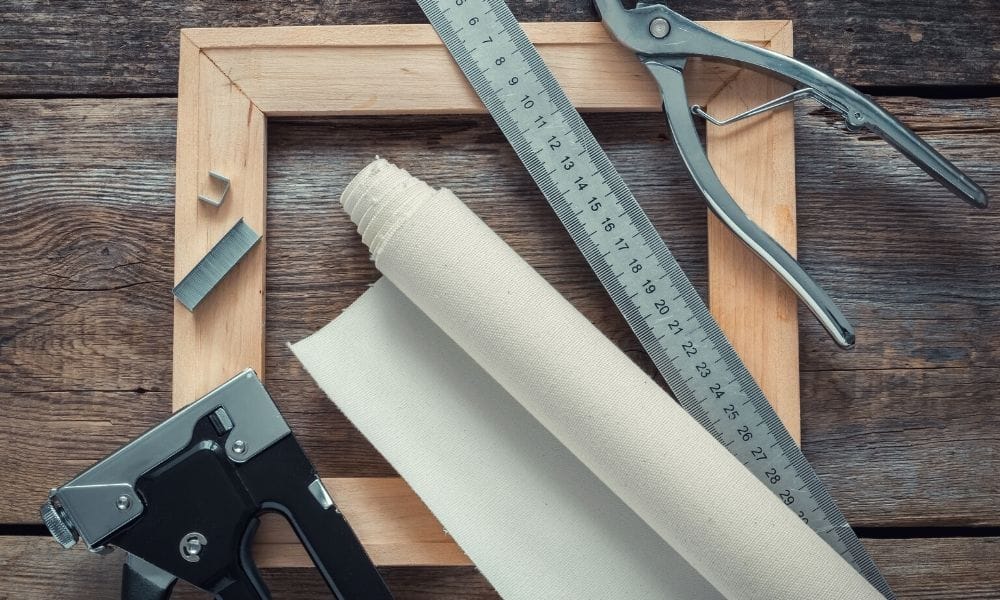
Manual staple guns are the classic choice for many users. You squeeze a handle, which pushes a metal staple out at high speed. The force comes from your own hand strength, so there are no cords or batteries.
Key Advantages
- Low Cost: Manual staple guns are usually cheaper, with basic models starting at around $10-$25. This makes them accessible for beginners or people with a tight budget.
- Portable and Lightweight: No power source is needed, so you can use them anywhere. They’re easy to carry, often weighing under 2 lbs.
- Simple Design: Fewer moving parts mean less can go wrong. Maintenance is minimal—usually just keeping the tool clean and loading new staples.
- Good for Small Jobs: Perfect for tasks like attaching fabric, small repairs, or tacking up insulation. You have direct control over each staple.
Main Drawbacks
- Hand Fatigue: You need to use significant hand force, especially with hard materials. Extended use can tire your hand and wrist.
- Less Power: They may struggle with dense wood, thick plastic, or other tough materials. Staples sometimes don’t go in all the way.
- Slower Speed: Manual operation means you staple at the pace of your grip, which can be slow for large projects.
Typical Uses
- Upholstery (fabrics, leather)
- Small woodworking projects
- Home repairs (insulation, wiring)
- Arts and crafts
Electric Staple Guns: Power And Speed
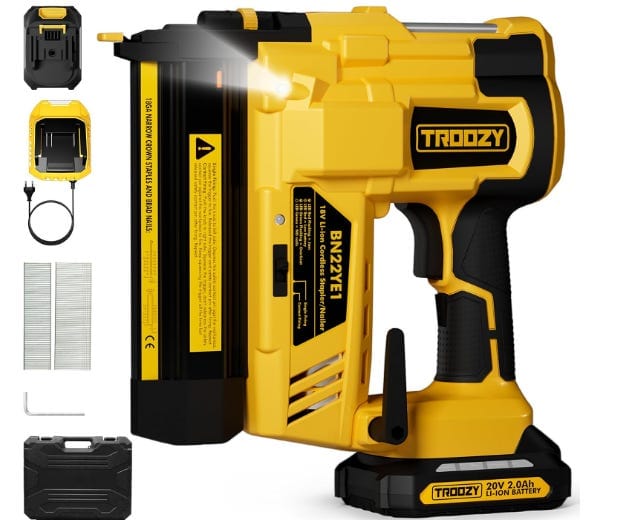
Electric staple guns use a motor (plugged into the wall or powered by batteries) to drive staples. You press a trigger, and the tool does the hard work for you.
Key Advantages
- Less Effort: The motor provides the force, so even people with less hand strength can use them easily.
- Faster Stapling: You can staple quickly, sometimes several times per second. This is great for large projects—some models shoot 30 staples per minute or more.
- Consistent Results: Each staple is driven with the same force, so you get uniform depth and finish.
- Better for Hard Materials: Electric models can penetrate tougher woods or thicker materials that manual guns can’t handle.
Main Drawbacks
- Higher Cost: Most electric staple guns cost $30-$100 or more, depending on power and features.
- Heavier and Bulkier: Motors and batteries add weight; expect 2-5 lbs or more.
- Needs Power Source: Corded models require an outlet nearby. Cordless (battery) models need recharging.
- More Maintenance: More moving parts can mean more things to fix if something breaks.
Typical Uses
- Professional upholstery
- Carpentry and woodworking
- Installing carpets, insulation, or roofing felt
- Large craft projects
Electric Vs Manual: Feature Comparison
A side-by-side look at the main differences helps clarify which tool is better for your situation. The following table compares essential features of electric and manual staple guns:
| Feature | Manual Staple Gun | Electric Staple Gun |
|---|---|---|
| Average Price | $10 – $25 | $30 – $100+ |
| Weight | 1 – 2 lbs | 2 – 5+ lbs |
| Stapling Speed | Slow to Moderate | Fast (up to 30 staples/minute) |
| Best For | Small DIY, light repairs | Large projects, hard materials |
| Maintenance | Low | Medium/High |
| Fatigue Level | High (hand strain) | Low |
Performance: Which One Works Better?
The right tool depends on what you need. Here’s how each type performs in real-world scenarios.
Speed And Efficiency
- If you need to drive a lot of staples quickly (like covering a wall with insulation), an electric staple gun is far faster and reduces fatigue.
- For small jobs, the speed difference is less important.
Staple Depth And Power
- Electric models can drive staples deeper into harder materials, so they’re better for thick wood, particle board, or multiple fabric layers.
- Manual guns may not fully sink staples in tough surfaces, leading to uneven work.
Precision And Control
- Manual guns give you more direct control. If you only need a few staples and want to avoid mistakes, they offer good accuracy.
- Electric guns can sometimes “double fire” (shoot two staples) or misfire if you don’t press the trigger firmly.
Cost: More Than Just The Price Tag
Many buyers look only at the price, but there are hidden costs and savings. Consider the following:
Initial Purchase
- Manual staple guns are cheaper up front.
- Electric guns cost more, but some come with extra features (adjustable power, different staple sizes).
Running Costs
- Manual guns need no batteries or electricity.
- Electric guns use electricity or batteries, which means extra costs over time.
Durability
- Manual tools tend to last longer with less maintenance, as there are fewer parts to break.
- Electric tools may require repairs or battery replacements after heavy use.
Example: Upholstering A Chair
- With a manual gun, you might spend 1-2 hours stapling, with frequent hand breaks.
- With an electric gun, the same project can be finished in 30-40 minutes, with less strain.
Credit: abdulalimmihran.substack.com
Safety: What Should You Watch Out For?
All staple guns can cause injury if used carelessly. But their risks differ.
Manual Staple Guns
- Lower power means less risk of deep puncture injuries.
- The biggest danger comes from pinched fingers or staples bouncing out.
Electric Staple Guns
- More powerful, so staples can penetrate deeply—even through gloves.
- Always keep hands clear of the firing area, and unplug or remove the battery before loading staples or making repairs.
Both types should be kept away from children, and safety goggles are recommended, especially for larger projects.
When To Choose Manual Over Electric (and Vice Versa)
Many people buy the wrong staple gun for their needs and regret it later. Here are practical scenarios:
Manual Staple Gun Is Better If:
- You mostly do small, quick jobs (fixing fabric, simple crafts).
- You work in places without electricity.
- You prefer a lightweight tool and don’t mind squeezing hard.
- Your budget is tight and you need something basic.
Electric Staple Gun Is Better If:
- You have a big project (attaching carpet, building furniture, large-scale crafts).
- You regularly work with hard materials (plywood, MDF).
- You have weak grip strength or want to avoid hand pain.
- You value speed and uniform results.
Common Buyer Mistakes
Even smart buyers make simple errors when choosing a staple gun:
- Ignoring Material Compatibility: Some manual guns can’t penetrate hard surfaces. Always check the tool’s rated material types.
- Not Considering Fatigue: If you have arthritis or weak hands, a manual gun can be painful. Choose electric for less strain.
- Overpaying for Power: Some electric models are overkill for crafts or fabric. You may not need the fastest, most powerful option.
- Choosing the Wrong Staples: Not all staple guns fit all staple sizes. Double-check compatibility before buying refills.
- Skipping Safety Features: Look for models with trigger locks, especially for homes with kids.
Practical Tips For First-time Users
Using a staple gun is simple, but these tips help you get the best results:
- Test on Scrap Material: Before starting your real project, shoot a few staples into a test piece. This helps you adjust your pressure (manual) or power settings (electric).
- Hold the Gun Firmly: Keep the staple gun flat against the surface for even depth and to avoid jams.
- Don’t Force Jams: If a staple gets stuck, don’t keep pulling the trigger. Open the tool and clear the jam.
- Keep Fingers Clear: Never put your hand in front of the staple exit, even if the tool is off.
- Store Safely: Unplug electric models and lock the handle on manual ones before storing.
Credit: www.stapleheadquarters.com
Real-world Data: Which Is More Popular?
According to a 2023 survey by a leading DIY magazine, about 60% of home users prefer manual staple guns for basic tasks, while 70% of professionals choose electric models for larger projects. Sales data from major retailers also shows a steady rise in electric staple gun popularity, especially cordless versions.
Side-by-side User Experience
To help you picture the differences, here’s a summary of what most users say:
| Situation | Manual Staple Gun | Electric Staple Gun |
|---|---|---|
| Hanging holiday lights | Quick, easy, cheap | Overkill, less control |
| Building a deck or fence | Too slow, tiring | Fast, powerful, efficient |
| Reupholstering a sofa | Possible but tiring | Much easier, faster |
Non-obvious Insights Most Beginners Miss
- Staple Size Matters: Not all staple guns—manual or electric—accept the same lengths or widths. Using the wrong size can jam the tool or damage materials.
- Surface Preparation: For both types, working on soft, uneven, or wet surfaces can cause staples to misfire or bend. Always check your surface before starting.
Should You Own Both Types?
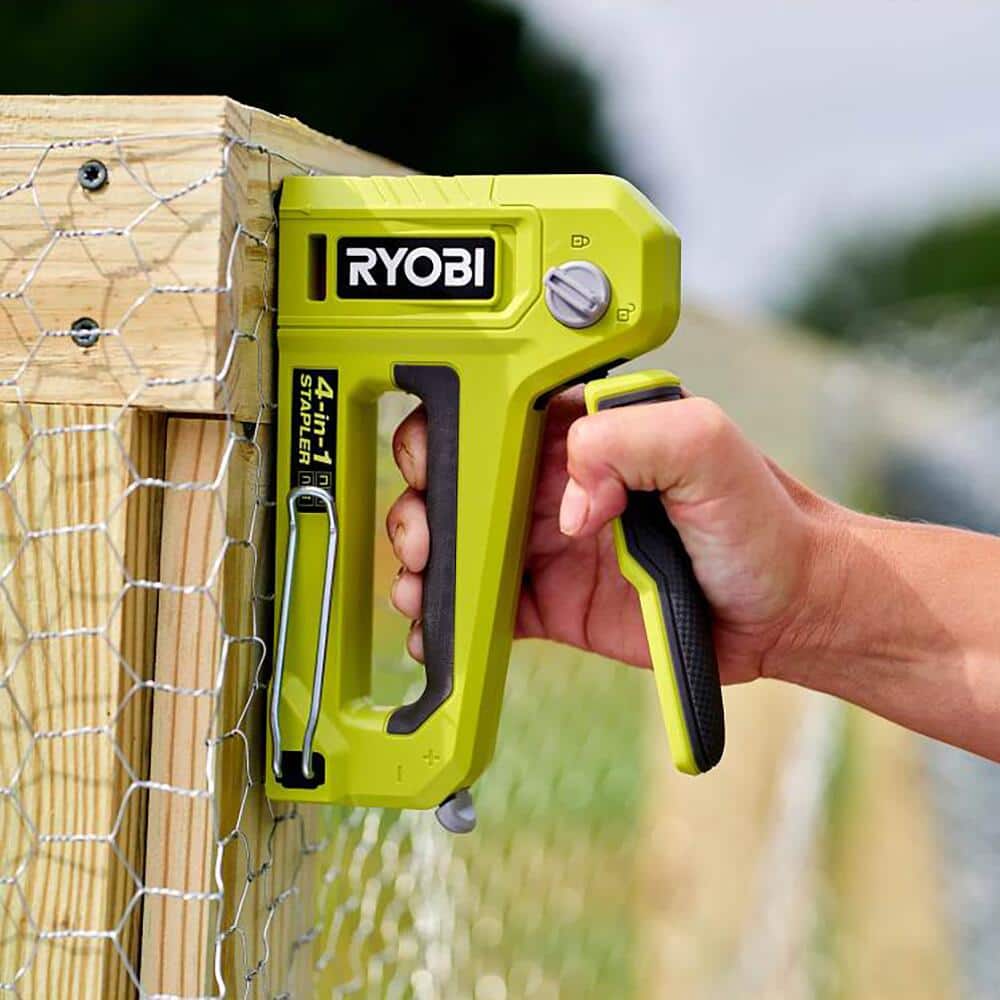
Some experienced DIYers and pros keep both a manual and electric staple gun in their toolkit. The manual is perfect for small, quick jobs, while the electric comes out for big projects. If your budget allows, this is the most flexible approach.
Credit: www.homedepot.com
Where To Learn More
For deeper information on staple gun types, safety standards, and creative uses, the Wikipedia: Staple Gun page is a trustworthy resource.
Frequently Asked Questions
What Materials Can Staple Guns Handle?
Most staple guns can handle wood, fabric, cardboard, and soft plastics. Electric staple guns usually work better on hard or thick materials, while manual guns are best for softer or thinner surfaces.
Are Electric Staple Guns Safe For Beginners?
Yes, but follow basic safety rules. Keep fingers away from the firing area, wear safety goggles, and unplug or remove the battery before loading staples. Start with low power if the tool allows.
How Do I Prevent Staple Jams?
Use the correct size and type of staples for your gun, keep the tool clean, and don’t force the trigger if the staple doesn’t fire. If you get frequent jams, check for bent staples or a damaged magazine.
Can I Use The Same Staples In Both Manual And Electric Guns?
Not always. Check the manufacturer’s instructions for compatible staple sizes. Some brands make universal staples, but many require model-specific sizes.
Which Staple Gun Is Better For Upholstery?
An electric staple gun is usually the better choice for upholstery, especially for large furniture, as it saves time and reduces hand fatigue. For small projects or repairs, a manual gun can work well if you don’t mind a bit of extra effort.
Choosing between an electric and manual staple gun doesn’t have to be complicated. Think about your typical projects, your budget, and your comfort. With the right tool, you’ll get better results and enjoy your DIY work more.
