
Getting a rusted bolt loose is one of those jobs that can bring even the most patient person to frustration. You might be fixing an old car, repairing garden furniture, or just dealing with a stubborn fixture at home. Rusted bolts stick because the metal has corroded and fused the threads together.
Pulling too hard can break the bolt or strip the threads, making things worse. But with the right approach, you can often remove a rusted bolt without causing damage.
This guide will walk you through all the steps and options for breaking loose a rusted bolt. Whether you’re a beginner or have some experience, you’ll find practical advice, tool comparisons, and expert tips that can save you hours of struggle.
Let’s dive in and learn how to tackle even the most stubborn rusted fasteners.
Understanding Why Bolts Rust And Seize
Before jumping into solutions, it’s helpful to know why bolts get stuck. Rust forms when iron in the bolt reacts with oxygen and moisture. Over time, this rust fills the threads and acts like glue. In some cases, galvanic corrosion—when different metals touch and react—makes things even worse.
Common sources of rusted bolts include:
- Outdoor furniture and fencing
- Car parts, especially under the chassis
- Plumbing fixtures
- Old machinery
Knowing the cause helps you choose the best removal method. Sometimes, a quick spray of oil is enough. Other times, you may need advanced tools or techniques.
Essential Tools And Safety Tips
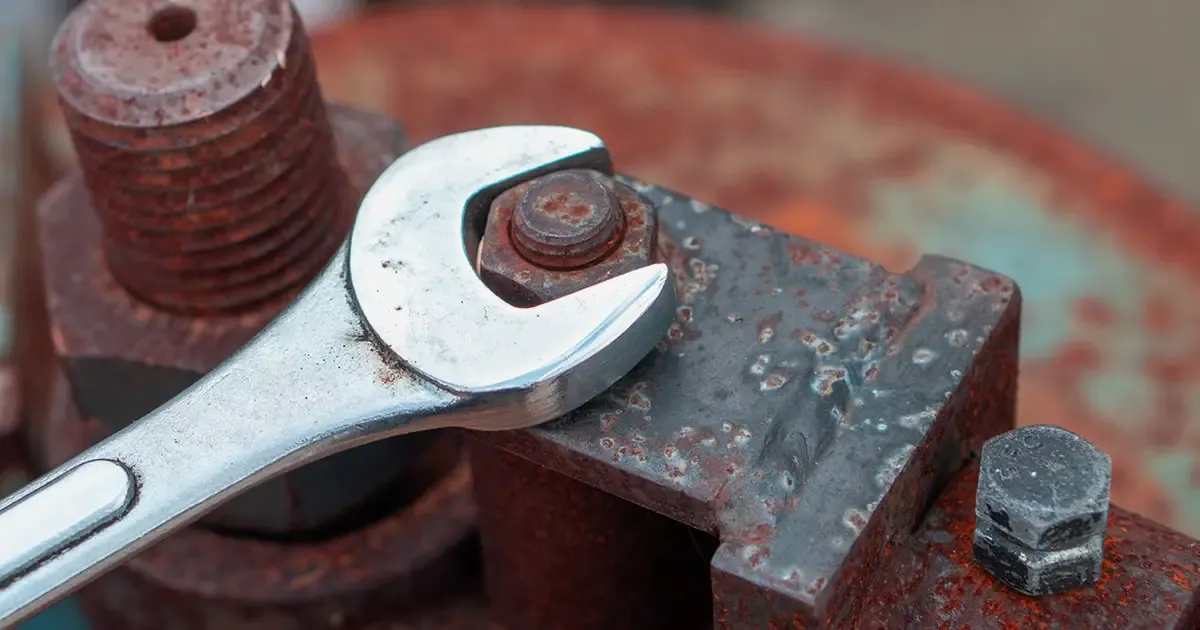
Tackling rusted bolts needs the right tools. Here’s a basic list:
- Penetrating oil (like WD-40, PB Blaster, or Liquid Wrench)
- Wrenches and sockets (preferably a full set, including deep sockets)
- Breaker bar (for extra leverage)
- Wire brush (to clean visible rust)
- Heat gun or propane torch (for heating stuck bolts)
- Hammer (for gentle tapping)
- Vise grips or locking pliers
- Impact driver or impact wrench
- Protective gloves and safety glasses
Always wear eye protection. Rust flakes and oil can cause injuries. Work in a well-ventilated area if using chemicals or heat.
Credit: www.crcindustries.com
Step-by-step Methods To Break Loose A Rusted Bolt
Let’s go through the most effective techniques, from the simplest to the most advanced. Sometimes, you’ll need to combine several steps.
1. Clean The Bolt And Surrounding Area
Start by removing any loose rust, dirt, or debris around the bolt. A wire brush works well for this. Cleaning helps the penetrating oil reach the threads and lets you see if the bolt head is damaged.
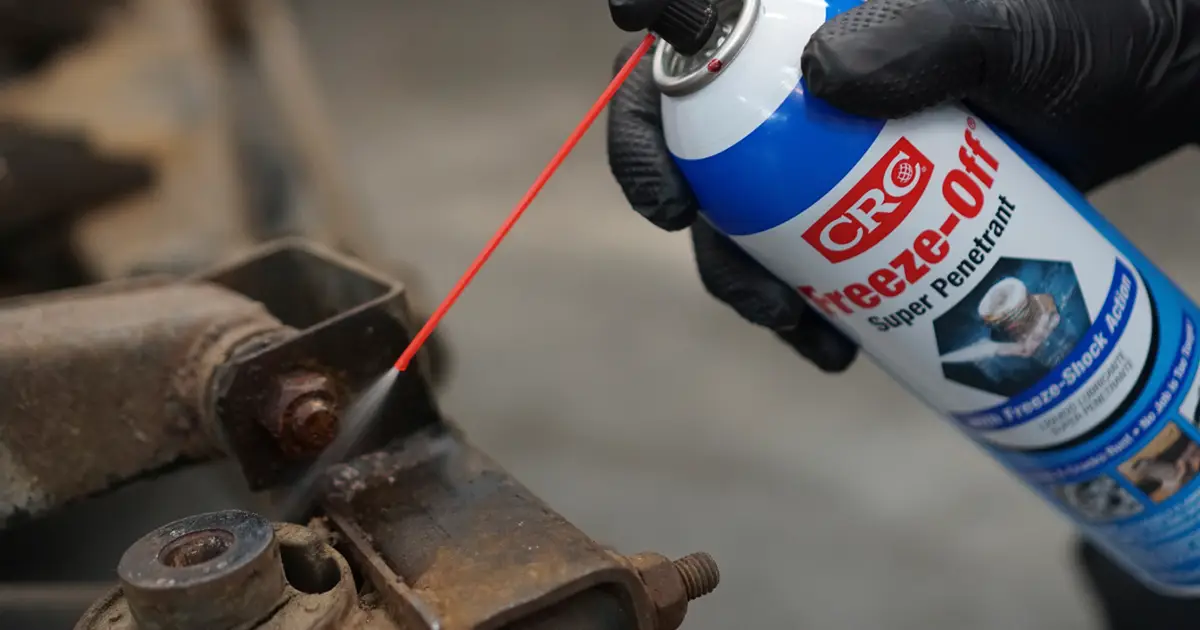
2. Apply Penetrating Oil
Spray the penetrating oil generously on the bolt and let it soak. For best results, wait at least 10-15 minutes—or longer for severe rust. The oil seeps into the threads and breaks down rust.
For vertical bolts, apply oil several times over an hour. If you can, spray from both sides (nut and bolt end).
3. Try Gentle Loosening
Use the correct size wrench or socket. Apply steady pressure, not a quick jerk. If the bolt doesn’t move, don’t force it—this can snap the bolt.
A breaker bar gives extra leverage. Longer handles mean more turning force with less effort. But be careful—too much force can shear the bolt.
4. Tap The Bolt To Shock The Rust
Lightly tap the bolt head with a hammer. This shocks the threads, sometimes breaking the rust bond. Don’t hit too hard, or you might deform the bolt.
Try tightening slightly, then loosening. This back-and-forth motion can help work the oil into the threads.
5. Heat The Bolt
Heating a stuck bolt expands the metal, breaking the rust’s grip. Use a heat gun or propane torch for 1-2 minutes. Avoid open flames near flammable materials.
After heating, let the bolt cool for 1 minute. Spray more oil, then try loosening again. Heat often works for bolts that oil alone can’t free.
6. Use An Impact Driver Or Wrench
If you have access, an impact driver or impact wrench delivers short, strong bursts of force. This works better than steady turning and reduces the chance of breaking the bolt.
Impact drivers are especially useful for automotive bolts or larger fasteners. Always use the correct socket size.
7. Cut A Slot For A Flathead Screwdriver
If the bolt head is rounded, use a rotary tool or hacksaw to cut a slot. Insert a large flathead screwdriver and turn. This sometimes works for smaller bolts.
8. Try Vise Grips Or Locking Pliers
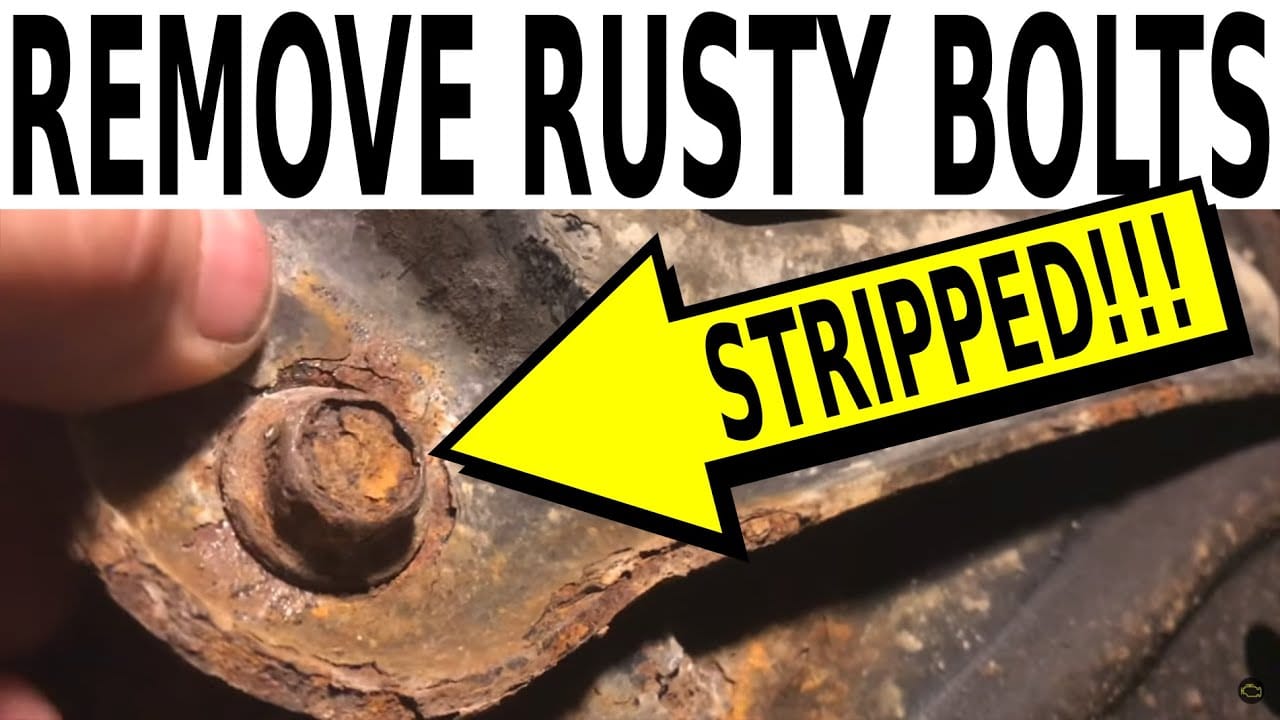
For stripped or rounded heads, vise grips can provide a better grip than a wrench. Clamp tightly and turn slowly.
9. Use Extractors For Broken Bolts
If the bolt snaps, don’t panic. Bolt extractors (sometimes called ‘easy outs’) are special tools that bite into the broken piece. Drill a small hole in the center, insert the extractor, and turn counterclockwise. Go slowly—extractors can also break if forced.
10. Last Resort: Drill Out The Bolt
If all else fails, carefully drill out the bolt. Use a drill bit slightly smaller than the bolt shaft. Go slowly and keep the bit straight. Remove the remaining threads with a tap set if needed.
Comparing Penetrating Oils
Not all penetrating oils are equal. Here’s a quick comparison of popular brands:
| Brand | Main Ingredient | Soak Time | Effectiveness |
|---|---|---|---|
| WD-40 | Mineral oil | 10-30 min | Good for light rust |
| PB Blaster | Petroleum distillate | 15-30 min | Excellent for heavy rust |
| Liquid Wrench | Solvent blend | 15-60 min | Very good for stubborn bolts |
PB Blaster is often the top choice for severe rust. For most household jobs, WD-40 does the job.
Choosing The Right Method For Your Situation
Not all rusted bolts need the same solution. Here’s a guide to help you decide which method to try first:
| Situation | Best Method | Why |
|---|---|---|
| Light surface rust | Penetrating oil + wrench | Simple and fast |
| Heavy rust, bolt still solid | Oil, tapping, breaker bar | Extra force breaks bond |
| Rounded or stripped head | Vise grips or slot cutting | Improves grip |
| Broken bolt shaft | Bolt extractor | Removes what’s left |
| Nothing else works | Drill out | Last resort |
Preventing Bolts From Rusting Again
Once you’ve removed the bolt, prevention is key. Here’s how to stop rust from coming back:
- Apply anti-seize compound on threads before reinstalling.
- Use stainless steel or galvanized bolts for outdoor use.
- Paint or coat exposed bolts to seal out moisture.
- Tighten bolts to the correct torque—overtightening damages threads.
- Check bolts regularly in high-moisture areas.
These steps save you time and headaches in the future.
Credit: www.crcindustries.com
Common Mistakes And How To Avoid Them
It’s easy to make mistakes when dealing with rusted bolts. Here are some of the most frequent ones:
- Using the wrong size tool – This can round off the bolt head. Always match your wrench or socket to the bolt.
- Applying too much force too soon – Snapping the bolt is a common beginner mistake. Increase force gradually.
- Skipping the oil soak – Patience pays off. Let the oil work before trying to loosen.
- Ignoring safety gear – Rust and oil can injure eyes or skin. Always wear gloves and glasses.
- Overheating the bolt – Too much heat can damage surrounding parts, especially in cars.
Two Insights Beginners Often Miss
First, using heat and oil together is far more effective than either alone. Heat expands the bolt, and oil seeps in better as it cools. Alternate between them for tough cases.
Second, try to tighten the bolt slightly before loosening. This small movement can break the rust bond. Many people only try to loosen, but a quick tighten-loosen sequence often works wonders.
When To Call A Professional
If you’re working on something valuable, like a car’s engine block or antique machinery, and the bolt won’t budge, don’t risk major damage. A professional mechanic or technician has specialized tools and experience. It’s better to pay a small fee than replace a whole part.
Real-world Example: Removing A Rusted Car Exhaust Bolt
Let’s say you need to remove a rusted bolt from a car’s exhaust system—a common and tough job.
- Clean the area with a wire brush.
- Spray PB Blaster and let soak for 30 minutes.
- Heat the bolt with a propane torch for 2 minutes, being careful of wires and hoses.
- Tap the bolt head with a hammer.
- Use a breaker bar with a six-point socket.
- If it still won’t move, try an impact wrench.
- As a last resort, use a bolt extractor.
This sequence combines the best methods and increases your chance of success.
Useful Resources
For more details on rust prevention, check out the guide from the Family Handyman. They offer step-by-step photos and additional pro tips.
Frequently Asked Questions
What Is The Best Penetrating Oil For Rusted Bolts?
PB Blaster and Liquid Wrench are highly recommended for severe rust. WD-40 works for light rust, but isn’t as strong for stubborn bolts.
Can I Use Vinegar Or Cola To Loosen A Rusted Bolt?
Yes, vinegar and cola can dissolve rust, but they work slowly. Soak the bolt for several hours, then use oil and try to loosen. These are helpful when no commercial products are available.
How Do I Avoid Snapping The Bolt?
Apply oil and wait, use steady pressure, and avoid sudden force. If the bolt doesn’t move, try heat or tapping before increasing force. Don’t use power tools right away.
What If The Bolt Head Is Completely Rounded?
Try vise grips or locking pliers. If that fails, cut a slot for a flathead screwdriver or use a bolt extractor set designed for stripped heads.
Is It Safe To Use A Torch Near Fuel Lines Or Rubber Parts?
No, open flames are dangerous near fuel or rubber. Use a heat gun instead, or focus on oil and impact methods. Always check the area for hazards before using heat.
Getting a rusted bolt loose can be tough, but with patience and the right techniques, most bolts will yield. Remember to work safely, use quality tools, and don’t rush the process. Over time, you’ll develop a feel for which method to use and when.
With these steps, you’ll save time, money, and frustration the next time you face a stubborn rusted bolt.
Credit: www.youtube.com
