
Cutting PVC pipe is a simple task, but doing it right makes all the difference. If you cut PVC incorrectly, you can get rough edges, poor fittings, or even leaks in your project. Whether you’re installing a sink drain, building garden irrigation, or crafting a DIY project, learning how to cut PVC pipe the right way will save you time and frustration. This guide takes you step by step through the tools, methods, and tips you need to achieve clean and accurate cuts on PVC pipe—no matter your experience level.
What Is Pvc Pipe And Why Is Cutting Important?
PVC (polyvinyl chloride) pipe is a common plastic pipe used for plumbing, irrigation, and many construction projects. It’s lightweight, affordable, and easy to work with. But the way you cut it affects how well it fits together with other parts.
A clean, straight cut ensures:
- Strong joints that don’t leak
- Easy assembly with fittings and connectors
- Professional-looking results for any project
Cutting PVC the wrong way can make pipes hard to join, weaken connections, and even waste materials. That’s why choosing the right tool and technique is key.
Tools You Can Use To Cut Pvc Pipe
Different tools work for different pipe sizes and project needs. Here’s a look at the most common options:
| Tool | Best For | Pros | Cons |
|---|---|---|---|
| PVC Pipe Cutter | Small-diameter pipe (up to 2″) | Quick, clean cuts; handheld; easy to use | Not for large or thick pipe |
| Hacksaw | Any size pipe | Cheap; versatile; available everywhere | May leave rough edges; slower |
| Miter Saw | Multiple cuts; precise angles | Very accurate; great for straight cuts | Larger, more expensive tool |
| String | Large pipe in hard-to-reach places | No power needed; good for tight spaces | Slow; takes practice |
| Reciprocating Saw | Thick or buried pipe | Fast; cuts through tough spots | Harder to get straight cuts |
Non-obvious tip: For most home projects, a simple PVC pipe cutter or a hacksaw is all you need. But for large or buried pipes, consider a power saw or string.
Choosing The Right Tool
Your tool choice depends on the pipe size, the space you’re working in, and how many cuts you need to make.
- For small pipes (under 2 inches): Use a PVC pipe cutter for best results. It’s like a heavy-duty scissors designed for plastic.
- For large or thick pipes: A hacksaw or reciprocating saw works best. These can handle pipe up to any diameter, but you’ll need to clean up the edges.
- If you need perfect angles: A miter saw is ideal. It gives you smooth, straight, and accurate cuts, especially if you’re making furniture or craft projects.
- For tight spaces, use a cutting method and tool specifically intended for the pipe material and installation. Avoid improvised friction-cutting methods unless the pipe manufacturer or an approved procedure specifically supports them; heat, poor control, and nearby utilities can create extra hazards.
Preparing To Cut Pvc Pipe
Preparation is important for clean, safe cuts. Here’s what you should do before starting:
- Measure carefully: Mark the exact spot where you want to cut. Use a marker or pencil, and double-check your measurement.
- Secure the pipe: If possible, clamp the pipe to a workbench. This stops it from moving and keeps your hands safe.
- Wear safety gear: Safety glasses protect your eyes from plastic shavings. Gloves can help, but make sure they don’t get caught in moving blades.
- Check your tool: Make sure blades are sharp. Dull blades crush pipe instead of cutting it, which can ruin your work.
Pro tip: Use a piece of masking tape to wrap around the pipe at your mark. This creates a visible, straight line to guide your cut.
How To Cut Pvc Pipe: Step-by-step Methods
Let’s look at how to use each tool for best results.
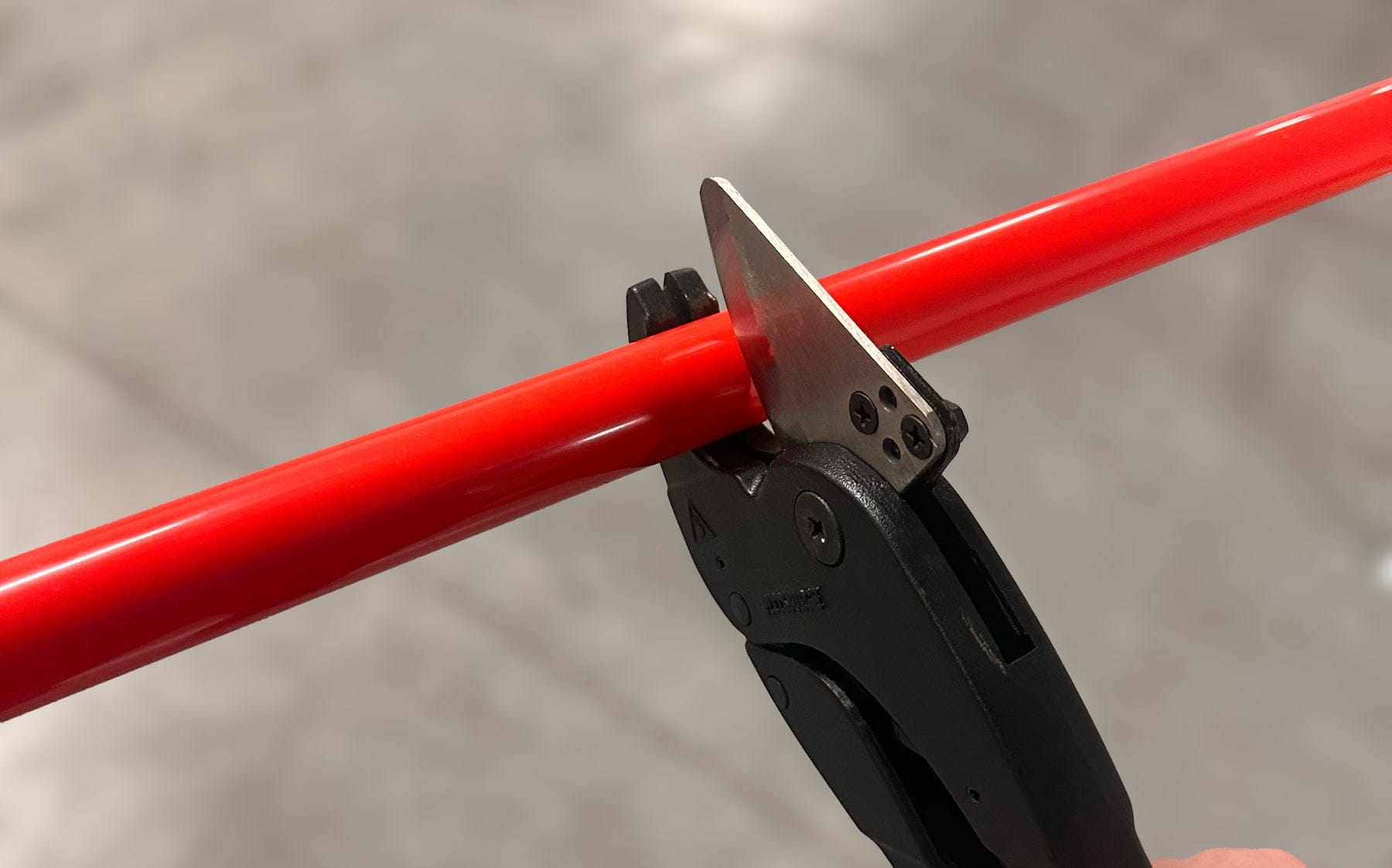
Using A Pvc Pipe Cutter
- Open the cutter: Squeeze the handles to open the blade.
- Align the blade: Place the pipe between the jaws, lining up the blade with your marked line.
- Squeeze and rotate: Squeeze the handles together gently. For thicker pipe, rotate the cutter slightly as you squeeze to cut all the way through.
- Finish the cut: Continue squeezing until the pipe snaps cleanly.
Insight: Don’t rush the cut—slow, steady pressure prevents crushing.
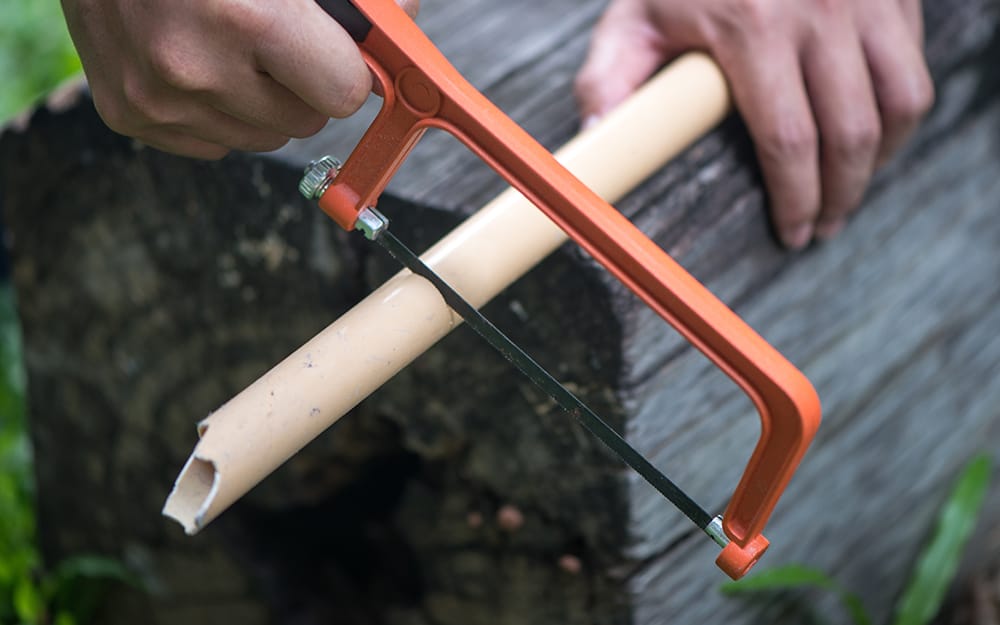
Using A Hacksaw
- Mark your line: Use a marker or tape.
- Secure the pipe: Clamp it down or hold it firmly.
- Saw slowly: Place the hacksaw blade on your mark. Use long, even strokes. Let the saw do the work—don’t force it.
- Check for straightness: Stop every few strokes to make sure you’re staying on line.
- Clean up: When done, use a utility knife or sandpaper to remove plastic burrs.
Beginner mistake: Pressing too hard can make the cut uneven. Focus on gentle, steady movement.
Using A Miter Saw
- Set up the saw: Make sure it’s unplugged while you adjust.
- Mark and align: Place the pipe against the fence of the saw, line up the blade with your mark.
- Hold firm: Hold the pipe securely (never put your hands near the blade).
- Make the cut: Power on the saw, bring the blade down slowly through the pipe.
- Deburr the edge: Clean up any roughness.
Extra insight: A fine-tooth blade gives smoother cuts on plastic than a wood blade.
Using String
- Wrap the string: Loop a strong piece of nylon or cotton string around the pipe where you want to cut.
- Pull back and forth: Use a sawing motion, pulling the string rapidly side to side. The friction will slowly cut through the pipe.
- Go slow: This method takes patience, but works in tricky spots.
Example: Plumbers often use string to cut buried pipes without digging them up fully.
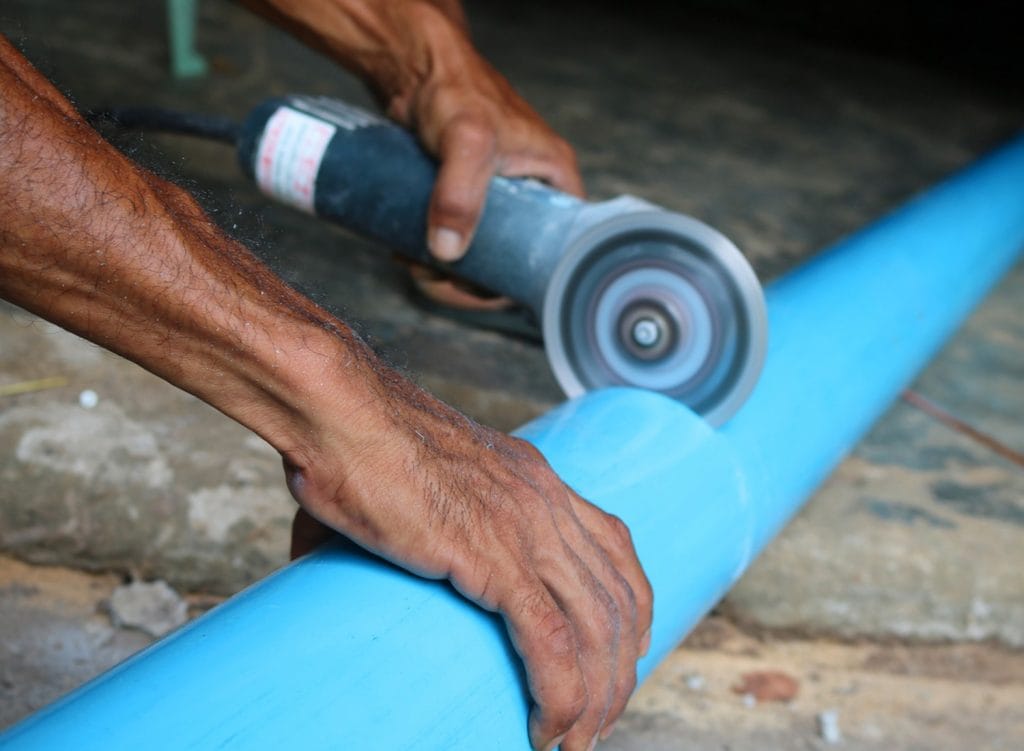
Using A Reciprocating Saw
- Mark the pipe: Draw your line as usual.
- Set up the saw: Use a blade designed for plastic.
- Cut slowly: Start with low speed for control, then increase as you go.
- Support the pipe: Hold it steady to avoid vibration.
- Clean the edge: Sand or scrape off roughness.
Non-obvious tip: Cutting too fast can melt the PVC, causing it to stick to the blade.
Cleaning And Deburring The Cut
After you cut, deburring is a critical step. Burrs (rough edges or shavings) can stop fittings from sliding on and create leaks.
How to deburr:
- Use a utility knife: Slide the blade around the inside and outside edge of the pipe.
- Use sandpaper: Wrap it around the end and rotate.
- Try a dedicated deburring tool: These are made for cleaning up plastic pipe ends.
Key point: Never skip deburring. Even small burrs make pipe connections weak and hard to seal.
Credit: formufit.com
Cutting Pvc Pipe At Angles
Sometimes, you need to cut PVC at a 45-degree angle for corners or special projects.
Steps:
- Use a miter box or miter saw for accuracy.
- Mark the angle with a protractor or angle finder.
- Cut slowly, checking that you stay on the angle.
Pro tip: If you don’t have a miter box, wrap a piece of paper around the pipe at the angle you want. Trace the edge of the paper as your cutting line.
Cutting Large Or Buried Pvc Pipe
Dealing with large-diameter PVC (over 2 inches) or pipe that’s installed underground brings extra challenges.
- For large pipe: Use a reciprocating saw or a string. Hand tools like pipe cutters won’t open wide enough.
- For buried pipe: Dig out enough space to work safely. Use string or a saw if you can’t move the pipe.
Safety warning: Always check what’s inside a buried pipe before cutting. There may be water, gas, or electrical lines nearby.
Credit: www.homedepot.com
Mistakes To Avoid When Cutting Pvc Pipe
Even experienced DIYers make errors. Here are common problems and how to avoid them:
- Forcing the cut: Pushing too hard can crush or crack the pipe.
- Using a dull blade: This creates ragged edges and increases the risk of injury.
- Skipping deburring: Fittings won’t seal if the pipe ends are rough.
- Measuring only once: Always measure twice before cutting—PVC isn’t expensive, but mistakes add up.
- Not supporting the pipe: If the pipe moves, your cut will be uneven.
Extra insight: Take a few minutes to set up your workspace. A stable, well-lit area makes the job much easier and safer.
Comparing Cutting Methods
Here’s a quick comparison of common cutting tools for PVC:
| Method | Speed | Cut Quality | Best For |
|---|---|---|---|
| PVC Pipe Cutter | Fast | Smooth | Small pipe, quick jobs |
| Hacksaw | Medium | Medium (needs deburring) | Any pipe size |
| Miter Saw | Very Fast | Very smooth | Many cuts, angled cuts |
| String | Slow | Smooth (if done patiently) | Hard-to-reach places |
| Reciprocating Saw | Fast | Rough (needs deburring) | Thick or buried pipe |
Safety Tips For Cutting Pvc Pipe
Working with tools always has risks. Here’s how to stay safe:
- Wear safety glasses: Protect your eyes from plastic dust.
- Keep hands away from blades: Always hold the pipe, not the cut area.
- Use clamps: Secure the pipe so it doesn’t roll or shift.
- Clean up shavings: PVC dust can be slippery and hard to clean.
- Unplug power tools: Before changing blades or making adjustments.
Extra tip: Don’t cut PVC near open flames or heat sources. PVC can release harmful fumes if burned.
Advanced Tips And Tricks
Want your PVC cuts to look as clean as a pro’s? Try these advanced ideas:
- Heat the pipe slightly (not with flame!) If you need to shape or bend before cutting.
- Label your pipes with a marker before cutting, especially for complex projects. This keeps all parts organized.
- Test fit pieces before gluing. Cutting sometimes removes more material than you expect.
For more about types and uses of PVC, see this Wikipedia guide.
Credit: www.woodsmith.com
Frequently Asked Questions
How Do I Cut Pvc Pipe Without Cracking It?
Use a sharp tool, cut slowly, and avoid squeezing too hard. Dull blades and too much force are the main causes of cracks.
Can I Use A Regular Wood Saw To Cut Pvc?
Yes, but a fine-tooth blade works best. Large teeth can leave a rough edge, so plan to sand or deburr the cut after.
What’s The Best Tool For Beginners?
A PVC pipe cutter is easiest for pipes up to 2 inches. It’s safe, fast, and gives clean results with little effort.
Do I Need To Clean The Pipe After Cutting?
Yes. Always remove burrs and dust from the cut end. This helps fittings slide on easily and ensures a leak-free joint.
Is It Safe To Cut Pvc Pipe Indoors?
Yes, but make sure you have good ventilation and keep the area clean. PVC shavings can be messy, so sweep up after.
Cutting PVC pipe is a simple skill that makes home repairs and DIY projects much easier. Choosing the right tool, preparing your workspace, and finishing the cut properly will give you professional results every time. Remember, patience and attention to detail are just as important as the tool you use.
With the methods and tips above, you’ll be ready to tackle any PVC cutting task with confidence.
