
A sharp chainsaw chain is more than just a convenience—it’s a matter of safety and efficiency. When your chain is dull, you work harder, your cuts are rough, and your chainsaw can kick back, which is dangerous. Many people think you always need to replace a dull chain, but that’s not true.
Filing your chainsaw chain at home is a practical skill that saves money and keeps your saw running smoothly. Even if you’re new to chainsaws, you can learn to file a chain with some patience and the right steps. This guide breaks down everything you need to know, from understanding your chain to expert tips that most beginners miss.
Why Filing Your Chainsaw Chain Matters
A well-filed chainsaw chain makes every job faster and safer. Sharp teeth slice through wood with less force, reducing wear on both the chain and the engine. Dull chains, on the other hand, make the saw jump or “bounce” during cutting—this is not just annoying, it’s risky.
Regular filing also means you don’t have to buy new chains as often. Many users are surprised to learn that a single chain can be filed 8–10 times before it needs replacing if you take care of it.
Understanding Your Chainsaw Chain
Before you start filing, it helps to know the parts of your chain. Each link has a cutting tooth and a depth gauge (also called a “raker”). The cutting tooth does the work, while the depth gauge controls how much wood the tooth cuts. Filing your chain means sharpening each tooth and occasionally lowering the depth gauge.
There are different chain types and sizes. The most common sizes are 3/8-inch and. 325-inch pitch, but you should always check your chainsaw manual or the numbers stamped on your chain. Using the wrong file size or angle can damage your chain and make cutting harder.
Credit: www.youtube.com
Tools You Need To File A Chainsaw Chain
Having the right tools makes filing easier and more accurate. Here’s what you’ll need:
- Round file: Usually 4.0 mm (5/32″), 4.8 mm (3/16″), or 5.2 mm (7/32″) in diameter, depending on your chain.
- File guide: Holds the file at the correct angle for your chain type.
- Flat file: Used for the depth gauges.
- Depth gauge tool: Ensures you file the rakers to the right height.
- Sturdy gloves: Protects your hands from sharp teeth.
- Chainsaw vise or clamp (optional): Holds the bar steady for more precise filing.
If you aren’t sure which file to use, check the chain’s packaging or visit the manufacturer’s website. Using the wrong size is a common beginner mistake.
Preparing To File: Safety And Setup
Filing your chain is not hard, but safety comes first. Always:
- Turn off your chainsaw and let it cool.
- Disconnect the spark plug if possible.
- Secure the saw—use a vise or clamp the bar to a workbench.
- Wear gloves and eye protection.
Before filing, clean the chain with a brush to remove dirt and oil. Dirty chains dull files quickly and make it harder to see what you’re doing. Also, check the chain for damage. If you see cracks, broken teeth, or severe wear, replace the chain instead of filing it.
Credit: www.wikihow.com
Step-by-step: How To File A Chainsaw Chain
Let’s walk through the process, step by step. Take your time at first—speed comes with practice.
1. Find The Shortest Tooth
Chains wear unevenly. Start with the shortest cutter tooth on the chain—this ensures all teeth are filed to the same length. Mark it with a permanent marker so you know where you started.
2. Place The File Guide
Set the file guide on the tooth you marked. Most guides have angle marks (like 25°, 30°, or 35°). Align the guide with your chain’s recommended angle—usually 30°, but check your manual.
3. File Each Tooth
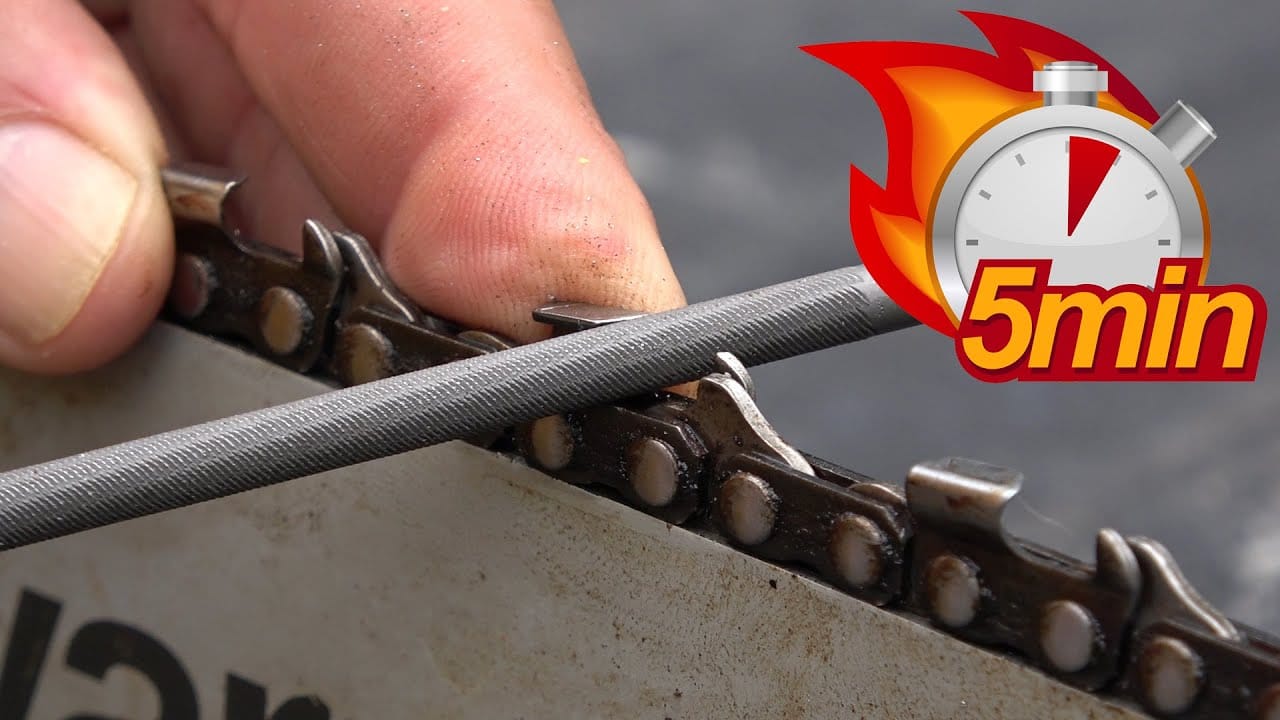
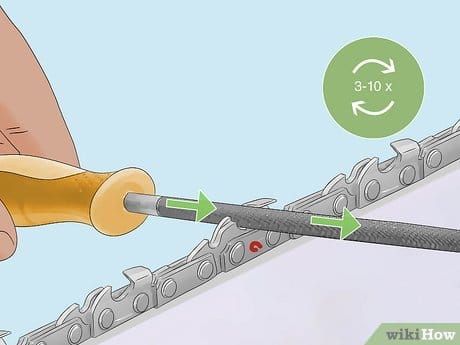
Push the round file across the cutter, away from your body, using smooth, even strokes. The file should rest lightly in the tooth’s curve, not scrape the bottom. File each tooth the same number of strokes—usually 3 to 6, depending on dullness.
- Pro tip: Only file in one direction—don’t “saw” back and forth.
- Common mistake: Pressing too hard or angling the file incorrectly. Let the tool do the work.
After you finish one side, rotate the saw or move to the other side, and repeat for all teeth.
4. Check Tooth Height
All cutters should be the same height when you finish. Uneven teeth cause rough cutting and extra wear.
5. File The Depth Gauges
After sharpening the cutters, check the depth gauges using the depth gauge tool. Place the tool over the gauge; if any metal sticks above the slot, use a flat file to lower it until it’s flush.
- Important note: Don’t over-file the rakers. This makes the saw bite too deeply, increasing kickback risk.
6. Clean And Lubricate
When you finish, brush off metal filings and use a little chain oil. Check that the chain moves smoothly before reconnecting the spark plug.
How Often Should You File Your Chainsaw Chain?
Many people wait too long before sharpening. In truth, you should file your chain after every 1–2 hours of cutting, or whenever you notice:
- The saw produces fine sawdust instead of wood chips
- You have to push the saw to make it cut
- The saw pulls to one side
- Smoke appears even though the chain is lubricated
Frequent light filing is better than waiting for the chain to get very dull. Chains last longer, and you save effort.
Choosing The Right File Size: Why It Matters
Using the correct file size is critical for a good edge. Here’s a comparison of common chain pitches and file sizes:
| Chain Pitch | File Diameter | Common Use |
|---|---|---|
| 1/4″ | 4.0 mm (5/32″) | Pole saws, light chainsaws |
| .325″ | 4.8 mm (3/16″) | Mid-size chainsaws |
| 3/8″ | 5.2 mm (7/32″) | Standard chainsaws |
| .404″ | 5.5 mm (7/32″) | Heavy-duty saws |
If you use a file that’s too small, you won’t sharpen the tooth correctly. Too large, and you miss the cutting edge. Always match the tool to your chain.
Manual Filing Vs. Electric Sharpeners
You can sharpen chains by hand or with an electric sharpener. Each method has pros and cons.
| Method | Advantages | Disadvantages |
|---|---|---|
| Manual Filing | Cheap, portable, gives good control | Slower, takes practice for consistency |
| Electric Sharpener | Fast, precise, good for many chains | Expensive, needs power, easy to remove too much metal |
For most homeowners, manual filing is all you need. Professionals who sharpen many chains daily may prefer electric tools.
Common Beginner Mistakes (and How To Avoid Them)
It’s easy to make errors when learning to file your chain. Here are two non-obvious problems and how to fix them:
- Filing at the wrong angle: Even a 5° mistake can make your saw cut poorly. Use a file guide with clear angle markings and check often.
- Neglecting the depth gauges: Many beginners sharpen the teeth but ignore the rakers. This makes the chain seem dull, even if the cutters are sharp. Always check the depth gauges after sharpening the teeth.
Other mistakes include filing too aggressively (which shortens chain life) or skipping teeth. Consistent, gentle strokes are best.
Pro Tips For A Sharper, Safer Chain
- Mark your starting tooth every time—this prevents over-filing.
- Keep your files clean. Metal shavings dull the file faster than you expect. Use a wire brush to clean them often.
- Replace worn files. A dull file can’t sharpen teeth and wastes your time.
- Store your tools dry. Files rust quickly if left damp.
A well-maintained chain is not just easier to use but also extends the life of your chainsaw bar and motor.
When To Replace Instead Of File
Even the best chain will eventually wear out. Replace your chain if you see:
- Cracks in the teeth or links
- Teeth shorter than 4 mm
- Bent or missing parts
- Chain won’t hold an edge after sharpening
A damaged chain can break during use, causing serious injury. If in doubt, replace it.
Cost And Time: What To Expect
Manual filing is affordable. A full set of files and guides typically costs $15–$30 and lasts for several years. Filing a chain by hand usually takes 10–20 minutes once you’re comfortable. Electric sharpeners cost $50–$200 but save time if you have many chains.
It’s worth noting that professional sharpening at a hardware store costs $5–$10 per chain. Over time, learning to file yourself saves money—especially if you cut wood regularly.
Credit: www.youtube.com
Extra Resources For Beginners
Many chainsaw manufacturers provide free video tutorials online. The STIHL official site has excellent visual guides for all skill levels. Watching a real demonstration can help you understand filing angles and hand movements more clearly.
Frequently Asked Questions
How Do I Know When My Chainsaw Chain Is Dull?
You’ll notice the saw produces fine dust instead of chips, needs more force to cut, or pulls to one side. If you see smoke or uneven cuts, it’s time to sharpen.
Can I Sharpen My Chainsaw Chain Without Removing It From The Saw?
Yes, you can file the chain while it’s on the bar. Just make sure the saw is off, the spark plug is disconnected, and the bar is clamped for stability.
How Many Times Can I File A Chainsaw Chain Before Replacing It?
Most chains can be filed 8–10 times if you don’t over-file. Replace the chain when the teeth are too short or damaged.
What Happens If I Use The Wrong File Size?
Using the wrong file size leads to a poor edge and uneven wear. Always match your file to your chain’s pitch as shown in your manual or chain markings.
Should I File The Depth Gauges Every Time I Sharpen The Teeth?
Not always. Check the depth gauges every 2–3 sharpenings. If they are too high, file them down; if not, leave them.
A sharp chainsaw chain is essential for safe, clean, and efficient work. With the right tools and careful technique, anyone can file a chain and keep it performing at its best. Take your time, follow each step, and soon you’ll be cutting with confidence and safety.