
Using a metal file may seem simple, but mastering this tool can make a big difference in your DIY projects, repairs, or even professional work. Whether you need to smooth rough edges, shape metal parts, or create precise finishes, a metal file is a reliable tool. Many beginners miss key details when using files, leading to poor results or damaged tools. This article will help you understand everything about how to use a metal file safely and effectively, even if you are new to working with metal. You’ll learn about file types, preparation, technique, safety, maintenance, and troubleshooting. With these clear steps, you can achieve a professional finish without frustration.
Understanding Metal Files
A metal file is a hand tool used to shape, smooth, or remove material from metal surfaces. Files come in many shapes and sizes. Each type is designed for specific tasks or materials. Knowing which file to use is important for good results.
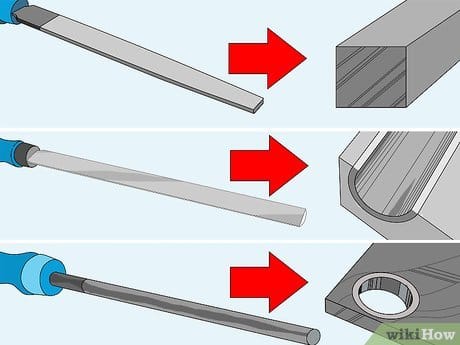
Common Types Of Metal Files
- Flat file: Used for general purpose filing, smoothing flat surfaces.
- Half-round file: Has a flat side and a rounded side, good for curved and flat surfaces.
- Round file (rat-tail): Ideal for enlarging holes or filing curved surfaces.
- Triangle file: Used for corners, grooves, or tight spaces.
- Square file: Good for filing slots and keyways.
Each file has different cut patterns:
- Single-cut: One set of parallel teeth, for fine, smooth work.
- Double-cut: Two sets of teeth, for faster material removal.
File Grades And Sizes
Files also come in various grades:
- Bastard: Coarse, removes material quickly.
- Second-cut: Medium, for general shaping.
- Smooth: Fine, for finishing touches.
Typical file lengths range from 4 to 12 inches. Longer files remove material faster but require more control.
| File Type | Best For | Cut Pattern |
|---|---|---|
| Flat file | Flat surfaces | Single or Double |
| Half-round file | Curved and flat surfaces | Double |
| Round file | Holes, curves | Single |
| Triangle file | Corners, grooves | Single |
| Square file | Slots, keyways | Double |
Preparing To Use A Metal File
Before you start, good preparation is important. It helps you work safely and get the best results.
Choosing The Right File
Pick a file that matches your material and the job:
- For rough shaping, use a bastard file.
- For finishing, choose a smooth file.
- For curved surfaces, a half-round or round file works best.
Preparing The Work Area
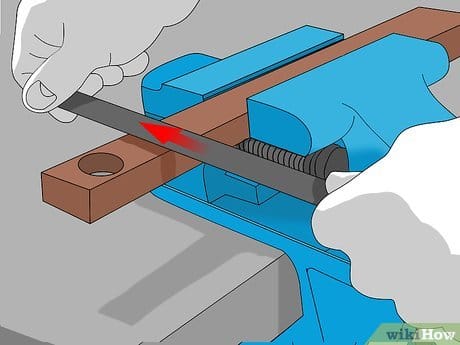
Set up a clean, well-lit workspace. Secure your metal piece in a vise or clamp so it does not move. This is important for both safety and accuracy.
Safety Precautions
Using a metal file can create sharp edges and small metal chips. Always follow these safety steps:
- Wear safety glasses to protect your eyes.
- Use gloves to avoid cuts.
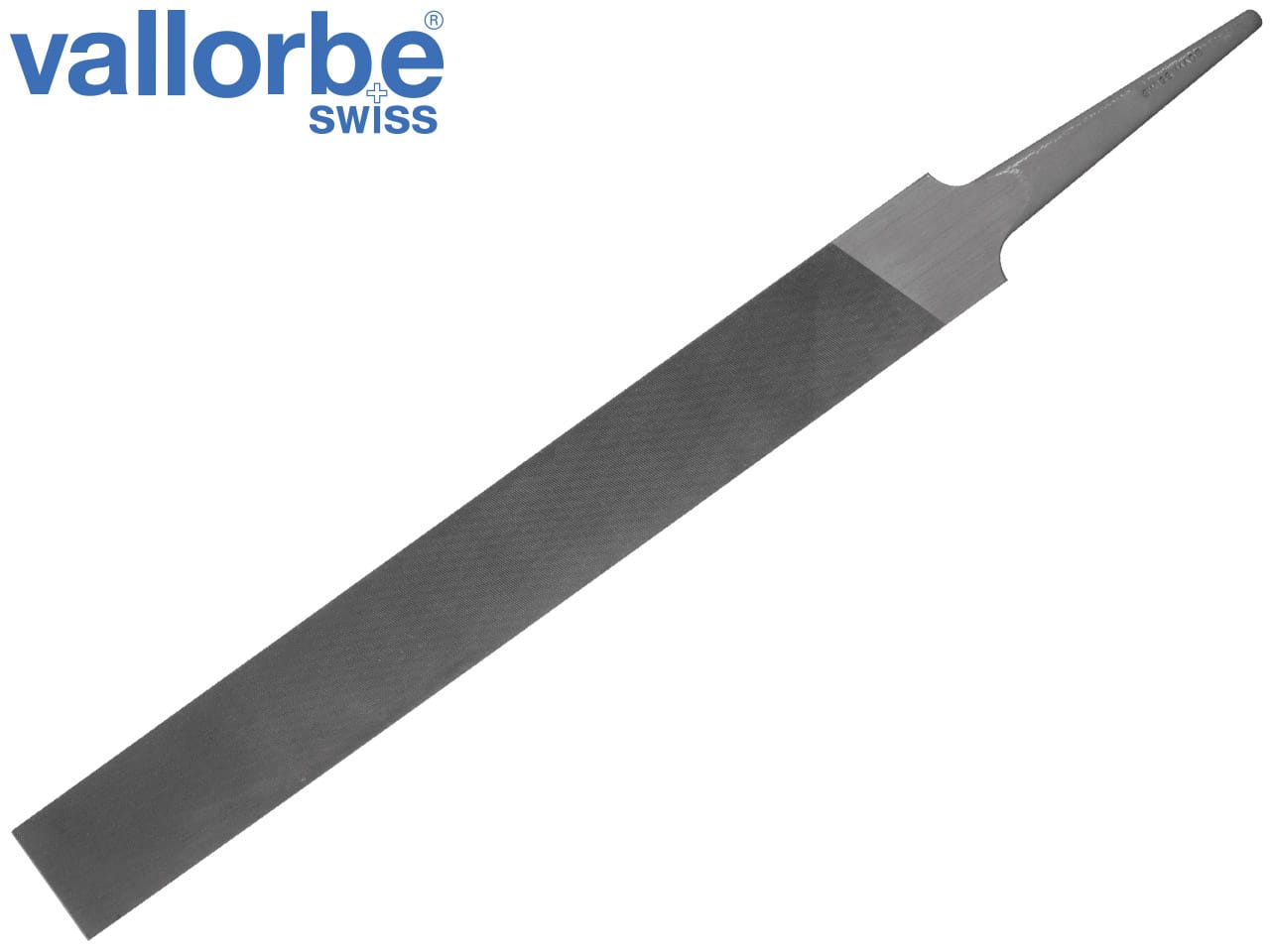
- Make sure your file has a proper handle; never use a file without a handle, as you can injure your hand.
Credit: www.cooksongold.com
How To Use A Metal File Properly
Using a file is more than just rubbing it on metal. The right technique makes your work easier, faster, and safer.
Basic Filing Technique
- Hold the file with one hand on the handle, the other supporting the tip.
- Place the file against the metal at the desired angle.
- Push the file forward with steady, even pressure.
- Lift the file off the metal on the return stroke; do not drag it back.
- Repeat, keeping strokes straight and consistent.
This technique prevents dulling the file and keeps the surface even.
Step-by-step Filing Process
- Secure your workpiece: Use a vise or clamp.
- Choose the right file: Based on material and finish needed.
- Check file handle: Make sure it is tight and comfortable.
- Start with coarse file: If shaping, begin with a bastard file.
- Use smooth strokes: Always push, never pull.
- Switch to finer file: For finishing, change to a smooth file.
- Clean the file regularly: Use a file card to remove debris.
| Step | Description |
|---|---|
| 1 | Secure metal in vise |
| 2 | Choose correct file |
| 3 | Check file handle |
| 4 | Begin with coarse file |
| 5 | Use smooth forward strokes |
| 6 | Switch to finer file for finish |
| 7 | Clean file often |
Common Filing Mistakes
Many beginners make mistakes that ruin the file or the workpiece:
- Using a file without a handle: Risk of injury.
- Pressing too hard: Can damage file teeth and create uneven surface.
- Filing in both directions: Dulls the file and can cause rough spots.
- Not cleaning the file: Metal chips clog teeth, making filing harder.
To avoid these, always use proper technique and keep your tools clean.
Advanced Filing Tips For Better Results
Once you know the basics, you can improve your filing with some advanced tips.
Using Lubricants
For some metals, a bit of oil or water can help reduce friction and prevent clogging. However, do not use oil on soft metals like aluminum, as it can make clogging worse.
Checking Progress Regularly
Stop often to check your work. Look for smoothness, flatness, and shape. Use a straightedge or ruler for flat surfaces.
Creating A Professional Finish
To get a clean, shiny surface:
- After filing, use emery cloth or sandpaper for final smoothing.
- Wipe the surface with a damp cloth to remove dust.
Filing Different Metals
Hard metals like steel need more effort and sharper files. Soft metals like aluminum or copper clog files quickly, so clean your file often.
| Metal | Filing Difficulty | Recommended File |
|---|---|---|
| Steel | Hard | Bastard or second-cut |
| Aluminum | Medium | Single-cut, clean often |
| Copper | Soft | Fine-cut, clean often |
| Brass | Medium | Second-cut |
Credit: www.wikihow.com
Caring For Your Metal File
A well-maintained file lasts longer and works better. Proper care is often forgotten by beginners, but it is essential.
Cleaning The File
After each use, clean the file with a file card (a special brush). This removes metal chips stuck in the teeth.
For stubborn debris, use a wire brush or soak the file in hot water with a bit of detergent. Dry thoroughly to avoid rust.
Storing Files
Keep files dry and store them away from other tools. If files touch each other or hard surfaces, their teeth can get damaged.
Store files in a tool roll or hang them on a rack. Avoid dropping them.
Sharpening Files
Files cannot be sharpened like knives. When a file is dull, it is best to replace it. Some specialists can re-cut file teeth, but this is expensive and rarely worth it for hobbyists.
Troubleshooting Filing Problems
Sometimes, filing does not go as planned. Here’s how to fix common issues:
File Is Clogged
If your file is clogged, stop and clean it. A clogged file will not cut well and can scratch your work.
File Is Skipping Or Sliding
If the file skips across the metal, you may be using the wrong file or not pressing evenly. Try changing the file or adjusting your grip.
Uneven Surface
If the surface is not smooth, use lighter strokes and check your angle. For finishing, use a finer file and sandpaper.
File Teeth Are Damaged
If your file teeth are broken, replace the file. Damaged files can scratch or gouge metal.
Practical Examples
Let’s look at a few real situations where you might use a metal file.
Smoothing A Sharp Edge
After cutting a piece of steel, the edge is often sharp. Use a flat file with medium cut. Secure the metal, use gentle strokes, and finish with a fine file. Check the edge with your finger (carefully) to see if it is smooth.
Enlarging A Hole
If a hole drilled in aluminum is too small, use a round file. Place the file inside the hole, rotate and push forward. Clean the file often to avoid clogging.
Creating A Slot
To make a slot in brass, use a square file. Mark your slot, secure the piece, and file carefully along the line. Use smooth strokes and check depth often.
Non-obvious Insights
Many people think filing is only about removing material, but it’s also about control and precision. A light touch gives a better finish than heavy pressure. Another insight: files can be used on plastics and wood, not just metal, but always clean the file before switching materials to avoid contamination.
Credit: www.wikihow.com
Frequently Asked Questions
What Is The Correct Way To Hold A Metal File?
Hold the file with your dominant hand on the handle and your other hand supporting the tip. Keep your arms straight and use smooth, forward strokes. This gives you control and prevents accidents.
Can I Use A Metal File On Wood Or Plastic?
Yes, you can use metal files on wood or plastic. However, clean the file before switching materials, as metal chips can scratch softer surfaces.
How Often Should I Clean My File?
Clean your file after every session, and during use if it gets clogged. Use a file card or wire brush for best results.
Why Does My File Clog When Filing Aluminum?
Aluminum is a soft metal and clogs files easily. Clean your file often, and avoid using oil, as it can make clogging worse.
What Should I Do If My File Becomes Dull?
Files cannot be sharpened at home. If your file is dull, replace it. Storing and using files correctly will help them last longer.
Using a metal file is a skill anyone can master with practice and care. Remember to choose the right file, prepare your work area, follow the correct technique, and maintain your tools. These steps will help you achieve smooth, precise results every time. For more in-depth information about metalworking tools, you can visit Wikipedia. With the right knowledge and a steady hand, you can turn rough pieces of metal into useful parts or beautiful objects.
