
Using a wood lathe can be a deeply satisfying experience. With the right approach, even beginners can transform a simple block of wood into a beautiful bowl, spindle, or ornament. If you’ve ever watched a skilled woodturner at work, you know there’s something mesmerizing about the process—the gentle hum of the machine, wood shavings flying, and a shape slowly emerging.
But before you dive in, it’s important to understand each step and the safety measures involved. This guide will walk you through everything you need to know about how to use a wood lathe, from preparing your workspace to adding those final finishing touches.
Understanding The Wood Lathe
A wood lathe is a machine that rotates a piece of wood on its axis. This allows you to shape the wood using various cutting tools. The basic parts include the headstock (with the motor and spindle), the tailstock (which supports the other end of the wood), the tool rest (where you hold your tools), and the bed (the frame connecting it all). Lathes range from small tabletop models for pens and ornaments to large floor-standing machines for furniture legs.
Types Of Wood Lathes
There are three main types of wood lathes:
| Type | Best For | Typical Size |
|---|---|---|
| Mini Lathe | Small projects, pens, ornaments | Under 20 inches |
| Midi Lathe | Bowls, spindles, medium items | 20–36 inches |
| Full-Size Lathe | Large furniture legs, big bowls | Over 36 inches |
Beginners often start with a mini or midi lathe, as these are affordable and require less space.
Preparing Your Workspace And Tools
Before you switch on your lathe, make sure your workspace is clean and organized. Woodturning creates a lot of dust and shavings, so keep the floor clear to avoid slips.
Essential Tools And Accessories
You will need the following for basic woodturning:
- Lathe (suitable size for your project)
- Woodturning chisels (spindle gouge, bowl gouge, parting tool, skew chisel, roughing gouge)
- Sharpening system (dull tools are dangerous)
- Face shield or safety glasses
- Dust mask
- Calipers (for measuring)
- Sandpaper (various grits)
- Finishes (oil, wax, or lacquer)
Safety First
Wood lathes are powerful machines. Always:
- Tie back long hair
- Remove jewelry
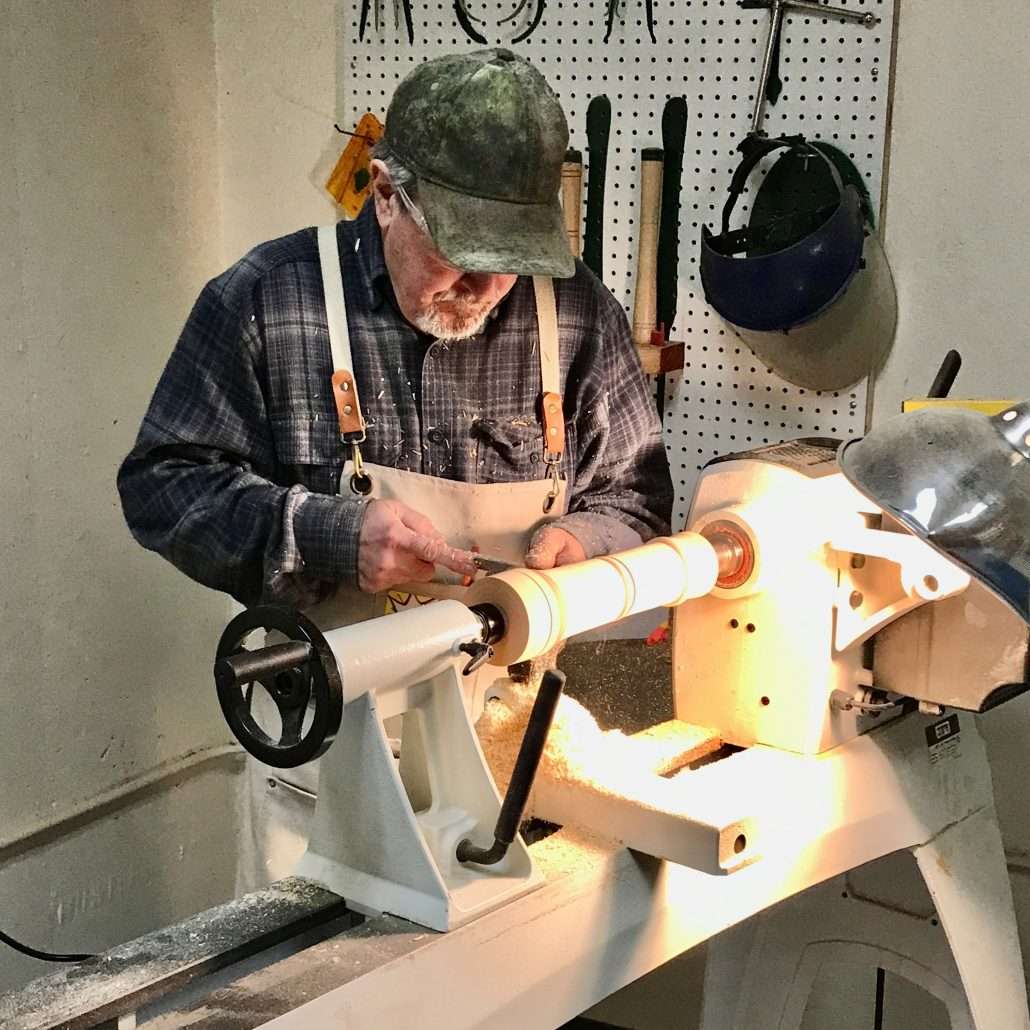
- Wear a face shield
- Avoid loose clothing
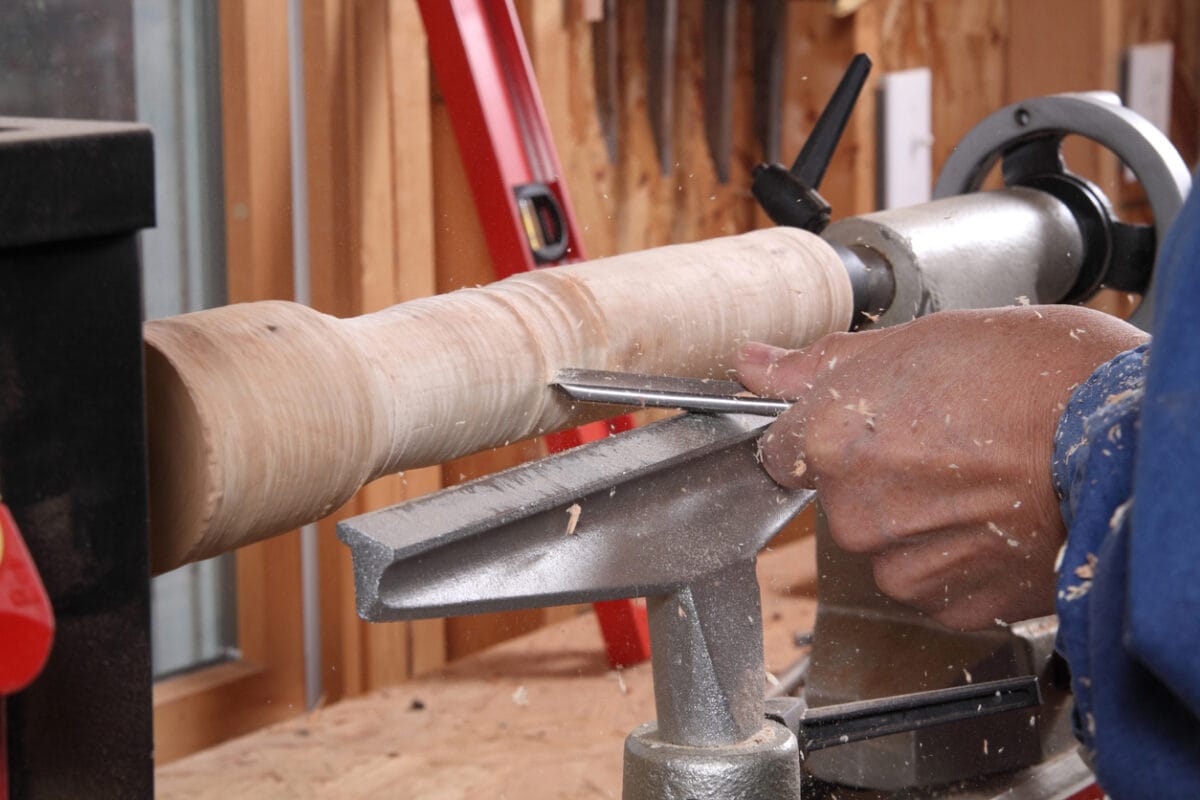
- Ensure the tool rest is set close to the wood
Accidents often happen when people rush or skip safety steps.
Credit: www.bobvila.com
Choosing And Mounting Your Wood
The wood you select affects your results and safety. Start with dry, seasoned wood. Wet wood can be unpredictable, and cracks may form as it dries.
Mounting The Blank
A “blank” is the piece of wood you’ll shape. Cut it slightly larger than your final design. For spindles (long, thin shapes), mount the wood between the headstock and tailstock. For bowls or plates, use a faceplate or chuck.
Check for defects like cracks, knots, or embedded nails. Even a small hidden nail can ruin tools or cause injury.
Setting Up The Wood Lathe
Correct setup makes turning easier and safer.
- Check the speed: Start at a low speed (500–800 RPM for beginners). Adjust as you gain confidence and the wood is balanced.
- Adjust the tool rest: Keep it as close as possible to the wood—about 1/8 inch away. Set it slightly below the centerline for most cuts.
- Spin the wood by hand: Make sure it turns freely and does not hit the tool rest.
Credit: thecuriousforge.org
Basic Turning Techniques
Woodturning involves different techniques depending on your project. The most common are spindle turning and faceplate turning.
Spindle Turning
Used for shapes like chair legs or tool handles. The wood is mounted between the centers. The main tools are the spindle roughing gouge and spindle gouge.
- Roughing: Use the roughing gouge to bring the wood to a round shape.
- Shaping: Use the spindle gouge to add curves or details.
- Smoothing: The skew chisel gives a fine finish but requires practice.
Faceplate Turning
Used for bowls, plates, and hollow forms. The blank attaches to a faceplate or chuck on the headstock.
- Shaping the outside: Shape the exterior first, then form a “tenon” (a small lip) so you can reverse the piece.
- Hollowing: After securing the piece with the tenon, hollow the inside with a bowl gouge.
Tool Use And Handling
Most mistakes come from poor tool control. Keep your tools sharp and always rest them on the tool rest before touching the wood.
Common Woodturning Tools
| Tool Name | Main Purpose | Beginner-Friendly? |
|---|---|---|
| Spindle Roughing Gouge | Turning square stock round | Yes |
| Bowl Gouge | Shaping bowls, hollowing | Moderate |
| Skew Chisel | Smoothing, fine details | No (steep learning curve) |
| Parting Tool | Cutting off finished items | Yes |
Tool Angles And Movement
Always keep your cutting edge above the centerline when starting a cut. Move the tool slowly across the rest, using your body instead of just your arms. This gives more control and smoother results.
A non-obvious tip: Listen to the sound. A clean cut sounds smooth. If you hear chattering or see torn grain, adjust your angle or slow your feed.
Shaping And Smoothing The Wood
As you turn, stop often to check your progress. Use calipers to measure if you need precise sizes. Don’t try to remove too much material in one pass—take light cuts for better control and finish.
Sanding
Once you reach your shape, sand the wood while it spins at a slow speed. Start with a coarse grit (like 80 or 120) and move up to finer grits (220, 320, or higher). Sanding at too high a speed creates heat and burn marks.
A beginner mistake is to skip grits. Don’t move to the next grit until the scratches from the previous one are gone.
Finishing Your Project
A good finish protects the wood and enhances its beauty.
- Apply oil, wax, or lacquer: Use a small cloth and apply while the lathe is spinning slowly.
- Buff: Use a clean cloth to polish the surface.
- Let it cure: Some finishes need hours or days to harden, so check the product instructions.
Pro tip: Don’t touch your work with bare hands after applying finish, as oils from your skin can leave marks.
Cleaning And Maintaining Your Lathe
A well-maintained lathe lasts longer and works better.
- Clean shavings and dust after every session.
- Oil the bed and moving parts regularly.
- Check that bolts and screws are tight.
- Sharpen your tools before they get dull.
Common Problems And How To Fix Them
Even experienced turners face issues. Here are a few and what you can do:
- Vibration: Usually caused by unbalanced wood or loose parts. Make sure your blank is centered and all bolts are tight.
- Torn grain: Use sharper tools and take lighter cuts. Try cutting “downhill”—with the grain.
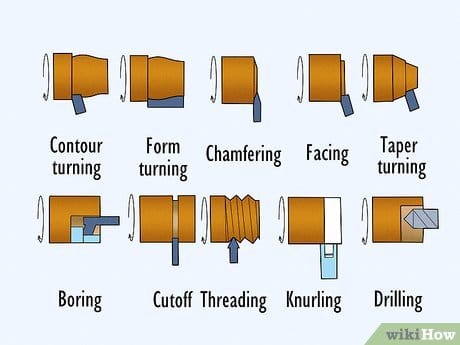
- Tool catches: This happens when the tool bites into the wood suddenly. Keep the tool rest close, and always present the bevel first.
Credit: www.wikihow.com
Practical Tips For Beginners
- Start with simple shapes like spindles or tool handles before moving to bowls.
- Take breaks often to check your work and rest your hands.
- Record your progress with photos or notes—this helps you learn faster.
- Watch experienced turners online or in person. Videos can reveal techniques that are hard to explain in text.
- Join a woodturning club. You’ll learn more in an hour with others than in weeks alone.
For more in-depth information and visuals, visiting resources like the Wikipedia Woodturning page can be very helpful.
Safety Reminders You Should Never Ignore
- Always wear a face shield—not just safety glasses.
- Never leave the lathe running unattended.
- Stand to one side when starting the lathe; if a piece comes loose, it won’t hit you.
- Keep your work area tidy. A cluttered shop causes accidents.
- Check your wood for cracks or foreign objects before mounting.
Frequently Asked Questions
What Speed Should I Use For My Wood Lathe?
Start at a low speed, around 500–800 RPM for most projects. Increase the speed gradually as you gain confidence and the wood is balanced. Larger pieces need slower speeds to stay safe.
How Do I Know If My Tools Are Sharp Enough?
Sharp tools cut smoothly and quietly. If you see tear-out or have to push hard, your tool is likely dull. A good test is to shave a small scrap of wood—it should peel off easily.
Can I Use Any Type Of Wood On A Lathe?
Most hardwoods like maple, cherry, or walnut work well. Avoid woods with cracks, knots, or resin pockets. Softwoods can be used but may chip more easily.
Why Does My Wood Keep Coming Loose From The Lathe?
This is often due to a poorly tightened chuck or faceplate, or a badly fitted tenon. Always double-check that everything is secure before turning on the lathe.
Do I Need Special Dust Collection For Woodturning?
It is highly recommended. Fine dust from sanding can harm your lungs. Use a dust mask at minimum, and consider a dust extractor for your workshop.
Learning how to use a wood lathe opens up a world of creative possibilities. With patience, practice, and attention to safety, you can make stunning projects—each one better than the last. Whether you want to turn bowls, pens, or table legs, the journey starts with understanding the basics and building your skills step by step.