
Using an angle grinder for grinding can seem challenging at first, but with the right steps and safety measures, it becomes much easier. Whether you’re a DIY enthusiast or a professional, mastering this tool can save you time and effort on metal, concrete, and other tough materials.
This guide will show you how to use an angle grinder for grinding safely and efficiently, covering every detail you need to get started and avoid common mistakes.
Understanding The Angle Grinder
An angle grinder is a handheld power tool with a rotating disc. It is used for cutting, grinding, and polishing a range of materials. The grinder’s versatility comes from its replaceable discs and attachments. The size and power of the tool can vary, but most grinders used for grinding have discs between 4.5 to 9 inches in diameter.
Key Parts Of An Angle Grinder
Knowing the main parts helps you use the tool better:
- Body/Handle: Where you grip and control the tool.
- Disc/Wheel: The spinning part that does the grinding.
- Guard: A metal shield for safety.
- Trigger/Switch: Turns the grinder on and off.
- Auxiliary Handle: Gives extra control.
Many beginners overlook the importance of the guard. Never remove it, as it protects you from sparks and fragments.
Choosing The Right Grinding Disc
Picking the correct disc is crucial. Discs are made for different materials and jobs. Using the wrong disc can damage your workpiece or cause injury.
| Disc Type | Best For | Common Size |
|---|---|---|
| Grinding Disc | Metal, steel, iron | 4.5″, 7″ |
| Diamond Disc | Concrete, stone | 5″, 7″ |
| Flap Disc | Finishing, smoothing | 4.5″, 5″ |
| Wire Wheel | Rust removal | 4″, 6″ |
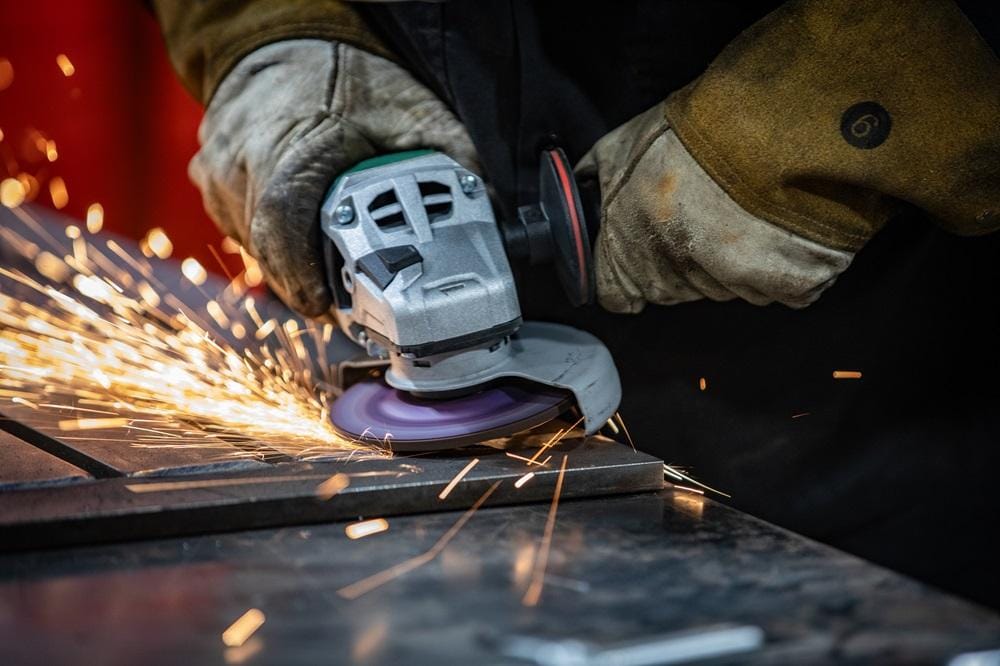
When grinding metal, use a grinding disc. For concrete, pick a diamond disc. Always check the disc’s RPM rating to match your grinder’s speed.
Credit: www.thefabricator.com
Safety First: Essential Precautions
Angle grinders are powerful, but they can be dangerous if misused. Follow these safety steps every time:
- Wear Personal Protective Equipment (PPE):
- Safety goggles or a full face shield for eye protection.
- Gloves to protect your hands from sparks and heat.
- Hearing protection (earplugs or earmuffs).
- Dust mask if working with concrete or stone.
- Check the Tool and Disc:
- Inspect the grinder and disc for cracks or damage.
- Make sure the disc is tightly attached.
- Confirm the guard is in place.
- Work in a Safe Area:
- Remove flammable materials nearby.
- Keep bystanders at a safe distance.
- Use clamps to secure the workpiece.
- Hold the Grinder Properly:
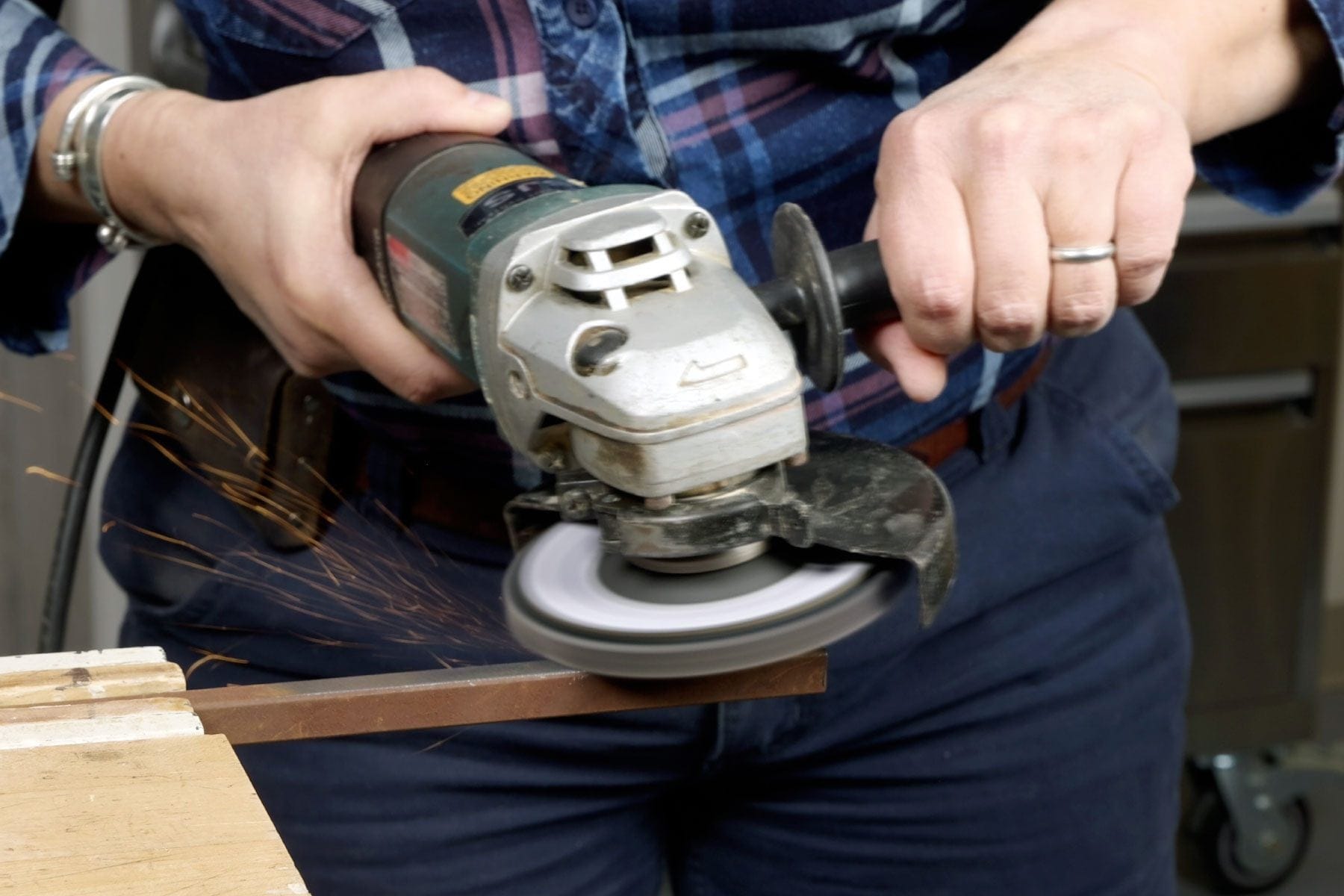
- Use two hands: One on the main handle, one on the auxiliary handle.
- Stand in a balanced position, away from the disc’s plane.
A common mistake is not wearing enough protection or holding the tool with one hand, which increases risk.
Setting Up Your Angle Grinder
Proper setup makes grinding smoother and safer. Here’s how to prepare:
1. Fit The Right Disc
- Unplug the grinder or remove the battery.
- Use the provided wrench to loosen the nut.
- Place the correct disc on the spindle.
- Tighten the nut by hand, then snug it with the wrench.
- Check that the disc spins freely.
2. Adjust The Guard
- Turn the guard to cover the area between you and the disc.
- Lock it firmly in place.
3. Test Run
- Plug in or insert the battery.
- Hold the grinder away from you and others.
- Start the tool and let it run for 30 seconds.
- Listen and watch for vibration or wobbling.
If you notice problems, stop and check the setup again.
Credit: www.familyhandyman.com
Grinding: Step-by-step Guide
Now you’re ready to grind. Follow these steps for best results:
- Mark Your Work Area
- Use chalk or a marker to draw where you need to grind.
- This helps you stay accurate and avoid over-grinding.
- Position the Grinder
- Hold the tool at a 15–30 degree angle to the workpiece.
- Lower angles are better for light grinding or finishing.
- Start Grinding
- Turn on the grinder.
- Bring the disc to the workpiece gently.
- Move smoothly back and forth along the marked area.
- Apply Steady Pressure
- Let the disc do the work.
- Don’t push hard, as this can damage the disc and tool.
- Watch for Sparks and Heat
- If sparks change color (red or yellow), you may be overheating the metal.
- Take breaks to let the material cool if needed.
- Check Your Progress
- Stop the tool and inspect the grind often.
- Remove dust or debris before continuing.
- Finishing Touches
- For a smoother finish, switch to a flap disc after heavy grinding.
- Move over the area gently to remove rough edges.
Example: Grinding A Weld
Suppose you welded two steel pieces and want a smooth joint. Use a grinding disc first to knock down the weld bead. Then, switch to a flap disc to blend and finish the surface.
Advanced Tips For Better Grinding
Getting a clean, professional result takes practice, but these tips help:
- Move Consistently: Keep the grinder moving—staying in one spot creates gouges.
- Avoid Angling Too Steeply: Over 30 degrees can cut grooves into the material.
- Change Discs Before They Wear Out: Worn discs slow the job and can break.
- Control Dust: Attach a vacuum or work outdoors to reduce dust, especially with concrete.
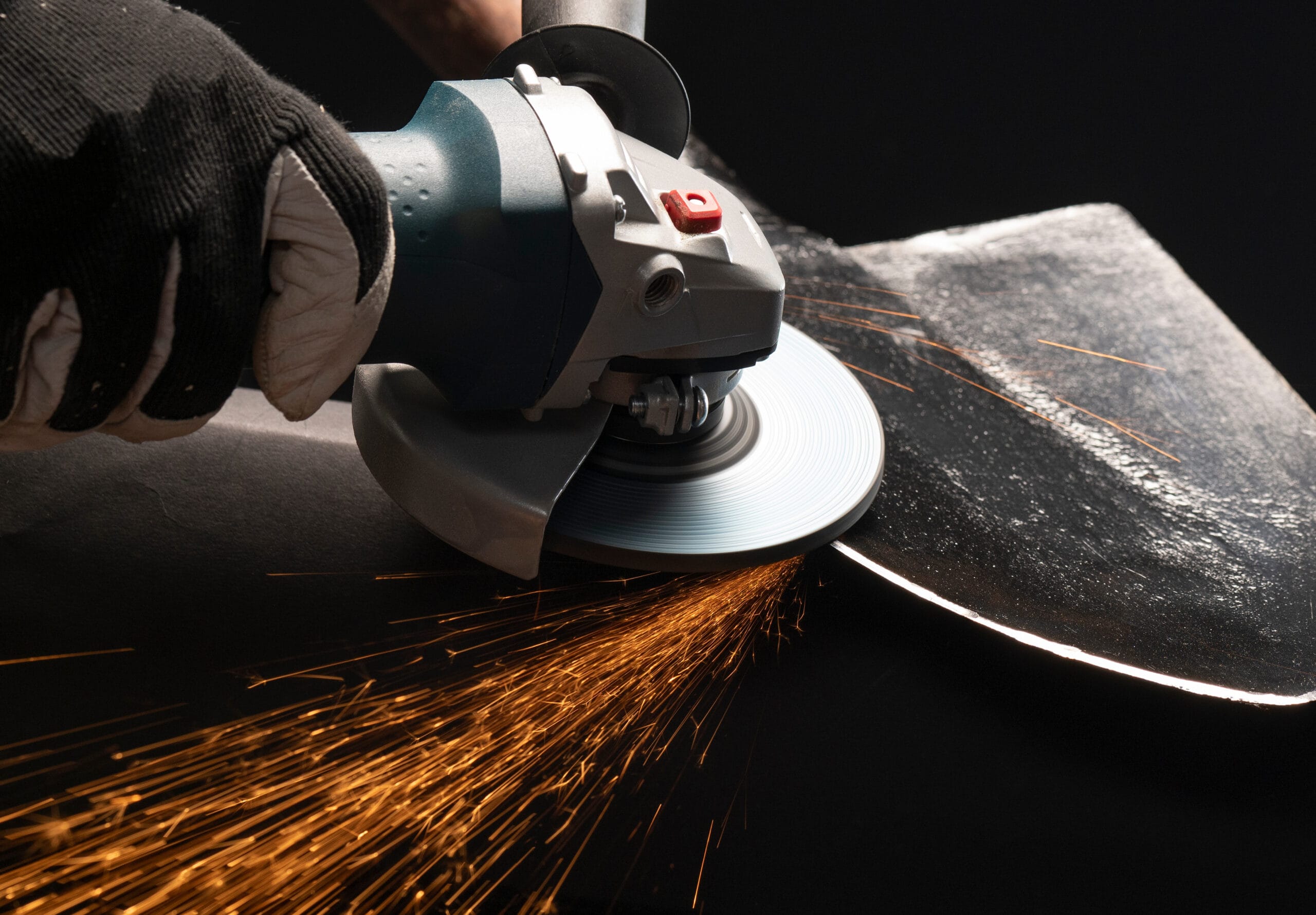
Many people forget to let the tool reach full speed before touching the workpiece. This simple step prevents skipping or jerking.
Credit: makerspaces.northeastern.edu
Common Mistakes And How To Avoid Them
Learning from others’ errors can save you time and money. Here are some frequent mistakes:
Using The Wrong Disc
Trying to grind concrete with a metal disc will ruin your disc and slow progress. Always match the disc to the material.
Overheating The Workpiece
Pressing too hard or staying in one spot can turn metal blue, showing it’s too hot. This can weaken the material. Use light, steady passes.
Skipping Safety Checks
A cracked disc or missing guard can cause serious injury. Always inspect your setup before starting.
Ignoring The Grain
When grinding metal, work with the grain for a smoother finish. Going across the grain leaves visible marks.
Comparing Grinding Discs
Choosing the right disc is not just about material—it also affects speed and finish. Here’s a quick comparison:
| Disc Type | Material Removal Rate | Surface Finish |
|---|---|---|
| Grinding Disc | High | Coarse |
| Flap Disc | Medium | Smooth |
| Diamond Cup | Very High | Rough (for concrete) |
For beginners, start with a grinding disc and switch to a flap disc for finishing.
Maintenance And Storage
Taking care of your angle grinder keeps it safe and extends its life.
- Clean after each use: Wipe off dust and debris.
- Check the cord or battery: Look for cuts or damage.
- Store in a dry place: Avoid damp areas to prevent rust.
- Replace worn parts: Discs, brushes, and guards wear out over time.
A well-maintained grinder is less likely to fail or cause accidents.
When Not To Use An Angle Grinder
An angle grinder is not always the right tool. Avoid using it for:
- Cutting thin, flexible materials (like sheet plastic).
- Grinding in tight, enclosed spaces where sparks may cause fire.
- Tasks that require high precision or very fine detail.
For these jobs, choose specialized tools like a rotary tool or bench grinder.
Real-world Example: Cutting Vs. Grinding
People often confuse grinding with cutting. Here’s how they compare:
| Task | Disc Used | Typical Angle | Speed |
|---|---|---|---|
| Grinding | Grinding disc, flap disc | 15–30° | Moderate |
| Cutting | Cut-off disc | 90° (perpendicular) | Faster |
Grinding shapes or smooths material, while cutting separates it. Always choose the correct disc for each job.
Practical Insights Most Beginners Miss
- Disc Expiry Dates: Grinding discs have expiry dates. Old discs can become brittle and break easily. Check the date before use.
- Proper Storage: Store discs flat and dry. Moisture can weaken discs, making them unsafe.
- Letting the Tool Work: Don’t force the grinder. If progress is slow, check your disc or adjust your technique.
These small details can make a big difference in results and safety.
Frequently Asked Questions
What Materials Can I Grind With An Angle Grinder?
You can grind metal, concrete, stone, and even some ceramics with the right disc. Always use the proper disc for each material and check the manufacturer’s guidelines.
How Do I Know If My Disc Needs Replacing?
Replace the disc if you see cracks, chips, or if it’s worn down to the label. Using damaged discs increases the risk of accidents.
Can I Use A Cutting Disc For Grinding?
No, cutting discs are not designed for side pressure. Using them for grinding can cause the disc to shatter. Always use a grinding disc for grinding.
Why Does My Angle Grinder Spark A Lot When Grinding Metal?
Sparks are normal when grinding metal. However, if you see excessive or colored sparks, it may mean you’re pushing too hard or the material is overheating. Ease up on pressure and let the disc do the work.
Is It Safe To Remove The Guard For Better Visibility?
Never remove the guard. It protects you from flying debris and sparks. Adjust your position instead to see better, but always keep the guard in place.
For more in-depth safety information, you can visit the Wikipedia page on angle grinders.
Using an angle grinder for grinding becomes much easier once you understand the tool and follow the right steps. Always focus on safety, choose the correct disc, and work carefully. With practice, you’ll get smooth, professional results every time.
