
Lithium batteries are everywhere—your phone, laptop, electric car, and even in homes storing solar power. Their popularity comes from being light, powerful, and long-lasting. But there’s a hidden risk many overlook: lithium battery fires. These fires are not only dangerous but also hard to stop once they start. Preventing them is critical for safety at home, in workplaces, and for businesses relying on large-scale battery storage.
This article will guide you through all you need to know about lithium battery fire prevention. You’ll learn why these fires happen, the best ways to store and use lithium batteries, what to do in an emergency, and how to reduce your risk.
Even if you’re not a battery expert, you’ll find simple explanations, real examples, and practical advice to keep yourself and your devices safe.
Why Lithium Battery Fires Happen
Lithium batteries can catch fire due to a process called thermal runaway. This happens when a battery’s internal temperature rises rapidly, causing a chain reaction. If one cell overheats, it can spread to others, leading to a fire or even an explosion.
The main causes include:
- Physical damage: Dropping or crushing a battery can break its internal structure.
- Overcharging: Charging with the wrong charger or for too long pushes too much energy inside.
- Manufacturing defects: Poorly made batteries may have weak spots that fail after use.
- Exposure to heat: Leaving batteries in hot cars or direct sunlight increases risk.
- Short circuits: If the battery terminals touch metal, current flows uncontrolled.
An often-missed detail: even a small puncture or minor swelling is a warning sign. Many people ignore these, but they mean the battery is more likely to fail.
How Common Are Lithium Battery Fires?
Data shows that while lithium battery fires are rare compared to the number used worldwide, they are increasing as battery use grows. In the United States alone, the Consumer Product Safety Commission recorded over 25,000 incidents involving lithium batteries between 2012 and 2022.
The risk is higher in:
- E-bikes and scooters: Urban areas have seen fires from low-quality or modified batteries.
- Home energy storage: Larger battery packs store more energy, so fires are more severe.
- Industrial sites: Warehouses storing large numbers of devices face special challenges.
A small but important fact: even unused batteries can catch fire if stored incorrectly for long periods.
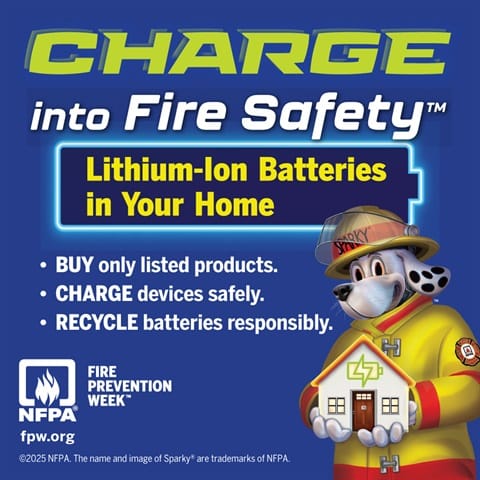
Credit: www.melbourneflorida.org
Safe Storage Tips For Lithium Batteries
Keeping batteries safe starts with how you store them. Bad storage is a leading cause of accidents.
- Choose a cool, dry place: Heat and humidity increase fire risk. Never store batteries in direct sunlight, hot cars, or near radiators.
- Use original packaging: If possible, keep batteries in their original box or plastic case. This prevents terminals from touching metal objects.
- Avoid stacking: Piling batteries can cause pressure and damage. Store them side by side, not on top of each other.
- Separate new and used batteries: Used batteries are more likely to fail. Keep them apart to avoid confusion.
- Limit storage quantity: Don’t keep large numbers at home unless necessary. Businesses should follow local fire codes for battery storage.
Here’s a quick comparison of good and bad storage locations:
| Location | Fire Risk | Recommended? |
|---|---|---|
| Kitchen drawer | High (near metal, heat) | No |
| Garage shelf (cool, dry) | Low | Yes |
| Car glove box | High (can overheat) | No |
| Original battery case | Lowest | Best |
Never store lithium batteries with flammable items like paper, fuel, or cleaning products.
Charging Safety: Best Practices
Improper charging is a leading cause of lithium battery fires. Here’s how to charge safely:
- Use the manufacturer’s charger: Generic or mismatched chargers may not regulate voltage correctly. Always use the charger that comes with your device.
- Don’t overcharge: Unplug devices when fully charged. Overcharging increases heat and pressure inside the battery.
- Charge in a safe location: Place devices on a hard, non-flammable surface (like a table). Avoid charging on beds, couches, or under pillows.
- Supervise charging: Don’t leave charging devices unattended, especially overnight.
- Check for signs of trouble: If you notice swelling, heat, or strange smells, unplug immediately and move the device away from flammable items.
One overlooked tip: never use USB extension cables or splitters for high-power devices like e-bikes. These can cause overheating.
Recognizing Warning Signs
Most lithium battery fires give warning signs before they start. Recognizing these early can prevent disaster.
Key warning signs:
- Swelling: The battery or device looks puffed up.
- Heat: Feels hot even when not in use or charging.
- Odor: Smells like burning plastic or chemicals.
- Leaking: Liquid or gel coming from the battery.
- Noise: Hissing, popping, or crackling sounds.
If you see any of these, stop using the device immediately. Move it to a safe area (outside if possible) and contact a professional for disposal.
What To Do If A Lithium Battery Catches Fire
Reacting fast is key if a battery starts to burn. Lithium battery fires are not like regular fires.
- Don’t use water: Water can make the fire worse and may cause dangerous chemical reactions.
- Use a Class D fire extinguisher: These are designed for metal fires. If you don’t have one, a regular ABC extinguisher can help slow the fire, but may not stop it.
- Evacuate and call emergency services: Lithium fires produce toxic gases. Get everyone out and call firefighters.
- Move nearby items away: If safe, clear flammable items from around the fire to prevent it spreading.
- Let professionals handle it: Never try to pick up or move a burning battery.
A practical tip: Most homes and offices don’t have Class D extinguishers. Consider buying one if you store many batteries or have large energy storage at home.
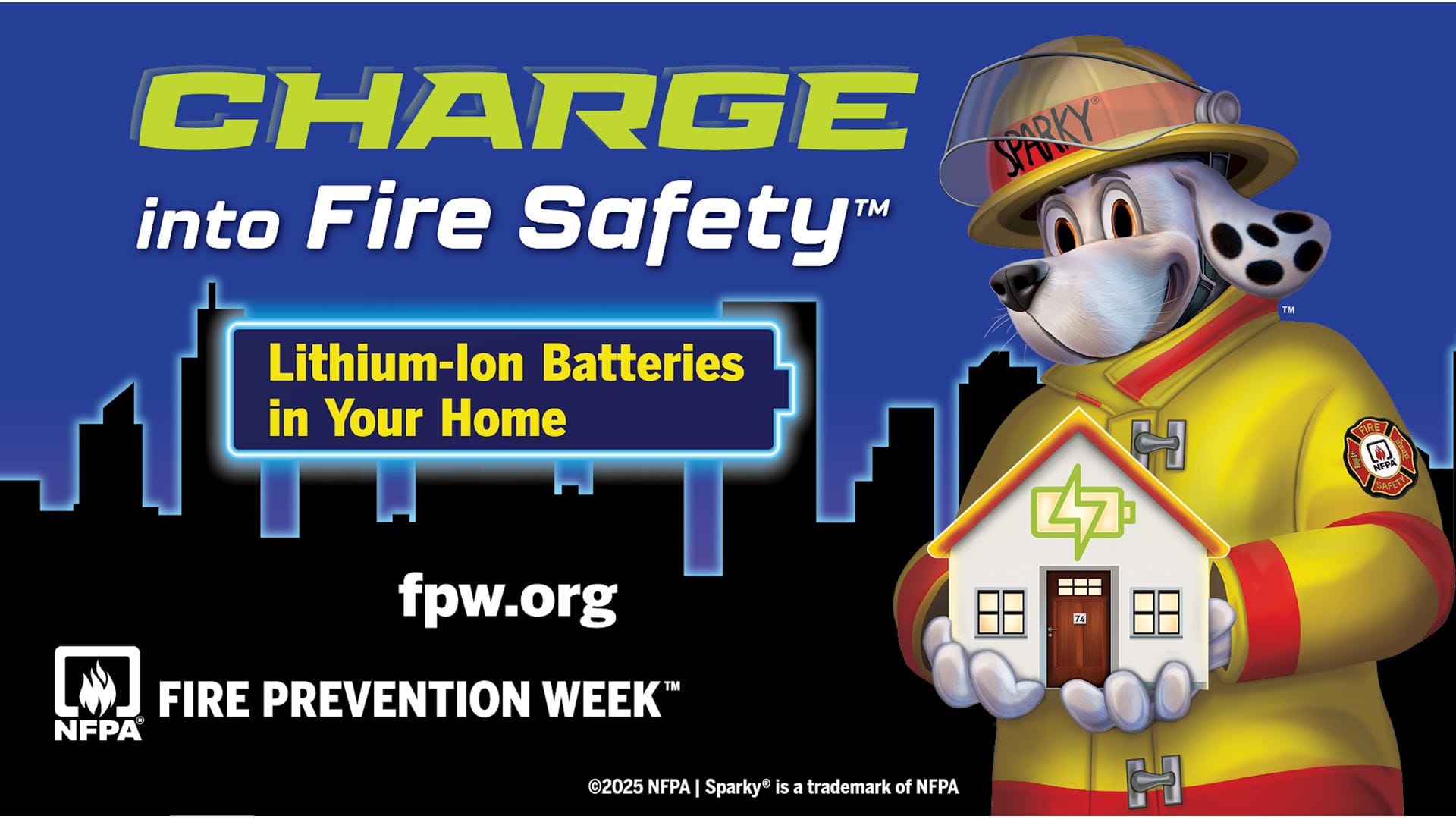
Credit: newsroom.nmsu.edu
Disposal And Recycling: Avoiding Fire Risks
Incorrect disposal is a hidden fire hazard. Damaged or dead batteries tossed in the trash can start fires in garbage trucks or landfills.
- Never throw batteries in regular trash: Always use battery recycling programs.
- Tape the terminals: Cover the metal ends with electrical tape to prevent short circuits.
- Store dead batteries in a safe container: Use a non-metal box until you can take them to a recycling point.
- Find certified recycling centers: Many electronics stores, recycling centers, and even libraries accept lithium batteries.
Here’s how different disposal methods compare:
| Method | Fire Risk | Environmentally Safe? |
|---|---|---|
| Regular trash | Very High | No |
| Battery recycling center | Low | Yes |
| Metal recycling bin | Medium | No |
| Certified e-waste site | Lowest | Best |
Many people don’t realize that improper disposal is a leading cause of garbage truck fires.
Fire Prevention For Businesses And Industrial Sites
Large sites and businesses storing many lithium batteries need special strategies.
- Follow local fire codes: Regulations often require special storage rooms, fire detection systems, and regular inspections.
- Limit battery stock: Store only what you need for short-term use.
- Use fireproof cabinets: These slow fire spread and contain smoke.
- Train staff: Everyone should know how to spot battery damage, handle leaks, and respond to fires.
- Install automatic fire suppression: Water mist or gas systems can help control fires before they spread.
A useful insight: many battery fires in warehouses start during charging, not storage. Set up dedicated, supervised charging areas away from other goods.
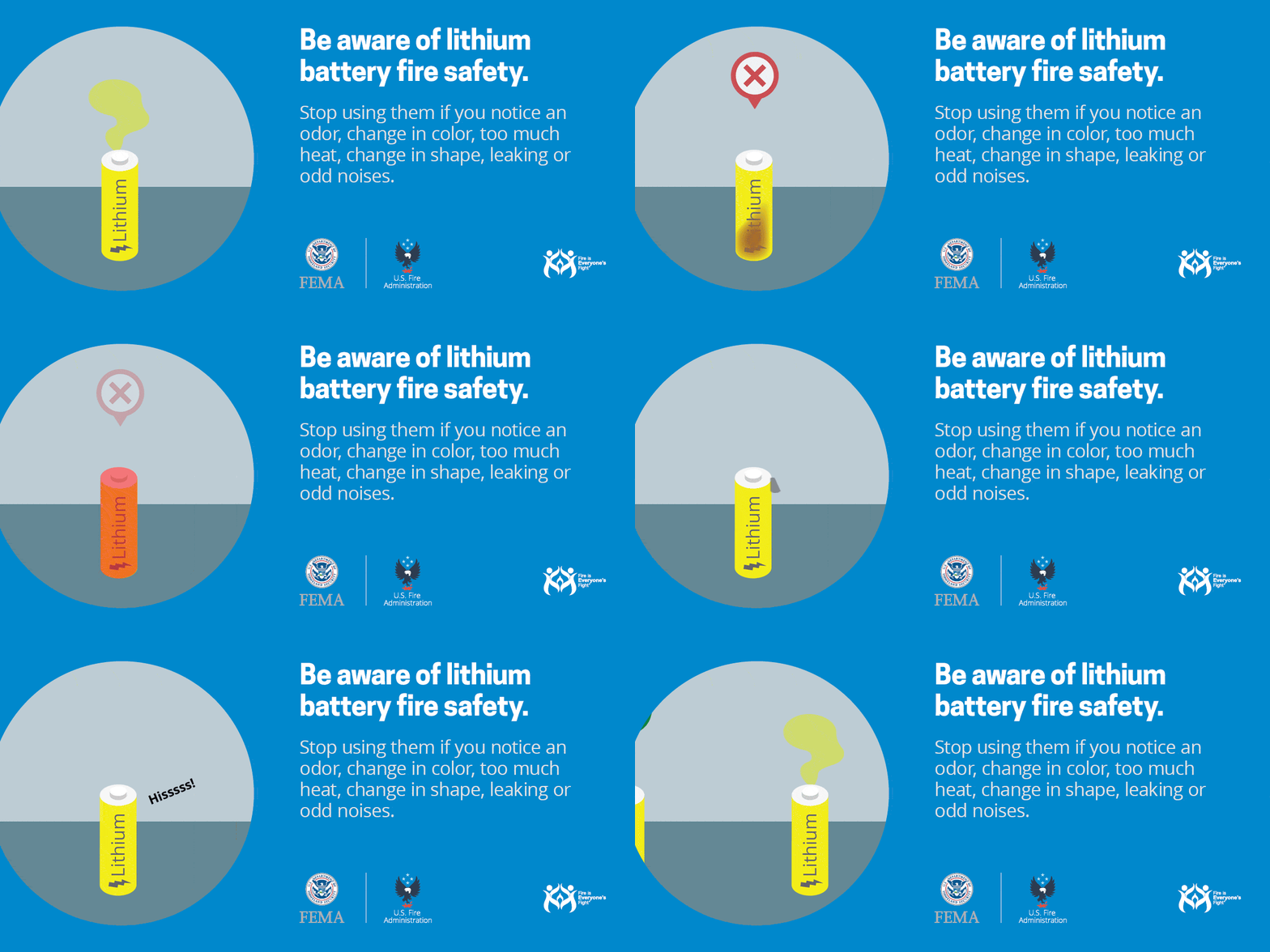
Credit: www.usfa.fema.gov
Common Myths About Lithium Battery Fire Prevention
With so much information online, it’s easy to believe myths. Let’s clear up a few common ones.
- “Small batteries can’t cause big fires.” Even phone-sized batteries can start serious fires if faulty or damaged.
- “Once a battery cools down, it’s safe.” A damaged battery can ignite hours or even days later.
- “You can put out a lithium fire with water.” Water is dangerous for lithium fires and should not be used.
- “All battery fires are the same.” Lithium fires are different from alkaline or lead-acid battery fires. They need special handling.
Many beginners overlook the fact that not all fire extinguishers are suitable for lithium battery fires. Always check your extinguisher’s label.
Innovations In Fire Prevention
Technology is evolving to make lithium batteries safer. Here’s what’s new:
- Built-in safety circuits: Many modern batteries include circuits that cut off power if overheating is detected.
- Battery management systems (BMS): These smart systems monitor each cell, balancing charge and detecting problems early.
- Safer chemistries: New types like lithium iron phosphate (LiFePO4) are less likely to catch fire than older lithium cobalt oxide types.
- Fire-resistant casings: Some products now use materials that contain fires if they start.
Here’s a quick look at how different battery types compare for fire risk:
| Battery Type | Fire Risk | Common Use |
|---|---|---|
| Lithium Cobalt Oxide (LCO) | High | Phones, Laptops |
| Lithium Iron Phosphate (LiFePO4) | Low | Home Storage, EVs |
| Lithium Manganese Oxide (LMO) | Medium | Power Tools |
Choosing devices with safer battery types can lower your risk, especially for large home or business installations.
Real-world Examples And Lessons Learned
Learning from real incidents helps avoid repeating mistakes.
- In New York City, a series of fires from e-bike batteries led to new laws requiring certified batteries and chargers.
- In 2021, a home in California burned down after a solar storage battery caught fire. Investigation found the battery was installed too close to flammable materials.
- In Australia, a warehouse storing thousands of small devices had a major fire after damaged batteries were stored together in a cardboard box.
Non-obvious lesson: In many cases, the fire didn’t start right away. Damage or overheating happened hours or days before the fire. Regular checks and safe storage can make all the difference.
Frequently Asked Questions
What Should I Do If My Phone Battery Swells Up?
Stop using the phone immediately. Move it away from flammable items and do not try to puncture or press the battery. Take it to a certified electronics repair or recycling center for safe disposal.
Can I Throw Lithium Batteries In The Recycling Bin At Home?
No. Regular home recycling bins are not designed for batteries. Take lithium batteries to a certified battery recycling or e-waste center to avoid fire risk.
Is It Safe To Charge Devices Overnight?
It’s best not to charge overnight, especially with devices on soft surfaces or under pillows. Unattended charging increases the risk of overheating and fire.
Do All Lithium Batteries Have The Same Fire Risk?
No. Some types, like lithium iron phosphate, are less likely to catch fire. Cheaper or unbranded batteries often have higher risks due to poor quality control.
Where Can I Learn More About Lithium Battery Safety?
You can find in-depth safety guides and updates from NFPA (National Fire Protection Association).
Lithium battery fire prevention isn’t just about following rules—it’s about building habits. By understanding risks, storing and charging batteries safely, and staying alert for warning signs, you can protect yourself, your family, and your workplace from disaster. With technology improving and awareness growing, lithium batteries can remain a safe and reliable part of daily life.
