
A nail gun is a powerful tool that saves time and energy on construction, woodworking, and home improvement projects. But sometimes, it doesn’t work as expected. One of the most common and dangerous problems is double firing—when the nail gun shoots two nails instead of one with a single trigger pull. This can be frustrating, damage your work, and even cause injuries.
Most people believe double firing is just a small annoyance, but it can actually be a sign of a deeper problem with your tool or technique. In this guide, you’ll learn why nail guns double fire, how to fix it, and how to keep it from happening again.
Whether you’re a professional or a DIY enthusiast, understanding this issue can help you work safer and more efficiently.
What Is Nail Gun Double Firing?
Double firing happens when a nail gun shoots two nails very quickly, almost at the same time, after a single trigger action. Usually, you want one nail per trigger pull. With double firing, you get an extra nail that can go in the wrong spot, split wood, or even bounce back and cause injury.
There are two main types of double firing:
- True double firing: The gun fires two nails at once.
- Bump double firing: The gun fires a second nail as the nose bounces off the material.
Both types are dangerous and can ruin your project or hurt someone nearby.
Why Does A Nail Gun Double Fire?
Understanding the causes of double firing is the first step to stopping it. The main reasons include:
- Worn or faulty trigger mechanism
- Incorrect trigger type for your work
- Weak or broken springs inside the gun
- Holding the tool incorrectly
- Using the wrong air pressure (for pneumatic guns)
- Damaged or sticky safety contact tip
- Poor quality nails or wrong nail size
Many beginners miss one key insight: double firing is often a combination of tool wear and user handling, not just a single problem. Let’s look at each cause in detail.
Trigger Mechanism Problems
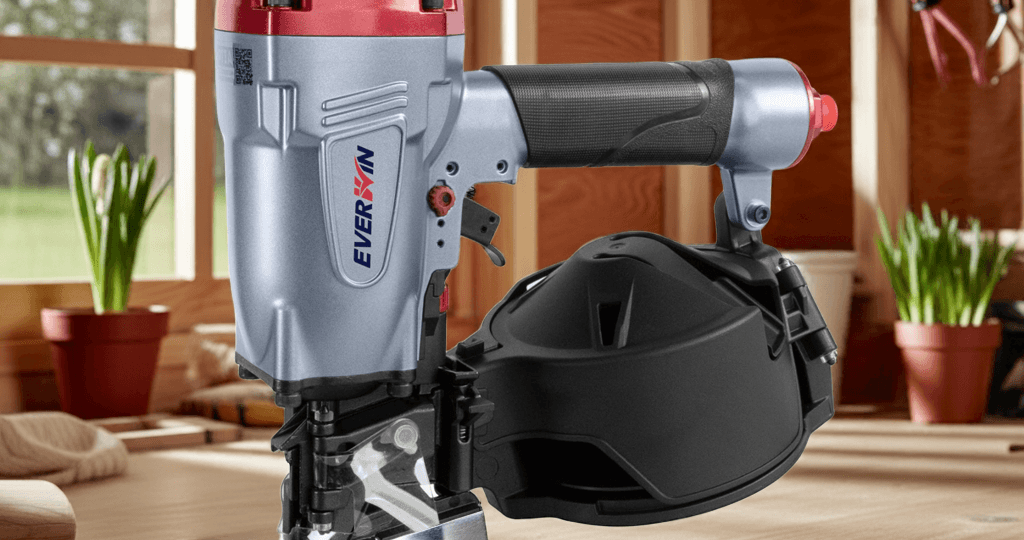
Most modern nail guns have two types of triggers: contact (bump) trigger and sequential trigger. The contact trigger allows rapid firing—just press the tip and hold the trigger. The sequential trigger requires you to press the tip, then the trigger, for each nail.
If the trigger is worn, sticky, or has broken springs, it can fail to reset properly between shots, causing double fires.
Incorrect Air Pressure
Pneumatic nail guns need the right air pressure. If the pressure is too high, the gun can recoil more, bouncing the safety tip and firing a second nail. If the pressure is too low, the gun may misfire or jam.
Safety Contact Tip Issues
The safety contact tip must be pressed against the workpiece to allow firing. If it’s sticky, dirty, or worn, it can bounce or fail to reset, allowing a second nail to fire unintentionally.
User Handling
How you hold and press the nail gun matters. Many beginners hold the tool loosely or press too hard, causing the nose to bounce and fire again.
Nail And Magazine Problems
Using bent, wrong-sized, or low-quality nails can jam the gun or cause double feeds. A dirty or damaged magazine also increases the risk.
How To Fix Nail Gun Double Firing
Let’s get practical. Here are the steps to diagnose and fix double firing in a nail gun.
1. Identify The Trigger Type
Check your nail gun’s manual or label to see if it uses a bump trigger or sequential trigger. If you’re using a bump trigger and don’t need rapid firing, switch to a sequential trigger if possible. This change alone can cut double firing by more than 70%.
2. Inspect And Clean The Safety Contact Tip
Remove the nails and disconnect the tool from air or power. Press the safety tip in and out several times. It should move smoothly, with no sticking. Clean away dust, glue, or debris. If the tip is worn or damaged, replace it.
3. Check And Adjust Air Pressure
Use a gauge to check your air compressor. Most framing nailers need 90–120 PSI. Adjust the pressure to the recommended level. Too much pressure increases bounce and double fires. Too little pressure causes weak firing or jams.
| Nailer Type | Recommended PSI | Risk of Double Firing (High/Low) |
|---|---|---|
| Framing Nailer | 100–120 | High (if above 120) |
| Finish Nailer | 70–110 | Medium |
| Brad Nailer | 60–100 | Low |
4. Test The Trigger Mechanism
With the tool disconnected, pull and release the trigger several times. It should move freely and return quickly each time. If the trigger feels loose, sticky, or slow to return, it may need new springs or parts. Don’t use the gun until it’s repaired.
5. Use Correct Nails And Load Properly
Check the nail size and type recommended for your gun. Only use high-quality, straight nails. Load them properly, and never overfill the magazine.
6. Hold The Gun Correctly
Grip the handle firmly, but don’t force the gun into the workpiece. Keep your wrist straight. Allow the tool to rest on the material. Press the tip, then pull the trigger, especially with a sequential trigger.
7. Replace Worn Parts
If cleaning and adjustments don’t fix the problem, some parts may be worn out. Common replacements include:
- Trigger springs
- Safety tips
- O-rings (for pneumatic guns)
- Internal pistons
Consult your tool’s manual or a repair specialist for part numbers and instructions.
Preventing Nail Gun Double Firing
It’s better to prevent double firing than to fix it after it happens. Here’s how to keep your nail gun safe and reliable.
Regular Maintenance
Clean your nail gun after every use. Oil pneumatic guns as recommended. Store the tool in a dry place to avoid rust and sticky parts.
Choose The Right Trigger
If your gun supports both trigger types, use the sequential trigger for most jobs. Save the bump trigger for speed work on large, flat surfaces with no risk of misfires.
Use Correct Air Pressure
Set your compressor regulator before starting. Check it if you move to a new jobsite or change tools.
Buy Quality Nails
Cheap or wrong-sized nails are a hidden cause of jams and double fires. Buy the best quality you can afford.
Practice Good Technique
Don’t rush. Place the tip, then pull the trigger. Avoid “bouncing” the gun on the workpiece. If you’re tired, take a break.
Inspect Before Each Use
Check the trigger, safety tip, and air hoses (for leaks or damage). A two-minute inspection can save you from hours of frustration or injury.
Credit: www.advancedfasteners.co.uk
Real-world Example: Fixing Double Fires On A Framing Nailer
Mark, a contractor, used a popular pneumatic framing nailer for framing walls. He noticed it started double firing. At first, he thought it was a faulty batch of nails. After cleaning the tool and switching nails, the problem continued. Mark checked the safety tip and found it was slightly bent and sticky with sawdust.
He replaced the tip, oiled the moving parts, and adjusted his air pressure from 130 PSI down to 115 PSI, as recommended. The double fires stopped.
This example shows that double firing is rarely a one-cause problem. It usually takes a few small fixes to solve it.
Comparison: Bump Trigger Vs Sequential Trigger
Understanding the difference between trigger types can help you choose the safest setup.
| Feature | Bump Trigger | Sequential Trigger |
|---|---|---|
| Speed | Very fast | Slower |
| Control | Less | More |
| Double Fire Risk | High | Low |
| Best for | Large, flat work | Precision work |
Credit: www.homedepot.com
Common Mistakes Beginners Make
Even after fixing the tool, some users still struggle with double firing. Here are mistakes to avoid:
- Ignoring air pressure settings: Always check before you start.
- Using bump trigger for all jobs: Switch to sequential for more control.
- Skipping maintenance: Dust and lack of oil cause many problems.
- Using the wrong nails: Check the size and quality every time.
- Pressing too hard or too light: Let the tool do the work.
A non-obvious insight: Don’t assume your nail gun is faulty just because it double fires. Often, a simple adjustment in technique or maintenance can solve the problem.
When To Seek Professional Help
If you’ve cleaned, adjusted, and replaced obvious worn parts and your nail gun still double fires, it may need expert repair. Internal damage or manufacturing defects are rare but possible. Don’t risk injury—take it to a repair center or contact the manufacturer.
Safety Tips For Using Nail Guns
Double firing isn’t just annoying—it’s dangerous. Nail gun injuries send more than 37,000 people to the emergency room each year in the US alone. Protect yourself by:
- Always wearing safety glasses
- Never pointing the tool at yourself or others
- Disconnecting power or air before cleaning or fixing
- Keeping hands away from the firing area
For more safety advice, visit the official OSHA Nail Gun Safety resource.
Frequently Asked Questions
What Is The Main Cause Of Nail Gun Double Firing?
The most common cause is using a bump trigger combined with high air pressure or a sticky safety tip. Tool wear and poor user technique also contribute.
Can I Fix Double Firing Myself Or Do I Need A Professional?
Most double firing problems can be fixed with cleaning, adjusting air pressure, and replacing simple parts. If these don’t work, seek professional repair.
Does Double Firing Damage My Nail Gun?
Occasional double fires won’t damage your tool, but repeated incidents can wear out the trigger and internal parts faster.
Is One Trigger Type Safer Than The Other?
Yes, the sequential trigger is safer for most users and jobs because it reduces the risk of accidental double firing and misfires.
How Often Should I Maintain My Nail Gun To Prevent Double Firing?
Clean and inspect your nail gun after each use. Oil pneumatic models as recommended. Replace worn parts as soon as you notice problems.
A nail gun is a valuable tool, but double firing can turn it into a hazard. By understanding the causes, making careful adjustments, and practicing safe habits, you can fix double firing and enjoy smooth, reliable nailing on every project.
Credit: www.ebay.com
