
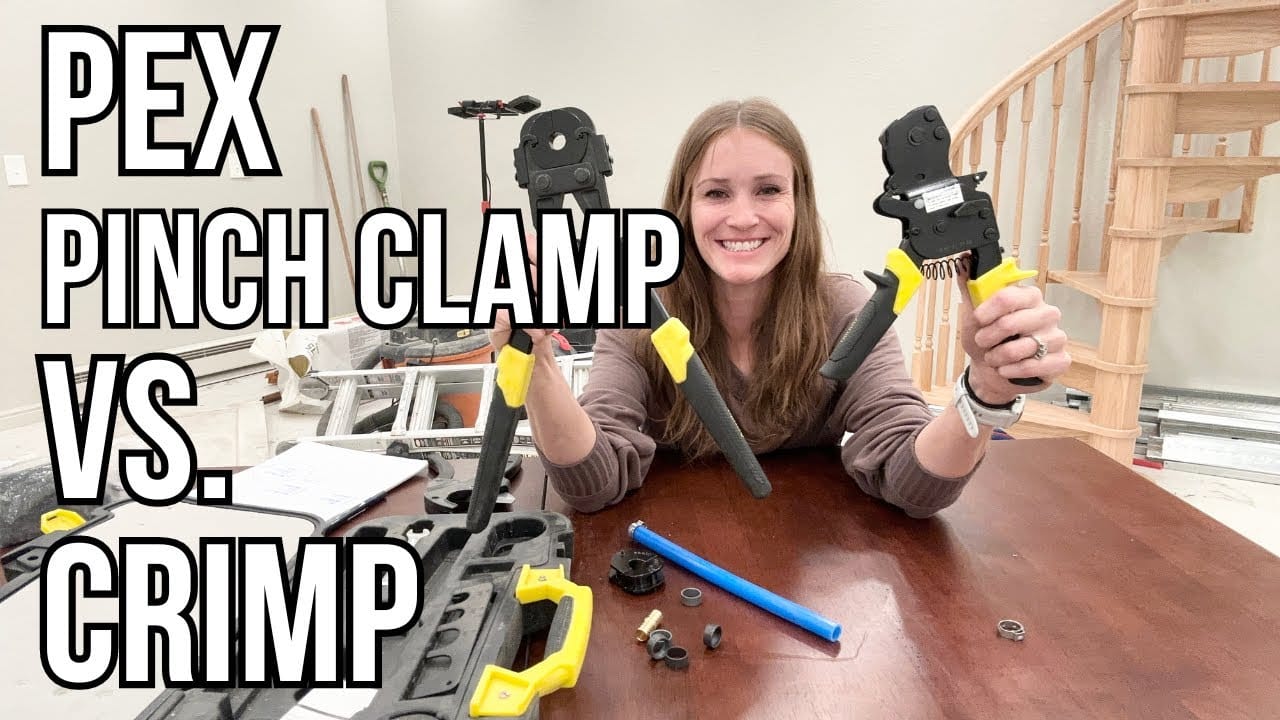
When working with PEX plumbing systems, choosing the right tool can make your project easy—or frustrating. Two of the most common tools for joining PEX pipes are the PEX clamp tool and the PEX crimp tool. Both can make solid, leak-free connections, but they do it in different ways. If you’re a DIYer, plumber, or even a curious homeowner, understanding these tools will help you pick the best one for your needs. This guide will dig deep into their differences, real-world performance, and which situations favor each tool.
What Are Pex Clamp And Crimp Tools?
Before comparing, let’s clarify what each tool does.
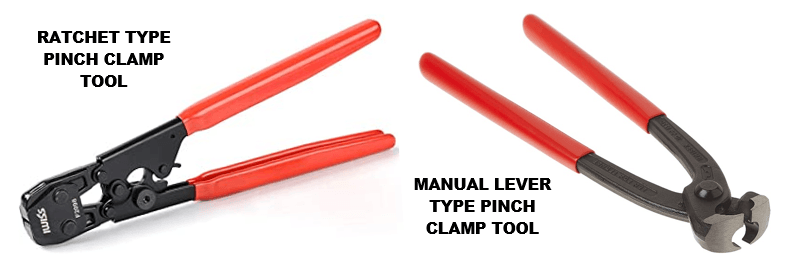
The PEX crimp tool uses copper rings. You slide a ring over the pipe, insert the fitting, and squeeze the tool to “crimp” the ring tightly. This compresses the pipe against the fitting, making a strong seal.
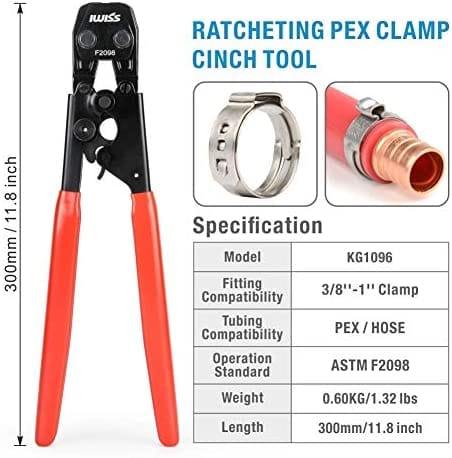
The PEX clamp tool works with stainless steel clamps. You place the clamp over the pipe and fitting, then use the tool to pinch the clamp’s “ear” until it’s tight. The clamp contracts and holds the pipe securely.
Crimp and clamp systems are covered by recognized PEX standards, but approval depends on the specific listed tubing, fittings, rings or clamps, and local code requirements. For example, SharkBite identifies ASTM F1807/F2159 crimp and ASTM F2098 clamp systems and advises checking the local jurisdiction for compliance.
How Each Tool Works
Understanding how these tools operate helps you see why plumbers prefer one over the other in certain situations.
Pex Crimp Tool Operation
- Slide a copper crimp ring onto the pipe.
- Push the pipe onto the fitting until it stops.
- Position the ring 1/8″ to 1/4″ from the pipe’s end.
- Squeeze the crimp tool handles until the jaws close completely.
- Use a go/no-go gauge to check if the crimp is correct.
Pex Clamp Tool Operation
- Slide a stainless steel clamp over the pipe.
- Insert the fitting fully into the pipe.
- Center the clamp’s “ear” over the fitting.
- Squeeze the clamp tool’s handle until the clamp’s ear is fully pinched.
- Visually inspect to confirm the clamp is tight.
Both methods take less than a minute per connection. But in tight spaces or tricky spots, one tool can feel much easier than the other.
Credit: www.youtube.com
Direct Comparison: Clamp Tool Vs Crimp Tool
Let’s see how these tools compare side by side. The table below shows their main differences:
| Feature | Crimp Tool | Clamp Tool |
|---|---|---|
| Ring Material | Copper | Stainless Steel |
| Tool Placement | Requires more space around pipe | Can fit into tighter spots |
| Connection Check | Go/no-go gauge | Visual (fully pinched ear) |
| Corrosion Resistance | Good, but copper can corrode in some water | Excellent (stainless steel) |
| Reusability | Single use | Single use |
| Cost of Rings/Clamps | Usually cheaper | Slightly more expensive |
| Tool Cost | Often lower | Slightly higher |
Strength And Reliability
Both tools create strong connections that meet or exceed plumbing code. But there are small differences in reliability:
- PEX crimp rings: Properly installed, these rarely fail. But if the crimp is not tight enough, leaks can occur. The go/no-go gauge is essential.
- PEX clamps: The visual check is simple. Once the “ear” is flat, the connection is usually good. Stainless steel clamps also resist corrosion better, which can matter in damp environments.
Both methods can make secure connections when the tubing, fitting, ring or clamp, and calibrated tool are compatible and installed according to the manufacturer’s instructions. For SharkBite crimp connections, the finished crimp should be checked with the specified Go/No-Go gauge; clamp connections should be fully compressed and visually checked for the correct closed-ear form.
Which Is Easier To Use?
For beginners, the PEX clamp tool is often easier. Here’s why:
- Clamp tools can be convenient where access is limited, but clamp position still matters. Follow the fitting manufacturer’s specified ring position and fully compress the clamp with a calibrated compatible tool.
- The clamp tool’s head is smaller, so you can fit it between pipes or near walls. This is a big help in tight plumbing runs.
- Visual inspection is simple—no need to use a separate gauge.
But crimp tools aren’t hard to use. Many plumbers like them for their speed, especially on long, straight runs.
Cost: Tool And Fittings
Price matters, especially if you’re buying for a one-time project.
- Crimp tools are often less expensive, with basic models starting around $20–$30.
- Clamp tools may cost $30–$50 for a good brand.
Fittings cost more over time:
- Copper crimp rings are usually cheaper—about $0.10–$0.15 each.
- Stainless steel clamps run $0.20–$0.30 each.
For a whole-house repipe, the price difference can add up. But for a bathroom remodel, the total cost is often under $20 either way.
Durability And Corrosion
Stainless steel clamps have one big edge: they’re almost immune to rust, even in wet or acidic environments. This makes them better for:
- Outdoor plumbing
- Areas with high humidity
- Well water with high mineral content
Copper crimp rings resist corrosion in most tap water, but can degrade faster with acidic or sulfur water. If you’re unsure about your water quality, clamps are the safer bet.
Versatility And Sizing
Both tools come in sizes for common PEX pipes: 3/8″, 1/2″, 3/4″, and 1″. But there’s a catch:
- Crimp tools are usually sized for one pipe size. Need to switch sizes? You’ll need a new tool or interchangeable jaws.
- Clamp tools are often “one-size-fits-all.” One tool can do all PEX pipe sizes—just buy the right size clamp.
This makes clamp tools more versatile for homeowners who might work on different pipe sizes.
Repair And Removal
Mistakes happen. If you need to remove a fitting:
- Both types require cutting off the ring or clamp with a special removal tool or a rotary tool.
- Clamps are sometimes easier to cut off because the ear gives you a clear target.
But remember, once you cut off the ring or clamp, you can’t reuse it.
Common Mistakes With Each Tool
Even experienced plumbers make mistakes. Here’s what to watch for:
- Crimp tool: Not fully closing the jaws or not using a go/no-go gauge can lead to leaks.
- Clamp tool: If the clamp isn’t centered over the fitting, the seal can be weak.
Also, don’t reuse rings or clamps, and always check your connections before covering them up.
Real-world Scenarios: Which Tool Wins?
You’re under a bathroom sink with only a few inches to spare. The clamp tool’s small head fits easily, while the crimp tool might not fit at all.
You’re running 50 feet of straight pipe in a basement ceiling. The crimp tool is faster for repetitive, open work.
If you’re worried about water quality, stainless steel clamps are safer in aggressive water.
If you want the lowest possible project cost, copper crimp rings can save money, especially on large jobs.
Pros And Cons Summary
Here’s a quick comparison to help you decide:
| PEX Crimp Tool | PEX Clamp Tool | |
|---|---|---|
| Pros | – Lower cost for tool and rings – Fast for repetitive work – Widely available | – Easier in tight spaces – One tool for all sizes – Excellent corrosion resistance – Easy visual check |
| Cons | – Tool may not fit tight spots – Separate tool for each size – Need gauge to check | – Clamps cost a bit more – Slightly slower for long runs |
Which Tool Should You Choose?
If you’re a DIY homeowner working on a small project, the clamp tool is usually the simplest and most flexible choice. It’s more forgiving and fits into more spaces.
If you’re a professional plumber installing lots of PEX, the crimp tool’s speed and lower fitting cost can be an advantage.
If you live in an area with aggressive water or high humidity, stainless steel clamps are the safest for long-term durability.
If cost is the top concern and you’re not working in tight spaces, a crimp tool will save you a little money.
Two Insights Beginners Often Miss
- Tool calibration matters: Crimp tools can go out of adjustment over time. If the jaws are worn or loose, every connection could leak. Always check with a go/no-go gauge after every few connections, and adjust the tool as needed.
- Pipe cutting is key: No matter which tool you use, if your PEX pipe isn’t cut square and clean, the fitting may not seal. Use a proper PEX pipe cutter—not a hacksaw or utility knife.
Credit: www.reddit.com
Practical Tips For Success
- Keep the tubing and fittings clean and use them within the manufacturer’s stated installation conditions; do not improvise heating methods unless the tubing manufacturer specifically permits them.
- Always push the pipe fully onto the fitting; partial insertions will leak.
- Label your tools and fittings by size to avoid mix-ups.
- Double-check every connection before turning on the water.
Where To Learn More
For installation details, use the instructions supplied by the manufacturer of your PEX system and verify local code requirements. SharkBite’s current crimp/clamp guidance, for example, specifies a clean square cut, proper tool calibration, correct ring placement, and connection verification.
Credit: blog.boshart.com
Frequently Asked Questions
Can I Use Both Clamp And Crimp Fittings In The Same Plumbing System?
Yes, you can mix clamp and crimp fittings in the same PEX system. Both meet plumbing codes and are compatible with the same PEX pipe and fittings. Just don’t mix and match on a single joint.
Is One Method Better For Outdoor Or Underground Installations?
Stainless steel clamps are better for outdoor or underground installs because they resist corrosion better than copper rings, especially in wet or acidic soil.
Do I Need Special Training To Use These Tools?
No professional license is needed, but reading the tool instructions and watching a few demonstration videos helps. Using a go/no-go gauge for crimp rings and checking clamp tightness visually are key steps.
Can I Reuse Crimp Rings Or Clamps If I Make A Mistake?
No, both crimp rings and clamps are single-use. If you need to redo a connection, cut off the old ring or clamp and use a new one.
What If I Have A Leak After Installing A Fitting?
If you have a leak, first check if the pipe is fully inserted and the ring or clamp is in the right position. If not, you’ll need to cut out the joint and redo it with a new ring or clamp—don’t try to re-crimp or re-clamp the same fitting.
Choosing between a PEX clamp tool and a crimp tool isn’t just about price—it’s about what fits your space, your water, and your skill level. With this guide, you can make connections that last for decades, no matter which tool you choose.