
Plasma Cutter Vs Angle Grinder: Which One Should You Choose?
Every metalworker, DIY enthusiast, and fabricator faces the same classic question: plasma cutter or angle grinder? Both tools cut metal, but they do it in very different ways. If you’re trying to decide which tool fits your needs, it’s important to understand not just how they work, but also their strengths, weaknesses, and the jobs where each shines. Some people buy both, but for most, choosing the right tool means better work and less frustration.
In this guide, we’ll break down the differences between plasma cutters and angle grinders. You’ll learn how each tool operates, what they’re best for, and key factors that matter when choosing. We’ll look at safety, cost, speed, cut quality, and more—plus common mistakes people make when deciding.
By the end, you’ll know exactly which tool to pick for your project, and why.
How Plasma Cutters Work
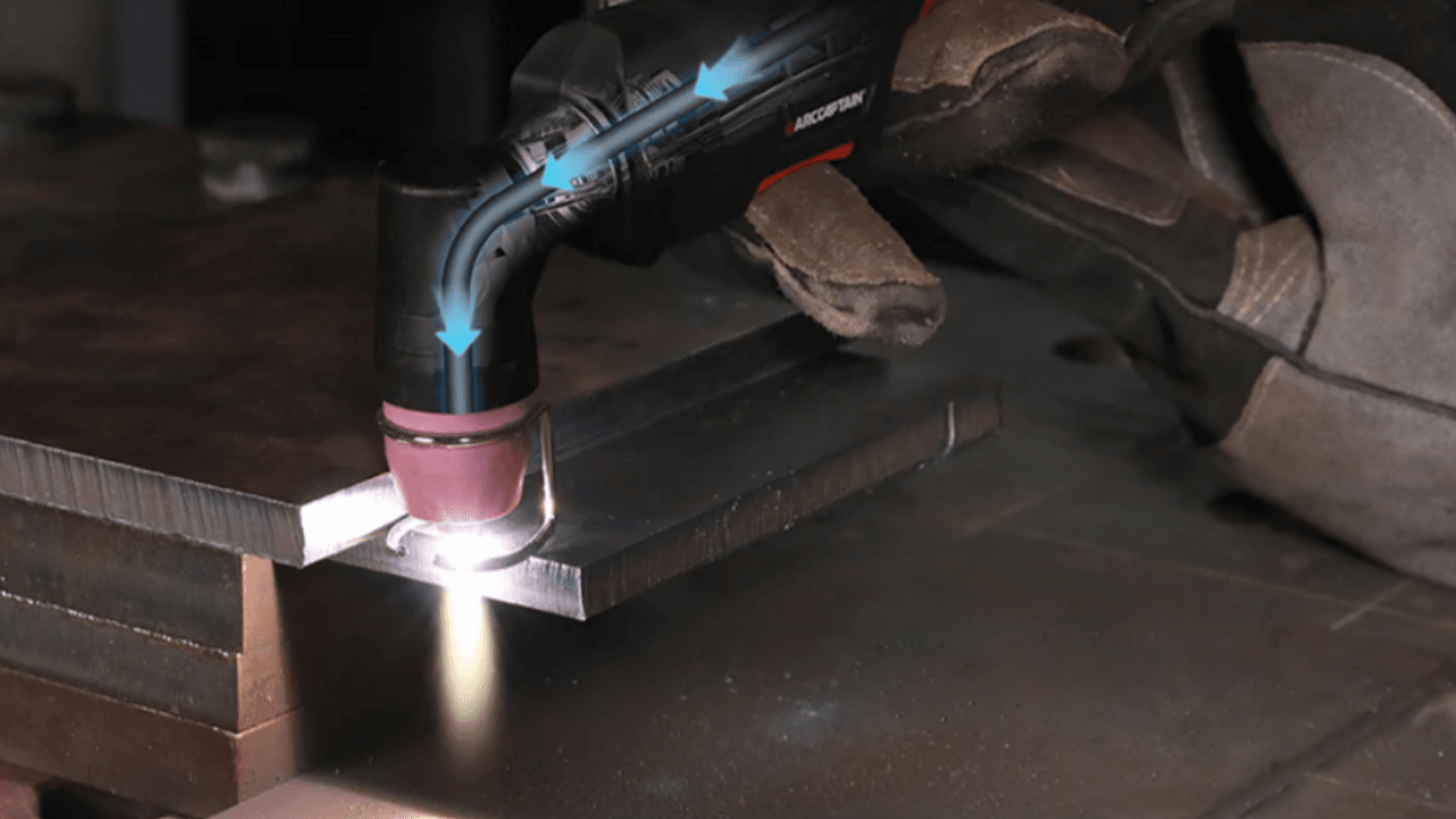
A plasma cutter uses electrical energy to turn compressed air into a super-hot plasma jet. This jet melts metal instantly and blows it away, creating a fast and precise cut. Plasma cutters are popular in automotive repair, industrial fabrication, art, and scrap yards.
The Cutting Process
- Power supply sends energy to a torch.
- Compressed air (or nitrogen) flows through the torch.
- An electric arc forms between an electrode and the metal, heating the gas into plasma.
- The plasma jet cuts through metal, leaving a narrow kerf (cut width).
Key Features
- Can cut steel, aluminum, stainless steel, copper, and more.
- Most models cut metal up to half an inch thick; industrial models go much thicker.
- Creates little warping because the heat is focused.
Example Use
Imagine you need to cut a perfect circle from a car door panel. A plasma cutter allows you to do this quickly, with minimal effort and a smooth edge.
How Angle Grinders Work
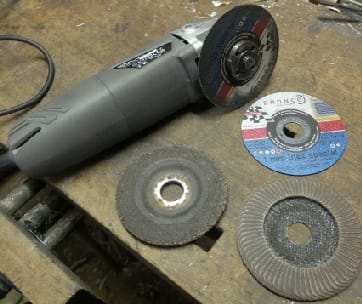
An angle grinder is a handheld tool that uses a spinning abrasive disc to cut, grind, or polish metal and other materials. It’s a staple in construction, welding, and home workshops.
The Cutting Process
- You attach a cutting disc or grinding wheel to the grinder.
- The electric motor spins the disc at high speed (often 10,000 RPM or more).
- You press the disc against the metal, and friction wears away material.
Key Features
- Cuts, grinds, polishes, sharpens, and sands.
- Handles metal, stone, tile, and concrete with the right disc.
- Portable and simple—just plug in and go.
Example Use
If you need to quickly cut rebar at a construction site, an angle grinder is light, fast, and flexible. It’s also handy for cleaning up welds or smoothing sharp edges.
Credit: www.mr-r.co.uk
Plasma Cutter Vs Angle Grinder: The Core Differences
To really compare these tools, let’s look at the areas that matter most to users.
| Feature | Plasma Cutter | Angle Grinder |
|---|---|---|
| Cutting Method | Plasma arc (melts metal) | Abrasive disc (wears away metal) |
| Materials Cut | Conductive metals only | Metal, stone, tile, concrete |
| Typical Thickness Range | Up to 0.5″ (home), 2″ (industrial) | Up to 0.25″ (clean cut) |
| Edge Quality | Smoother, less burr | Rougher, more burr |
| Portability | Less portable (needs air + power) | Very portable (plug and play) |
| Other Uses | Cutting only | Cut, grind, polish, sand |
What Beginners Often Miss
- Plasma cutters need clean, dry compressed air—moisture ruins the torch.
- Angle grinders can cause dangerous sparks and need proper PPE for safety.
Cut Quality And Finish
If you care about how your finished work looks, this section is key.
Plasma Cutter
A plasma cutter leaves a narrow, precise kerf with minimal burrs. The cut edge is usually clean enough for welding with little extra work. There’s less heat spread, so thin metals don’t warp as easily.
Angle Grinder
Grinder cuts are rougher. The disc can leave burrs, discoloration, and sharp edges. You’ll often need to grind or file the edge after cutting if appearance matters. On thin metals, the heat and friction can easily deform the workpiece.
When Quality Matters
If you’re making parts for a car, sculpture, or custom fabrication, plasma wins for finish. For rough demolition or quick, dirty jobs, the grinder is fine.
Speed And Efficiency
How fast do you want to work? Here’s how the tools compare.
| Task | Plasma Cutter | Angle Grinder |
|---|---|---|
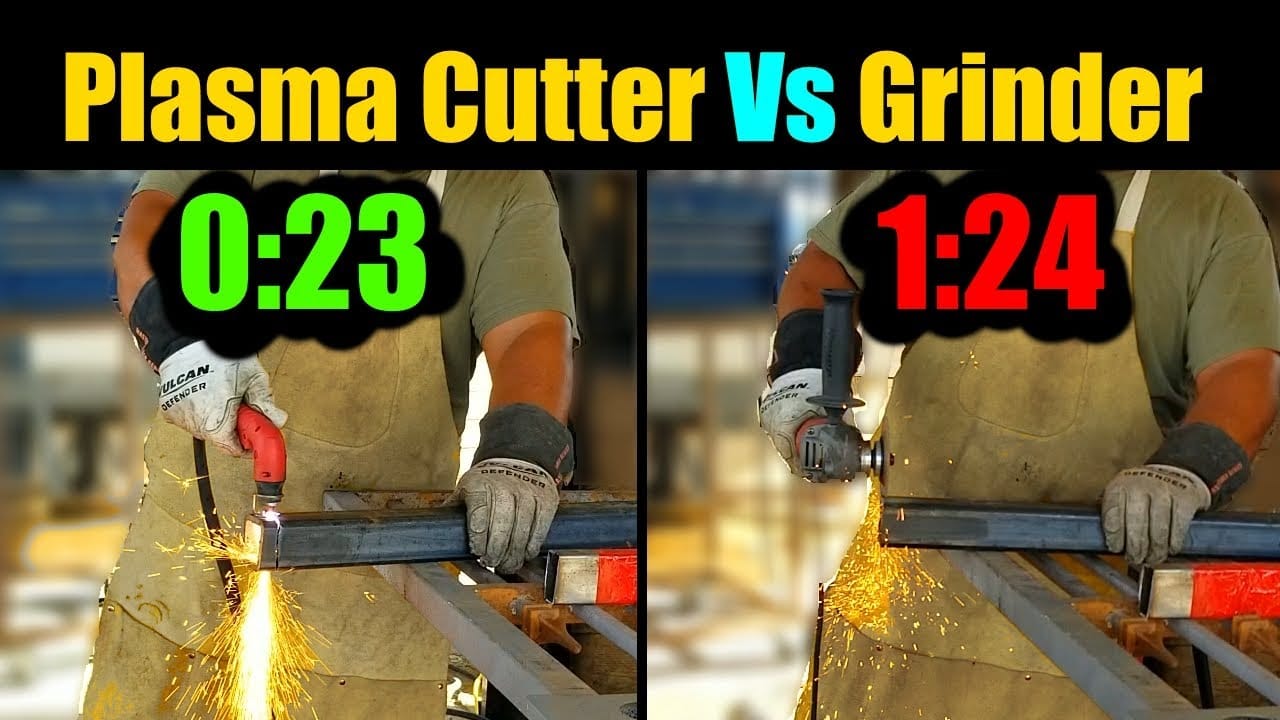
| Cutting Sheet Metal | Very fast, minimal effort | Moderate speed, some effort |
| Cutting Thick Plate | Fast (if within capacity) | Slow, often struggles |
| Cutting in Tight Spaces | Challenging (torch size) | Easier (compact) |
Not-so-obvious Insight
- Plasma cutters can cut intricate shapes (curves, holes) much more easily.
- Grinders are better for quick access in awkward places, like cutting a bolt flush.
Versatility And Usability
Both tools do more than just cut—but in very different ways.
Plasma Cutter
- Specialized tool: Only cuts conductive metal.
- Can’t grind, sand, or polish.
- Needs a steady hand and sometimes a guide for straight lines.
Angle Grinder
- Multi-purpose: Cuts, grinds, sands, polishes, and even removes rust or paint.
- Works on many materials.
- With the right disc, can handle dozens of tasks around the shop.
Real-world Scenario
A home user who only occasionally cuts metal probably gets more use from an angle grinder. A professional fabricator who needs clean, fast cuts every day will prefer a plasma cutter.
Cost Comparison
Let’s talk money—because budget matters for most people.
Upfront Cost
- Plasma cutters: Entry-level units start around $250–$400. Higher-end, high-amperage models can be $1,000 or more. You also need an air compressor (another $100+).
- Angle grinders: A good grinder costs $40–$150. Discs are cheap and widely available.
Operating Costs
- Plasma cutter: Uses electricity, compressed air, and consumables (electrodes, tips).
- Angle grinder: Mainly disc replacements, which are inexpensive.
Long-term Value
Plasma cutters cost more, but if you cut a lot of metal, you save time and get better results. For occasional users, the grinder is hard to beat for price and flexibility.
Safety Considerations
Both tools can be dangerous if not used correctly.
Plasma Cutter
- Generates intense light, heat, and fumes—always wear eye and skin protection.
- Needs good ventilation.
- Risk of electric shock if equipment is wet or damaged.
Angle Grinder
- Throws off sparks and metal shards—goggles and gloves are a must.
- Discs can shatter—never use a cracked or worn disc.
- Loud: Hearing protection is recommended.
A Surprising Fact
Many injuries with grinders happen from kickback when the disc catches. Keep a firm grip and don’t force the tool.
For detailed safety standards, you can check the OSHA PPE guidelines.
Credit: www.arccaptain.com
Common Mistakes When Choosing
Even experienced users sometimes get this wrong:
- Ignoring air requirements: Plasma cutters need a good compressor. Small, noisy ones can’t keep up.
- Overestimating grinder power: Many try to cut thick steel with a small grinder and burn out the motor.
- Using the wrong disc: Not all grinder discs cut metal—some are for stone or wood.
- Skipping PPE: Both tools can cause severe injuries if safety gear is ignored.
- Expecting perfect cuts from a grinder: For fine work, an angle grinder rarely delivers a clean edge.
Which Tool Is Right For You?
Here’s a quick guide based on your needs:
- Choose a plasma cutter if:
- You need fast, precise cuts in metal.
- You work with thick or exotic metals.
- You want minimal clean-up after cutting.
- Choose an angle grinder if:
- You want an all-purpose tool for cutting, grinding, and more.
- You work in different locations and need portability.
- Your budget is limited, or you only cut metal occasionally.
It’s not unusual for professionals to own both. For most home users, start with an angle grinder and upgrade if your projects demand more.
Practical Tips For Better Results
- With a plasma cutter, always check your air filter and moisture trap. Clean, dry air extends the life of your torch parts.
- Mark cut lines clearly and use a straight edge or guide if possible.
- With an angle grinder, let the tool do the work. Forcing it slows the cut and wears out discs faster.
- Always check your disc’s maximum RPM and never exceed it.
- Practice on scrap before cutting your actual workpiece.
Frequently Asked Questions
Can A Plasma Cutter Cut Through Rusted Or Painted Metal?
Yes, a plasma cutter can slice through most rust and paint. However, thick rust or heavy paint can reduce cut quality and wear out torch parts faster. For best results, clean the metal where you’ll start the cut.
Is An Angle Grinder Good For Cutting Stainless Steel?
Yes, with the right disc (like a thin cutoff wheel for metal), an angle grinder can cut stainless steel. However, the edge will be rougher than a plasma cut and may need finishing.
How Thick Can A Plasma Cutter Cut?
Entry-level plasma cutters handle up to 1/4″ to 1/2″ steel. Industrial models can cut up to 2″ thick. Always check your machine’s specs.
Do Plasma Cutters Work On Aluminum?
Yes, plasma cutters work well on aluminum, as long as it’s thick enough (usually over 1/8″). Thin aluminum may warp due to heat, so practice helps.
What Safety Gear Should I Wear With These Tools?
For plasma cutters: wear a welding helmet or shield, gloves, flame-resistant clothing, and good ventilation. For grinders: safety goggles or a face shield, gloves, ear protection, and long sleeves.
Choosing between a plasma cutter and an angle grinder comes down to your work style, needs, and budget. Both are valuable tools, but knowing their strengths helps you make a smart investment. Whether you’re cutting heavy steel or making quick repairs, the right tool makes all the difference.
Credit: www.youtube.com