
A table saw is one of the most useful and powerful tools in woodworking. It can make cuts quickly and accurately. But, it is also one of the most dangerous if not used with care. Each year, thousands of injuries happen because of table saw accidents. Many of these can be prevented with the right habits, equipment, and awareness.
Before you even turn on your saw, it’s important to learn and follow safety rules. This article will give you complete, practical advice. You’ll find not only common tips but also some details that most beginners overlook. Whether you’re a hobbyist, a student, or a professional, these table saw safety tips will help you work smarter and safer.
Why Table Saw Safety Matters
Table saws cut wood using a fast-spinning blade. This blade can spin at 3,000 to 4,000 revolutions per minute. Even a small mistake can cause severe injuries, like deep cuts, loss of fingers, or worse. According to the U. S.
Consumer Product Safety Commission, over 30,000 table saw injuries are treated in hospitals every year. Most of these injuries happen to hands and fingers.
But it’s not just about your hands. Table saws can also throw wood back toward you (kickback), send sharp splinters flying, or cause fires if not used correctly. Good safety habits are not just for beginners—many accidents happen to experienced users who get comfortable and skip steps.
Essential Personal Protection
The first step in safety is to protect your body. Here’s what you need to wear and why each item matters:
- Safety glasses: Wood chips and dust can fly up and hit your eyes at any time. Always wear quality glasses that cover the sides of your eyes.
- Hearing protection: Table saws are loud, and long use can damage your hearing. Use earmuffs or earplugs.
- Proper clothing: Avoid loose sleeves, jewelry, or hanging strings. These can get caught in the blade. Wear fitted clothes and tie back long hair.
- Dust mask or respirator: Fine sawdust can harm your lungs, especially if you cut MDF, treated wood, or plywood. A dust mask helps protect your breathing.
- Non-slip shoes: A stable stance prevents slips. Use shoes with good grip, especially if your floor gets dusty.
Wearing the right gear is a simple habit, but many skip it when in a hurry. Don’t make that mistake.
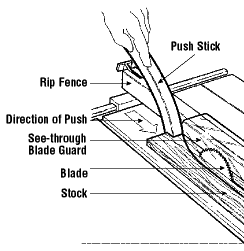
Credit: www.ccohs.ca
Preparing Your Workspace
Before you start cutting, your work area must be clean and organized. This reduces distractions and accidents.
- Clear the floor: Remove any offcuts, cords, or debris around the saw. A clean floor means fewer tripping hazards.
- Good lighting: Shadows can hide your workpiece or your hands. Use bright, even lighting above your saw.
- Table extension/support: If you cut large panels or long boards, use rollers or extra tables to support the wood. Letting wood hang can cause tipping or dangerous kickback.
- Check emergency access: Always know where your power switch and emergency stop are. You should be able to turn off the saw without reaching across the blade.
Here’s a quick comparison of workspace setups for safety:
| Workspace Feature | Unsafe Setup | Safe Setup |
|---|---|---|
| Floor Cleanliness | Wood scraps, cords, dust piles | Clean, clear, dry |
| Lighting | Shadows, dim light | Bright, no shadows |
| Material Support | Boards hang off table | Extra supports or rollers |
Setting Up Your Table Saw
Correct setup prevents many problems before you even start cutting.
- Check the blade: Inspect for cracks, missing teeth, or buildup. A damaged blade is more likely to break or bind.
- Blade height: Set the blade so it just clears the wood, about 1/4 inch above the material. This reduces injury risk and improves cut quality.
- Blade guard: Always use the blade guard unless the cut makes it impossible (like dado cuts). Most accidents happen when the guard is removed.
- Riving knife or splitter: These prevent the wood from pinching the blade and causing kickback. Make sure it’s installed and aligned.
- Fence alignment: The rip fence must be exactly parallel to the blade. If it’s not, the wood can bind and kick back.
- Miter gauge: Use a proper miter gauge for crosscuts. Never use the fence together with the miter gauge for the same cut—this can trap the wood and cause kickback.
Here’s a table comparing common safety devices:
| Device | Main Purpose | When to Use |
|---|---|---|
| Blade Guard | Shields hands from blade and debris | All standard cuts |
| Riving Knife | Prevents wood pinching/blade binding | Rip cuts, most other cuts |
| Anti-Kickback Pawls | Stops wood from kicking back at you | When rip cutting |
| Push Stick | Keeps hands away from blade | Cutting narrow pieces |
Many beginners ignore these devices because they slow down work. But using them is faster than recovering from an injury.
Safe Operating Habits
How you use the table saw is as important as the setup. These habits protect you every time you cut.
- Stand to the side: Never stand directly in line with the blade. If kickback happens, you won’t be hit by the wood.
- Firm grip, but don’t force: Hold the wood firmly, but don’t push too hard. Let the blade do the work.
- Feed at steady speed: Fast feeding can cause binding; too slow can burn the wood.
- Never reach over the blade: If you need to clear offcuts, turn off the saw and wait for the blade to stop.
- Use push sticks or push blocks: When cutting pieces less than 6 inches wide, always use a push stick to keep hands safe.
- Don’t remove small pieces while blade spins: Wait for the blade to stop fully before clearing scraps near the blade.
- Keep focus: Never use a table saw if you’re tired, distracted, or rushed. Accidents happen in seconds.
- Check for nails and metal: Inspect wood for nails, screws, or staples before cutting. Metal can break blades and cause injury.
A less obvious tip: Don’t use gloves. While it sounds safer, gloves can catch on the blade and pull your hand in. Use bare hands for better control and feel.
Avoiding Kickback
Kickback is when the saw throws the wood back at you, often at high speed. It’s the most common cause of serious table saw injuries.
- Use a riving knife or splitter: Keeps wood from closing and pinching the blade.
- Keep fence parallel: Misaligned fences cause binding and kickback.
- Don’t release wood early: Always push the wood past the blade before letting go.
- Don’t cut warped or twisted boards: These can move unpredictably and bind.
- Use featherboards: These hold the wood firmly against the fence and table, reducing movement.
- Stand aside: If kickback happens, you’ll be out of the path.
Many new users think kickback is just about using too much force. But small setup mistakes or using the wrong wood are often the real cause.
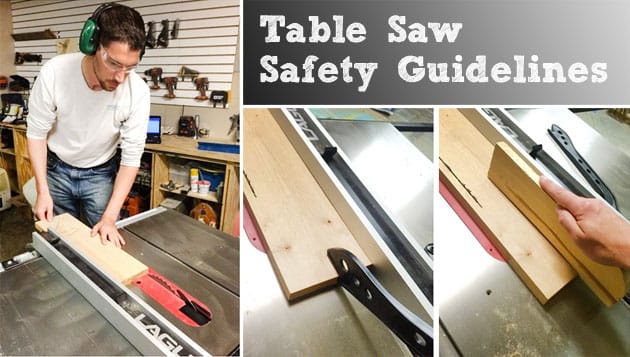
Credit: prettyhandygirl.com
Common Table Saw Mistakes To Avoid
- Removing safety devices: Some think blade guards and riving knives get in the way. But removing them increases risk, even for a single cut.
- Reaching over the blade: Even if the blade looks stopped, it can spin for a few seconds after power-off.
- Making adjustments while running: Never adjust fences, blades, or gauges unless the saw is off and unplugged.
- Using wrong blade: Blades have types—crosscut, rip, combination. Using the wrong one can cause bad cuts or dangerous binding.
- Improperly supported workpieces: Long boards need extra support, or they can tip and twist.
- Starting with wood touching the blade: Always start with the blade clear. If the wood is already touching, the saw can kick or stall.
Maintenance And Inspection
A well-maintained saw is a safe saw. Here’s what to check regularly:
- Blade sharpness: Dull blades are more dangerous. Replace or sharpen regularly.
- Alignment: Check that the blade, fence, and miter slot are perfectly parallel. Even a small misalignment increases risk.
- Power cord and switch: Inspect for fraying or damage.
- Dust collection: Too much sawdust can catch fire or hide hazards. Empty your dust bag or system often.
- Lubrication: Moving parts should be smooth. Stiff fences or miter gauges can make you force cuts, which is unsafe.
Don’t skip these checks. Many accidents happen because people trust their saw is “fine” without looking.
Advanced Safety Features
Modern table saws may have extra safety features. Some are worth considering if you plan to use your saw often.
- Flesh-sensing technology: Some saws (like SawStop) detect when skin touches the blade and stop instantly. These can prevent serious injuries.
- Magnetic switches: Prevent the saw from restarting automatically after a power loss.
- Electric brakes: Stop the blade quickly after turning off the saw.
- Better dust collection: Reduces risk of respiratory problems and fire.
While these features add cost, they provide extra protection, especially in schools, shared shops, or for frequent users.
Teaching And Supervising Others
If you work with others, or teach beginners, safety habits must be shared and checked.
- Demonstrate safe use: Show every new user how to start, cut, and shut down the saw.
- Supervise first cuts: Be present when someone tries the saw for the first time.
- Post reminders: Hang simple safety rules near the saw where everyone can see.
- Review incidents: If something goes wrong, discuss why and how to avoid it next time.
A strong safety culture prevents accidents, even with experienced users.
Table Saw Safety: At A Glance
Here’s a summary table to help you quickly remember key safety tips:
| Tip | What It Prevents |
|---|---|
| Wear safety glasses | Eye injury from debris |
| Use push stick | Hand injury, finger loss |
| Stand to side | Kickback impact |
| Check blade height | Accidental deep cuts |
| Keep fence parallel | Kickback, binding |
| Never rush | Mistakes, accidents |
Frequently Asked Questions
What Is The Most Common Table Saw Injury?
The most common injury is a laceration or cut to the fingers or hand. These often happen when hands get too close to the blade, or during kickback events. Wearing safety gear and using push sticks helps reduce this risk.
Can I Use A Table Saw Without The Blade Guard?
It is strongly recommended to keep the blade guard in place. Only remove it for special cuts (like dadoes) and put it back as soon as possible. The guard protects your hands from the blade and flying debris.
What Should I Do If Wood Gets Stuck In The Blade?
First, turn off and unplug the saw. Wait until the blade has stopped completely. Then, carefully remove the stuck wood. Never try to free jammed wood while the saw is running.
Is It Safe To Cut Plywood And Mdf On A Table Saw?
Yes, but always wear a dust mask or respirator. Plywood and MDF create lots of fine dust, which is bad for your lungs. Use proper support to prevent large sheets from tipping or binding.
Where Can I Learn More About Table Saw Safety?
You can learn more from the Occupational Safety and Health Administration (OSHA), which gives detailed guidelines and safety standards for woodworking tools.
Staying safe with a table saw is about habits, not just knowledge. Review these tips often, stay alert, and teach others. With care and respect for your tools, you can enjoy woodworking for many years without injury.
:max_bytes(150000):strip_icc()/333_1_1-ab097b936f0145b0990cf91cdab713bf.jpg)
Credit: www.woodmagazine.com
