
Welding can build bridges, cars, and skyscrapers, but it also creates invisible risks. Every time a welding torch sparks, it produces fumes—tiny, airborne particles and gases. Breathing these fumes can harm your health, both in the short and long term.
Many welders ignore this danger, thinking a little smoke is harmless or that a mask is enough. In reality, good welding fume safety involves much more than just covering your face. Understanding what’s in welding fumes, how they affect your body, and how to control exposure can make the difference between a safe job and serious illness.
This guide explains everything you need to know to keep yourself and your co-workers protected from welding fumes—without complicated words or confusing advice.
What Are Welding Fumes?
Welding fumes are a mix of tiny solid particles and gases released during the welding process. These fumes come from the base metal, filler material, and any surface coatings like paint or oil. The exact content of the fume depends on the welding method and materials used.
For example, when welding stainless steel, the fumes can contain chromium and nickel. Aluminum welding produces aluminum oxide. If you’re welding galvanized steel, you’ll get zinc oxide. The gases often found in welding fumes include ozone, nitrogen oxides, and carbon monoxide. Many of these substances are toxic, and some—like hexavalent chromium—are classified as cancer-causing.
A surprising fact is that most fume particles are less than 1 micrometer in size. This means they can go deep into your lungs, where the body has a hard time removing them.
Health Risks Of Welding Fumes
Breathing welding fumes can harm your health in several ways. The effects depend on what’s in the fume, how much you breathe, and for how long.
Short-term Effects
- Irritation: Eyes, nose, and throat may feel sore or itchy.
- Metal Fume Fever: Breathing zinc oxide, often from galvanized steel, can cause flu-like symptoms—fever, chills, nausea—usually a few hours after welding.
- Dizziness and Nausea: Some fumes, such as carbon monoxide, reduce oxygen to your brain.
Long-term Effects
- Lung Disease: Repeated exposure can cause bronchitis, asthma, and even permanent lung damage.
- Cancer: Certain metals like chromium and nickel increase the risk of lung cancer.
- Nerve and Brain Damage: Manganese, found in some welding rods, can affect the nervous system.
- Heart Disease: Studies show welders are more likely to develop heart problems compared to non-welders.
According to the World Health Organization, welders have a 40% higher risk of lung cancer than the general population. This risk can be much higher when safety steps are ignored.

Credit: www.weldingandwelder.com
Key Welding Processes And Their Fume Hazards
Not all welding methods are equally dangerous. Some create more fumes or more toxic gases than others.
| Welding Process | Fume Generation | Main Hazards |
|---|---|---|
| Shielded Metal Arc (Stick) | High | Manganese, iron oxide, ozone |
| Flux-Cored Arc | Very High | Chromium, nickel, zinc oxide |
| Gas Metal Arc (MIG) | Medium | Ozone, nitrogen oxides |
| Gas Tungsten Arc (TIG) | Low | Ozone, UV radiation |
| Plasma Cutting | Very High | Metal oxides, ozone |
The key insight here is that low-fume methods like TIG are not “safe” if you weld coated or painted metals—dangerous gases can still form.
Legal Exposure Limits And Standards
Every country sets exposure limits for welding fumes and specific metals. These limits are measured in milligrams per cubic meter (mg/m³) over an 8-hour workday.
| Substance | OSHA Limit (mg/m³) | ACGIH Limit (mg/m³) |
|---|---|---|
| Total Welding Fume | 5 | 5 |
| Manganese | 5 (ceiling) | 0.02 (respirable) |
| Hexavalent Chromium | 0.005 | 0.0002 |
| Nitrogen Dioxide | 9 | 0.2 |
It’s important to know that legal limits do not guarantee safety. Sensitive people may get sick even below these levels, so always aim for the lowest exposure possible.
Credit: meritusgas.com
How To Control Welding Fume Exposure
Reducing your risk starts with the right controls. There are three main ways to protect yourself:
1. Elimination And Substitution
- Use low-fume materials: Choose welding rods or wires that produce less toxic fumes.
- Remove coatings: Clean paint, oil, and plating from the metal before welding.
- Switch to safer processes: If possible, use TIG welding instead of stick or flux-cored arc welding for less fume.
2. Engineering Controls
The best way to control fumes is to keep them out of your breathing zone.
- Local Exhaust Ventilation (LEV): Place extraction hoods or arms close to the welding area to suck up fumes.
- General Ventilation: Use fans and open doors to move fresh air in and fumes out.
- Isolation: Use barriers or enclosures to separate the welding area from other workers.
A common mistake is placing the fume extractor too far from the work, which greatly reduces its effectiveness. The nozzle should be 10–15 centimeters from the arc.
3. Personal Protective Equipment (ppe)
When other controls can’t eliminate the risk, wear respiratory protection.
- Disposable masks: Only use certified respirators (like N95 or P100), not simple dust masks.
- Powered Air-Purifying Respirators (PAPR): These provide more protection for heavy fume jobs.
- Welding helmets: Some models include built-in fume filters.
Never trust a surgical mask or simple cloth to block welding fumes—they are not designed for these hazards.
Proper Work Practices For Fume Safety
Good habits are as important as equipment. Here’s what you should always do:
- Position yourself upwind of the fume—let the air push smoke away from your face.
- Take regular breaks in a clean air area, especially during long shifts.
- Check and clean your PPE after every use. Dirty filters don’t protect you.
- Never weld in confined spaces without ventilation. Fumes and gases can build up quickly.
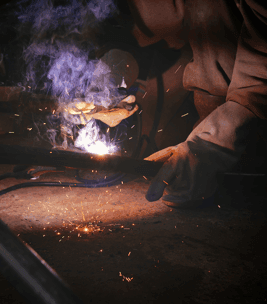
- Keep your face out of the fume plume. Even leaning just a few centimeters can make a big difference.
A non-obvious tip: If you smell a sweet or metallic odor, that often means you’re breathing too much fume—move and adjust your controls immediately.
Credit: blog.fumextractors.com
Monitoring And Maintenance
Safe welding is not a one-time effort. You need to check your controls regularly.
- Air monitoring: Use air sampling pumps or direct-reading meters to measure fume levels in the work area.
- Ventilation check: Inspect and maintain fans, filters, and extraction arms at least every month.
- Health monitoring: See a doctor for regular lung function tests if you weld often.
- Record keeping: Log all maintenance and air test results. This helps spot problems before they get serious.
One insight beginners often miss: ventilation systems lose efficiency as dust and particles build up. Even a 10% blockage can dramatically increase your risk.
Training And Emergency Preparation
Everyone involved in welding should be trained to:
- Recognize fume hazards
- Use controls and PPE correctly
- Respond to symptoms like dizziness, coughing, or chest pain
Always have an emergency plan. In case of a fume-related incident:
- Move the person to fresh air immediately.
- Call for medical help if symptoms are severe or don’t improve.
- Never send someone back to welding if they still feel unwell.
Common Welding Fume Safety Mistakes
Even experienced welders can make errors that increase risk. Here are some to avoid:
- Ignoring warning signs: Never dismiss feeling unwell or short of breath.
- Using the wrong mask: Only certified respirators protect against fume particles and gases.
- Relying on general ventilation only: Fans are not enough for most welding jobs.
- Not removing coatings: Burning paint and oil can produce deadly fumes.
- Skipping maintenance: Old or clogged extraction equipment is almost useless.
Special Considerations For Different Environments
Confined Spaces
Welding in tanks, pits, or small rooms is much more dangerous. Fumes can build up fast, and oxygen levels can drop. Always:
- Use forced-air ventilation.
- Test air quality before and during welding.
- Have a trained standby person outside, ready to help.
Outdoor Welding
While outdoor air helps, wind can blow fumes back toward you or other workers. Always check wind direction, and never weld near open windows or air intakes.
Welding At Height
Fume extractors can be hard to use on scaffolds or platforms. Use portable extraction units and wear powered respirators for extra safety.
Real-world Example
A welder in a shipyard was working in a large steel tank. He thought the space was big enough for fumes to escape. After two hours, he felt dizzy and vomited. The ventilation fan’s filter was clogged, and the air inside had high levels of nitrogen oxides. After being moved to fresh air, he recovered, but the incident could have been fatal. The lesson: always check your controls, even if the space looks safe.
Resources For More Information
For more details, safety standards, and updated research, check the official information from the U.S. Occupational Safety and Health Administration (OSHA).
Frequently Asked Questions
What Is The Most Dangerous Part Of Welding Fumes?
The most dangerous components are hexavalent chromium, nickel, and manganese. These can cause cancer, lung disease, and nerve damage if inhaled regularly.
How Can I Tell If My Mask Is Protecting Me From Fumes?
Only masks rated for particulate and gas filtration (like N95, P100, or PAPR) will protect you from welding fumes. Cloth or surgical masks are not enough. If you can smell or taste metal, you need better protection.
Is Welding Outside Always Safe From Fumes?
No. Wind can blow fumes back toward you or others. Always check wind direction and use portable extraction if possible.
How Often Should Ventilation Systems Be Checked?
Inspect and clean ventilation systems at least once a month. If you notice reduced airflow or see dust buildup, clean immediately.
What Should I Do If I Feel Sick While Welding?
Stop work right away, move to fresh air, and tell your supervisor. If symptoms are severe or do not improve, seek medical attention immediately.
Staying safe from welding fumes is not just about following rules—it’s about building good habits and always being aware of the risks around you. With the right knowledge and actions, you can enjoy a long, healthy career in welding.