
When you step into a hardware store or browse online for a circular saw, you’ll notice two main types: worm drive and sidewinder. At first glance, they might look similar, but each type has its own strengths, weaknesses, and ideal uses. If you’re a DIYer, construction worker, or someone who just wants to buy the right saw for your needs, understanding the difference matters. Let’s break down what sets them apart, why it matters, and how to choose the best fit for your projects.
What Is A Circular Saw?
A circular saw is a power tool that uses a rotating round blade to cut wood, metal, plastic, and more. It’s popular for its speed, straight cuts, and portability. Most circular saws are handheld, making them a common tool for framing, carpentry, and home repairs.
But the way the motor connects to the blade creates the biggest difference between types. This is where worm drive and sidewinder saws come in.
Understanding Worm Drive Circular Saws
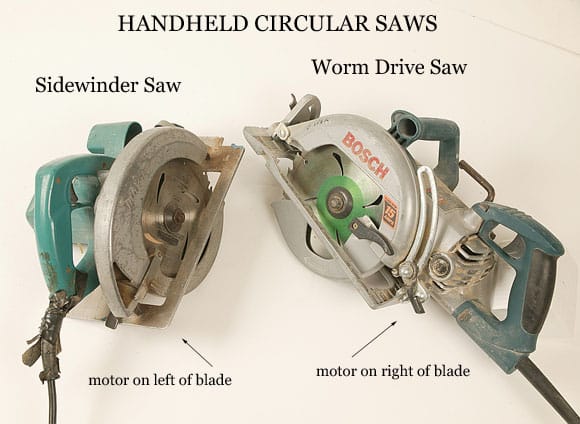
A worm drive saw uses a set of gears (called worm gears) to transfer power from the motor to the blade. The motor sits in line with the blade, at the rear of the saw. This design has a few important effects:
- More torque: Worm gears create more twisting force, so the blade can handle tougher, thicker materials.
- Slower blade speed: The blade turns slower (around 4,000–4,500 RPM), but with more power.
- Longer body: The saw is longer from front to back, making it look “stretched out.”
Worm drive saws have a history in professional construction, especially for framing houses and cutting thick lumber. The extra torque makes them popular for heavy-duty jobs.
Key Features Of Worm Drive Saws
- Blade position: On the left side of the motor (for most right-handed users, this gives a clear view of the cut line)
- Weight: Usually heavier (13–16 lbs)
- Maintenance: Needs oil for gears (must check and refill occasionally)
- Noise: Tends to be louder than sidewinders
When To Choose A Worm Drive
- Cutting wet or thick lumber
- Long straight cuts in framing work
- Jobs that need extra power and torque
- When you want a clear line of sight to the blade (for right-handed users)
What Is A Sidewinder Circular Saw?
The sidewinder (sometimes called a “direct drive” saw) puts the motor next to the blade, not behind it. The motor is connected directly to the blade with gears that spin faster but with less torque.
- Higher blade speed: Spins at 5,000–6,000 RPM, cutting quickly through soft materials
- Compact design: The saw is shorter and lighter, making it easier to handle
- Motor position: Sits beside the blade, making the tool more balanced
Sidewinders are the most common circular saw for home use and general carpentry. They’re easy to use, require less maintenance, and are usually cheaper.
Key Features Of Sidewinder Saws
- Blade position: On the right side of the motor (for most right-handed users, the cut line is partly blocked, but not a big issue for most tasks)
- Weight: Lighter (8–10 lbs)
- Maintenance: No oiling needed
- Noise: Quieter compared to worm drives
When To Choose A Sidewinder
- Cutting plywood, MDF, or softwood
- Overhead cuts or ladder work (lighter weight helps)
- DIY and general carpentry
- If you want a lower price and less maintenance
Side-by-side Comparison
To see the main differences between worm drive and sidewinder circular saws, compare these key points:
| Feature | Worm Drive | Sidewinder |
|---|---|---|
| Motor Position | Behind blade (in-line) | Beside blade (side-mounted) |
| Blade Speed (RPM) | 4,000–4,500 | 5,000–6,000 |
| Torque | High | Medium |
| Weight | Heavier (13–16 lbs) | Lighter (8–10 lbs) |
| Maintenance | Needs oil | Low/no oiling |
| Cost | Higher | Lower |
| Best for | Framing, thick lumber | Plywood, general use |
Credit: charlesandhudson.com
Real-world Performance: Cutting Tests
Many tool reviewers compare these saws by making the same cuts in different materials. Here’s how they perform:
| Material | Worm Drive (Speed & Quality) | Sidewinder (Speed & Quality) |
|---|---|---|
| 2×4 Framing Lumber | Slower, very smooth; no bogging down | Faster, but can slow in knots/thick spots |
| Plywood | Steady, but heavy to lift repeatedly | Quick, easy to maneuver |
| Wet/Pressure-Treated Wood | Handles easily, no blade stall | Possible stalls, slower in thick wood |
Insight: For most home projects, sidewinders are fast and easy. But when you need pure cutting power, worm drives win.
Safety And Ease Of Use
Safety should always come first. Both saw types are dangerous if used incorrectly, but there are small differences to consider.
- Worm drive saws are heavier, which can reduce kickback (the tool jumping back toward you). However, their weight can cause fatigue, which is risky during long jobs.
- Sidewinders are lighter and easier to control overhead or on ladders. But their higher speed means you should be careful to avoid binding or twisting the blade.
Extra tip: Always wear eye and ear protection. Both types are loud and throw sawdust.
Durability And Maintenance
- Worm drive saws last longer under heavy use—if maintained. You must check the oil level in the gear housing and add oil every few months (or as the manual says). Failing to oil can destroy the gears.
- Sidewinders are nearly maintenance-free. Just keep the blade sharp and clean the vents.
Non-obvious insight: Many new users forget that worm drive saws have an oil plug. If you notice your worm drive getting louder or rougher, check the oil immediately.
Price And Value
Worm drive circular saws cost more, often $170–$300 for a quality tool. Sidewinders can be found for $60–$150, sometimes less.
Why the price difference? Worm drive saws use stronger gears, tougher cases, and heavier motors. The value depends on your workload—if you cut hundreds of boards per week, it’s worth paying more for durability. If you do occasional repairs, a sidewinder saves money and works fine.
Common Mistakes When Choosing
- Overestimating needs: Many people buy a worm drive saw for home use and regret the weight and maintenance.
- Ignoring blade visibility: Right-handed users often see the cut line better with a worm drive (left blade), while left-handed users may prefer a sidewinder.
- Not considering overhead work: Heavier worm drives are tiring if you often cut above shoulder height.
- Skipping maintenance: Forgetting to oil a worm drive can ruin a $200 saw in months.
Practical Buying Advice
- Try before you buy if possible. Pick up both types and check the weight and balance. Imagine using the saw for 30 minutes straight.
- Match the saw to your main jobs. For heavy framing, choose worm drive. For home repairs or remodeling, sidewinder is usually enough.
- Check the blade side. Some brands offer left-blade sidewinders or right-blade worm drives for left-handed users.
- Don’t forget blade quality. The best saw is only as good as its blade. Spend a little more for a sharp, carbide-tipped blade.
Which Brands Make The Best Saw Types?
- Worm drive: SKILSAW, DEWALT, Bosch
- Sidewinder: Makita, Milwaukee, Ryobi, DEWALT
SKILSAW invented the worm drive saw in the 1920s and still leads the market. Makita and Milwaukee are known for their lightweight, smooth sidewinders.
Which Saw Is Right For You?
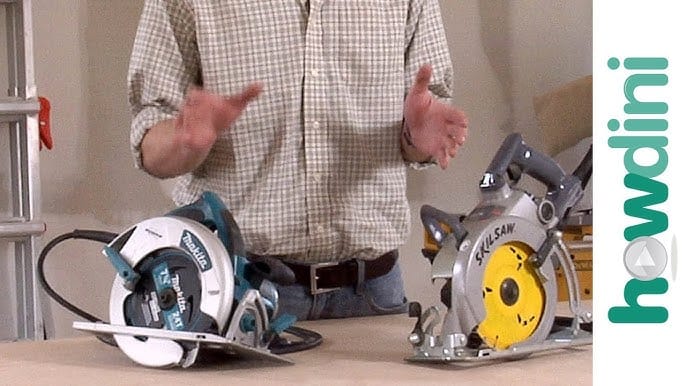
If you build decks, houses, or work in construction, a worm drive’s power and durability are hard to beat. If you mostly cut plywood, trim, or do DIY projects, a sidewinder is lighter, faster, and cheaper.
Remember, the “best” saw depends on your body strength, main cutting tasks, and how often you use it. There’s no single answer for everyone.
Credit: www.youtube.com
Hidden Insights Most Beginners Miss
- Kickback risk is real. Sidewinders, because of their higher RPM, can kick back suddenly if the blade binds in the wood. Always stand to the side, not behind the saw.
- Blade changes are quicker on sidewinders. The design makes blade changes simpler—a small but time-saving detail for busy users.
Should You Own Both Types?
Some serious woodworkers and contractors keep both types. For big jobs, they use a worm drive. For quick cuts or overhead work, they grab a sidewinder. For most people, though, one is enough.
:max_bytes(150000):strip_icc()/101786104-4534d73279b24ef4b16230cbdec0f097.jpg)
Credit: www.woodmagazine.com
Summary Table: Quick Pros And Cons
| Saw Type | Pros | Cons |
|---|---|---|
| Worm Drive | High torque Great for thick lumber Clear cut line (right-hand use) | Heavier More maintenance Higher price |
| Sidewinder | Lighter Faster blade Low maintenance Lower price | Less torque Cut line may be blocked Not ideal for thick/wet wood |
Frequently Asked Questions
What Is The Main Difference Between Worm Drive And Sidewinder Circular Saws?
The main difference is the motor and gear position. Worm drive saws have the motor behind the blade and use worm gears for higher torque but slower speed. Sidewinders have the motor beside the blade, giving faster blade speed but less torque.
Which Saw Type Is Better For Beginners?
For beginners, a sidewinder is usually better. It’s lighter, easier to handle, requires less maintenance, and is cheaper. Worm drive saws are best for heavy-duty or professional use.
Can I Use The Same Blades For Both Saw Types?
Most circular saw blades fit both types as long as the arbor size matches (often 5/8″). Always check your saw’s manual for the right blade type and size.
Are Worm Drive Saws More Dangerous?
Not necessarily. Worm drives are heavier and may be harder to control for some users, but they also have less kickback. Sidewinders, with their higher RPM, can kick back faster. Proper use and safety gear matter more than saw type.
Where Can I Learn More About Circular Saw Safety?
You can find detailed safety guides at the OSHA official site. They explain best practices for all power saws.
Choosing between a worm drive and sidewinder circular saw is about matching the tool to your work, strength, and budget. By knowing what sets them apart, you’ll make a smart purchase—and safer, smoother cuts every time.