
As an Amazon Associate, Power Tools Today earns from qualifying purchases. Prices and availability are accurate as of the date shown and are subject to change.
Plasma cutters can slice through steel, aluminum, and stainless steel with a precision that traditional cutting tools simply can’t match. But with options ranging from entry-level 20-amp machines to professional inverter units capable of cutting 1-inch steel plate, picking the right one without a clear guide is guesswork.
This guide covers the 10 best plasma cutters available in 2026 for home shops, fabricators, automotive restoration, and industrial use. We break down cut capacity, duty cycle, pilot arc technology, air supply requirements, and portability — the specs that actually matter when you’re standing in front of a machine.
Table of Contents
Quick Picks
| # | Product | Badge | Best For | Link |
|---|---|---|---|---|
| 1 | Hypertherm Powermax30 XP | Best Overall | Shop and field use | Check Price |
| 2 | Forney Easy Weld 251 Plasma Cutter | Best Budget | Beginners and DIY | Check Price |
| 3 | Lincoln Electric Tomahawk 375 Air | Best Premium | Professional fabrication | Check Price |
| 4 | Lotos LTP5000D 50A Plasma Cutter | Best Value | Home shop and automotive | Check Price |
| 5 | PRIMEWELD CUT60 60A Plasma Cutter | Best for Thick Steel | Heavy shop cutting | Check Price |
| 6 | Miller Spectrum 375 X-TREME | Best Portable | Field and job site work | Check Price |
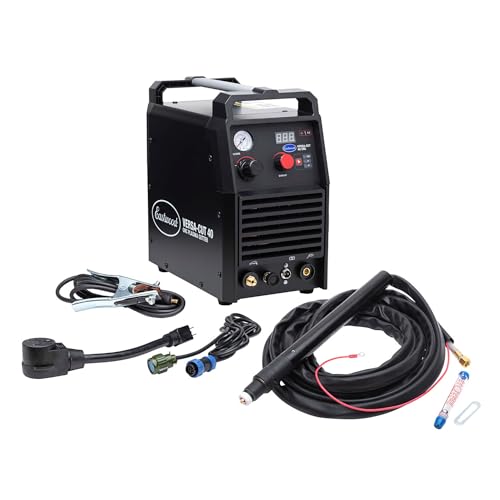
| 7 | Eastwood Versa-Cut 40 Plasma Cutter | Best for Auto Body | Automotive restoration | Check Price |
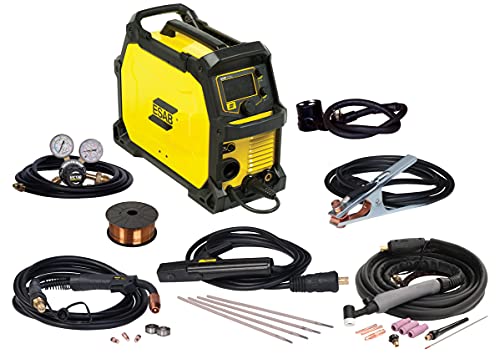
| 8 | ESAB Rebel EMP 215ic | Best Multi-Process | Versatile shop unit | Check Price |
| 9 | Hobart Airforce 27i Plasma Cutter | Best Mid-Range | DIY and light fabrication | Check Price |
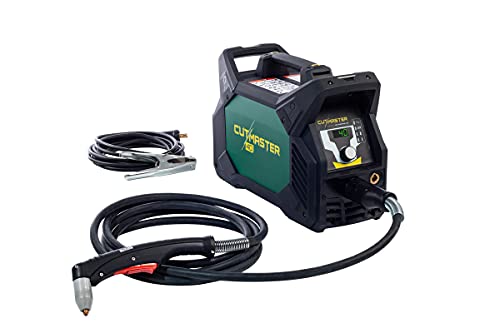
| 10 | Thermal Dynamics Cutmaster 40 | Best for Contractors | Field cutting and demolition | Check Price |
Master Comparison Table
| Product | Amperage | Clean Cut (Steel) | Max Cut | Pilot Arc | Duty Cycle |
|---|---|---|---|---|---|
| Hypertherm Powermax30 XP | 30A | 3/8″ | 5/8″ | Yes | 35%@30A |
| Forney 251 | 27A | 1/4″ | 3/8″ | No | 35% |
| Lincoln Tomahawk 375 | 40A | 3/8″ | 5/8″ | Yes | 60% |
| Lotos LTP5000D | 50A | 1/2″ | 3/4″ | Yes (non-touch) | 60% |
| PRIMEWELD CUT60 | 60A | 3/4″ | 1″ | Yes | 60% |
| Miller Spectrum 375 | 30A | 3/8″ | 5/8″ | Yes (auto) | 35% |
| Eastwood Versa-Cut 40 | 40A | 3/8″ | 1/2″ | No | 60% |
| ESAB Rebel EMP 215ic | 30A plasma | 3/8″ | 5/8″ | Yes | 40% |
| Hobart Airforce 27i | 27A | 1/4″ | 3/8″ | No | 50% |
| Thermal Dynamics CM40 | 40A | 3/8″ | 5/8″ | Yes | 50% |
Who Is This For?
If you’re a DIYer cutting thin automotive sheet metal or exhaust components — the Forney Easy Weld 251 or Eastwood Versa-Cut 40 are purpose-built for the garage shop and won’t break your budget. They’re user-friendly machines that handle light-to-moderate cutting without the complexity of professional units.
If you run a home fabrication shop and cut mild steel regularly — the Lotos LTP5000D 50A or PRIMEWELD CUT60 give you the capacity and duty cycle for sustained shop sessions on material up to 3/4 inch. These are the workhorses of the mid-tier category.
If you need a reliable, portable unit for field cutting or job sites — the Miller Spectrum 375 X-TREME or Thermal Dynamics Cutmaster 40 are the go-to field tools. Both are compact, handle a range of material thicknesses, and stand up to the physical demands of job site use.
If professional quality and long-term reliability are your priorities — the Hypertherm Powermax30 XP and Lincoln Electric Tomahawk 375 represent the professional-grade tier. Hypertherm in particular has the best consumable life and cut quality reputation in the industry.
How We Chose These Plasma Cutters
Selection criteria focused on five core performance metrics: clean cut capacity (not just severance capacity), duty cycle at rated amperage, pilot arc capability (important for cutting rusted, painted, or expanded metal), input voltage flexibility (110V vs. 220V), and consumable availability/cost. We specifically targeted the most common gap in competitor guides — the failure to explain the difference between clean cut and severance cut ratings, which leads buyers to overestimate a machine’s practical capability.
We also looked for machines with strong parts and consumable support in the US market, which eliminates otherwise capable machines that have slow or unreliable consumable supply chains. Warranty terms and manufacturer support quality were evaluated alongside the technical specifications. Last Updated: March 2026.
Buyer’s Guide: What to Look for in a Plasma Cutter
1. Clean Cut Capacity vs. Severance Cut Capacity
This is the most important distinction most buyer’s guides skip. “Clean cut” is the thickness where the machine produces a clean, consistent edge at rated speed. “Severance cut” (often called “max cut”) is the maximum thickness the machine can cut through at all — but slowly, with a rough edge. Always buy based on clean cut capacity matching your regular material thickness, not the maximum spec.
2. Amperage
More amps mean the ability to cut thicker metal and maintain a higher duty cycle. As a general rule, 1 amp of output cuts approximately 0.001″ of steel at a clean rate. So a 40-amp machine cleanly cuts around 3/8″ steel, while a 60-amp unit handles 3/4″ steel. Match your amperage to the thickest material you regularly cut, not the thickest material you might ever cut.
3. Duty Cycle
Duty cycle is the percentage of a 10-minute period the machine can operate before needing to cool down. A 60% duty cycle at 40A means 6 minutes on, 4 minutes off. For occasional cutting, a 35–40% duty cycle is fine. For sustained production cutting, you need 60% or higher. Machines with low duty cycles aren’t defective — they just aren’t designed for continuous operation.
4. Pilot Arc
A pilot arc allows the machine to start a cut without direct metal contact — essential for cutting rusted, painted, or expanded metal where direct contact start fails. Non-touch pilot arc is the most versatile. If you’re cutting clean, flat steel in a shop, non-pilot arc machines are fine. For field and demolition cutting on real-world material, pilot arc is a meaningful advantage.
5. Input Voltage
Entry-level plasma cutters run on 110V standard household current. Mid-range and professional units require 220V. Some machines (dual-voltage) can operate on either. If your shop has 220V available, always prefer it — you’ll get better performance and a higher duty cycle than the same machine running on 110V.
6. Air Supply
All plasma cutters require clean, dry compressed air at the correct PSI and CFM rating. Most units need 4–6 CFM at 60–90 PSI. Your compressor must meet or exceed these ratings — running a plasma cutter off an undersized compressor is one of the most common causes of poor cut quality and premature consumable wear. If you’re buying your first plasma cutter, verify your compressor specs first.
7. Consumable Cost and Availability
Electrodes and nozzles wear out with regular use. For Hypertherm and Lincoln machines, consumables are widely available and reasonably priced. For some Chinese-manufactured budget machines, consumables can be hard to source or inconsistent in quality. Factor consumable cost and availability into your buying decision.
Top 10 Plasma Cutter Reviews


Types of Plasma Cutters Explained
Understanding the main categories of plasma cutters helps you make a smarter buying decision. They break down into four primary types based on power source, size, and feature set.
Conventional Plasma Cutters use a contact start — the torch tip touches the metal to initiate the arc, then retracts. These are simple and affordable, found in most entry-level machines like the Forney 251 and Hobart 27i. The contact start works well on clean flat metal but is less reliable on rusty or painted surfaces.
High-Frequency / Pilot Arc Plasma Cutters can start the arc without touching the workpiece. The pilot arc extends from the torch tip across an air gap to the metal, allowing cutting on rough, rusty, painted, or expanded metal surfaces. This is the dominant technology in mid-range and professional machines. Most serious users prefer pilot arc even on clean shop metal for the added flexibility.
Inverter-Based Plasma Cutters use modern inverter technology for efficient power conversion, making them lighter and more portable than older transformer-based units while delivering stable arc performance. The majority of modern plasma cutters from entry to professional tiers use inverter technology. Higher-end inverter machines also tend to have better arc consistency, which directly affects cut quality and consumable life.
Multi-Process Plasma Units combine plasma cutting with welding capabilities (MIG, TIG, Stick) in a single machine. The ESAB Rebel EMP 215ic is the example in this guide. These are value propositions for shops where floor space and budget limit equipment to a single multi-purpose machine. The plasma cutting performance is generally adequate rather than optimized — a dedicated plasma cutter at equivalent cost will out-cut a multi-process unit of the same price.
For a thorough explanation of how the cutting arc works and what affects cut quality, our guide on how a plasma cutter works provides the underlying technical detail. And if you’re new to operating one, the step-by-step how to use a plasma cutter guide will get you cutting safely and effectively.
Hypertherm Powermax30 XP vs. Lotos LTP5000D: Which Should You Buy?
These two machines represent the most common buying decision in the plasma cutter market: professional brand quality vs. value-tier performance. The Hypertherm Powermax30 XP commands a premium, but delivers materially better cut quality, consumable life that’s documented at 2–4x longer than budget brands, and the kind of reliability that professional users stake their livelihood on. If plasma cutting is a regular part of your work or business, the Hypertherm investment pays back in reduced consumable costs and downtime over time.
The Lotos LTP5000D is a genuinely capable machine at its price point. It cuts 1/2″ steel cleanly, has a non-touch pilot arc, and holds a 60% duty cycle — specs that match or exceed some machines at twice the price. For a home shop user who cuts a few hours per month, the Lotos delivers real value without the Hypertherm budget requirement.
The decision is about use intensity. If you’re a fabricator, welder, or contractor for whom the plasma cutter is a daily tool, the Hypertherm Powermax30 XP is worth every dollar. If you’re a serious DIYer or hobbyist who values the capabilities but can’t justify the premium, the Lotos LTP5000D is the smartest mid-range buy.
Common Mistakes to Avoid When Buying a Plasma Cutter
Mistake 1: Buying based on maximum cut capacity instead of clean cut capacity. Manufacturers advertise the maximum severance cut because it sounds more impressive. The clean cut rating — the thickness that produces a quality edge at rated speed — is the number that matters for your actual work. A machine rated at 3/4″ max cut may only clean-cut 3/8″. Always read the specification table carefully.
Mistake 2: Ignoring the air supply requirements. Every plasma cutter has a minimum CFM and PSI requirement. If your compressor can’t deliver adequate airflow, you’ll experience arc instability, excessive dross, and rapid consumable wear. Check your compressor’s output specifications against the plasma cutter’s requirements before purchasing. An undersized compressor is one of the most common causes of poor plasma cutter performance.
Mistake 3: Choosing a machine without pilot arc for field use. A contact-start machine works well in a shop on clean metal but is frustrating and unreliable when cutting rusty structural steel, painted panels, or expanded metal grating in the field. If any of your work involves less-than-pristine metal surfaces, pilot arc capability is worth the additional cost.
Mistake 4: Buying consumables from unapproved sources. Aftermarket consumables that don’t meet the manufacturer’s tolerances cause degraded cut quality, increased dross, and faster wear. For brands like Hypertherm, genuine consumables are the most cost-effective choice even though they appear more expensive — they simply last far longer than the cheap alternatives.
Mistake 5: Underestimating duty cycle for your application. A 35% duty cycle machine works fine for occasional cutting but will thermal-shutdown constantly during sustained production cutting. Match the duty cycle to your actual use pattern — if you’ll cut for 20 minutes straight, you need at least a 50% duty cycle at your working amperage.
Decision Guide: Which Plasma Cutter Is Right for You?
If you’re a DIY user or automotive hobbyist cutting mostly thin sheet metal in a garage shop, the Forney Easy Weld 251, Hobart Airforce 27i, or Eastwood Versa-Cut 40 cover your needs at accessible prices. They run on 120V, are lightweight and easy to store, and produce clean cuts on the thin material that auto body work requires.
For home fabrication shop owners who regularly cut mild steel up to 1/2″ and need a reliable daily driver, the Lotos LTP5000D 50A is the best value in the mid-range category. Step up to the PRIMEWELD CUT60 if you regularly work on 1/2″–3/4″ material and need 60 amps. Both machines have the duty cycle and capacity for sustained shop use at a price that makes sense for a home shop investment.
Contractors and field workers cutting on job sites need the portability and pilot arc capability that the Miller Spectrum 375 X-TREME or Thermal Dynamics Cutmaster 40 deliver. The Miller’s Auto-Line voltage detection is a practical advantage in varied site power conditions. For those doing metal demolition or HVAC cutting where metal condition is unpredictable, pilot arc is non-negotiable.
For professional fabricators and shops where plasma cutting is a primary production process, the Hypertherm Powermax30 XP or Lincoln Electric Tomahawk 375 Air are the right tools. The Hypertherm’s consumable life advantage alone makes it the more economical choice over 3–5 years of regular use. The Lincoln’s integrated compressor eliminates the need for separate air infrastructure entirely, which has real value in certain shop configurations. For those considering welding alongside cutting, our guide on how to use a spot welder covers the complementary joining process worth having in your shop.
Frequently Asked Questions
What is the best plasma cutter for beginners?
For beginners, the best plasma cutter is a simple, 120V unit like the Forney Easy Weld 251 or Hobart Airforce 27i. Both run on standard household current, are lightweight, and produce clean cuts on thin to medium steel without requiring advanced setup. They’re forgiving to learn on and don’t require a 220V outlet or large compressor to operate.
How thick can a plasma cutter cut?
It depends on the machine’s amperage. A 30-amp unit cleanly cuts 3/8″ steel; a 50-amp unit handles 1/2″; a 60-amp unit cuts 3/4″. “Severance cut” capacity is always higher than clean cut — a 60A machine may sever up to 1″, but the edge quality at that thickness will be rough. Always buy based on your regular clean cut needs, not the maximum severance spec.
Do I need a compressor for a plasma cutter?
Yes, all plasma cutters require clean, dry compressed air — except the Lincoln Tomahawk 375 Air, which has a built-in compressor. Most machines need 4–6 CFM at 60–90 PSI. A standard shop compressor in the 20–30 gallon range typically provides sufficient airflow for most plasma cutters. Smaller pancake compressors are usually inadequate.
What is pilot arc and do I need it?
Pilot arc allows the machine to start cutting without direct contact with the metal — the arc extends through the air gap to the workpiece. It’s essential for cutting rusty, painted, coated, or expanded metal reliably. If you work in a shop on clean metal exclusively, non-pilot arc machines are adequate. For field or demolition cutting on real-world metal condition, pilot arc is strongly recommended.
Is Hypertherm really worth the extra money?
For professionals who cut regularly, yes. Hypertherm consumables last 2–4x longer than competing brands, which means lower operating costs over time. The cut quality and arc stability are also materially better. For occasional DIY users, the premium is harder to justify — a mid-range machine like the Lotos LTP5000D delivers adequate performance at a fraction of the Hypertherm price.
What voltage do plasma cutters use?
Entry-level machines run on 120V standard household current. Mid-range and professional units require 220–240V for full power output. Dual-voltage machines (like the Lotos LTP5000D) can operate on either voltage and deliver better performance at 220V. If your shop has 220V available, use it — you’ll get a higher duty cycle and more stable arc performance.
How long do plasma cutter consumables last?
Consumable life varies significantly by brand and usage. Hypertherm consumables typically last 500–2,000 cuts depending on the application. Budget-brand consumables may last 100–300 cuts before needing replacement. Factors that reduce consumable life include excessive dross from incorrect amperage or travel speed, cutting material with excessive paint or coating, and inadequate air pressure or moisture in the air supply.
Can plasma cutters cut stainless steel and aluminum?
Yes. Plasma cutters cut all electrically conductive metals including mild steel, stainless steel, aluminum, copper, and brass. Stainless steel and aluminum don’t rust, so pilot arc is less critical than with mild steel in rough conditions. Cut quality on stainless may require adjusting travel speed compared to mild steel of the same thickness.
Final Recommendation
Best Overall: Hypertherm Powermax30 XP — The best plasma cutter for anyone who cuts metal regularly. Consumable life, cut quality, and long-term reliability justify the premium for professional and serious hobbyist users alike.
Best Budget: Forney Easy Weld 251 — Runs on 120V, lightweight, and handles thin-to-medium steel without complexity. The right starting point for DIY users and beginners.
Best Premium: Lincoln Electric Tomahawk 375 Air — Professional capacity with an integrated compressor, 60% duty cycle, and Lincoln brand reliability. The standout choice for fabricators who want self-contained professional performance.
Choose the machine that matches your regular cut thickness, your duty cycle requirements, and the working environment where you’ll use it. Don’t buy more machine than you need — but don’t underbuy for your use case either.
