
Choosing the right plumbing pipe is more important than many homeowners realize. Pipes are the backbone of any plumbing system—carrying water for drinking, washing, heating, and waste removal. If you select the wrong type, you could face leaks, water damage, or expensive repairs. With so many options, from copper to PEX and PVC, it’s easy to feel confused. This guide breaks down the main plumbing pipe types, their uses, benefits, and what to consider before installation. Whether you’re planning a new build, a remodel, or just want to understand your home’s pipes, you’ll find practical, clear advice here.
Copper Pipes
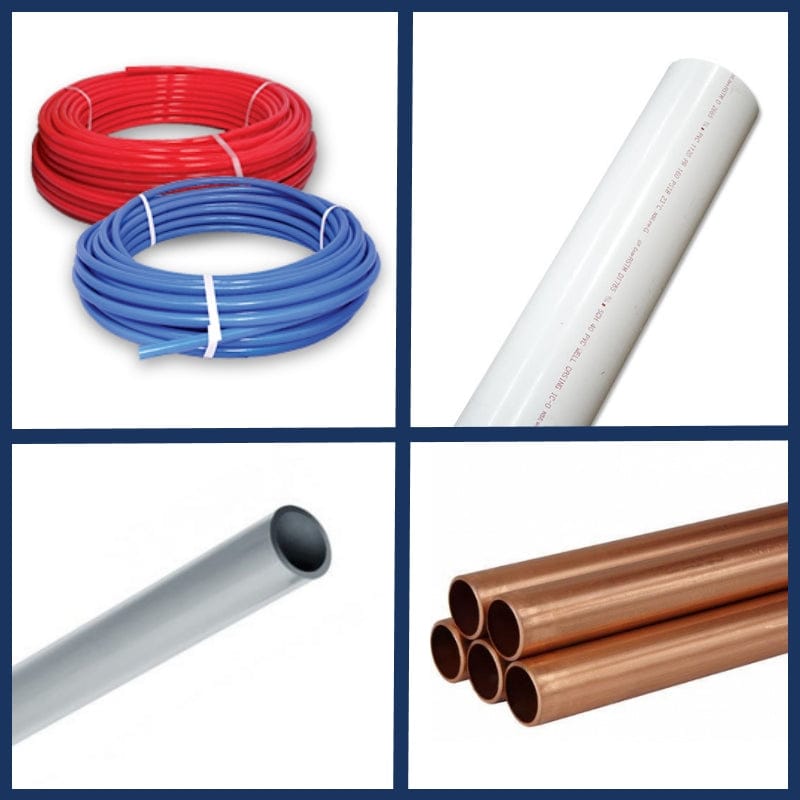
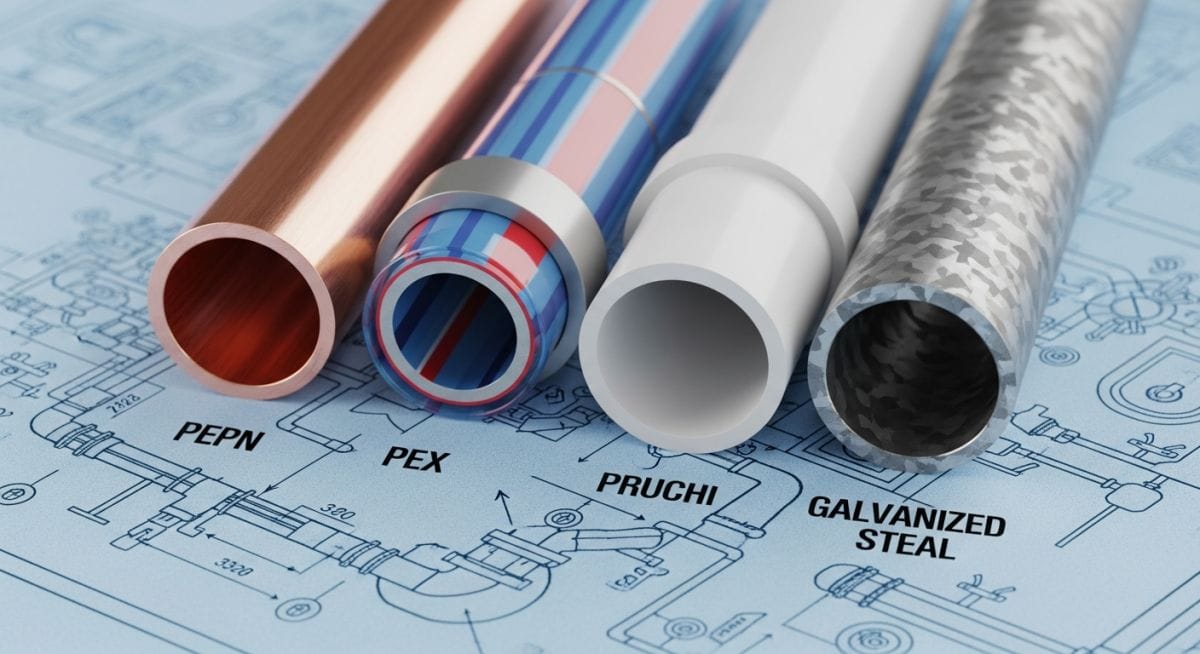
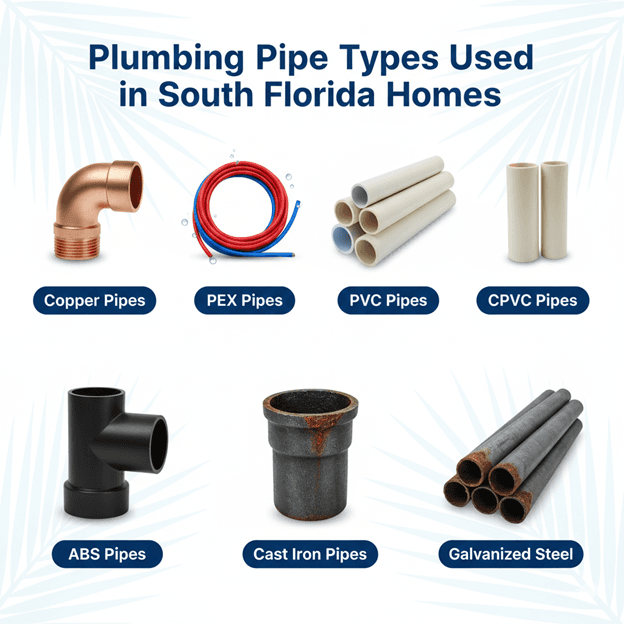
Copper pipes have been used for decades and are still a popular choice today. They are known for their durability, reliability, and ability to handle both hot and cold water.
There are two main types: Type M (thin-walled, for low-pressure use) and Type L (thicker, for higher pressure and underground use). Copper is naturally resistant to bacteria and can last over 50 years if installed properly.
However, copper pipes are expensive compared to other options. They also require soldering during installation, which means you may need a skilled plumber. Copper can corrode if water is very acidic, though this is rare in most city water systems. One non-obvious fact: copper pipes can add value to your home, as they’re seen as a premium feature by many buyers.
Pex Pipes
PEX (cross-linked polyethylene) pipes are a newer option that has become very popular in the last 20 years. PEX is flexible, easy to cut, and can bend around corners—so it requires fewer joints and fittings.
PEX is great for both hot and cold water lines and works well in tight spaces. It’s also resistant to scale and chlorine, and it doesn’t corrode or develop pinhole leaks. Installation is fast and doesn’t need soldering or glue—most systems use a simple crimp or clamp connection.
There are three types: PEX-A (most flexible), PEX-B (slightly stiffer), and PEX-C (least flexible, often used for repairs). The cost of PEX is lower than copper, but it’s not suitable for outdoor use because sunlight can damage it. Another insight: some older homes cannot use PEX if the local building code does not allow it, so always check before starting your project.
Pvc Pipes
PVC (polyvinyl chloride) is common for waste and drainage systems. It’s lightweight, easy to cut, and does not corrode.
PVC is usually white or cream-colored and is used mostly for drain-waste-vent (DWV) lines rather than for carrying drinking water. The joints are glued with a solvent, creating a strong bond.
One hidden detail: PVC is not suitable for hot water, as high temperatures can cause it to warp or fail. It’s also important to use the right schedule (thickness)—Schedule 40 for most home drains, and Schedule 80 for higher-pressure systems.
Cpvc Pipes
CPVC (chlorinated polyvinyl chloride) is similar to PVC but can handle higher temperatures. It’s often used for hot water lines and is colored cream or light yellow.
CPVC installs like PVC, with glued joints. It’s less expensive than copper and won’t corrode. However, CPVC is more brittle than PEX or copper, so it can crack if dropped or frozen. A tip: only use CPVC-specific glue, as regular PVC glue won’t create a proper seal. For threaded fittings, learn how to seal pipe joints properly.
Galvanized Steel Pipes
Once the standard for plumbing, galvanized steel pipes are now mostly found in older homes. These pipes are coated with a layer of zinc to prevent rusting.
They are extremely strong and good for outdoor or underground use, but over time, the zinc coating wears away. This leads to rust, which can clog pipes and affect water quality. Galvanized pipes are heavy and difficult to cut or join, often requiring threading and a sturdy grip — see how to use a pipe wrench for safe handling.
A common mistake: replacing only part of a galvanized system with a new material can lead to leaks at the connection points due to different metal reactions (called galvanic corrosion).
Cast Iron Pipes
Cast iron was once the preferred choice for drainage in large buildings and older homes. These pipes are very heavy and extremely durable—some systems last over 100 years.
Cast iron is quiet when water runs through it, which is why it’s still used in some high-end buildings for waste lines. However, it can rust and crack over time, especially if exposed to acidic waste or ground movement.
Cast iron is expensive and hard to install because of its weight. It’s usually replaced with PVC or ABS in modern homes. One thing many miss: cast iron can be recycled, so old pipes should be taken to a metal recycler rather than thrown away.
Abs Pipes
ABS (acrylonitrile butadiene styrene) pipes are black plastic pipes mainly used for drainage, waste, and vent lines.
ABS is lighter than cast iron, easy to install, and resistant to cold temperatures. It uses a special cement for connections, making installation quick. However, some building codes do not allow ABS, so check before using it.
A non-obvious tip: ABS is not as quiet as cast iron, so you may hear more noise from waste lines if you choose this material.
Flexible Hoses And Tubing
Flexible hoses, such as stainless steel braided lines or vinyl tubing, are used for connecting fixtures like sinks, toilets, and dishwashers to the main water supply.
These hoses are easy to install and ideal for tight spaces. They are not meant for in-wall or underground use but are perfect for quick connections. Stainless steel hoses are more durable than plain vinyl. One insight: check flexible hoses every few years—if they show signs of bulging or rust, replace them immediately to avoid leaks.
Credit: www.pvcfittingsonline.com
Polybutylene Pipes
Polybutylene was popular from the 1970s to the 1990s because it was cheap and easy to install. However, it is no longer used in new construction because the pipes tend to fail over time.
Chlorine in water can cause polybutylene to become brittle and crack, leading to leaks and water damage. If your home has these pipes, consider replacing them as soon as possible, even if they are not leaking yet. Some home insurance companies may refuse coverage for homes with polybutylene plumbing.
Polyethylene (pe) Pipes
Polyethylene pipes are mostly used for water supply lines outside the home, such as for irrigation or bringing water from a well.
PE pipes are flexible, resistant to chemicals, and do not corrode. They can be joined by heat fusion or mechanical fittings. However, they are not usually used inside homes because of lower pressure ratings. A little-known fact: PE pipes are common in rural areas or for large-scale agricultural water systems.
Plumbing Pipe Types Comparison
To help you choose, here’s a side-by-side look at key features of the most common pipe types:
| Pipe Type | Typical Use | Hot Water Safe | Cost | Lifespan |
|---|---|---|---|---|
| Copper | Water supply | Yes | High | 50+ years |
| PEX | Water supply | Yes | Medium | 40-50 years |
| PVC | Drainage | No | Low | 50-70 years |
| CPVC | Hot water lines | Yes | Medium | 50+ years |
| Galvanized Steel | Water supply | Yes | High | 40-50 years |
| Cast Iron | Drainage | No | High | 75-100 years |
| ABS | Drainage | No | Low | 50+ years |
Key Factors When Choosing Plumbing Pipes
Choosing the right pipe isn’t just about cost or what’s on sale at the hardware store. Here’s what really matters:
- Purpose – Is the pipe for drinking water, waste removal, or outdoor use?
- Water temperature – Some pipes melt or warp with hot water.
- Building code – Local laws may restrict certain materials.
- Installation skill – Some pipes need special tools or training.
- Longevity – Consider how long you want the system to last.
- Budget – Factor in both material and labor costs.
- Water quality – Hard or acidic water can damage some pipes.
A tip: Don’t mix different metals (like copper and galvanized steel) without using a proper dielectric union to avoid corrosion.
Common Mistakes With Plumbing Pipe Installation
Even the best pipe can fail if installed incorrectly. Watch out for these mistakes:
- Using the wrong glue or fitting for the pipe material
- Not supporting pipes properly, causing sagging or stress
- Overtightening joints, which can crack plastic pipes
- Installing pipes where they’ll freeze without insulation
- Failing to check local building codes before starting work
For example, using PVC for hot water lines can lead to dangerous leaks, or not allowing for pipe expansion can cause pipes to burst in cold weather.
Real-world Examples
Imagine you’re remodeling a bathroom in an old house. The existing lines are galvanized steel, but you want to use PEX for easy installation. You’ll need a special connector to join the old and new pipes, and it’s smart to replace as much old pipe as possible to avoid future leaks.
Or, consider a rural property using PE pipe to bring well water into the house, then switching to copper or PEX inside for better water quality and code compliance.
Maintenance And Longevity Tips
Each pipe type has its own care requirements:
- For copper, watch for blue-green stains (sign of corrosion).
- With PEX, avoid sunlight exposure and check for signs of rodent damage in crawlspaces.
- For PVC/CPVC, ensure joints are glued properly and check for cracks in cold climates.
- With cast iron, look for rust spots or slow drains—signs of internal scaling.
- For galvanized steel, check water color; rusty or brown water means pipes may be failing.
A non-obvious tip: drain and winterize outdoor water lines every fall to avoid bursting, no matter which pipe you use.
Cost Comparison Of Common Pipe Types
Here’s a look at average costs (materials only, per 10 feet):
| Pipe Type | Average Cost (USD) |
|---|---|
| Copper | $20 – $30 |
| PEX | $4 – $7 |
| PVC | $2 – $4 |
| CPVC | $5 – $8 |
| Galvanized Steel | $15 – $25 |
| Cast Iron | $15 – $25 |
| ABS | $3 – $5 |
Labor often doubles or triples the cost, especially for copper or cast iron, which need skilled work. If you’re tackling new construction, our plumbing rough-in tools guide covers the essentials.
Credit: epcland.com
Environmental Considerations
Some homeowners want eco-friendly plumbing. Copper is recyclable, and both PEX and PE pipes require less energy to produce and ship. However, plastic pipes can release chemicals if burned or exposed to sunlight for long periods, so proper disposal is important.
Cast iron and galvanized steel are also recyclable. PVC is less eco-friendly, as it’s hard to recycle and may release toxins if burned.
For more detailed standards and safety info, the EPA provides guidance on drinking water regulations.
Frequently Asked Questions
What Is The Best Pipe For Home Water Supply?
PEX and copper are both excellent for water supply lines. PEX is more flexible and easier for DIY installation, while copper lasts longer and adds value to your home.
Can I Use Pvc For Hot Water Lines?
No, PVC is not safe for hot water. It can warp or fail at high temperatures. Use CPVC, PEX, or copper for hot water.
How Long Do Plumbing Pipes Last?
Lifespan depends on the type:
- Copper: 50+ years
- PEX: 40–50 years
- PVC/CPVC: 50+ years
- Cast iron: Up to 100 years
- Galvanized steel: 40–50 years
What Pipe Is Best For Outdoor Use?
PE and galvanized steel are good for buried water lines. For outdoor drains, PVC or cast iron can be used.
Is It Okay To Mix Different Pipe Materials?
It’s possible, but you must use the right adapters and fittings to prevent corrosion or leaks. For example, joining copper to steel needs a dielectric union.
Selecting the right plumbing pipe can save you money, prevent headaches, and keep your water system running smoothly for decades. Take time to consider your needs, local codes, and long-term plans before making a decision. Each pipe type has strengths and weaknesses, but with the guidance above, you’re ready to choose wisely for your next plumbing project.
Credit: atozstatewideplumbing.com