
Imagine having a simple wall tool that instantly transforms your cluttered space into an organized haven. That’s exactly what a pegboard can do for you.
Whether you’re tackling a messy garage, a busy craft room, or a crowded kitchen, a pegboard lets you customize your storage exactly the way you need it. With its grid of holes and a variety of hooks and shelves, it turns any wall into a powerful, space-saving organizer.
Curious how it works and why it’s so popular? Keep reading to discover what a pegboard is and how it can make your daily life easier and more efficient.
Credit: www.homedepot.com
Pegboard Basics
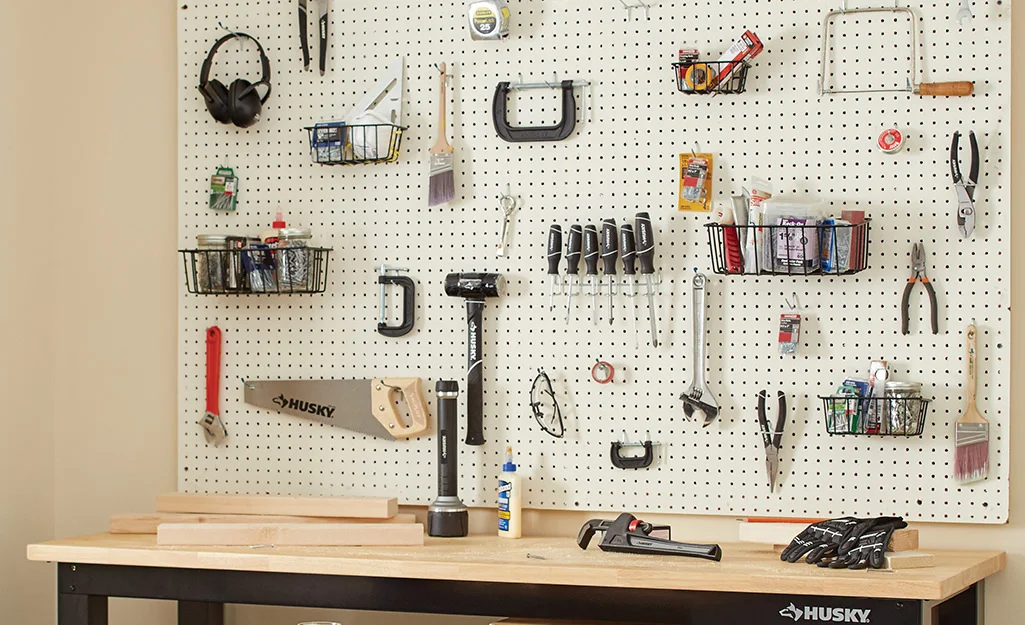
A pegboard is a simple yet effective storage solution. It consists of a board with evenly spaced holes. These holes allow you to place hooks and other accessories. This makes organizing tools, craft supplies, and household items easy. Pegboards help save space and keep things visible and accessible.
Understanding the basics of pegboards helps you choose the right one for your needs. Key elements include the materials used, design features, and the accessories available. These factors affect how well your pegboard will work.
Materials Used
Most pegboards are made from hardboard, a type of compressed wood fiber. This material is sturdy and affordable. Plastic pegboards offer resistance to moisture and are lightweight. Metal pegboards provide extra strength and durability. Wooden pegboards add a natural look and feel. Choosing the right material depends on where you plan to use the pegboard.
Design Features
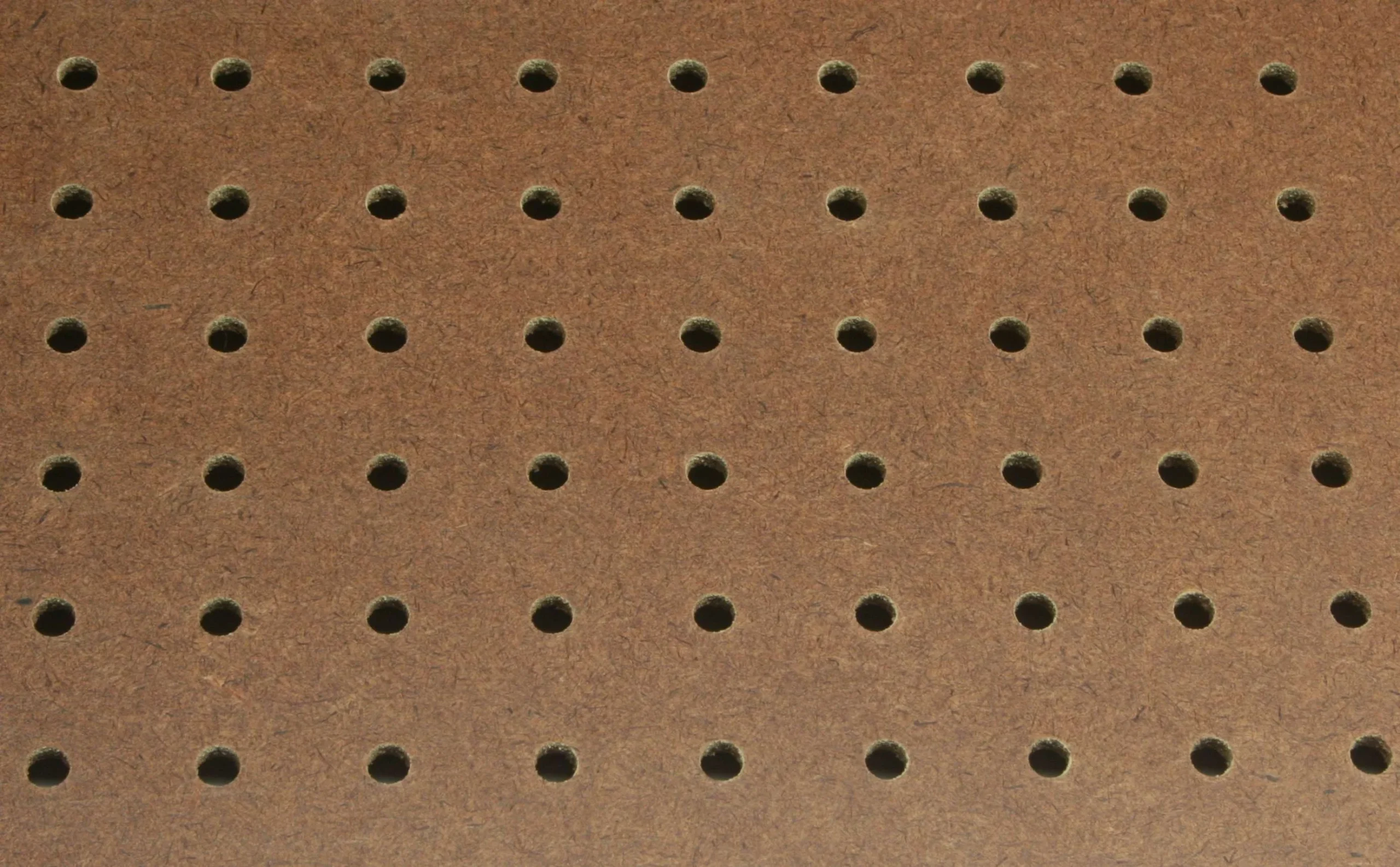
Pegboards have a grid pattern of holes that are evenly spaced. The holes usually measure 1/4 inch in diameter. This size fits most standard hooks and accessories. Boards vary in size to fit small or large spaces. Some pegboards have a smooth finish, while others have a textured surface. The design allows easy rearrangement of hooks and shelves anytime.
Common Accessories
Hooks are the most common pegboard accessory. They come in different shapes and sizes for hanging tools and supplies. Shelves can hold small boxes, cans, or equipment. Bins and baskets store loose items like screws or craft materials. Clips and holders secure items like pens or tape rolls. Using various accessories makes pegboards versatile for many uses.
Credit: prettylifegirls.com
Popular Pegboard Uses
Pegboards offer flexible storage options for many spaces. Their design allows easy customization with hooks and shelves. This makes pegboards popular for organizing tools, craft supplies, office materials, and kitchen items. Using a pegboard can improve order and efficiency in any room.
Workshop And Garage
Pegboards help keep tools visible and accessible in workshops. Hanging wrenches, screwdrivers, and drills saves drawer space. Garden tools also fit well on pegboards. This setup reduces clutter and speeds up work.
Craft And Hobby Rooms
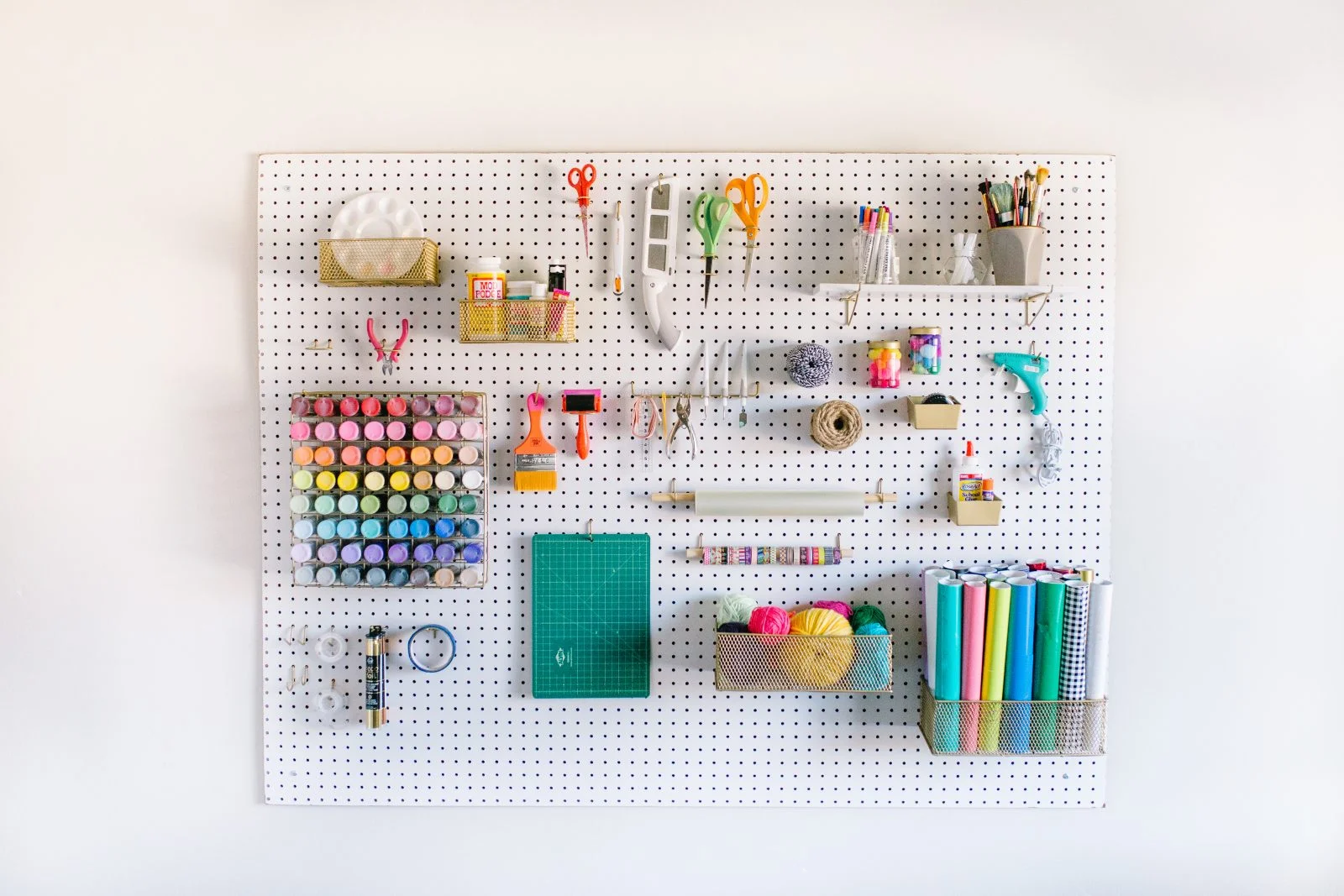
Craft rooms benefit from pegboards by storing small supplies. Hooks hold scissors, ribbons, and paintbrushes neatly. Shelves or baskets can hold yarn or beads. This keeps materials organized and easy to find.
Home And Office
Pegboards in homes or offices organize everyday items. Keys, calendars, and mail can hang on hooks. Office supplies like pens and notepads stay within reach. Pegboards help maintain a tidy and efficient workspace.
Kitchen Storage
Kitchens use pegboards to hang pots, pans, and utensils. This frees up cabinet and drawer space. Spices or small baskets can also be added. Pegboards make cooking tools easy to grab and put away.
Advantages Of Pegboards
Pegboards offer many advantages that make them popular for organizing spaces. They help keep items tidy and easy to find. These boards adapt to different needs and settings. From workshops to kitchens, pegboards bring order and convenience.
Customizable Layouts
Pegboards allow flexible arrangements. You can move hooks and shelves anytime. This flexibility helps fit tools or supplies of various sizes. Changing needs or new items do not require new storage. The grid of holes makes it easy to create a unique setup.
Space Efficiency
Pegboards use vertical wall space effectively. This frees up counters, floors, and drawers. By hanging items, you reduce clutter and open up the area. Small rooms or crowded spaces benefit greatly from pegboards. They help keep everything within reach without taking extra room.
Cost Benefits
Pegboards are affordable compared to many storage options. Installation is simple and does not require special tools. Accessories like hooks and bins are inexpensive. This makes pegboards a budget-friendly solution for organizing. They save money while improving order and accessibility.
Easy Accessibility
Items on a pegboard are visible and easy to grab. No need to search through drawers or boxes. This quick access saves time during work or daily tasks. Pegboards also help keep things neat, reducing the chance of losing items. Everything has its place, ready to use.
Choosing The Right Pegboard
Choosing the right pegboard is key to creating an organized space that works well for your needs. The right pegboard fits your tools and accessories perfectly. It also lasts long and looks good on your wall. Several factors affect this choice, such as the material, size, and durability. Understanding these helps pick the best pegboard for your setup.
Material Comparison
Pegboards come in different materials, each with pros and cons. Hardboard is common and affordable. It holds light to medium items well. Metal pegboards offer strong support and resist damage. They suit heavy tools and harsh environments. Plastic pegboards resist moisture and are easy to clean. Wooden pegboards look natural but may need more care. Choose a material that fits your use and style.
Size And Hole Spacing
Size matters to fit your wall space and needs. Larger pegboards hold more items but need more wall space. Smaller boards are good for tight spots or small tools. Hole spacing affects what hooks and accessories fit. Standard spacing is 1 inch apart, ideal for most uses. Some pegboards have smaller or larger holes for special needs. Measure your area and plan what to hang before choosing size.
Durability Factors
Durability ensures your pegboard lasts through daily use. Check the thickness of the board; thicker boards hold heavier items better. Look for coatings or finishes that resist moisture and wear. Metal boards resist dents and rust if coated well. Hardboard can warp if exposed to water. Plastic boards resist moisture but may crack under heavy load. Pick a pegboard that stays strong in your environment.
Installation Tips
Installing a pegboard properly is key to making it sturdy and useful. Good installation helps the pegboard hold tools and items safely. Follow simple tips to prepare your wall, mount the board correctly, and ensure safety.
Wall Preparation
Start by cleaning the wall surface. Remove dust, dirt, or grease. Check the wall for damage or weak spots. Use a stud finder to locate wall studs. Mark these spots clearly. Studs provide strong support for heavy items. If no studs are available, consider using wall anchors. Measure the area to fit the pegboard size. Use a level to mark straight horizontal lines. Proper wall prep makes installation easier and lasts longer.
Mounting Techniques
Choose the right screws and anchors based on your wall type. For drywall, use toggle bolts or anchors. For wood walls, standard wood screws work well. Leave space between the wall and pegboard for hooks. Use wooden furring strips or spacers to create this gap. Attach the strips to the wall studs first. Then screw the pegboard onto the strips. Double-check alignment with a level during mounting. This method allows hooks to fit securely in the holes.
Safety Considerations
Wear safety glasses and gloves during installation. Handle tools carefully, especially drills and screwdrivers. Avoid over-tightening screws to prevent cracking the pegboard. Make sure the pegboard is firmly fixed before hanging heavy items. Keep the area clear of clutter while working. Check for electrical wires or plumbing behind the wall before drilling. Proper safety protects you and ensures a durable setup.
Organizing Strategies
Pegboards offer flexible ways to keep spaces neat and orderly. Organizing strategies with pegboards help sort items by type and use. These systems make it easy to find and store belongings quickly. They work well in different rooms for various purposes. Below are common approaches to organizing with pegboards.
Tool Arrangement
Tools hang neatly on pegboards for easy access. Arrange tools by size or function to save time. Use hooks, holders, and shelves designed for hand tools. Keep frequently used tools within arm’s reach. Label spots to ensure each tool has a specific place. This setup reduces clutter and prevents tool damage.
Craft Supply Storage
Craft supplies stay visible and tidy with pegboards. Hang scissors, ribbons, paints, and brushes on hooks. Use small baskets for beads, buttons, or glue sticks. Group supplies by type or color for quick selection. This method keeps your workspace clear and organized. It helps maintain focus and creativity.
Office Organization
Pegboards help keep office items sorted and accessible. Hang calendars, notes, and important papers on clips. Store pens, markers, and tape in baskets or holders. Create zones for different tasks or projects. This system keeps desks free of clutter and improves efficiency. It makes managing work materials simple and neat.
Creative Pegboard Ideas
Pegboards offer more than just storage. They inspire creativity and style in any space. Using a pegboard, you can turn plain walls into functional art. Explore simple yet clever ideas to make your pegboard stand out.
These ideas fit different needs and tastes. Each one shows how versatile and useful pegboards can be.
Decorative Displays
Pegboards can hold photos, plants, and artwork. Use hooks to hang picture frames or small pots. Add string lights to create a cozy look. This transforms a workspace or room into a lively area. Display favorite items while keeping them organized.
Multi-purpose Use
Combine storage with function by using shelves and baskets. Store craft supplies, kitchen tools, or office materials in one spot. Change the layout often to match your current needs. Pegboards adapt easily to different rooms and tasks. Save space and reduce clutter with smart placement.
Custom Accessories
Create or buy special hooks, holders, and containers. Custom pieces fit unique items like scissors, paintbrushes, or keys. Magnetic strips attach to hold metal objects safely. Use clipboards or small shelves for notes and reminders. Accessories make your pegboard truly personal and useful.
Maintenance And Care
Proper maintenance and care keep your pegboard looking good and working well. Regular attention prevents damage and extends its lifespan. Simple steps help maintain its function and appearance.
Cleaning Tips
Dust your pegboard often with a soft cloth or duster. Use a damp cloth to wipe away dirt and grime. Avoid harsh chemicals that can damage the surface. For plastic or metal pegboards, mild soap and water work well. Let the board dry completely before placing accessories back.
Repairing Damage
Small holes or cracks can be fixed using wood filler or epoxy putty. Sand the area smooth after it dries. For metal pegboards, use rust remover and touch-up paint. Replace hooks or shelves if they become bent or broken. Repairing damage quickly keeps the pegboard safe and sturdy.
Upgrading Accessories
Change or add new hooks and shelves to improve storage. Use different sizes and shapes to fit your needs. Magnetic strips or bins can offer extra space. Upgrading accessories makes your pegboard more useful and flexible. Keep accessories clean and check their condition regularly.
Credit: en.wikipedia.org
Frequently Asked Questions
What Is A Pegboard Used For?
A pegboard organizes tools, craft supplies, kitchen utensils, and office items using hooks and shelves. It maximizes vertical space and keeps areas tidy.
Why Is It Called A Peg Board?
It’s called a pegboard because it has evenly spaced holes for inserting pegs, hooks, or accessories to organize items.
What Are The Benefits Of Peg Board?
Pegboards offer customizable, space-saving storage by using hooks and shelves. They keep items visible, accessible, and organized. They suit workshops, kitchens, and craft rooms, providing affordable, versatile solutions for various storage needs.
Is Pegboard Expensive?
Pegboards are generally affordable, costing less than many storage options. Prices vary by material and size but remain budget-friendly.
What Is A Pegboard Used For?
A pegboard is used to organize tools, craft supplies, kitchen utensils, and office items neatly.
Conclusion
A pegboard offers simple, flexible storage for many spaces. It helps keep tools, craft supplies, and kitchen items neat. You can change its layout anytime to fit your needs. Using vertical space saves room and reduces clutter. Pegboards are affordable and easy to install.
They make finding and accessing items quick and simple. This makes them a practical choice for home or work areas. Overall, pegboards bring order and convenience without much effort.
Read also: How to Fix a Stripped Screw: Easy Solutions