
TIG welding stainless steel is a skill that opens doors in fabrication, repair, and custom metalwork. This process creates clean, strong welds, making it a favorite for professionals who demand quality and appearance. If you want to learn TIG welding for stainless steel, you must understand the tools, techniques, and little details that set apart flawless welds from mediocre ones.
This guide will take you through everything, from setup to finishing, with practical advice and expert tips for beginners and experienced welders. If you’re brand-new, start with how to use a TIG welder.
What Makes Stainless Steel Tig Welding Unique
Stainless steel is valued for its corrosion resistance and attractive finish. But welding it is more challenging than mild steel. Stainless steel conducts heat poorly and can warp, discolor, or even lose its corrosion resistance if welded incorrectly. TIG welding, also called GTAW (Gas Tungsten Arc Welding), is ideal because it allows precise control over heat and weld quality.
A key point many miss: stainless steel shows every mistake. Scratches, heat marks, and contamination are obvious. That’s why TIG welding is the top choice for food industry equipment, medical devices, and custom automotive parts where looks and cleanliness matter.
Essential Equipment For Tig Welding Stainless Steel
Before you start, you need the right gear. Not all TIG welders or accessories are suitable for stainless steel. Here’s what you’ll need:
- TIG welder with DC output – AC is for aluminum; stainless steel requires DC.
- High-frequency start – Makes arc starting smoother and avoids contamination.
- Argon gas cylinder – Use pure argon or a mix (never CO₂).
- TIG torch – Air-cooled for light work; water-cooled for thicker materials.
- Tungsten electrodes – 2% thoriated or ceriated (red or gray color code) are common.
- Filler rods – Match your stainless steel type (ER308L for 304, ER316L for 316, etc. ).
- Protective gear – Auto-darkening helmet, gloves, fireproof jacket, and respirator.
- Stainless steel wire brush – Never use a brush that touched carbon steel.
- Angle grinder with flap disc – For prepping and finishing.
- Clamps and magnets – For holding parts steady.
You may also want a gas lens for your torch. This helps create a more uniform gas shield, which is especially useful for stainless steel.
Preparing Stainless Steel For Tig Welding
Welding starts before you strike an arc. Preparation is critical, and skipping steps can ruin your weld.
- Clean the metal – Remove oil, paint, or rust using acetone, alcohol, or a dedicated stainless steel cleaner.
- Remove oxide layer – Use a fresh flap disc or dedicated wire brush for stainless steel only. Even fingerprints can cause contamination.
- Fit-up and clamping – Stainless steel distorts easily. Use clamps and set your parts with minimal gap.
- Tack welds – Add small tack welds at intervals to hold pieces in place. This reduces warping and keeps alignment.
A beginner mistake is using tools or brushes that touched carbon steel. This introduces iron particles, which cause rust. Always keep stainless steel tools separate. The same care applies if you need to make holes — see how to drill stainless steel without contaminating the surface.
Setting Up Your Tig Welder
Correct machine setup is half the battle. Here’s how to set your welder for stainless steel:
- Polarity: Use DCEN (Direct Current Electrode Negative).
- Amperage: For 1mm (18 gauge) stainless, use around 30-40 amps. Thicker metal needs more current. A TIG welder foot pedal lets you fine-tune amperage live as you weld.
- Gas flow: 12-18 cubic feet per hour (CFH) of pure argon is typical.
- Post-flow: Set 5-15 seconds of gas post-flow to protect the cooling weld.
- Tungsten size: 1/16″ (1.6mm) for thin, 3/32″ (2.4mm) for thicker sections.
- Cup size: #6 to #12 (the bigger the cup, the better the gas coverage).
If your welds look dull or have black marks, increase gas flow or check for leaks. If you see undercutting, reduce amperage or increase travel speed.
Tig Welding Techniques For Stainless Steel
Torch Angle And Distance
Hold the torch at a 10-15° angle, pointing in the direction you want to weld. The tungsten should be 1/8″ (3mm) from the workpiece. Too close risks touching the metal, contaminating the tungsten. Too far, and you lose arc stability.
Filler Rod Control
Dip the filler rod into the edge of the molten pool, not into the arc. Stainless steel filler rods should be kept clean and handled with gloves to avoid oil transfer.
Travel Speed
Move at a steady pace. Going too slow overheats the metal, causing warping and discoloration. Too fast, and you’ll get poor penetration. Watch the weld pool—it should be about 1. 5 times the diameter of your tungsten.
Shielding Gas Coverage
Keep the torch shielded until the metal cools. Removing the torch too soon can cause oxidation and discoloration.
Pulse Welding (optional)
If your machine offers pulse settings, try them. Pulsing helps control heat input, which is great for thin stainless or when you want to minimize distortion.
Common Stainless Steel Tig Welding Joints
You’ll encounter different joint types. Here’s how they compare:
| Joint Type | Use Case | Notes |
|---|---|---|
| Butt Joint | Sheet or plate edge-to-edge | Most common for panels |
| Lap Joint | One piece overlaps another | Good for thin sheets |
| Tee Joint | One piece at 90° to another | Used in frames and supports |
| Corner Joint | Two pieces meet at a corner | Common for boxes and enclosures |
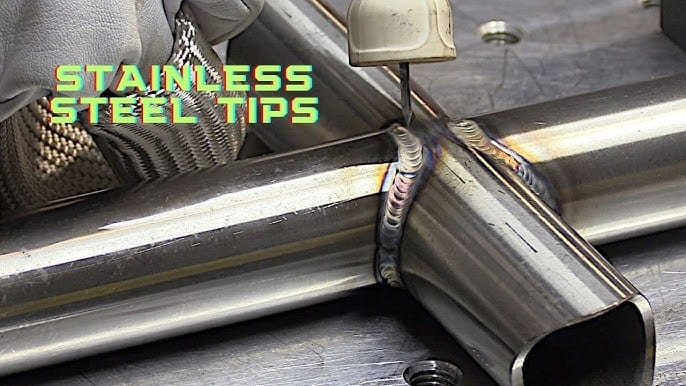
Each joint requires good fit-up and tack welds. For butt joints, a tiny gap (0. 5mm) helps with penetration. For lap joints, ensure the top piece is well supported to avoid sagging.
Credit: www.youtube.com
Managing Heat And Distortion
Stainless steel expands and contracts more than mild steel. It also holds heat, which leads to warping. Here’s how to keep your work straight:
- Use tack welds every 1-2 inches.
- Weld in short sections (stitch welding), then let cool before continuing.
- Clamp parts tightly to a flat surface.
- Reduce amperage and use pulse mode if available.
One advanced trick: Weld from the center outward or alternate sides to balance stress.
Cleaning And Finishing Stainless Steel Welds
A clean weld is more than just looks—it also prevents rust. After welding:
- Remove discoloration with a stainless steel wire brush or a non-woven abrasive pad.
- Passivate the weld using a citric acid or nitric acid solution to restore corrosion resistance. This is a step many skip, but it’s vital for food and medical applications.
- Polish if required for appearance, using stainless-specific compounds.
Never use carbon steel tools for cleanup—doing so can introduce rust spots.
Most Common Mistakes In Tig Welding Stainless Steel
Many beginners struggle with these issues:
- Contaminated tungsten – Touching the weld pool or filler to the tungsten.
- Wrong gas or flow – Using CO₂ or too little argon causes black welds.
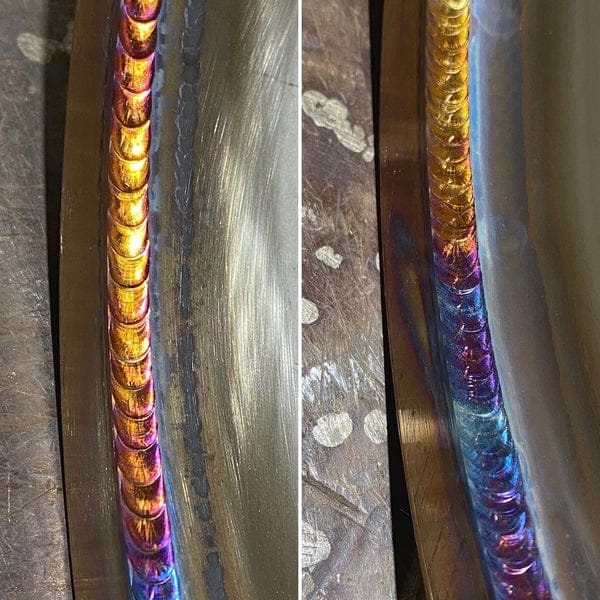
- Overheating – Leads to warping and blue discoloration.
- Poor fit-up – Gaps that are too wide or uneven tacks.
- Improper filler rod – Using the wrong alloy can weaken the weld.
- Lifting torch too soon – Causes oxidation and loss of shine.
A mistake less known: Not cleaning between weld passes. Even minor contamination can ruin the next pass.
When To Use Back Purging
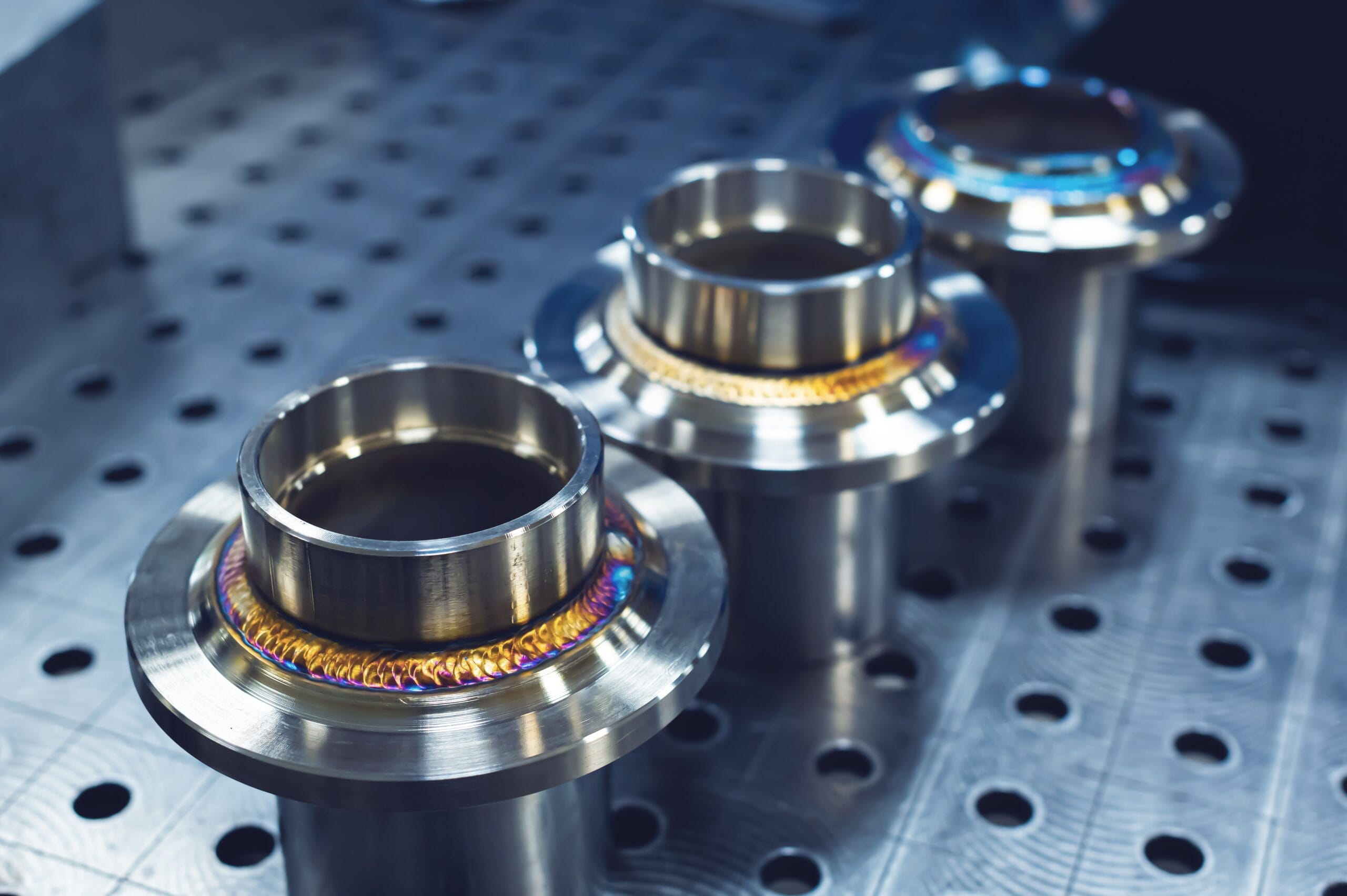
For tubing or anything where both sides of the weld are exposed, back purging with argon is essential. This fills the inside with inert gas, preventing oxidation. Skip this, and you’ll see black, crumbly welds inside the tube, which can fail or rust.
Set up a simple purge with aluminum tape and a small argon hose. Flow rates can be lower—about 5 CFH. Always wait for a few minutes to let the air flush out before welding.
Credit: westairgases.com
Selecting The Right Filler Rod For Stainless Steel
Choosing the correct filler is key for strength and corrosion resistance. Match the rod to your base metal:
| Base Metal | Common Filler Rod | Notes |
|---|---|---|
| 304 Stainless | ER308L | Most common for general use |
| 316 Stainless | ER316L | Marine and chemical use |
| 409/410 Stainless | ER409/410 | Automotive exhausts |
If you’re unsure, ER308L is a safe default for most non-critical jobs.
Comparing Tig Welding Stainless Steel To Other Methods
How Does Tig Welding Stack Up Against Alternatives?
| Method | Pros | Cons |
|---|---|---|
| TIG (GTAW) | High quality, precise, clean | Slower, requires skill |
| MIG (GMAW) | Faster, easier for thick sections | More spatter, less control |
| Stick (SMAW) | Portable, works outdoors | Rough appearance, more slag |
TIG is the best choice when finish and precision matter, but it’s slower and needs a clean environment.
Credit: yeswelder.com
Advanced Tips For Better Results
- Use a gas lens for improved gas coverage, especially on corners.
- Keep filler rods shielded by the argon at all times.
- Practice puddle control without adding filler. This builds your skill in reading the weld pool.
- Check for drafts in your workspace—moving air can blow away shielding gas.
- Record your machine settings for each job. This saves time on future projects.
Many new welders think every weld must be perfect on the first try. In reality, professionals often make test welds on scrap to dial in settings before touching the real workpiece.
Frequently Asked Questions
What Tungsten Electrode Is Best For Tig Welding Stainless Steel?
The most common choices are 2% thoriated (red) or 2% ceriated (gray) tungsten electrodes. They provide easy arc starting and stable arcs at low amperages, which is ideal for stainless. Sharpen the tip to a point for best results.
Can I Tig Weld Stainless Steel Without Filler Rod?
Yes, you can autogenously weld thin stainless steel sheets (usually under 1.5mm) without filler. However, using a filler rod adds strength and is recommended for most projects. Filler also helps bridge small gaps.
Why Is My Stainless Steel Weld Turning Blue Or Brown?
This color change is due to overheating or poor gas coverage. Make sure you have enough argon flow, keep the torch over the weld until it cools, and try reducing your amperage. Discoloration can also signal lost corrosion resistance.
Is Back Purging Always Required?
Back purging is only necessary when the back side of the weld is exposed or needs to stay clean, such as in pipes, tubing, or food equipment. For single-sided welds on thick plate, it is not usually required.
How Do I Restore Corrosion Resistance After Welding?
To restore the passive layer that protects stainless, use a process called passivation. This involves applying a citric or nitric acid solution after cleaning. It removes iron contamination and helps the chromium layer reform, making the weld resistant to rust. For more on passivation, see the Wikipedia article on passivation.
Mastering TIG welding on stainless steel takes patience and practice, but your efforts pay off in the quality of your finished work. With the right setup, careful preparation, and attention to detail, you’ll create welds that are both strong and beautiful.
Whether you’re building kitchen equipment, custom car parts, or art, these techniques will help you succeed.
